

Understanding cellular security cameras
What Makes Cellular Security Cameras Unique?
Cellular security cameras are transforming how people protect their homes, especially in areas where traditional Wi-Fi networks are unreliable or unavailable. Unlike standard wireless outdoor security cameras that rely on a home Wi-Fi network, these cameras use a SIM card to connect directly to an LTE cellular network. This means you can place them almost anywhere—remote cabins, construction sites, or even RVs—without worrying about Wi-Fi coverage.
How Cellular Cameras Work
These cameras operate by transmitting video and data over a mobile network, much like your smartphone. You’ll need a data plan or service plan from a cellular provider, and many models come with a SIM card included for easy setup. Some offer a free trial period for the cellular service, letting you test the connection before committing. The camera’s footage is sent in real time to your phone or cloud storage, so you can monitor your property from anywhere in the United States or beyond.
Key Features to Look For
- Night vision and color night vision for clear images after dark
- Motion detection to alert you when activity is detected
- Rechargeable battery or solar powered options for flexible, wireless installation
- Optical zoom for detailed video monitoring
- Support for solar panels or solar power to extend battery life
Many cellular security cameras are designed for outdoor use and are weather-resistant. Some models even offer advanced features like two-way audio or integration with smart home systems. If you’re interested in how monitored CCTV security can enhance your peace of mind with Ring cameras, learn more about monitored CCTV security with Ring cameras.
As you plan your home security setup, understanding the basics of cellular security cameras will help you choose the right model and service for your needs. In the next sections, we’ll explore their advantages, potential challenges, and tips for installation and privacy.
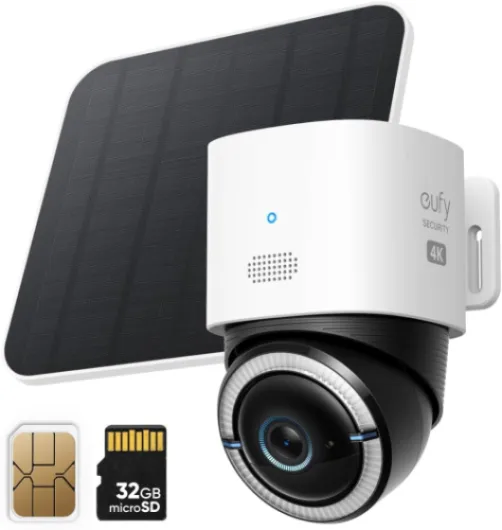
- + 4G LTE connectivity for remote access
- + 4K video resolution for high-quality footage
- + Pan and Tilt feature for versatile viewing angle
- + AI Tracking for enhanced motion detection
- + Includes SIM Card and 32GB SD Card

Key advantages of cellular security cameras
Why Cellular Security Cameras Stand Out
Cellular security cameras are transforming how people protect their homes, especially in areas where traditional Wi-Fi networks are unreliable or unavailable. These cameras use LTE cellular networks and a SIM card to transmit video and alerts, making them a flexible solution for both urban and remote locations. Unlike standard wireless outdoor cameras that depend on a home network, cellular cameras operate independently, offering real-time monitoring wherever there is mobile service.
Key Benefits for Homeowners
- Truly Wireless Operation: With a rechargeable battery or solar panel, cellular security cameras can be installed almost anywhere—no need for power outlets or network cables. This makes them ideal for driveways, barns, construction sites, or vacation homes.
- Reliable Connectivity: By using a data plan through LTE cellular service, these cameras maintain a stable connection even during network outages or in locations without Wi-Fi. This ensures continuous security coverage and peace of mind.
- Easy Setup and Mobility: Most cellular cameras are designed for quick installation. You simply insert a SIM card, connect to a service plan, and mount the camera. Moving the camera to a new location is just as simple, making it easy to adapt your security plan as needed.
- Advanced Features: Many models offer high-definition video, color night vision, optical zoom, and motion detection. Some even come with a free trial of cloud storage or a service plan, so you can test features before committing.
- Flexible Power Options: Solar powered and battery-operated models reduce maintenance and keep your camera running day and night, even during power outages.
Who Benefits Most from Cellular Cameras?
Cellular security cameras are especially useful for people who need surveillance in places where Wi-Fi is weak or unavailable. If you want to learn how to secure your property without Wi-Fi, these cameras offer a practical solution. They are also a smart choice for those who want to monitor multiple sites or need a backup system in case of network failure.
Considerations for Data and Service Plans
Because these cameras rely on a mobile network, you’ll need a compatible SIM card and a data plan. Some models include a SIM card or offer a free trial, but it’s important to check coverage in your area and estimate how much data your camera will use—especially if you plan to record high-quality video or use features like night vision and motion detection frequently. In the United States, most major carriers support LTE cellular cameras, but service quality and costs can vary.
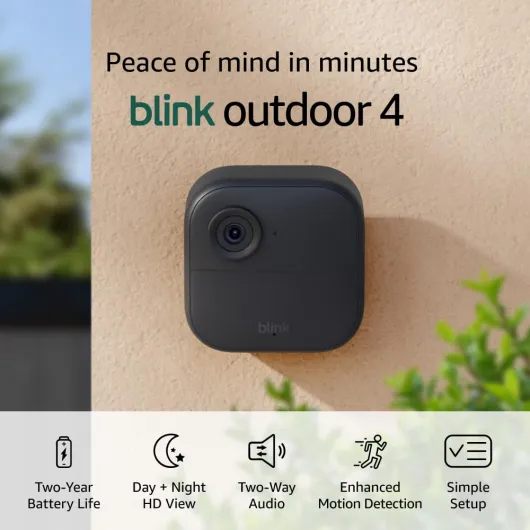
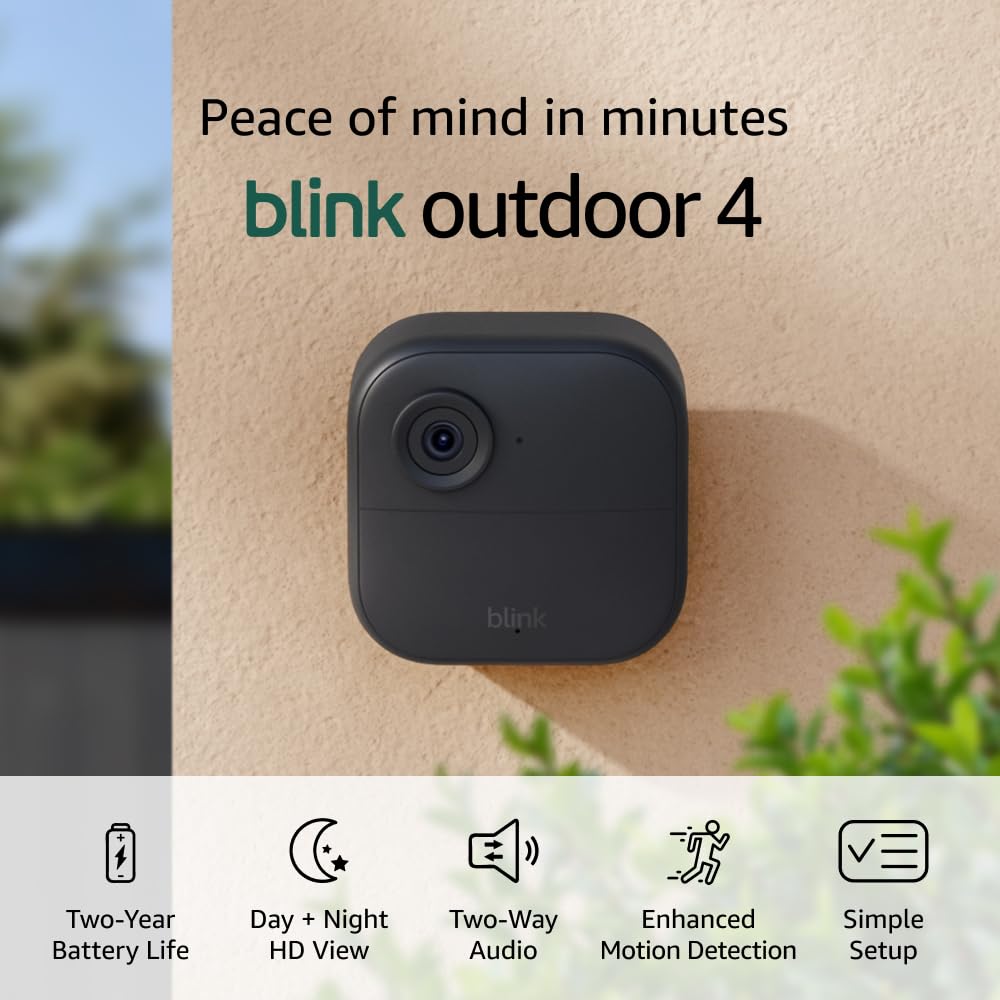
- + Wireless for easy installation
- + 1080p HD quality for clear video
- + Two-year battery life for long-lasting use
- + Infrared night vision for nighttime monitoring
- + Two-way talk feature for communication
Challenges and limitations to consider
Potential Drawbacks of Cellular Security Cameras
While cellular security cameras offer flexibility and independence from traditional wired networks, there are some important challenges and limitations to keep in mind before making a purchase. Understanding these factors can help you plan for a more effective and reliable home surveillance system.
- Data Plan and Service Costs: Unlike standard wireless outdoor cameras that connect to Wi-Fi, cellular cameras require a dedicated data plan. This means ongoing costs for LTE or mobile network service, which can add up over time, especially if you need high-resolution video or continuous recording. Some models come with a free trial, but you’ll need to budget for a service plan in the long run.
- SIM Card Compatibility: Not all cellular security cameras support every carrier or SIM card. Before buying, check if the camera is compatible with your preferred network in the United States and whether a SIM card is included. Incompatible cards or unsupported LTE bands can cause connectivity issues.
- Network Coverage Limitations: Cellular cameras rely on strong LTE or mobile network signals. In rural or remote areas, weak coverage can lead to unreliable video streaming, delayed motion detection alerts, or even missed events. Always verify network strength at your installation site.
- Battery Life and Power Options: Many cellular security cameras use a rechargeable battery or solar power. While solar panels can extend battery life, cloudy days or heavy usage (like frequent night vision or optical zoom activity) may drain the battery faster than expected. Regularly check battery status and consider backup options.
- Data Usage and Video Quality: High-quality video, color night vision, and continuous recording consume more data. If your data plan is limited, you might need to lower video resolution or reduce the frequency of video uploads to avoid extra charges.
- Privacy and Security Risks: Wireless transmission over cellular networks can expose your video feeds to potential interception if not properly encrypted. Always choose cameras with strong security protocols and keep firmware updated. For more on how infrared and night vision features impact privacy, learn about infrared illuminators in Ring cameras.
By weighing these challenges against the key advantages, you can make a more informed decision about whether a cellular security camera is the right fit for your home surveillance needs.
How to choose the right cellular security camera
Factors to Evaluate Before Buying
Choosing the right cellular security camera for your home or property can feel overwhelming, especially with so many options on the market. Here are some practical points to help you narrow down your choices and make an informed decision.
- Network Compatibility: Make sure the camera supports LTE cellular networks in your region, especially if you are in the United States. Some cameras come with a SIM card included, while others require you to purchase one separately. Check if the device is compatible with your preferred mobile carrier and service plan.
- Data Plan Requirements: Cellular cameras rely on a data plan to transmit video. Consider how much data you’ll need based on your expected usage—continuous recording, live viewing, and motion detection alerts all consume data. Some brands offer a free trial, but ongoing costs should be factored into your decision.
- Power Source: Decide if you want a solar powered camera, a model with a rechargeable battery, or one that can be plugged in. Solar panel options can provide more flexibility for wireless outdoor setups, especially in areas without easy access to power.
- Night Vision Capabilities: Look for features like color night vision or infrared night vision. These are essential for capturing clear footage in low-light or nighttime conditions, which is critical for security.
- Video Quality and Optical Zoom: Higher resolution cameras provide clearer images, which can be important for identifying faces or license plates. Optical zoom lets you focus on details without losing clarity.
- Motion Detection and Alerts: Advanced motion detection helps reduce false alarms and ensures you’re only notified when it matters. Some cameras let you customize detection zones or sensitivity.
- Storage Options: Consider whether the camera offers local storage (like a microSD card) or relies on cloud storage. Local storage can be useful if you want to avoid ongoing subscription fees.
- Weather Resistance: For outdoor use, ensure the camera is rated for weather resistance. Wireless outdoor cameras should withstand rain, dust, and temperature changes.
Planning for Long-Term Use
Think about how your needs might change over time. If you plan to expand your system, look for cameras that are easy to add to a network or that support integration with other security devices. Also, check for regular firmware updates and customer support from the manufacturer to keep your system secure and up to date.
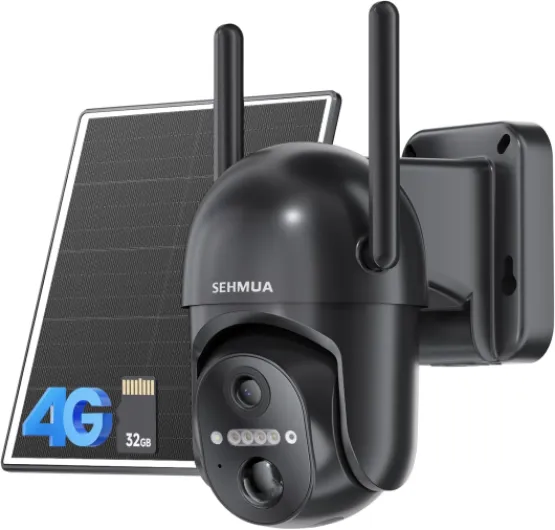
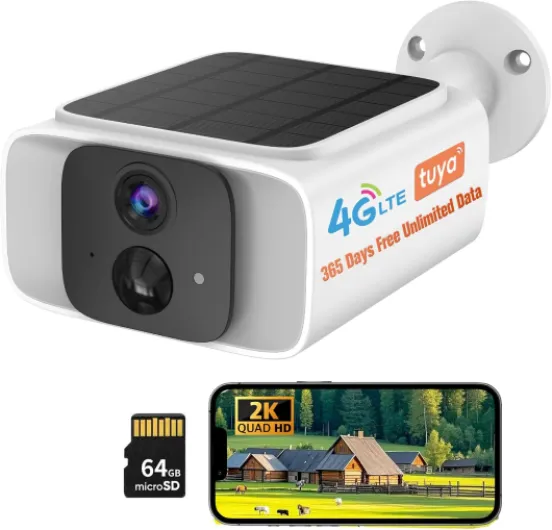
- + 4G LTE connectivity enables usage without WiFi
- + Solar powered for continuous operation
- + 360° live view for comprehensive coverage
- + 2K color night vision for clear images at night
- + PIR motion sensor for accurate detection
Installation and setup tips
Preparing for a Smooth Installation
Before setting up your cellular security camera, take time to plan your installation. Assess the areas you want to monitor, considering factors like night vision coverage, motion detection zones, and the best vantage points for your cameras. Make sure your chosen location has a strong LTE cellular signal, as this is crucial for reliable video streaming and alerts.
Powering Your Camera: Battery, Solar, or Wired?
Most wireless outdoor cellular cameras offer flexible power options. Many models come with a rechargeable battery, while others support solar panels for continuous solar power. If you opt for a solar powered camera, ensure the solar panel is positioned to receive adequate sunlight throughout the day. For battery-powered units, keep spare batteries charged or plan a regular charging schedule to avoid downtime.
SIM Card and Data Plan Setup
Cellular security cameras require a SIM card and an active data plan. Some cameras come with a SIM card included, while others need you to purchase one separately. Choose a data plan that matches your expected video usage, especially if you plan to use features like high-definition video or optical zoom. In the United States, several mobile network providers offer service plans tailored for LTE cellular cameras. Always check compatibility before purchasing.
Connecting to the Cellular Network
Once your SIM card is inserted, follow the manufacturer’s instructions to connect your camera to the cellular network. Most modern cameras have user-friendly mobile apps that guide you through the setup process. These apps help you test signal strength, configure motion detection, and adjust night vision or color night settings. If your camera offers a free trial of cloud storage or video services, activate it during setup to learn about available features.
Testing and Fine-Tuning
After installation, test your camera’s live video feed at different times of day and night to ensure clear vision and reliable motion detection. Adjust the camera angle, sensitivity, and notification settings as needed. If your camera supports wireless connectivity in addition to cellular, you may have the option to switch between networks for added flexibility.
- Check for firmware updates regularly to keep your security camera secure and up to date.
- Review your data usage after the first month to see if your plan meets your needs.
- Consider weatherproofing accessories for outdoor cameras to protect against harsh conditions.
Privacy and data security concerns
Protecting Your Footage and Personal Data
When using a cellular security camera, privacy and data security are critical. These cameras rely on LTE or mobile networks, transmitting video and alerts through a SIM card and data plan. This means your footage is often stored in the cloud, and your network connection becomes a potential target for cyber threats.
- Encryption: Ensure your security camera uses end-to-end encryption for video streams and stored footage. This protects your recordings from unauthorized access, even if someone intercepts your wireless network or data in transit.
- Account Security: Use strong, unique passwords for your camera app and related services. Enable two-factor authentication whenever possible to add an extra layer of protection.
- Data Storage: Check where your video is stored. Many cellular cameras offer cloud storage, but some allow local storage on a microSD card included with the device. Understand your options and choose what fits your privacy needs.
- Service Plan Transparency: Review the privacy policy of your camera’s service provider. Know how your data is used, who can access it, and if there’s a free trial or ongoing service plan that affects your footage retention.
Managing Access and Sharing
Modern security cameras, especially wireless outdoor or solar powered models, let you share access with family or trusted contacts. Always control who can view live video or receive motion detection alerts. Remove old users and regularly review access permissions.
Firmware and Software Updates
Keep your camera’s firmware and mobile app updated. Manufacturers release updates to patch vulnerabilities and improve security features. Set reminders to check for updates, especially if your camera runs on a rechargeable battery or solar panel and may not always be connected to power.
Physical Security and Placement
Don’t overlook the physical security of your camera. Place your wireless outdoor camera out of easy reach to prevent tampering. If your device uses a SIM card or memory card, secure these components to avoid theft or unauthorized removal.
Night Vision and Privacy Zones
Features like color night vision and optical zoom are great for monitoring, but be mindful of privacy laws in your area. Set up privacy zones in your camera’s app to avoid recording neighbors or public spaces unintentionally, especially at night when vision capabilities are enhanced.