

Understanding the role of BNC connectors in Ring camera setups
Why BNC Connectors Matter in Your Ring Camera Setup
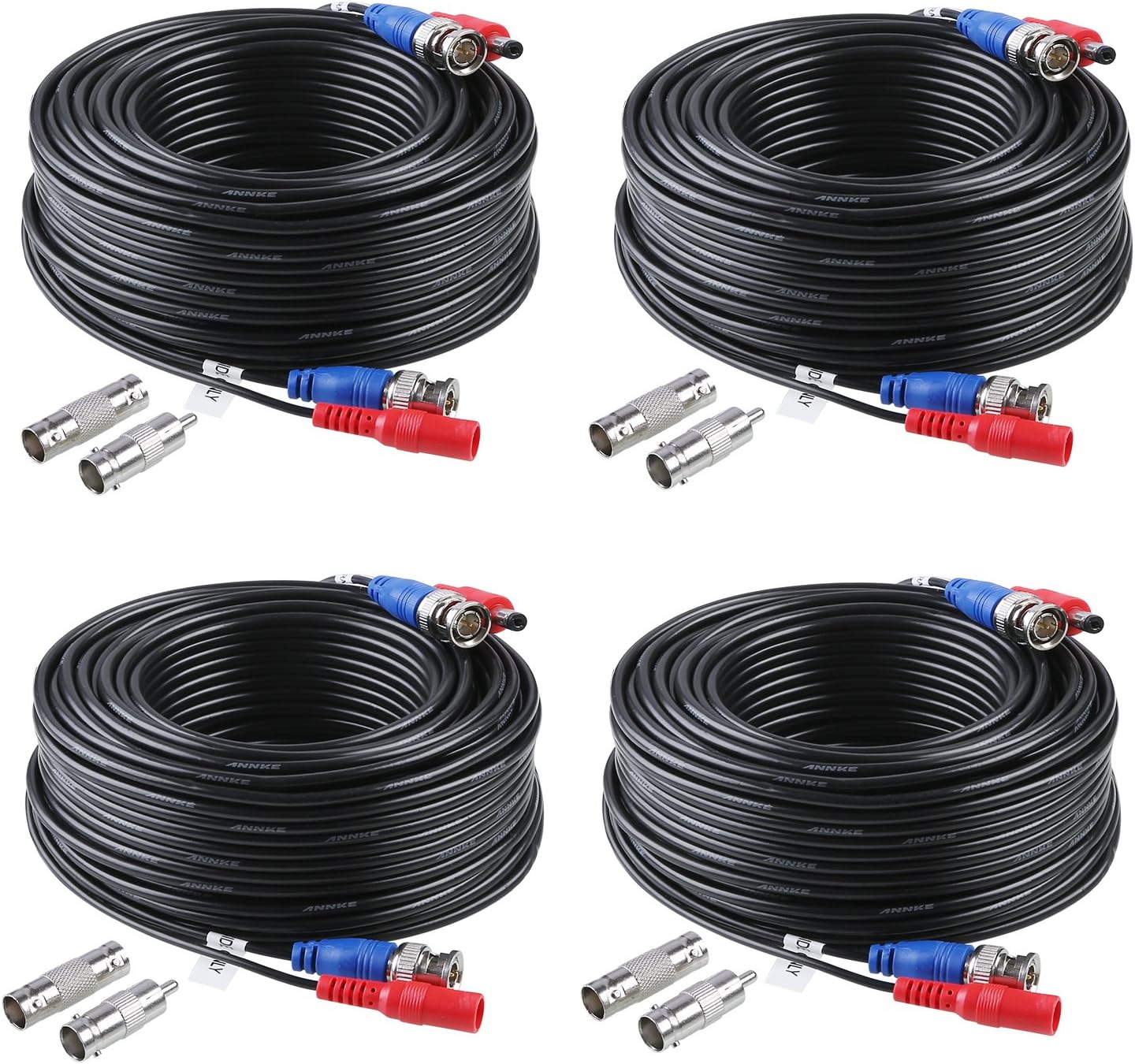
When setting up a Ring camera system, understanding the role of BNC connectors is essential for ensuring reliable video transmission and overall system stability. BNC (Bayonet Neill–Concelman) connectors are widely used in CCTV camera installations, including many security camera setups, because they provide a secure, quick-connect interface for coaxial cables. These connectors are crucial for maintaining high-quality video signals between your camera and recording or monitoring equipment.
- Secure Connection: BNC connectors use a twist-lock mechanism, reducing the risk of accidental disconnection and signal loss. This is especially important for outdoor or high-traffic areas where cables might be disturbed.
- Compatibility: Most CCTV cameras, including Ring cameras that support analog video, rely on BNC connectors for transmitting video signals. They are compatible with various cable types, such as RG59 and RG6 coaxial cables, and can be used with both male and female BNC connectors, adapters, and video baluns.
- Versatility: BNC connectors support different video formats, including TVI, CVI, and AHD, making them suitable for a wide range of security camera systems. Whether you are using a single camera or a multi-camera pack, BNC connectors help maintain consistent video quality.
- Cost-Effectiveness: BNC connectors and cables are available in various price ranges and pack sizes, making it easy to find options that fit your budget and installation needs. You can purchase connector packs, BNC adapters, or even original connectors for specific camera models.
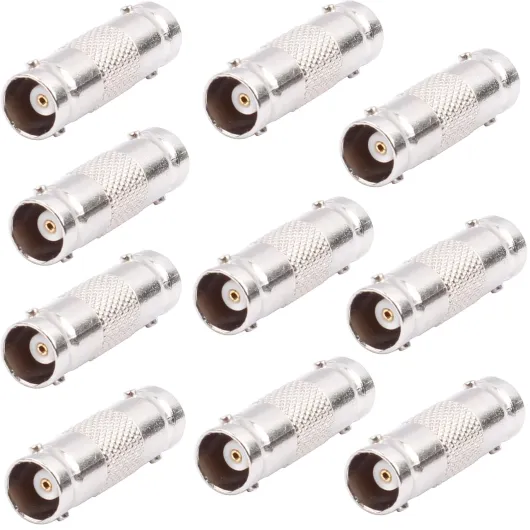
For those new to CCTV video setups, it’s important to know that BNC connectors come in both male and female versions, and choosing the right combination is key for a secure fit. Some setups may also require screw terminal adapters or SMA to BNC adapters, depending on your camera and DVR requirements.
Understanding these basics will help you make informed decisions when selecting cables and connectors for your Ring camera system. If you want to explore how motion sensor lights can further enhance your security setup, you can view full details on integrating battery-powered motion sensor lights with your cameras.
Choosing the right cable for your BNC connector
Key factors when selecting cables and connectors
Choosing the right cable for your BNC connector is essential for a reliable Ring camera setup. The type of cable and connector you select will impact video quality, compatibility, and installation ease. Here are some important considerations to help you make the right choice:
- Coaxial cable type: For most Ring camera and CCTV camera systems, RG59 and RG6 coaxial cables are commonly used. RG59 is flexible and suitable for shorter runs, while RG6 offers better shielding and is ideal for longer distances.
- Impedance (Ohm): Make sure the cable and BNC connectors match in impedance, typically 75 ohm for CCTV video and security camera applications. Mismatched ohm ratings can degrade video signal quality.
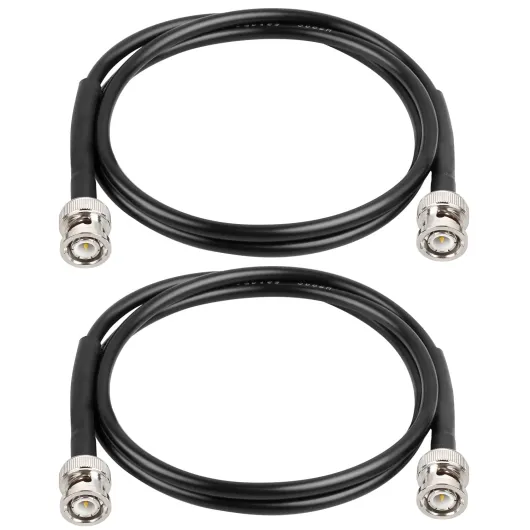
- BNC connector style: There are male BNC and female BNC connectors. For most installations, you’ll use a BNC male connector on the cable, which plugs into the female port on the camera or DVR. Some setups may require a BNC adapter or a connector pack with both male and female options.
- Compatibility with video formats: If your Ring camera system supports TVI, CVI, or AHD video formats, ensure the cable and connectors are rated for these signals. Some BNC cables and connectors are specifically labeled for tvi cvi ahd compatibility.
- Connector types: Besides standard crimp or compression BNC connectors, you might encounter screw terminal BNC connectors, SMA BNC adapters, or video baluns for special installations. Choose the type that matches your camera and DVR ports.
- Price and pack size: BNC cables and connectors are available individually or in packs. Buying a connector pack can be more cost-effective if you’re setting up multiple cameras. Compare prices and check if the pack includes both male and female connectors.
- Original vs. aftermarket: While original cables and connectors from your camera’s manufacturer ensure full compatibility, many high-quality aftermarket options are available at a lower price. Always check reviews and product details for reliability.
For a deeper dive into the technical aspects of connectors and their role in Ring cameras, you may find this resource on understanding the screw ring in Ring cameras helpful.
Remember, the right combination of cable and BNC connector ensures stable video transmission and reduces troubleshooting later. In the next section, you’ll find a step-by-step guide to attaching your chosen cable to a BNC connector.
Step-by-step guide to attaching a cable to a BNC connector
Preparing Your Tools and Cables
Before you start connecting cables to a BNC connector for your Ring camera, gather the essentials. You’ll need the correct coaxial cable (often RG59 or RG6 for CCTV video), a BNC connector (male or female, depending on your setup), a cable stripper, and a crimping tool. Some users prefer screw terminal BNC connectors for easier installation, especially if you’re new to working with CCTV camera systems.
Stripping and Prepping the Coaxial Cable
Carefully strip about 1.5 cm of the outer insulation from your coaxial cable. Expose the braided shield and fold it back, then strip the inner insulation to reveal the center conductor. This step is crucial for a solid video signal and compatibility with your security camera system. Make sure not to nick the center wire, as this can affect video quality and the overall reliability of your CCTV BNC connection.
Attaching the BNC Connector
- Slide the BNC connector’s sleeve over the cable before attaching the connector itself.
- Insert the center conductor into the pin of the BNC connector (male BNC or female BNC, as required).
- Push the connector onto the cable until it fits snugly, ensuring the braided shield makes contact with the connector body.
- Use a crimping tool to secure the connector, or tighten the screw terminal if using a screw-on BNC adapter.
For those using a BNC connector pack, repeat the process for each cable. Some connector packs include adapters for different cable types or CCTV camera models, so check for full details on compatibility.
Testing the Connection
Once your BNC connectors are attached, connect the cable to your Ring camera and the DVR or NVR. Power on your system and check the video feed. If you see a clear image, your connection is successful. If not, review your cable prep and connector installation. Sometimes, using a BNC adapter or video baluns is necessary for longer cable runs or when integrating with tvi cvi ahd cameras.
Extra Tips for Reliable Connections
- Always match the ohm rating of your cables and connectors (typically 75 ohm for CCTV video).
- Consider the price and quality of BNC connectors—original or branded connectors often provide better durability.
- For outdoor or pole-mounted installations, check out this guide on enhancing your security with a pole-mounted camera.
Following these steps helps ensure a stable connection for your Ring camera, whether you’re using a single cable or a connector pack for multiple cameras. Proper installation supports clear CCTV video and reliable security camera performance.
Common issues when connecting cables to BNC connectors
Typical Problems When Connecting BNC Cables
Connecting a cable to a BNC connector for your Ring camera setup can seem straightforward, but several common issues can arise. These problems can affect video quality, system reliability, and even the lifespan of your security camera equipment.- Poor Video Signal: If the video feed from your CCTV camera is fuzzy or cuts out, it’s often due to a loose or improperly attached BNC connector. Make sure the coaxial cable is fully inserted and the male BNC connector is tightly twisted or snapped into place. Double-check that the cable matches the ohm rating required for your camera system (usually 75 ohm for CCTV video).
- Wrong Connector Type: Using the wrong connector—such as a BNC female when you need a male BNC, or vice versa—can prevent a secure connection. Always confirm whether your cable and camera require a male connector, female connector, or a BNC adapter. Some systems, like tvi or ahd, may have specific requirements for connectors bnc or video baluns.
- Damaged Cables or Connectors: Coaxial cables and BNC connectors can be fragile. Bending the cable too sharply or overtightening a screw terminal can damage the internal wiring, leading to intermittent signal loss. Inspect both the cable and connector pack for any visible damage before installation.
- Compatibility Issues: Not all BNC cables or connectors are compatible with every security camera or DVR. Some Ring camera systems may require original bnc connectors or a specific type of cctv bnc cable. Always check full details on compatibility before purchasing a pack or adapter.
- Improper Shielding: If your video feed is experiencing interference, it could be due to poor shielding in the coax cable. High-quality bnc cables with proper shielding are essential for clear cctv video, especially in environments with lots of electrical noise.
How to Troubleshoot Connection Problems
- Test the cable with another camera or use a known-good cable to isolate the issue.
- Check all connectors bnc for tightness and proper seating. A loose bnc male or bnc female connector can easily disrupt the video signal.
- Inspect the cable ends for frayed wires or bent pins before attaching to the camera or DVR.
- Use a bnc adapter or video baluns if you need to convert between different connector types or extend your cable run.
- Compare the price and specifications of different connector packs to ensure you’re getting reliable, compatible components for your system.
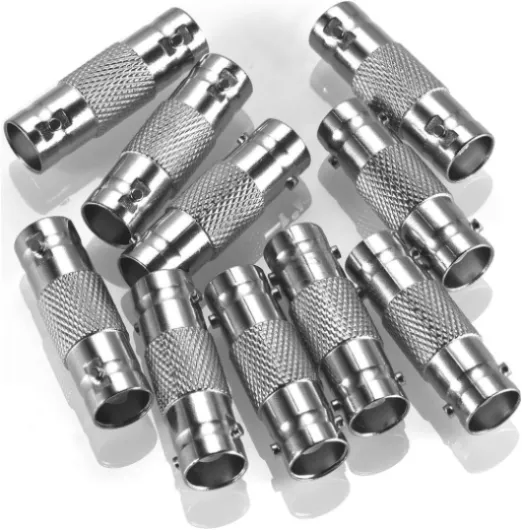

Ensuring compatibility with your Ring camera system
How to Verify Your BNC Connections Work with Ring Cameras
When setting up a Ring camera with BNC connectors, compatibility is a key concern. Not every cable, connector, or adapter labeled as "BNC" will work seamlessly with your Ring system. Here’s what you need to check to avoid frustration and wasted money.
- Connector Type: Most Ring cameras that support BNC use standard BNC male connectors on the cable and BNC female connectors on the camera or DVR. Double-check if your setup requires a BNC male, BNC female, or even a BNC adapter for proper fit.
- Cable Specifications: Coaxial cables, especially RG59 or RG6, are commonly used for CCTV video transmission. Make sure your cable matches the ohm rating (usually 75 ohm for video) and is compatible with your BNC connectors. Using the wrong cable can cause signal loss or poor video quality.
- Video Format Support: Ring cameras and many modern CCTV systems use formats like TVI, CVI, or AHD. Confirm your BNC connectors and cables support the video format your camera uses. Some older connectors may not handle HD video signals well.
- Connector Packs and Adapters: If you’re buying a connector pack, check that it includes the right mix of male and female BNC connectors, or any BNC adapters you might need. Some packs are designed for specific camera types or cable sizes.
- Original vs. Aftermarket Parts: While original BNC connectors from reputable brands often guarantee better fit and performance, aftermarket options can be more affordable. Compare price, but don’t sacrifice reliability for a lower cost, especially for security camera setups.
- Specialty Needs: If your installation requires a screw terminal, SMA to BNC adapter, or video baluns for long cable runs, make sure these accessories are compatible with both your Ring camera and your chosen cable.
For full details on the technical requirements of your specific Ring camera model, always consult the official documentation. This helps ensure your BNC cables, connectors, and adapters deliver reliable CCTV video performance and keep your security camera system running smoothly.
Safety tips and best practices for installation
Safe Handling and Installation Practices
- Before starting, always disconnect power from your security camera system. This reduces the risk of electric shock when working with cables and BNC connectors.
- Use only original or high-quality BNC connectors and cables. Low-quality or incompatible connectors can cause video signal loss or even damage your CCTV camera setup.
- Check the ohm rating of your coaxial cable and BNC connectors. Matching impedance (usually 75 ohm for CCTV video) is crucial for clear video transmission and to avoid signal degradation.
- When using a BNC male or female connector, ensure the connection is tight but not over-tightened. Over-tightening can damage the connector or cable, especially with screw terminal types.
- For outdoor installations, use weatherproof BNC connectors and coaxial cables. Moisture can corrode connectors and degrade video quality over time.
- Keep all cables organized and away from sharp edges or areas where they might be pinched. This prevents accidental damage and maintains reliable video signals.
- If you use adapters, such as BNC to SMA or BNC to RCA, make sure they are compatible with your camera and cable type. Incompatible adapters can result in poor video quality or connection failure.
Best Practices for Reliable Connections
- Test your connection before finalizing the installation. Connect the BNC cable to your CCTV camera and monitor to check for a clear video signal.
- Label your cables and connectors, especially if you have multiple cameras or use a connector pack. This makes future troubleshooting easier.
- Store extra BNC connectors, adapters, and cables in a dry, safe place. Having spares on hand can save time if you need to replace a faulty connector or cable.
- Consider the price and quality when buying BNC cables or connector packs. Sometimes, a higher upfront cost means better durability and fewer issues down the line.
- Regularly inspect your CCTV BNC connections for signs of wear, corrosion, or loose fittings. Early detection helps maintain your security camera system’s performance.
Following these safety tips and best practices ensures your Ring camera, BNC connectors, and cables deliver reliable CCTV video performance, whether you’re using tvi, ahd, or cvi systems. Always prioritize compatibility and quality for the best results in your security camera setup.