

Understanding solar powered security cameras
How Solar Technology Powers Modern Security Cameras
Solar powered security cameras have become a popular choice for homeowners looking to boost their outdoor security. These cameras use a solar panel to convert sunlight into electricity, which charges a built-in battery. This setup allows the camera to operate wirelessly, making installation more flexible and reducing the need for constant maintenance. The best solar cameras are designed to work efficiently even in areas with limited sunlight, though understanding the sunlight needs for outdoor solar security cameras is crucial for optimal performance.
Core Components of a Solar Security Camera System
- Solar Panel: Captures sunlight and converts it into power for the camera.
- Battery: Stores energy to keep the camera running during the night or on cloudy days.
- Camera Unit: Features like night vision, motion detection, and high-quality video recording are standard in most modern models.
- Wireless Connectivity: Many solar cameras are wireless outdoor devices, making them easy to install and relocate as needed.
Popular Features and Brands
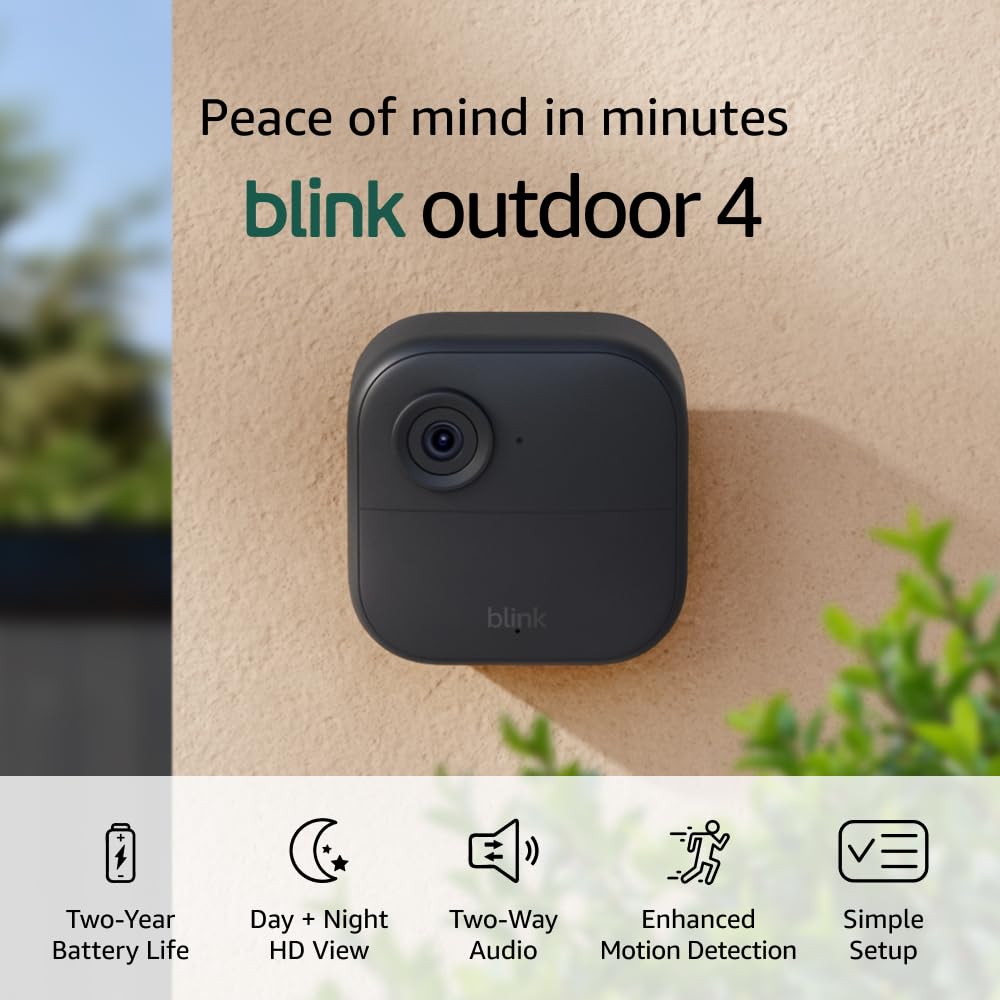
Today’s solar powered security cameras often come with smart features such as color night vision, pan tilt controls, and integration with platforms like Google Nest. Brands like Tapo and Amazon offer a range of options, from single units to pack save deals. When shopping for the best solar camera, consider factors like field view, video quality, and price. Wireless outdoor cameras are especially popular for their ease of use and minimal wiring requirements.
Why Choose Solar for Outdoor Security?
Solar security cameras are ideal for locations where running power cables is difficult or expensive. They are environmentally friendly and can provide reliable surveillance even in remote areas. With advancements in battery powered and solar panel technology, these cameras deliver consistent performance, day and night. As you explore the benefits, challenges, and installation tips in the following sections, you’ll see why solar powered security cameras are becoming the go-to solution for outdoor home protection.
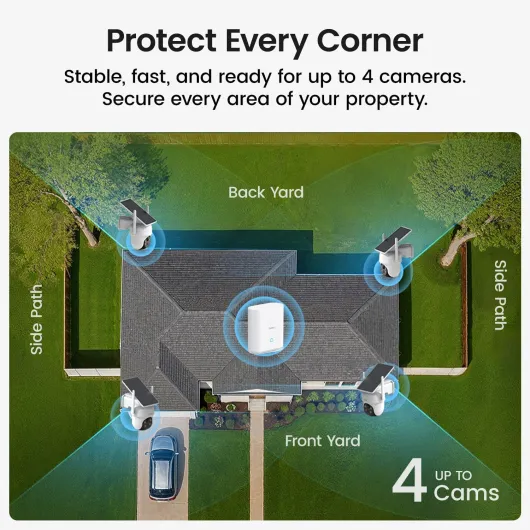
- + No subscription required — use locally without recurring fees
- + Solar-powered for extended, cable-free operation
- + Wireless design allows flexible placement and easy installation
- + 360° pan & tilt with auto-tracking for broad coverage
- + 2K color night vision improves low-light detail compared with basic IR

Key benefits of using solar powered security cameras
Why Choose Solar Powered Security Cameras for Your Home?
Solar powered security cameras are becoming a popular choice for homeowners who want reliable, eco-friendly protection. These cameras combine a solar panel and a rechargeable battery, allowing them to operate independently of your home’s electrical system. Here’s why many consider them the best option for outdoor security:
- Continuous Power Supply: With a solar panel, your camera can stay charged throughout the day, storing energy in its battery for use at night or during cloudy weather. This means less worry about power outages or running wires across your property.
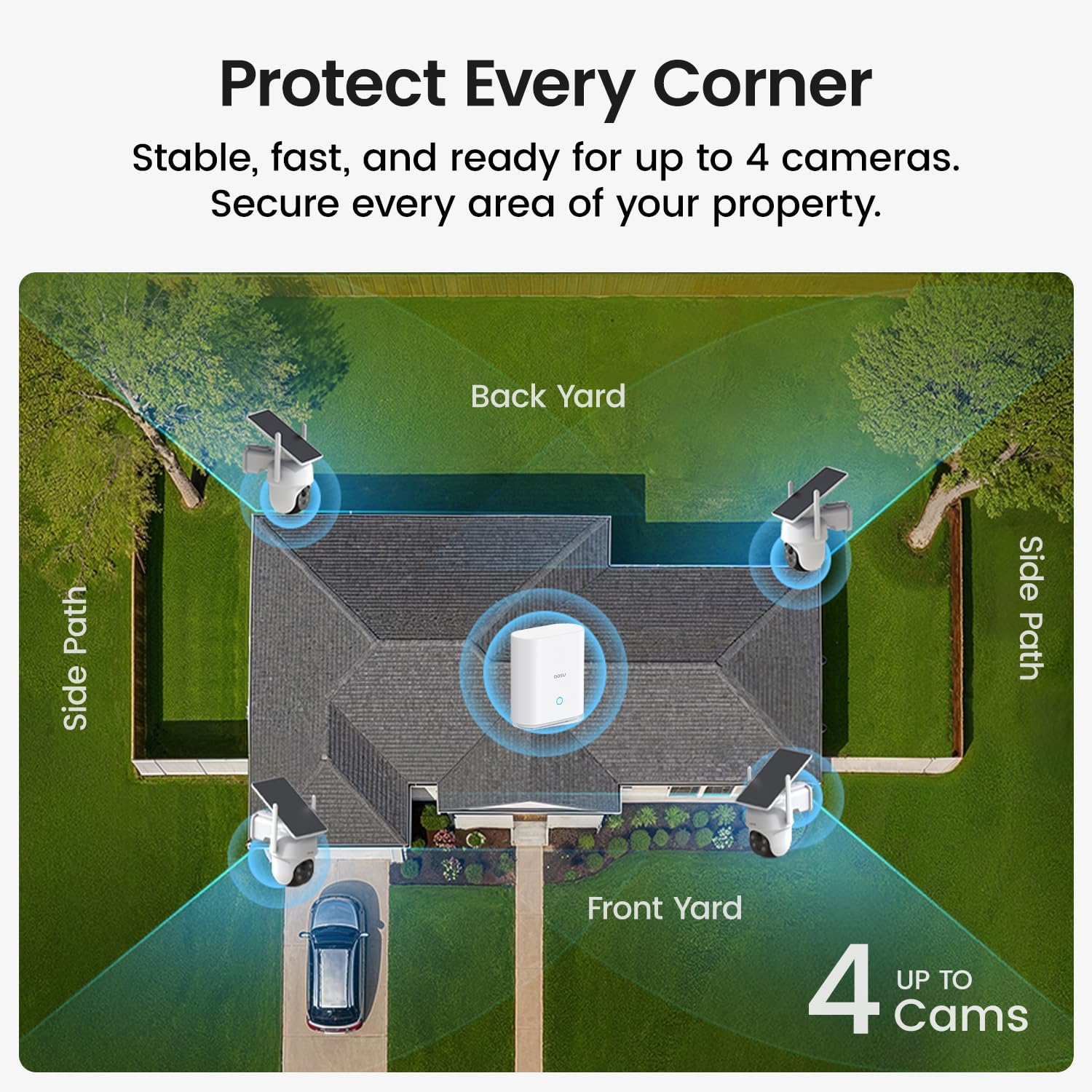
- Flexible Installation: Since solar cameras are wireless and battery powered, you can place them almost anywhere—on fences, sheds, or remote corners of your yard. This flexibility helps you cover more ground and improve your field of view without being limited by power outlets.
- Lower Energy Costs: By harnessing solar power, you reduce your electricity bills. Over time, this can make solar security cameras a cost-effective investment, especially when you consider the price of running traditional wired cameras.
- Eco-Friendly Solution: Solar powered cameras are a smart choice for those who want to minimize their environmental impact. Using renewable energy helps reduce your carbon footprint while keeping your home safe.
- Advanced Features: Many of the best solar cameras offer features like color night vision, motion detection, pan tilt capabilities, and high-quality video. Brands such as Tapo, Google Nest, and Amazon’s top-rated models provide smart integration and reliable performance for outdoor security.
- Easy to Expand: Adding more cameras is simple with wireless outdoor systems. You can shop for multi-camera packs and save, or mix and match models to suit your needs.
For a closer look at the top solar powered wireless security camera systems for outdoor use, check out our detailed guide. It covers the best options for quality, price, and features, helping you find the right fit for your home.
Solar security cameras offer a blend of convenience, performance, and sustainability. Whether you’re looking for a camera with long battery life, sharp night vision, or seamless smart home integration, there’s a solar powered solution that fits your needs.
Challenges and limitations to consider
Potential Drawbacks and Practical Hurdles
While solar powered security cameras offer impressive benefits for outdoor home protection, there are a few challenges and limitations to keep in mind before making a purchase. Understanding these factors can help you choose the best solar camera for your needs and avoid common pitfalls.
- Weather Dependence: Solar panels rely on sunlight to charge the camera’s battery. In areas with frequent cloudy days or long winters, the panel may not generate enough power, especially for cameras with high power demands like pan tilt or continuous video recording models.
- Battery Limitations: Even the best battery powered solar cameras have a finite battery life. Extended periods without sun can drain the battery, potentially leaving your security camera offline. Some users opt for backup batteries or hybrid power options for added reliability.
- Installation Location: For optimal performance, the solar panel must be installed where it receives direct sunlight for most of the day. Shaded areas or north-facing walls can significantly reduce charging efficiency. For tips on secure and effective installation, check out this guide to securely installing your Ring camera with a wall mount bracket.
- Night Vision and Power Usage: Features like color night vision, motion detection, and continuous video streaming can increase power consumption. If your camera is frequently triggered at night or records in high resolution, it may require more frequent charging or a larger solar panel.
- Initial Cost: Solar powered security cameras and their panels can have a higher upfront price compared to traditional wired or wireless outdoor cameras. However, the long-term savings on electricity and maintenance may offset the initial investment.
- Compatibility and Quality: Not all solar panels are compatible with every security camera. It’s important to check that your chosen solar panel matches your camera model, whether it’s a Tapo, Google Nest, or another brand. Quality also varies, so shop carefully and read reviews to find the best solar security cameras for your needs.
Despite these challenges, solar powered security cameras remain a smart choice for many homeowners seeking reliable, wireless outdoor surveillance. By considering these limitations and planning your installation carefully, you can maximize the effectiveness of your solar security setup.
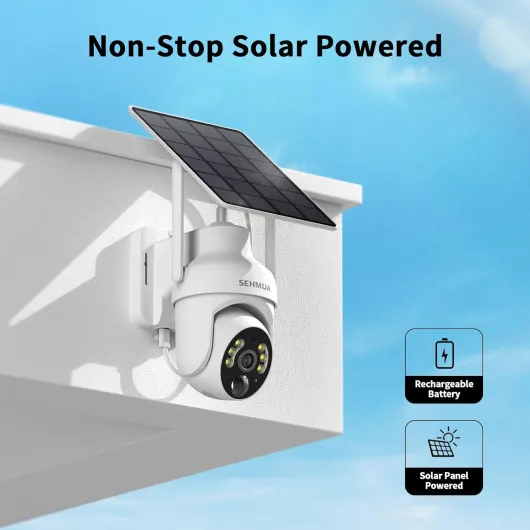
- + 2K resolution for clearer, more detailed video
- + 360° pan/tilt coverage to reduce blind spots
- + Wireless Wi‑Fi connectivity for flexible placement
- + Color night vision for better nighttime identification
- + Easy installation — quick setup advertised
Installation tips for optimal performance
Choosing the Right Location for Maximum Sunlight
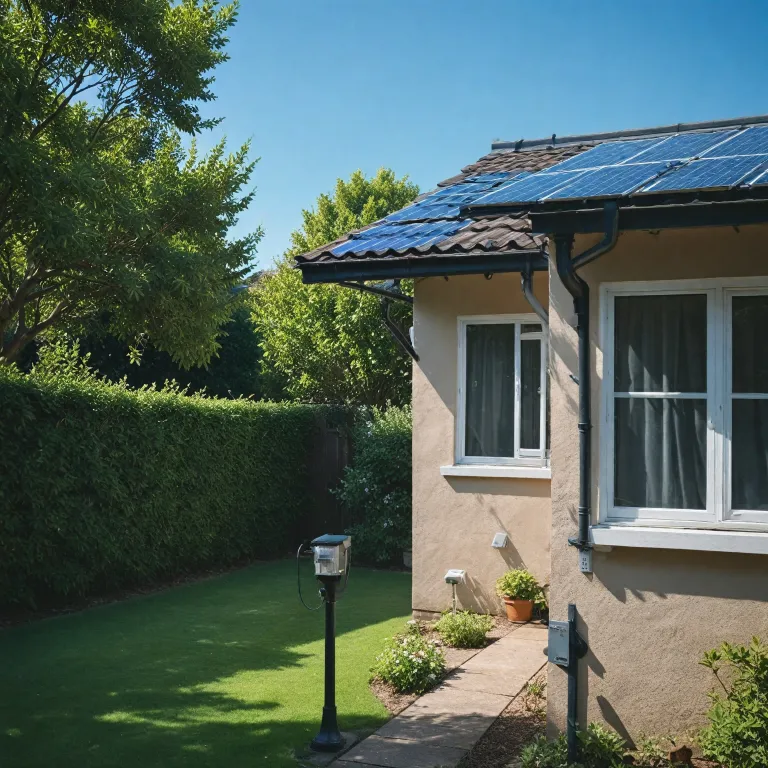
To get the best performance from your solar powered security camera, carefully select a spot with direct sunlight for most of the day. The solar panel should face south (in the northern hemisphere) and be free from shade caused by trees, roofs, or other obstacles. This ensures the battery stays charged and your camera remains powered, especially for outdoor models with features like night vision and motion detection.
Mounting Your Solar Panel and Camera Securely
Use the mounting hardware provided with your solar security camera kit. Make sure the panel is angled correctly to capture the most sunlight. For wireless outdoor cameras, double-check that the mount is stable and weather-resistant. If your camera supports pan tilt or has a wide field view, position it to cover entry points and high-traffic areas. Brands like Tapo, Google Nest, and Ring offer flexible mounting options for their best solar cameras.
Connecting the Solar Panel to the Camera
Follow the manufacturer’s instructions to connect the solar panel to your camera. Most solar cameras use a simple plug-and-play cable system. Ensure all connections are tight and weatherproof to prevent water damage. For battery powered models, confirm the battery is fully charged before installation. Some packs save time by including pre-charged batteries or quick-connect cables.
Optimizing for Night Vision and Motion Detection
Test your camera’s night vision and motion detection after installation. Make sure the area is well-lit by the camera’s infrared or color night vision capabilities. Adjust the camera’s angle if needed to avoid false alerts from moving branches or passing cars. High quality video and reliable motion alerts depend on both proper placement and a steady power supply from the solar panel.
Ensuring Reliable Wireless Connectivity
Place your wireless outdoor camera within range of your Wi-Fi router. Thick walls or long distances can weaken the signal, affecting video quality and smart features. Some cameras support dual-band Wi-Fi for better performance. If you experience connectivity issues, consider a Wi-Fi extender or repositioning your router for a stronger connection.
- Check the compatibility of your solar panel with your camera model before purchase. Many brands, including Tapo and Ring, offer dedicated solar panels for their security cameras.
- Compare price and features on trusted platforms like Amazon to find the best solar powered security camera for your needs.
- Read customer reviews to assess real-world performance, especially for features like night vision, battery life, and motion detection.
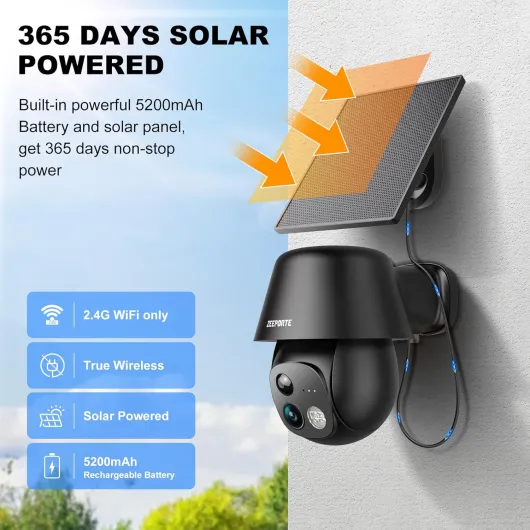
- + Solar-powered with battery backup for extended runtime
- + 2K resolution for sharper video and clearer details
- + 360° pan/tilt coverage reduces blind spots
- + AI motion detection for fewer false alerts
- + Spotlight & siren for active deterrence
Maintenance and care for long-lasting use
Keeping your solar security cameras in top shape
Regular maintenance is key to ensuring your solar powered security cameras deliver reliable performance, day and night. Outdoor conditions, dust, and changing weather can impact both the camera and the solar panel, so a little attention goes a long way.- Clean the solar panel regularly: Dust, leaves, and bird droppings can block sunlight, reducing the panel’s ability to charge the battery. Use a soft cloth and mild water to gently wipe the panel every few weeks, especially after storms or pollen-heavy seasons.
- Check the battery status: Most smart cameras, like Tapo or Google Nest, offer battery level indicators in their apps. Make it a habit to check battery health, especially if you notice shorter operating times or if the camera misses motion detection events at night.
- Inspect mounting and field of view: Outdoor security cameras can shift due to wind or accidental bumps. Confirm that your camera’s field view and pan tilt features are still aligned for the best coverage. This is crucial for wireless outdoor models and solar cameras that rely on optimal positioning for both power and video quality.
- Test night vision and motion detection: Periodically review recorded video clips to ensure color night vision and motion detection are working as expected. Adjust settings if you notice missed events or poor image quality.
- Update firmware and app: Manufacturers like Tapo, Amazon, and Google Nest regularly release updates to improve security, add features, and enhance performance. Keeping your camera and app updated ensures you get the best from your investment.
When to seek professional help
If you notice persistent issues—like the battery not charging despite sunny weather, or the camera losing connection—contact the manufacturer’s support. Sometimes, a faulty solar panel or battery may need replacement. For best solar security, always use original accessories and follow the brand’s guidelines for outdoor installation and care.Maximizing lifespan and performance
- Store spare batteries in a cool, dry place if your camera supports battery swaps.
- Avoid covering the solar panel with decorations or plants.
- For cameras wireless and powered security models, check that the solar panel receives direct sunlight for most of the day.
Comparing solar powered security cameras to traditional models
How Solar Powered Security Cameras Stack Up Against Traditional Models
When deciding between solar powered security cameras and traditional wired or battery powered models, it’s important to weigh several factors that impact performance, convenience, and overall value.- Power Source and Reliability: Solar cameras use a solar panel to recharge their battery, making them ideal for outdoor locations where running wires is difficult. Traditional security cameras often require a constant power supply or frequent battery changes, which can be inconvenient for remote areas.
- Installation Flexibility: With no need for electrical wiring, solar powered cameras are easier to install in various outdoor spots. This flexibility lets you place cameras where they’ll have the best field view and motion detection coverage, without worrying about proximity to power outlets.
- Maintenance and Upkeep: Solar cameras generally require less maintenance since their battery is continuously charged by the sun. However, it’s still important to keep the solar panel clean for optimal performance. Traditional cameras may need regular battery replacements or checks on power connections.
- Performance Features: Many solar security cameras now offer features like color night vision, pan tilt controls, and smart integration with platforms like Google Nest. The best solar models deliver high quality video, reliable night vision, and strong wireless outdoor connectivity, rivaling traditional cameras in most aspects.
- Cost Considerations: While the initial price of a solar powered camera or a solar panel kit can be higher, you may save money over time by avoiding electricity costs and reducing battery purchases. Many brands, including Tapo and Amazon’s best sellers, offer pack save deals for multiple cameras wireless setups.
- Limitations: Solar cameras depend on sunlight, so their battery performance can be affected by weather, shade, or placement. Traditional powered security cameras don’t have this limitation but may be less practical for outdoor areas without easy access to power.
| Feature | Solar Powered Cameras | Traditional Cameras |
|---|---|---|
| Power Source | Solar panel & battery | Wired or replaceable battery |
| Installation | Wireless, flexible placement | May require wiring |
| Maintenance | Clean panel, check battery | Replace batteries, check wiring |
| Night Vision | Color night vision available | Available, varies by model |
| Smart Features | Motion detection, pan tilt, app control | Similar features, may require hub |
| Best Use | Outdoor, remote, sun-exposed areas | Indoor or powered outdoor locations |