

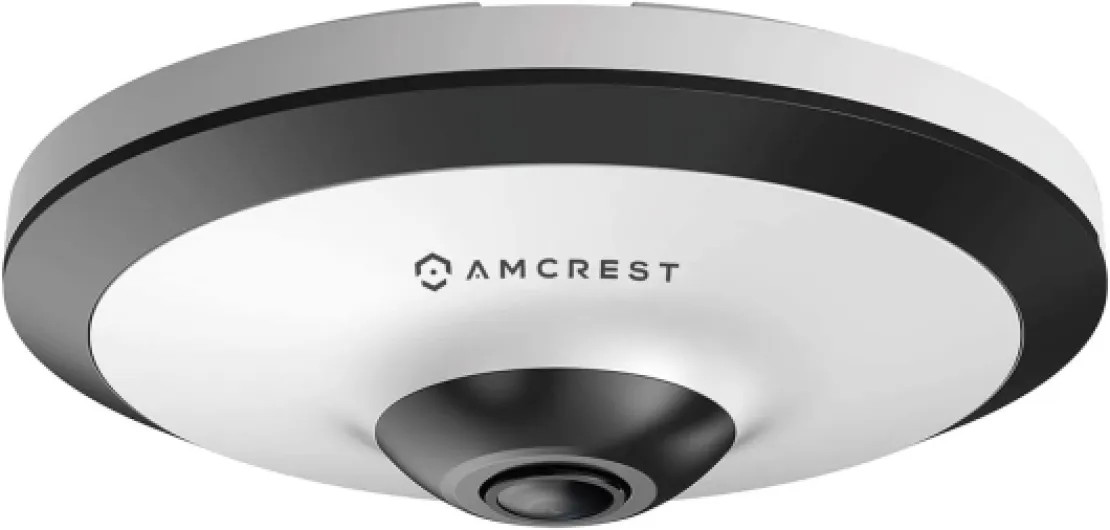
What is a fisheye camera and how does it work
How a Fisheye Lens Changes the Way You See Security Footage
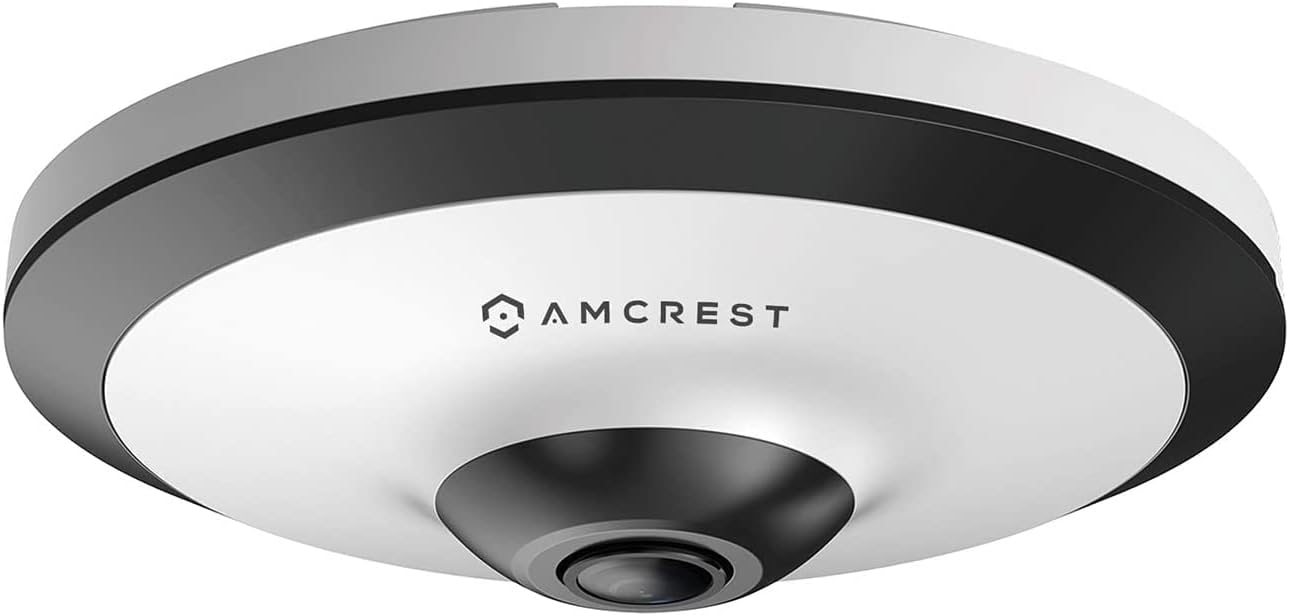
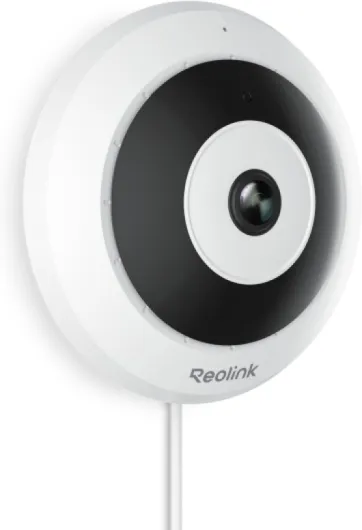
When you hear about a fisheye camera, you might picture those ultra-wide, slightly distorted images. That’s not far off. A fisheye camera uses a special fisheye lens to capture a much wider field of view than a standard security camera. Instead of the typical 90 to 120 degrees, a fisheye lens can cover up to 180 or even 360 degrees, depending on the model. This means you can monitor a larger area with just one camera, reducing blind spots and potentially saving on equipment costs.
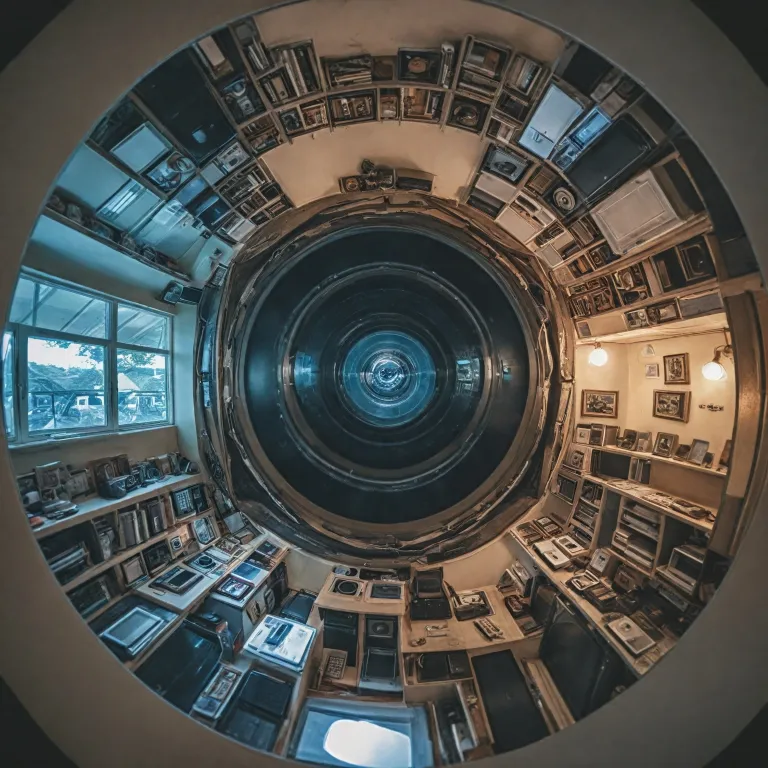
Fisheye cameras work by bending light through a curved lens, which is why the images look rounded or panoramic. The technology behind these lenses is designed to maximize coverage, making them popular for both indoor and outdoor fisheye security applications. You’ll often see them in dome camera formats, which help protect the lens and blend into the environment.
- Wide angle coverage: One fisheye camera can replace several traditional security cameras in some setups.
- Motion detection: Many fisheye cameras offer advanced motion detection and video analytics, helping you focus on real time events.
- Plug and play: Most modern fisheye cameras are easy to add to your existing security system, often supporting features like night vision, cloud storage, and even a card slot for local video recording.
- NDAA compliant options: For those concerned about compliance, there are fisheye cameras that meet strict security standards.
These features make fisheye cameras a strong addition to any security camera series, especially if you want to compare coverage and flexibility. If you’re interested in how these cameras can be used for construction site monitoring, check out this in-depth look at construction camera benefits.
As you learn more about fisheye cameras, you’ll see how they can enhance your overall security setup. The next sections will dive deeper into the specific benefits, challenges, and practical uses, helping you make an informed decision about adding a fisheye lens to your Ring camera system.

Benefits of using a fisheye camera with your ring camera system
Expanding Your Home Security Coverage
Adding a fisheye camera to your Ring camera system can significantly improve your home security setup. The main advantage comes from the fisheye lens, which offers a much wider field of view compared to traditional security cameras. This means you can monitor larger areas with a single device, reducing blind spots and making it easier to keep an eye on your property.
- Wide angle coverage: Fisheye cameras capture a panoramic view, often up to 180 or even 360 degrees. This is especially useful for monitoring open spaces, driveways, or large rooms.
- Efficient motion detection: With a broader field of view, the camera can detect motion across a wider area. This increases the chances of capturing important events in real time, whether it’s a delivery or unexpected movement at night.
- Fewer cameras needed: Because a single fisheye security camera can cover what would normally require several standard cameras, you can simplify your setup and potentially save on costs.
- Seamless integration: Many fisheye cameras are plug play and compatible with existing Ring systems. Some models even offer advanced video analytics and cloud storage for easy access and review.
- Versatile installation: Dome camera designs and outdoor fisheye models are available, allowing you to choose the best product based on your needs, whether it’s for indoor or outdoor use.
When you compare different security cameras, the unique benefits of a fisheye lens become clear. The ability to monitor wide areas with fewer devices is a strong reason to consider adding a fisheye camera to your security system. For more insights on how these cameras fit into the broader world of home security, you can explore the world of Ring cameras and see how they stack up against other options.
Keep in mind, image quality and video clarity are important factors to consider, especially when using a wide angle lens. Also, always check if the camera is NDAA compliant if you have specific regulatory needs. Some models offer night vision, SD card slot for local storage, and enhanced motion detection, making them a versatile choice for modern security needs.
Common challenges when installing a fisheye camera
Installation hurdles with fisheye cameras
Adding a fisheye camera to your security setup can be a smart move, but it’s not always as simple as plug and play. Many users learn quickly that the unique design of a fisheye lens, while great for a wide field of view, brings its own set of challenges during installation. Here’s a list of common issues people encounter when integrating a fisheye security camera into their system:
- Mounting and placement: The dome shape and wide angle of a fisheye camera mean you need to be strategic about where you install it. Placing it too close to a wall or corner can limit its 360-degree view, reducing the effectiveness of the lens.
- Wiring and power: Some fisheye cameras require more complex wiring, especially if you’re adding features like night vision or real time video analytics. Outdoor fisheye models may need weatherproofing and extra protection for cables.
- Compatibility: Not all security camera systems support the advanced video analytics or motion detection features of fisheye cameras. It’s important to compare your current product series and check if your system is NDAA compliant or supports cloud storage and card slot recording.
- Configuration: Setting up motion detection zones or customizing the field of view can be more complex with a fisheye lens. The camera’s software may require extra steps to calibrate the wide angle and avoid false alerts.
For those interested in maximizing their camera’s potential, it’s worth learning about continuous recording options. This can help you capture every moment, but it may also require additional cloud storage or a compatible card slot. If you want to learn more about continuous recording and how it compares to standard motion-based recording, check out this in-depth guide on continuous recording cameras.
Ultimately, while fisheye cameras offer a wide field of view and advanced features, careful planning and product research are key to a smooth installation and optimal security coverage.
Image quality and video clarity considerations
How the Fisheye Lens Impacts Video Quality
When you add a fisheye camera to your security setup, the lens design plays a big role in what you see. The fisheye lens is known for its ultra wide angle, often offering a field view up to 180 degrees or more. This means you can monitor a much larger area with a single camera, reducing blind spots compared to traditional dome cameras or standard security cameras.
- Wide coverage: The main advantage is the panoramic view. One fisheye camera can cover what might take two or three regular cameras.
- Distortion: The curved lens does create some distortion at the edges. While this is normal for fisheye cameras, it can make objects near the edge look stretched or bent. Some products offer software correction to help with this.
- Resolution: Because the camera covers a wide area, the video resolution per area can be lower than a narrow field camera. If you need to zoom in for details, image clarity may drop, especially at night or in low light.
- Night vision: Many outdoor fisheye models include infrared night vision. However, the effectiveness depends on the quality of the lens and the camera sensor. Comparing night vision performance across different fisheye security cameras is important if you need clear footage after dark.
- Video analytics: Modern fisheye cameras often include real time video analytics, motion detection, and even cloud storage options. These features help you learn more about what’s happening on your property, but the accuracy of motion detection can be affected by the wide angle and lens distortion.
Factors That Influence Clarity and Detail
Several factors affect how clear your video will be with a fisheye security camera:
- Camera sensor quality: Higher quality sensors capture more detail, even with a wide angle lens.
- Lighting conditions: Good lighting improves clarity. At night, look for cameras with strong infrared LEDs and advanced night vision.
- Installation height and angle: Mounting the camera too high or at the wrong angle can reduce detail in the video. Dome cameras and plug play models offer flexible mounting options, but always follow product guidelines for best results.
- Video storage: Whether you use a cloud service or a card slot for local storage, make sure your system supports high resolution video files to avoid losing detail during playback.
When you compare fisheye cameras to other security camera types, the trade-off is usually between a wider field view and the level of detail you can see in each part of the image. For most home security needs, the benefits of broad coverage and advanced motion detection outweigh the minor loss in image sharpness at the edges. If you want to learn more about how different camera lens types impact your security system, check the product specifications and look for ndaa compliant models for added peace of mind.
Privacy concerns and data protection
Balancing Security and Personal Privacy
When adding a fisheye camera or any wide angle security camera to your home, privacy concerns are a top priority. The fisheye lens offers a broad field of view, which is great for motion detection and real time video analytics, but it also means the camera might capture more than intended. For example, a dome camera with a 360-degree view could record neighboring properties or public areas, raising questions about data protection and responsible use.- Data Storage: Many fisheye cameras, including outdoor fisheye and dome models, store footage in the cloud or on a card slot. Always check where your video is saved and how long it’s retained. Opt for products that let you manage your data and delete recordings when needed.
- Access Control: Limit who can view your security camera feeds. Most modern cameras allow you to set permissions based on user roles, helping you keep sensitive footage private.
- Encryption: Look for ndaa compliant products that use encryption for both video transmission and storage. This helps protect your footage from unauthorized access.
- Legal Compliance: Learn about local regulations regarding video surveillance. Some areas require you to notify visitors or neighbors if your cameras record shared spaces.
Transparency and Responsible Use
Using a fisheye security camera with advanced features like night vision and video analytics can enhance your security, but it’s important to be transparent about their presence. Post clear signs indicating that cameras are in use. This not only builds trust but also helps deter unwanted activity. When you compare different camera products, consider how each handles privacy. Some plug play models offer privacy masks, letting you block out certain parts of the field view from being recorded. This is especially useful if your fisheye camera covers both private and public areas. In summary, while fisheye cameras provide comprehensive coverage and motion detection for your security system, always prioritize privacy. Choose products that give you control over your data and respect the privacy of others.Practical uses for fisheye cameras in home security
Everyday Scenarios Where Fisheye Cameras Shine
Fisheye cameras have become a popular addition to home security systems, especially for those looking to maximize their field of view. Thanks to their wide angle lens, these cameras can cover large areas that would otherwise require multiple standard security cameras. Here are some practical ways homeowners are using fisheye cameras to enhance their security:
- Wide Area Monitoring: A single fisheye security camera can monitor an entire room, garage, or outdoor space. This reduces blind spots and the need to install several cameras, making it easier to keep an eye on your property.
- Entryway and Driveway Coverage: Placing a dome camera with a fisheye lens at main entrances or driveways allows you to capture all movement, day or night. Night vision features in many models ensure you don’t miss any activity after dark.
- Real-Time Motion Detection: Many fisheye cameras offer advanced motion detection and video analytics. This means you’ll receive alerts when unusual activity is detected, helping you respond quickly to potential security threats.
- Plug and Play Installation: Modern outdoor fisheye cameras are often plug play, making them easy to add to your existing security camera series without complicated setup. Some models even include a card slot for local video storage, reducing reliance on cloud services.
- Flexible Placement: The dome design and wide field view of fisheye cameras make them suitable for both indoor and outdoor use. Whether you need to monitor a backyard, living room, or business lobby, these cameras adapt well to different environments.
Comparing Fisheye Cameras with Traditional Security Solutions
When you compare a fisheye camera to a traditional security camera, the main advantage is the panoramic view. Instead of stitching together footage from several cameras, you get a seamless, 360-degree video feed. This is especially useful for large, open spaces where a single camera can do the work of several. Plus, with features like NDAA compliant options and real time video streaming, you can trust that your security system meets industry standards and keeps you informed as events unfold.
Choosing the Right Product for Your Needs
When selecting a fisheye camera, consider factors like night vision, motion detection, and whether you need a dome or standard design. Some products are better suited for outdoor use, while others excel indoors. Look for models with robust video analytics and a wide angle lens to maximize your coverage. If you want to learn more about how different camera types compare or how to add a fisheye camera to your existing system, be sure to research product reviews and technical specifications before making a purchase.