

What sets lts cameras apart in home security
Distinctive Qualities of LTS Security Cameras
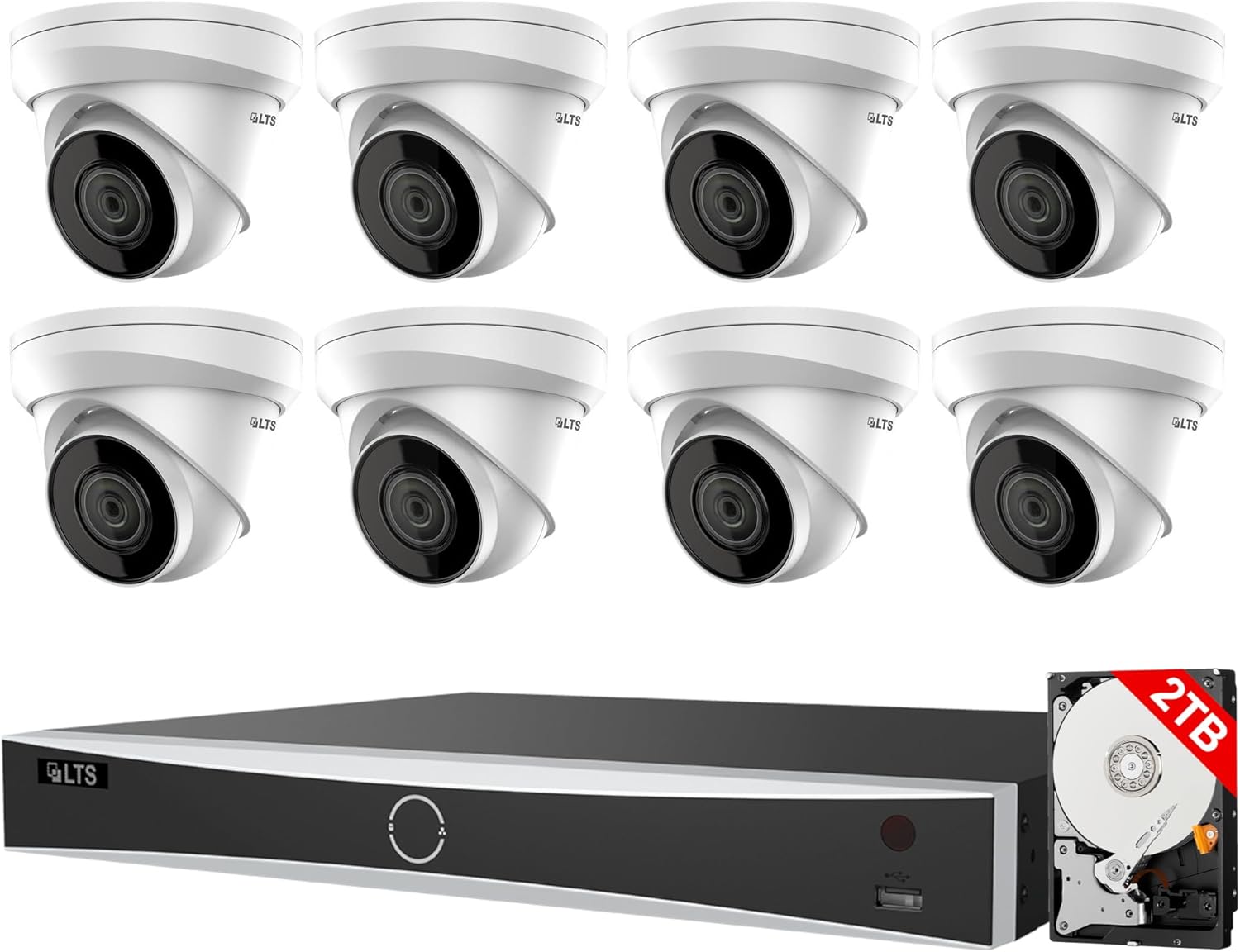
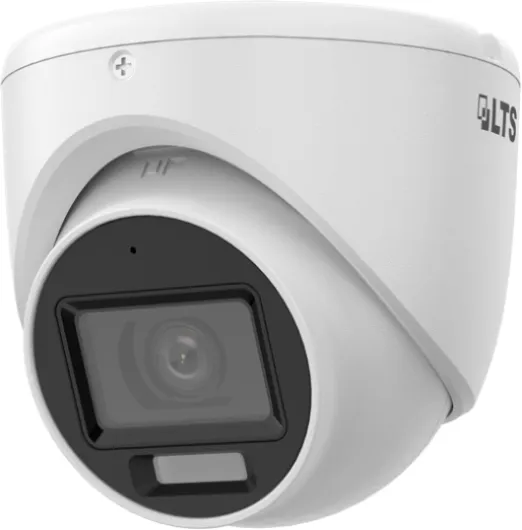
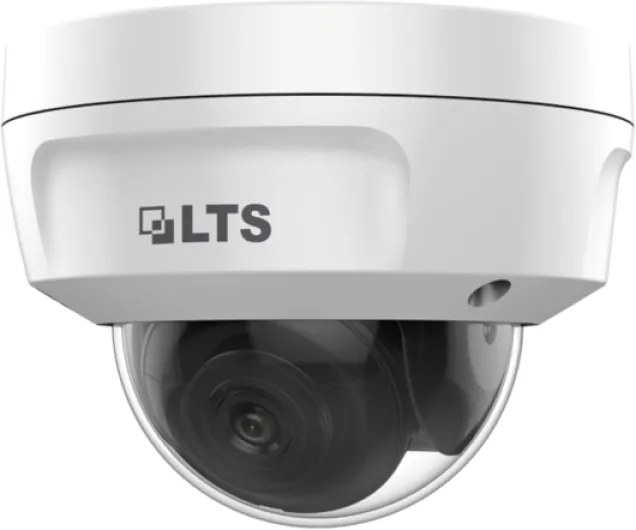
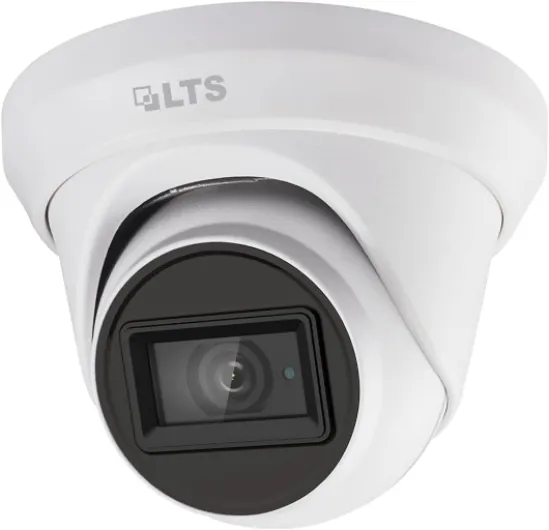
LTS cameras have become a popular choice in the security camera market, especially for homeowners seeking reliable surveillance. What makes an LTS camera stand out is its blend of advanced technology and practical features tailored for both indoor and outdoor use. Whether you are considering a turret, bullet, or dome type, LTS offers a range of options that cater to different needs, including night vision, motion detection, and weather-resistant builds.
- Versatile Lens and Sensor Options: LTS security cameras are equipped with high-quality lenses and sensors, ensuring clear images in various lighting conditions. The color night vision capability is particularly useful for identifying details after dark.
- Durable Build for Outdoor Use: Many LTS cameras, such as the LTS CMIP and LTS CMHT series, are designed to withstand harsh weather. Their robust construction and white finish help them blend into most exteriors while providing reliable protection.
- Integrated Audio and Motion Detection: Some models feature a built mic, allowing for audio recording alongside video. Motion detection technology helps reduce false alarms and ensures you are alerted only when necessary.
- Flexible Network and CCTV Integration: LTS cameras support both network (IP) and traditional CCTV camera systems, making them suitable for upgrades or new installations. The LTS Connect platform simplifies remote monitoring and management.
- Wide Range of Viewing Angles: With options for optical zoom and different lens types, LTS cameras can cover large areas or focus on specific points of interest, enhancing overall security coverage.
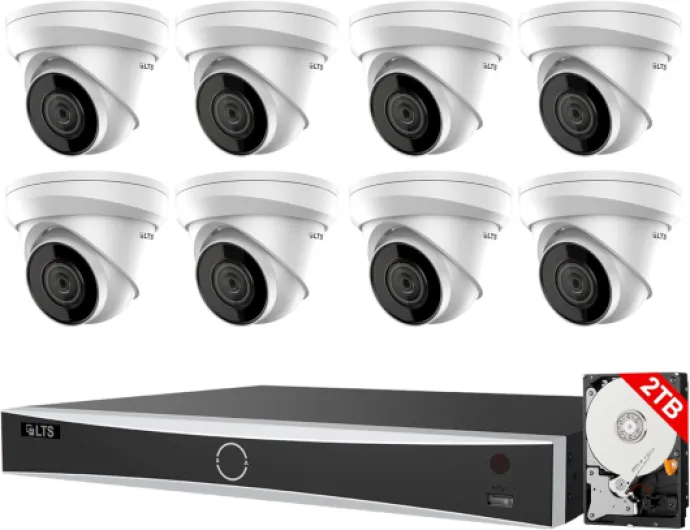
For those comparing security solutions, LTS stands out for its combination of performance, adaptability, and value. If you are interested in maximizing your investment, you might want to explore the best deals on camera bundles to find a package that fits your needs and budget.
As you continue your research, keep in mind the importance of key features, installation tips, and how these cameras integrate with smart home systems. Each of these aspects will help you make an informed decision about your security camera system.

Key features to look for in lts cameras
Essential Elements for Choosing Your LTS Security Camera
When evaluating LTS cameras for your security needs, it’s important to focus on the features that truly make a difference in real-world use. Here’s a breakdown of what to consider before making your decision.
- Camera Type and Design: LTS offers a range of camera types, including turret, dome, and bullet models. Turret cameras, like the popular LTS CMIP series, are known for their flexibility and easy installation, while dome cameras provide a discreet look for indoor or outdoor use.
- Resolution and Sensor Quality: Higher resolution means clearer images. Look for cameras with advanced sensors that deliver crisp video, even in challenging lighting. The Pro Series and CMIP MDA models are built for high-definition clarity, making them suitable for both home and business environments.
- Night Vision Capabilities: Security doesn’t stop when the sun goes down. LTS cameras with night vision and color night vision features use infrared sensors to capture clear footage in low-light conditions. Some models, like the LTS CMHT and CMIP SDL, offer enhanced night vision for outdoor surveillance.
- Field of View and Lens Options: The lens type and optical zoom determine how much area your camera can cover. Wide-angle lenses provide broader coverage, while optical zoom allows you to focus on specific details without losing image quality. Consider your property layout when choosing the right lens.
- Audio Features: Built-in microphones (built mic) are available in many LTS cameras, enabling audio recording for added security. This is especially useful in situations where you need to capture conversations or sounds as part of your surveillance.
- Weather Resistance and Durability: For outdoor installations, ensure your camera is rated for weather resistance. LTS outdoor models are designed to withstand rain, dust, and extreme temperatures, with robust housings in white or other finishes to match your property.
- Connectivity and Network Integration: LTS cameras support both wired (CCTV) and network (IP) setups. Models like the LTS Connect series offer seamless integration with your existing camera system, supporting remote access and real-time alerts.
- Motion Detection and Smart Features: Motion detection is a key feature for proactive security. LTS cameras can send instant notifications when movement is detected, helping you respond quickly to potential threats. Some models also support advanced analytics for more accurate alerts.
For those interested in the technical aspects of connecting multiple cameras or expanding their system, understanding the role of an axis splitter in Ring cameras can be helpful, especially when integrating LTS cameras with other security solutions.
As you explore LTS security cameras, keep these features in mind to ensure you select the right model for your needs. The right combination of lens, sensor, night vision, and smart capabilities will provide peace of mind and reliable protection for your property.
Installation tips for lts cameras
Preparing for a Smooth LTS Camera Installation
Getting your LTS security cameras up and running doesn’t have to be complicated, but a few careful steps can make a big difference. Whether you’re installing a turret, dome, or bullet camera, planning ahead helps ensure your camera system performs at its best, day and night.
- Choose the right location: Place your LTS camera where it covers the most important areas, like entry points or driveways. Consider the field of view and avoid obstructions that could block the lens or sensor.
- Account for lighting conditions: For outdoor cameras, make sure the location offers good lighting or that your camera supports night vision. LTS pro series and cmip models often come with built-in infrared for clear images in low light.
- Weather and durability: If you’re mounting your camera outdoors, check that it’s rated for weather resistance. LTS security cameras are typically built to withstand rain and dust, but always verify the IP rating.
- Power and network setup: Decide if you’ll use PoE (Power over Ethernet) or a separate power supply. Network cameras like the LTS cmip or cmip mda models often use PoE for easier cabling. For more on selecting the right cable, see this guide on choosing the right camera cable.
- Mounting hardware: Use the correct brackets and anchors for your wall type. White turret and bullet cameras may require different mounts. Secure the camera firmly to avoid vibrations that could affect image quality.
- Camera angle and height: Position your camera at a height that deters tampering but still captures faces and details. Adjust the lens and optical zoom if available, especially on pro series models, to get the best view.
- Test before finalizing: Temporarily power up your security camera and check the live feed. Make sure motion detection, night vision, and built mic features work as expected before tightening everything down.
Remember, integrating your LTS cameras with your existing cctv camera system or network video recorder (NVR) is easier if you plan cable runs and network access points in advance. Shipping delays can happen, so order your cameras, mounts, and cables early to avoid project holdups. With the right preparation, your LTS security solution will deliver reliable surveillance and peace of mind.
How lts cameras integrate with smart home systems
Smart Home Compatibility and Integration
Integrating LTS cameras into a smart home system is increasingly important for homeowners who want a seamless security experience. Many LTS security cameras, including popular models like the LTS CMIP and LTS CMHT, are designed to work with leading smart home platforms. This means you can monitor your camera system, receive motion detection alerts, and control settings directly from your smartphone or smart display.
Connecting LTS Cameras with Other Devices
LTS cameras often support ONVIF and RTSP protocols, making them compatible with a wide range of network video recorders (NVRs), home automation hubs, and third-party security systems. Whether you have a pro series turret camera or a white outdoor bullet camera, integration is usually straightforward. Features like built-in microphones (built mic) and advanced sensors allow for two-way audio and enhanced night vision, adding another layer of security to your smart home setup.
- LTS Connect App: This app lets you view live feeds, playback recordings, and adjust settings for your LTS cameras, including models like the CMIP MDA and CMIP SDL, from anywhere.
- Voice Assistant Support: Some LTS security cameras can be linked to voice assistants, allowing you to view camera feeds on smart displays or TVs with simple voice commands.
- Automated Alerts: Motion detection and sensor triggers can be set to send instant notifications to your phone or trigger other smart devices, such as lights or alarms.
Optimizing Integration for Security and Convenience
For the best results, ensure your LTS camera system is connected to a reliable network. Wired connections are often preferred for outdoor cameras to maintain stable video quality, especially for models with high-resolution lenses and optical zoom. When integrating with other smart devices, check compatibility lists and firmware updates to avoid common issues. LTS cameras, including the CCTV camera and camera LTCHMT models, are built to support a variety of smart home scenarios, from basic surveillance to advanced automation.
With the right setup, your LTS security cameras can become a central part of your smart home, offering reliable monitoring, color night vision, and flexible control options for enhanced peace of mind.
Comparing lts cameras to other security solutions
How LTS Cameras Measure Up Against Other Security Solutions
When considering a security camera system, it’s important to compare LTS cameras with other available options. Each system has its strengths, but LTS security cameras are recognized for their balance of advanced features, reliability, and adaptability.- Camera Types and Versatility: LTS offers a wide range of camera types, including turret, bullet, and dome models. This variety allows users to select the best fit for their specific needs, whether it’s a cmip turret for outdoor use or a cmht dome for indoor monitoring. Many competitors focus on a narrower range of models, which can limit flexibility.
- Night Vision and Image Quality: LTS cameras are equipped with high-quality sensors and advanced night vision capabilities. Features like color night vision and built-in IR LEDs ensure clear footage even in low-light conditions. While some cctv cameras from other brands offer night vision, the clarity and color accuracy of LTS pro series models often stand out.
- Integration and Connectivity: LTS cameras are designed for seamless integration with network video recorders and smart home systems. The lts connect app allows for remote access and motion detection alerts, making it easier to monitor your property. Some other camera systems may require additional hardware or subscriptions for similar features.
- Build Quality and Durability: Many LTS cameras, such as the cmip mda and ltcmip mda, are built for outdoor use with weather-resistant housings. This ensures longevity and reliable performance in various conditions. Not all cctv camera brands offer the same level of outdoor durability or protection against the elements.
- Audio and Additional Features: Select LTS models come with a built mic for audio recording, adding another layer of security. Features like optical zoom and wide-angle lens options provide flexibility in monitoring large areas. These features are not always standard in other security camera systems.
| Feature | LTS Cameras | Other CCTV Cameras |
|---|---|---|
| Camera Types | Turret, dome, bullet, pro series | Limited selection |
| Night Vision | Color, IR, advanced sensors | Standard IR, less color accuracy |
| Outdoor Durability | Weather-resistant, robust build | Varies, not always weatherproof |
| Audio | Built mic in select models | Often not included |
| Integration | Smart home, network, lts connect | May require extra hardware |
Troubleshooting common issues with lts cameras
Quick fixes for common camera issues
Even the most reliable LTS security cameras can run into occasional problems. Whether you’re using a turret, dome, or bullet camera, knowing how to troubleshoot basic issues can save time and frustration. Here are some practical steps for resolving frequent concerns with LTS cameras, including models like LTS CMIP, LTS CMHT, and Pro Series.
- No video signal: Check the network connection and power supply first. For cctv cameras using PoE, ensure the cable is securely connected and the switch is functioning. For analog systems, inspect the BNC connectors and cables for damage.
- Poor night vision: If your camera’s night vision is not working, clean the lens and check for obstructions. Make sure the infrared LEDs are not blocked and the sensor is set to the correct mode. Some LTS cameras offer color night vision, so verify the settings in your camera system’s software.
- Motion detection not triggering: Adjust the sensitivity settings in the LTS Connect app or your NVR. Ensure the camera’s view is not obstructed and that the motion detection area is properly defined. Firmware updates can also improve detection accuracy.
- Image quality issues: Blurry or distorted images may be caused by a dirty lens or incorrect focus. Clean the lens gently and, if your camera supports optical zoom, adjust it for a clearer view. Check the camera’s resolution settings, especially for models like CMIP MDA or CMIP SDL.
- Audio problems with built-in mic: For cameras with a built mic, confirm the audio input is enabled in the software. Test the microphone by recording audio and playing it back through the system. If there’s still no sound, inspect the wiring and connections.
- Outdoor camera concerns: For outdoor models, ensure the camera housing is intact and weatherproof seals are undamaged. White balance issues can occur in direct sunlight, so adjust the camera’s settings for optimal color accuracy.
- Shipping and installation issues: If your camera arrived with physical damage or missing parts, contact your supplier immediately. Always use the correct mounting hardware for your camera type to avoid future problems.
When to seek professional support
If troubleshooting doesn’t resolve the issue, it may be time to consult with an LTS security expert or your system integrator. Persistent network errors, sensor malfunctions, or system-wide failures often require specialized tools and knowledge. For large camera systems or advanced features like MDA analytics, professional assistance ensures your security cameras operate at their best.
Keeping your system up to date
Regularly updating your camera firmware and management software helps prevent many common issues. LTS Connect and similar platforms often release updates to enhance compatibility, improve motion detection, and support new camera models. Staying current with these updates is key to maintaining a reliable and secure camera system.