

Understanding solar wireless security cameras
What Makes Solar Wireless Security Cameras Unique?
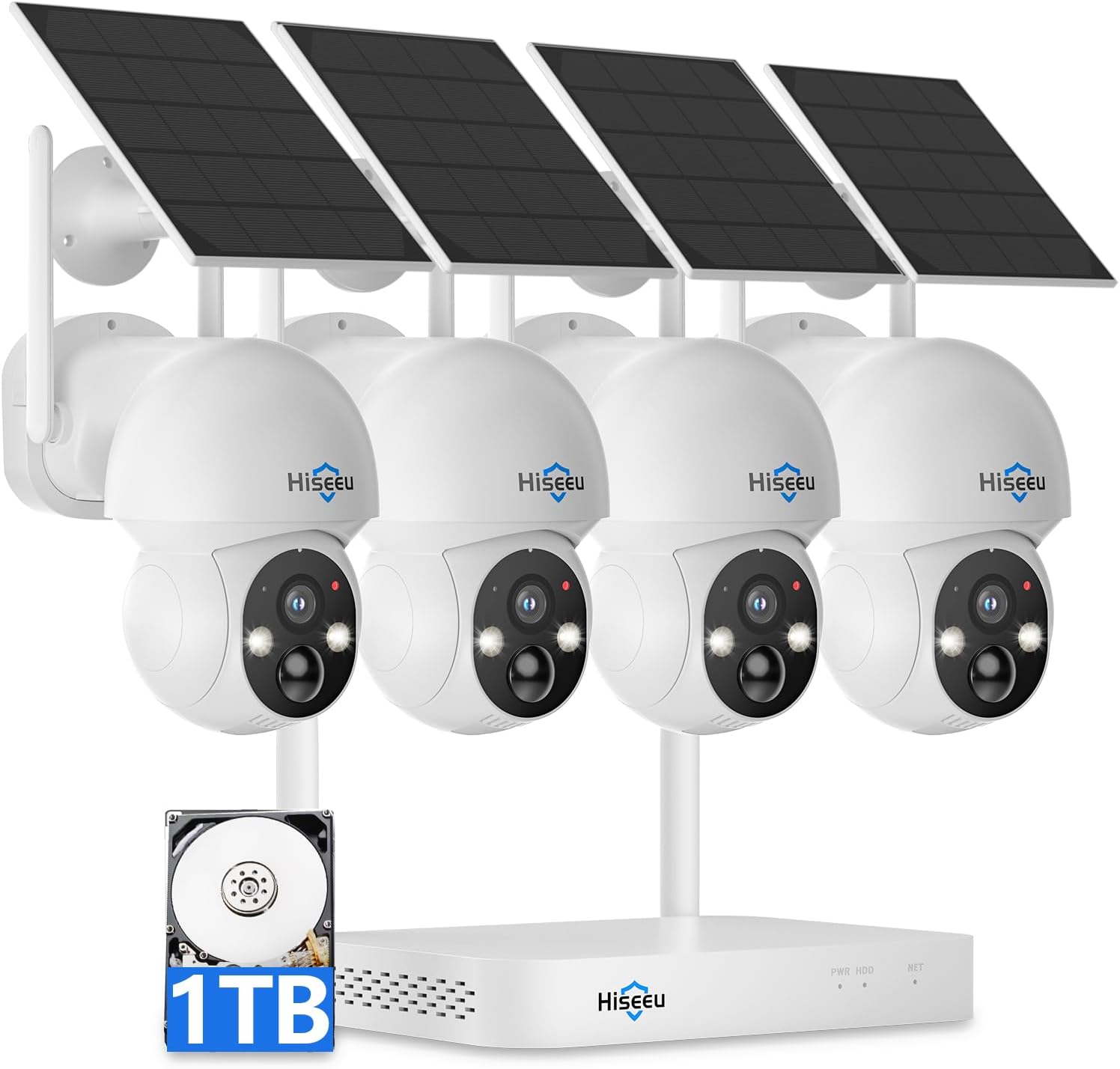
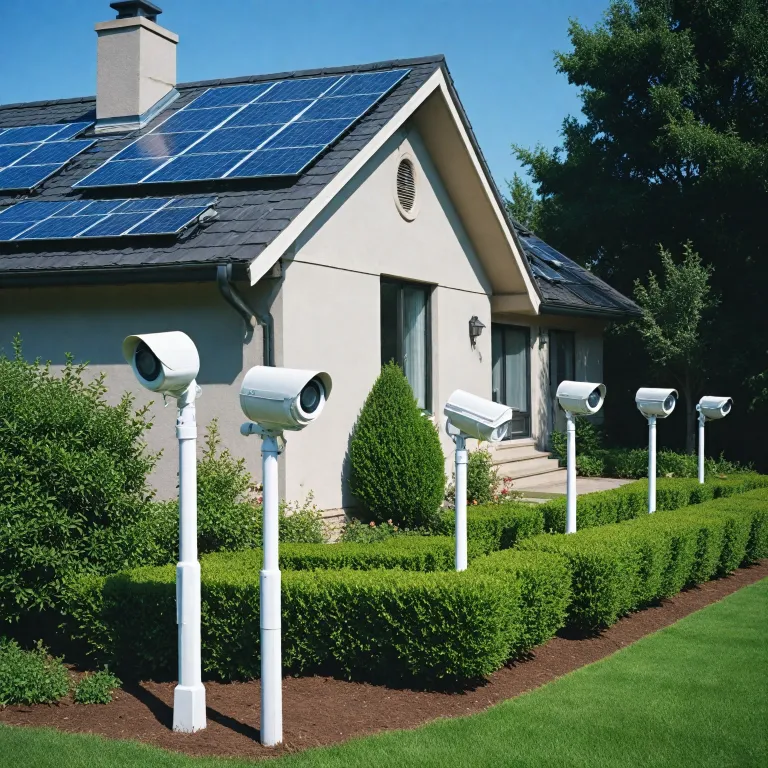
Solar wireless security cameras are transforming the way homeowners approach outdoor surveillance. Unlike traditional security cameras that rely on wired power sources, these devices use a solar panel to harness energy from the sun. This means they can operate independently of your home's electrical system, making them ideal for remote areas or places where wiring is difficult.
Most solar-powered cameras feature a built-in battery. The solar panel charges this battery during the day, ensuring the camera remains powered even at night or during cloudy weather. This setup is especially useful for outdoor security, where consistent power is crucial for reliable motion detection and continuous video recording.
How Do Solar Wireless Cameras Work?
These cameras combine wireless connectivity with solar technology. The camera connects to your Wi-Fi network, allowing you to view live video feeds or receive alerts on your smartphone. The solar panel, often mounted nearby, keeps the battery charged. Some models, like the Tapo and Google Nest outdoor security cameras, are known for their strong battery life and high-quality night vision, offering clear footage even in low-light conditions.
- Wireless installation: No need for complex wiring, making setup straightforward.
- Battery powered: Ensures continuous operation, even when sunlight is limited.
- Smart features: Many models offer motion detection, two-way audio, and integration with smart home systems.
Popular Features and Considerations
When choosing the best solar wireless security camera, consider the field of view, video quality, and battery capacity. Some cameras offer color night vision, while others focus on extended battery life or enhanced motion detection. Price can vary depending on features, with some brands offering pack save deals or regular price discounts.
For a deeper dive into how solar-powered cameras like the Ring Solar Cam are changing home surveillance, check out this guide on the benefits of the Ring Solar Cam.
As you explore your options, remember that the right solar security camera can help you save on energy costs, reduce maintenance, and provide peace of mind with reliable, high-quality surveillance.
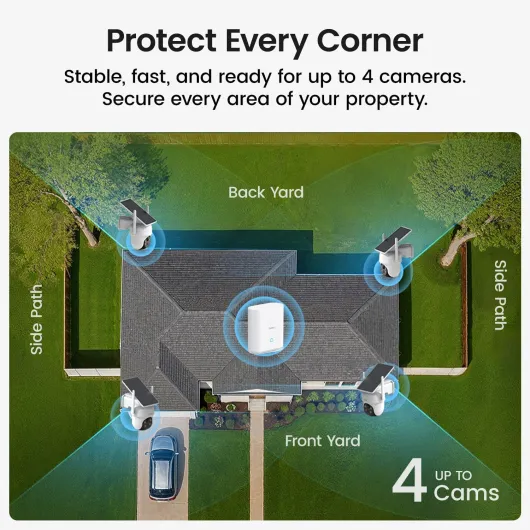
- + No subscription required — use locally without recurring fees
- + Solar-powered for extended, cable-free operation
- + Wireless design allows flexible placement and easy installation
- + 360° pan & tilt with auto-tracking for broad coverage
- + 2K color night vision improves low-light detail compared with basic IR

Key benefits of solar-powered surveillance
Why Solar Power Makes a Difference
Solar wireless security cameras are reshaping the way homeowners protect their property. By harnessing the sun’s energy through a solar panel, these cameras offer a reliable and eco-friendly alternative to traditional wired or battery powered security cameras. This means you can place your outdoor security camera almost anywhere, without worrying about running power cables or frequently changing batteries. The solar panel keeps the battery charged, so your camera stays powered even during extended periods of cloudy weather, as long as there’s some daylight.
Key Advantages for Homeowners
- Continuous Power Supply: Solar powered cameras reduce the risk of downtime. As long as the solar panel receives enough sunlight, your security camera remains active, providing peace of mind day and night.
- Lower Maintenance: With solar energy keeping the battery topped up, there’s less need for manual recharging or battery swaps. This is especially helpful for cameras installed in hard-to-reach outdoor spots.
- Cost Savings: While the regular price of solar security cameras can be higher than traditional models, you save on electricity bills and battery replacements over time. Some brands even offer pack save deals, making it more affordable to secure multiple areas.
- Flexible Placement: Without the need for a nearby power outlet, you can install your wireless cam in the best field view locations for optimal coverage. This flexibility is a big advantage over wired systems.
- Smart Features: Many solar powered security cameras come with advanced features like motion detection, color night vision, and integration with smart home platforms such as Google Nest or Tapo. These capabilities enhance both security and convenience.
Performance in Different Conditions
Modern solar security cameras are designed to work in various weather conditions. High quality models maintain battery life even in less sunny climates, though performance may vary based on the amount of sunlight your panel receives. Night vision and video quality are also important factors. The best solar powered cameras offer clear color night vision, ensuring your outdoor security is not compromised after dark.
Environmental and Practical Benefits
Choosing a solar powered security camera is not just about convenience and savings. It’s also a step toward sustainable living. By reducing reliance on grid electricity, you lower your carbon footprint. Plus, with wireless installation, you avoid drilling holes or running unsightly wires around your property.
For those interested in expanding solar solutions beyond cameras, consider enhancing your mailbox with solar powered lighting for added curb appeal and security.
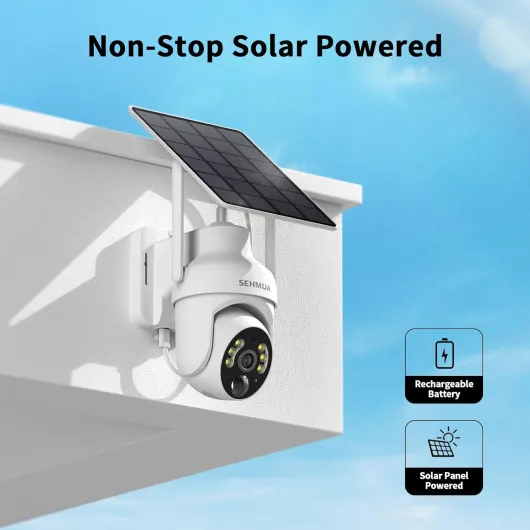
- + 2K resolution for clearer, more detailed video
- + 360° pan/tilt coverage to reduce blind spots
- + Wireless Wi‑Fi connectivity for flexible placement
- + Color night vision for better nighttime identification
- + Easy installation — quick setup advertised
Challenges and limitations to consider
Potential Drawbacks of Solar Wireless Security Cameras
While solar wireless security cameras offer many advantages for outdoor surveillance, they are not without their challenges. Understanding these limitations helps you make informed decisions and set realistic expectations for your home security setup.
- Dependence on Sunlight and Weather: Solar-powered cameras rely on sunlight to recharge their batteries. In areas with frequent cloudy days, heavy shade, or long winters, the solar panel may not generate enough power to keep the camera running at its best. This can impact battery life and the reliability of your security system, especially for cameras with features like continuous video recording or color night vision.
- Battery Performance: Even the best solar security cameras depend on battery storage. Over time, battery capacity can decrease, especially in extreme temperatures. If the battery drains faster than the solar panel can recharge it, you may experience downtime or need to manually recharge the camera.
- Installation Limitations: Placement is crucial for optimal performance. The solar panel needs direct sunlight for most of the day, which may not be possible in every outdoor location. If you need to mount your camera in a shaded area or on a pole, you might need extra accessories or creative solutions. For guidance on secure and flexible installation, check out this guide to pole mounting your Ring camera.
- Price and Value: Solar wireless cameras often come at a higher regular price compared to traditional wired or battery-powered security cameras. While you can save on energy costs over time, the upfront investment for the camera, solar panel, and any additional accessories can be significant. Some brands offer pack save options, but it’s important to compare the price and features with other outdoor security solutions.
- Performance at Night: Night vision quality can vary between models. Some solar security cameras offer color night vision, while others rely on infrared. If the battery is low, night vision or motion detection features may be limited, affecting the overall security coverage during nighttime hours.
- Smart Features and Compatibility: Not all solar-powered cameras integrate seamlessly with smart home systems like Google Nest or Tapo. Check compatibility and the availability of features such as motion detection, field view, and video quality before choosing the best solar security camera for your needs.
Despite these challenges, many users find that solar wireless security cameras deliver reliable outdoor surveillance and help save on energy costs. Carefully consider your environment, power needs, and the quality of the camera before making a purchase.
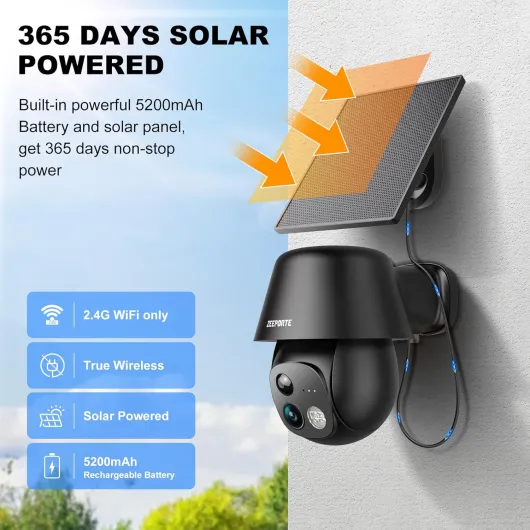
- + Solar-powered with battery backup for extended runtime
- + 2K resolution for sharper video and clearer details
- + 360° pan/tilt coverage reduces blind spots
- + AI motion detection for fewer false alerts
- + Spotlight & siren for active deterrence
Installation tips for optimal performance
Getting the Most from Your Solar Security Cameras
Proper installation is key to maximizing the performance and battery life of your solar powered security cameras. Whether you’re setting up a single cam or a pack save bundle, a few practical steps can help ensure your outdoor cameras deliver reliable video and motion detection, day and night.
- Choose the right location: Place your solar panel where it receives direct sunlight for most of the day. Avoid shaded areas caused by trees, roofs, or other obstacles. This helps maintain consistent power and keeps your battery charged, especially for cameras with night vision or color night capabilities.
- Angle matters: Adjust both the camera and the solar panel for the best field view and optimal sun exposure. Many powered cameras offer adjustable mounts, making it easier to cover your desired area and maximize solar efficiency.
- Secure mounting: Use sturdy mounts designed for outdoor security. This prevents movement from wind or weather, which can affect video quality and motion detection accuracy. Some brands, like Tapo or Google Nest, offer specialized mounts for their wireless models.
- Check battery and connections: Regularly inspect the battery level and ensure the solar panel is clean and securely connected. Dust or debris can reduce charging efficiency, impacting battery powered performance and night vision reliability.
- Wi-Fi signal strength: Wireless cameras need a strong, stable connection for smooth video streaming and smart features. Test your Wi-Fi signal at the installation site before mounting your security camera.
When comparing the best solar powered security cameras, consider the quality of the solar panel, battery capacity, and night vision features. Price and regular price differences often reflect these factors, along with smart integrations and video resolution. Investing in quality outdoor security cameras can help you save on energy costs while maintaining effective home surveillance.
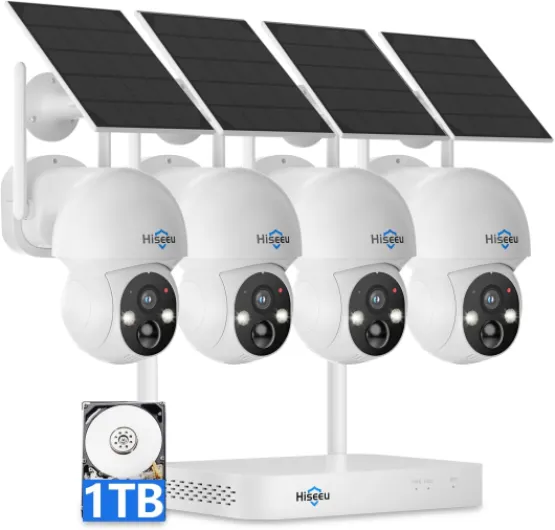
- + Wireless connectivity for easy installation
- + Solar-powered for eco-friendly operation
- + High-definition 4MP video quality
- + Supports 2.4G & 5G WiFi for fast streaming
- + 360° view with pan & tilt functionality
Comparing solar wireless cameras to traditional security systems
Performance and Reliability: Solar vs. Traditional Security Cameras
When comparing solar wireless security cameras to traditional wired or plug-in models, several factors stand out. Solar-powered cameras rely on a solar panel and a rechargeable battery, while traditional systems often depend on a constant power source. This difference impacts installation, maintenance, and overall reliability, especially for outdoor security needs.
- Power Source: Solar cameras use sunlight to charge their battery, making them ideal for locations without easy access to electrical outlets. Traditional security cameras, on the other hand, require wiring or a nearby power supply, which can limit placement options.
- Installation Flexibility: Wireless solar cameras are easier to install outdoors since there’s no need to run cables. This flexibility allows for better field view coverage and more creative placement, especially in larger properties or remote areas.
- Battery Life and Maintenance: The best solar security cameras are designed to maintain battery life even during cloudy days, but extended periods without sunlight can affect performance. Traditional cameras don’t face this issue but may require more frequent maintenance if exposed to the elements.
- Night Vision and Video Quality: Both solar and traditional security cameras now offer advanced features like color night vision and high-definition video. However, some users report that battery-powered models may reduce video quality or night vision range to save power, especially if the battery is low.
- Smart Features: Many solar-powered cameras, such as Tapo and Google Nest outdoor security models, include motion detection, smart alerts, and app integration. These features are comparable to what’s available in wired systems, with the added benefit of wireless convenience.
- Price and Value: The regular price of solar-powered security cameras can be higher upfront compared to traditional models. However, the ability to save on electricity and avoid wiring costs can make them more cost-effective over time. Some brands offer pack save deals, which can further reduce the price per camera.
Which Solution Fits Your Needs?
If you need a security camera for outdoor areas where power access is limited, solar-powered cameras offer a practical and eco-friendly solution. For those prioritizing continuous power and the highest video quality, traditional wired cameras may still be the best choice. Ultimately, the right system depends on your property layout, budget, and desired features like night vision, motion detection, and smart home integration.
Privacy and data security with solar wireless cameras
How Solar Wireless Cameras Handle Your Data
When you invest in a solar wireless security camera for your outdoor spaces, privacy and data security become top concerns. These cameras, powered by solar panels and batteries, often connect to your home Wi-Fi and store video footage either locally or in the cloud. Understanding how your data is managed is key to making an informed decision.
Data Storage and Cloud Security
- Cloud storage: Many solar powered security cameras, including popular brands like Tapo and Google Nest, offer cloud-based video storage. This means your footage is uploaded to secure servers, often encrypted, to prevent unauthorized access.
- Local storage: Some battery powered cameras provide options for microSD cards or other local storage. This can help you save on subscription costs, but you must ensure the device itself is physically secure.
Privacy Settings and User Control
Most smart cameras allow you to customize privacy settings. You can adjust motion detection zones, set schedules for when the camera is active, and control who has access to live video or recorded clips. Features like color night vision and field view adjustments can be tailored to avoid capturing footage beyond your property, respecting neighbors’ privacy.
Encryption and Secure Transmission
Quality solar security cameras use encryption protocols to protect video data as it travels from your camera to your phone or cloud account. Look for devices that specify end-to-end encryption and regular firmware updates to address security vulnerabilities.
Comparing Privacy with Traditional Systems
Compared to older wired security systems, solar wireless cameras may offer more advanced privacy controls and better transparency about data handling. However, because these cameras are often connected to the internet, they can be more vulnerable to hacking if not properly secured. Always use strong passwords and enable two-factor authentication where available.
Tips for Protecting Your Video Data
- Regularly update your camera’s firmware to patch security flaws.
- Choose cameras from reputable brands known for quality and security.
- Review privacy policies to understand how your video and personal data are used.
- Consider the price and features—sometimes, a higher price reflects better security and support.
By staying informed and proactive, you can enjoy the benefits of solar powered, wireless security cameras—like extended battery life, outdoor durability, and smart motion detection—while keeping your privacy and data secure.