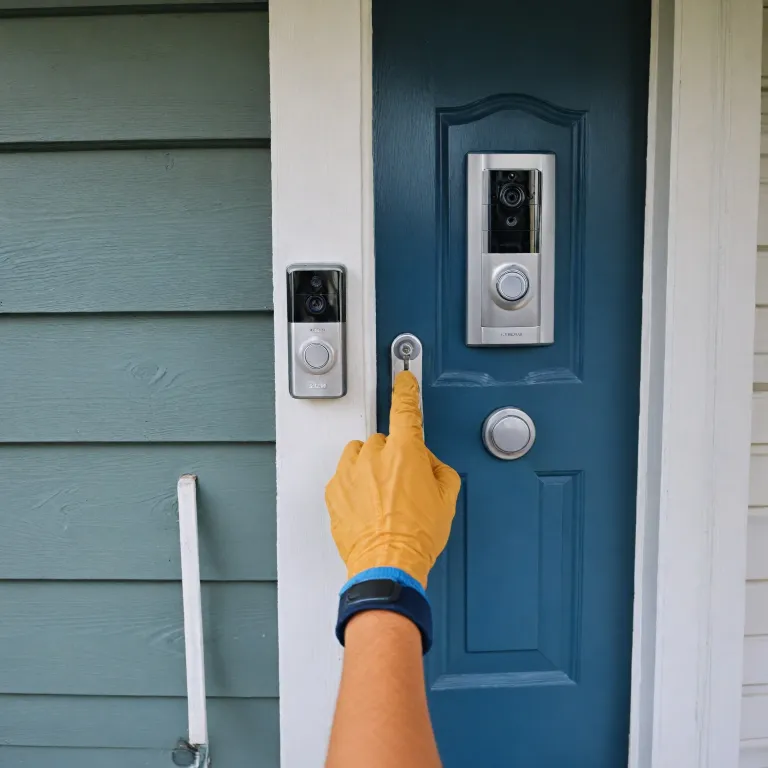
Planning an effective installation of video surveillance with ring cameras
The installation of video surveillance around a home starts with a clear security assessment. Before choosing any camera or surveillance system, you should list entry points, valuable assets, and potential blind spots that a security camera must cover. This first step helps you decide how many cameras you need and where each camera system will bring real value.
Ring devices fit into a broader ecosystem of cameras and video recorders, so think about how your existing security will evolve over time. Many households now mix an indoor camera with outdoor cameras and other surveillance cameras to build a layered surveillance system that protects both perimeter and interior. When you plan the installation, consider whether you prefer a fully wired wireless hybrid, combining wired wireless flexibility with the reliability of wired power and data.
Next, evaluate whether you want a mainly analog setup, a fully IP network solution, or a mix of analog cameras and smart wireless security devices. Traditional analog cameras connected to digital video recorders still exist, but most modern security cameras rely on a network and cloud storage for flexible access. For ring camera owners, the installation of video surveillance usually centers on Wi Fi, yet you should still map where each cable, router, and access point will sit to avoid signal loss.
Think carefully about storage and retention, because video storage decisions affect both cost and privacy. You can combine local hard drives, a network video recorder, and cloud storage to balance redundancy and convenience. Whatever mix you choose, document every step of the install process so future maintenance, upgrades, or troubleshooting remain straightforward.
Choosing between wired, wireless, and hybrid ring camera configurations
When planning the installation of video surveillance with ring devices, one of the most important decisions concerns power and connectivity. A wired camera draws continuous power and usually sends video through a cable, while a wireless security model relies on Wi Fi and sometimes a battery. Each type of security camera has strengths and weaknesses that will influence how you install security equipment in your home.
Wired outdoor cameras are ideal when you can safely route a cable and want uninterrupted video surveillance. They integrate well with a broader surveillance system that might include analog cameras, IP cameras, and even legacy video recorders connected through adapters. If you are considering Ethernet based options, reading about a power over Ethernet camera for home security will clarify how a single cable can deliver both data and power.
Wireless security cameras simplify installation because you do not need to install a long cable run, which is helpful in rented properties. However, every wireless security camera depends on a stable network, so you must check Wi Fi coverage at each planned camera placement before drilling any holes. In some homes, a hybrid wired wireless approach works best, using wired outdoor cameras in fixed positions and a flexible indoor camera that you can move as needs change.
Battery powered cameras video solutions offer freedom of placement but require regular charging or solar panels. During the installation of video surveillance, you should note battery access, ladder safety, and weather exposure for each camera. Over time, a carefully chosen mix of wired, wireless, and hybrid devices will provide resilient security while keeping maintenance manageable.
Optimizing camera placement and field of view for ring surveillance
Effective installation of video surveillance depends less on the number of cameras and more on intelligent camera placement. Each security camera should provide a clear view of doors, windows, and pathways without creating unnecessary overlap or leaving blind spots. A practical step is to sketch your property, then mark where every camera system will sit and what each lens should cover.
For outdoor cameras, mount the camera between 2,5 and 3 meters high to balance field of view and protection against tampering. Avoid pointing surveillance cameras directly at bright lights or neighbours’ windows, which can cause glare and raise privacy concerns. When planning the install, remember that a single camera rarely covers an entire façade, so combine several security cameras to create continuous coverage.
Indoor camera placement should focus on hallways, main living areas, and routes to exits rather than private spaces. Many ring users pair an indoor camera with a doorbell camera to capture both entry events and interior movement, creating a more complete surveillance system. If you are exploring Ethernet based options beyond Wi Fi, an article on why PoE security cameras are changing home surveillance can help you understand how professional installers design coverage.
Whether you use analog cameras, IP models, or a mix, always test the live video before final tightening of brackets. Walk through monitored areas while watching the video recorder or app to confirm that no blind spots remain and that motion zones trigger correctly. This careful step during the installation of video surveillance ensures that every camera, from outdoor units to indoor camera models, delivers usable evidence when an incident occurs.
Managing storage, video recorders, and cloud services for ring setups
Behind every successful installation of video surveillance lies a well planned storage strategy. High definition cameras generate large volumes of video, so you must decide how long to keep footage and where each video recorder or cloud account will store it. Many households combine local hard drives with cloud storage to achieve both resilience and remote access.
If you use analog cameras or hybrid systems, a dedicated digital video recorder or network video recorder will usually sit in a secure place inside the home. This video recorder connects to each camera through a cable or network switch, then writes footage to internal hard drives sized according to your retention needs. For example, a small camera system with four security cameras might require several terabytes of storage to keep continuous video for a full month.
Ring users often rely heavily on cloud storage, which simplifies the install because you do not need to manage on site video recorders. However, you should still understand subscription tiers, retention periods, and how many cameras video plans support under one account. A detailed guide to understanding your options for Ring doorbell plans can clarify how different storage options affect both cost and functionality.
Whatever mix of local and cloud storage you choose, protect access with strong passwords and multi factor authentication. Limit who can view surveillance camera footage, and regularly review which devices are logged into your network and apps. Treat storage planning as a core step of the installation of video surveillance, not an afterthought, because it directly influences both security and privacy outcomes.
Addressing privacy, legal obligations, and cybersecurity in ring camera use
Any installation of video surveillance, including ring camera setups, must respect privacy and legal boundaries. Before you install security equipment, check local regulations about recording audio, filming public spaces, and notifying visitors that cameras video record their presence. In many jurisdictions, you must avoid pointing a surveillance camera into neighbours’ gardens or windows, even if your system is on private property.
From a cybersecurity perspective, every network connected security camera represents a potential entry point for attackers. To reduce this risk, change default passwords, enable encryption where available, and keep firmware updated on all security cameras and video recorders. Place your camera system on a secure network segment when possible, and avoid exposing video recorder interfaces directly to the internet without proper safeguards.
Data protection rules also influence how you manage video storage, especially if you operate a small business from home. Limit access to footage, define retention periods, and ensure that any cloud storage provider offers robust security certifications and transparent policies. When you plan the installation of video surveillance, include a written privacy notice for visitors, explaining where cameras are placed and how long video will be kept.
Physical security matters as well, so install outdoor cameras high enough to deter tampering and keep video recorders in locked cupboards. During each maintenance step, verify that no new blind spots have appeared due to vegetation growth or moved furniture. By treating legal compliance, privacy, and cybersecurity as integral parts of the install process, you strengthen both the ethical and practical value of your surveillance system.
When to call a professional and how to future proof your ring system
Although many homeowners handle the installation of video surveillance themselves, some situations justify hiring a professional. Complex properties with multiple floors, extensive outdoor areas, or mixed analog cameras and IP devices can benefit from expert camera placement and cabling. A professional installer will measure Wi Fi strength, plan each cable route, and ensure that every security camera integrates cleanly into the overall surveillance system.
Professional services also help when you need to comply with strict insurance or business requirements. They can design a camera system that balances wired wireless solutions, selects appropriate outdoor cameras with IP66 ratings, and configures video recorders for reliable operation. For ring users, a professional can advise when to supplement wireless security devices with wired power or additional network hardware to avoid dropouts.
Future proofing starts with choosing flexible equipment and scalable storage. Opt for cameras video capable of firmware updates, ensure that your network can handle additional devices, and select hard drives or cloud storage plans that can grow with your needs. During the install, leave spare cable conduits and power outlets in strategic place points so you can add new surveillance cameras without major renovation.
As AI analytics and smart detection become more common in security cameras, your installation choices today will shape what features you can use tomorrow. Regularly review your installation of video surveillance, checking for emerging blind spots, outdated analog components, or overloaded video recorder units. With thoughtful planning and, when necessary, professional support, your ring based surveillance camera setup will remain robust, adaptable, and aligned with evolving security expectations.
Key statistics on the installation of video surveillance
- There are more than 15 000 businesses dedicated to video surveillance services in the United States, supporting tens of thousands of specialized employees.
- The national market for video surveillance systems is valued in the tens of billions of dollars, with strong growth projected over the coming decade.
- Estimates indicate tens of millions of surveillance cameras already in operation across the country, with rapid expansion driven by residential and commercial demand.
- Retail locations in North America typically deploy dozens of cameras per site, often enhanced by AI analytics to improve monitoring efficiency.
- Ownership of residential video doorbells continues to rise, with a significant share of households adopting connected security devices.
Frequently asked questions about ring camera installation of video surveillance
How many ring cameras do I need for effective home surveillance ?
The right number of ring cameras depends on your property layout, entry points, and existing lighting. Most homes require at least one outdoor camera for each main entrance and an indoor camera covering central hallways. Start with essential areas, then expand your surveillance system as you identify remaining blind spots.
Should I choose wired or wireless ring cameras for my installation ?
Wired cameras offer stable power and connectivity but require more invasive installation work. Wireless security cameras are easier to install and move, yet they depend heavily on strong Wi Fi coverage and battery maintenance. Many homeowners adopt a hybrid approach, using wired outdoor cameras in fixed positions and wireless indoor units for flexibility.
Where should I place ring cameras to avoid blind spots ?
Position outdoor cameras 2,5 to 3 meters high, angled toward doors, driveways, and pathways. Indoors, focus on hallways and shared spaces rather than private rooms, ensuring that each camera’s field of view overlaps slightly with the next. Always test live video after installation to confirm that no blind spots remain.
How long should I keep recorded video from my ring cameras ?
Retention periods depend on your risk profile, storage capacity, and legal obligations. Many households keep footage for 7 to 30 days, while small businesses may require longer retention for incident investigation. Review your cloud storage plan or local hard drive capacity to set a realistic and compliant retention policy.
Do I need a professional installer for my ring surveillance system ?
Simple apartments or small homes with good Wi Fi often support a do it yourself installation. However, complex properties, mixed analog and IP systems, or strict insurance requirements may justify hiring a professional. An expert can optimize camera placement, cable routing, and storage configuration to ensure reliable long term security.
trustful_expert_quotes: As of 2025, there are approximately 15,499 video surveillance businesses in the U.S., employing around 84,874 individuals. The U.S. video surveillance market was valued at $17.6 billion in 2025, with projections to reach $37.3 billion by 2030. In 2021, the number of surveillance cameras in the U.S. was estimated at 85 million, up from 70 million in 2018. Retail stores in North America use an average of 50 video cameras per location, with 75% equipped with AI analytics. Residential video doorbells are owned by 15% of U.S. households, with adoption expected to reach 25% by 2027.
trustful_expert_sources: IBISWorld, Grand View Research, Priority First