

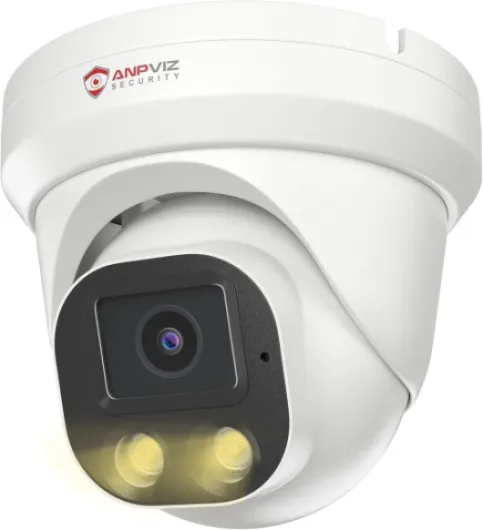
Understanding poe security cameras
What Makes PoE Security Cameras Unique?
Power over Ethernet, or PoE, is a technology that allows both power and data to be delivered to security cameras through a single ethernet cable. This approach is transforming how homeowners and businesses set up their surveillance systems. Instead of running separate wires for power and video, a PoE camera system simplifies installation and reduces clutter. This is especially useful for outdoor cameras or locations where running multiple cables is difficult.
How PoE Cameras Work in a Security System
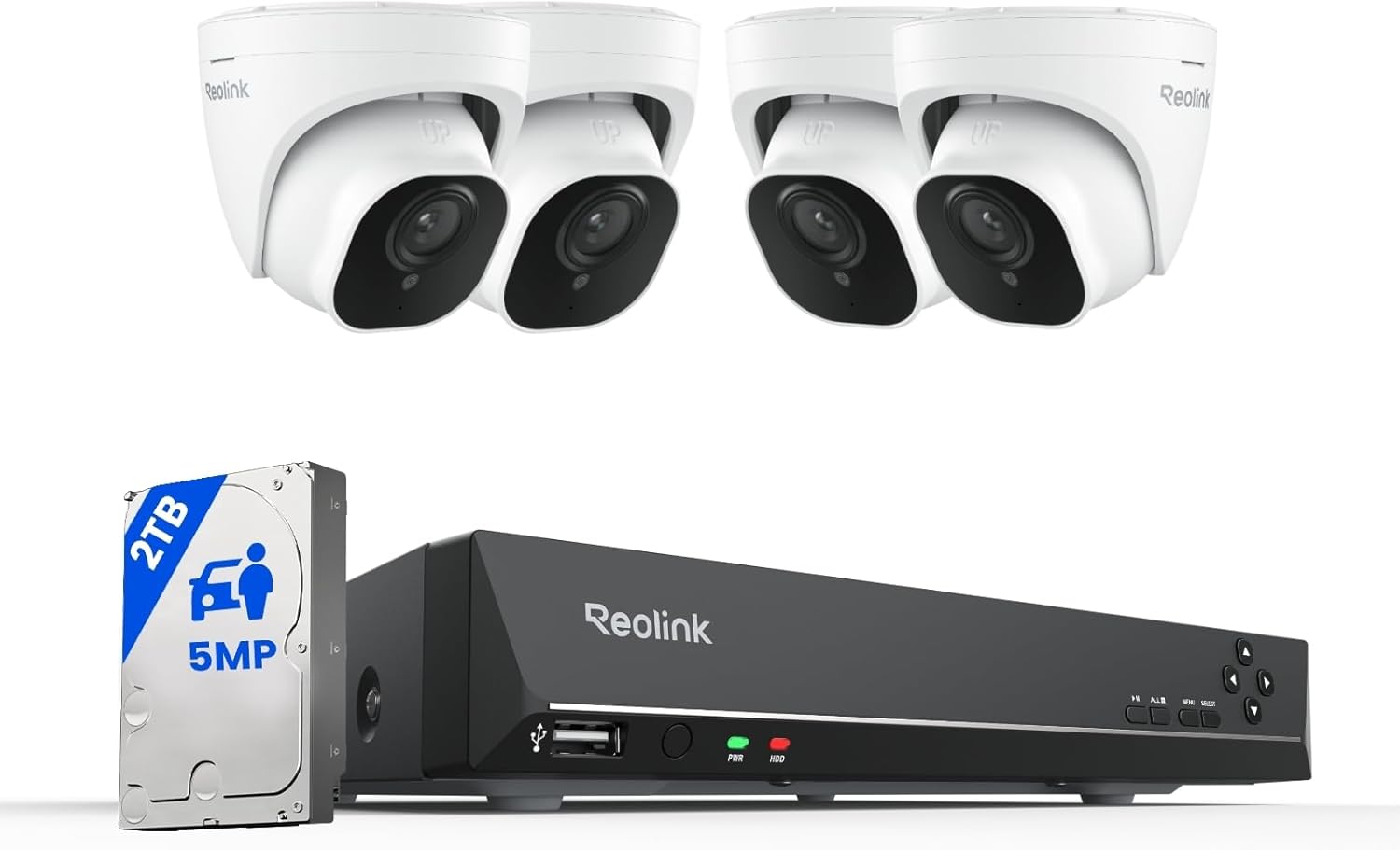
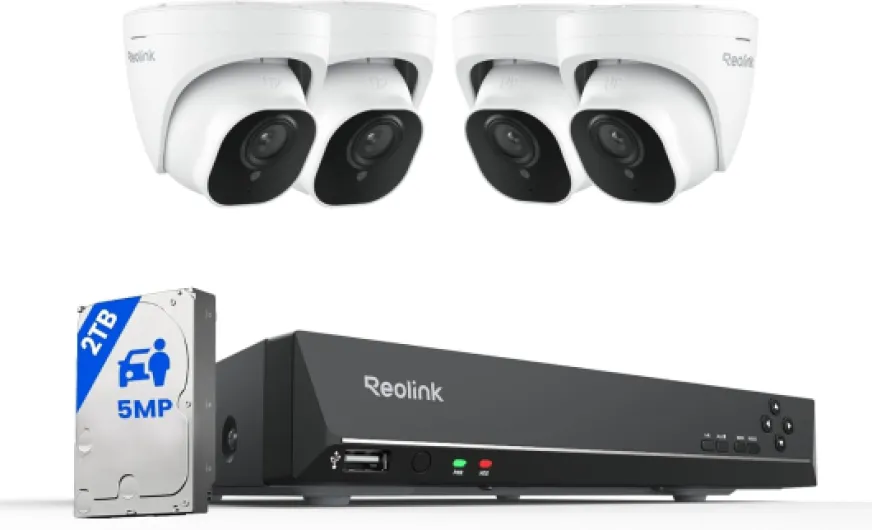
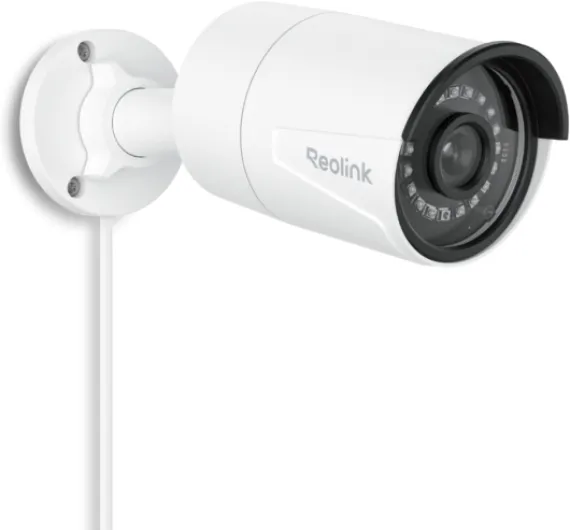
PoE cameras connect directly to a network video recorder (NVR) or a PoE switch, which supplies power and transmits video data over the same cable. This setup supports high-definition video, long range connections, and advanced features like optical zoom, night vision, and motion detection. Brands like Reolink offer a variety of PoE security cameras, including PTZ PoE models with pan, tilt, and zoom capabilities, and RLC series cameras known for their reliable performance and color night vision.
- Single cable convenience: Power and video transmission through one ethernet cable
- Reliable connection: Less interference compared to wireless cameras
- Scalability: Easy to add more cameras to your security system as your needs grow
- Network integration: Seamless support for business or home networks
Why Choose PoE for Your Camera System?
PoE security cameras are often considered the best option for those seeking robust, long-term surveillance solutions. They are ideal for both indoor and outdoor environments, offering features like weather resistance, long range night vision, and reliable video recording. Whether you are looking to secure a business or enhance your home security system, PoE cameras provide a flexible and future-proof foundation.
For a deeper dive into how cords and cables play a crucial role in surveillance camera systems, check out this guide on the role of cords in surveillance cameras.

Key benefits of poe security cameras
Reliable Power and Data with One Cable
One of the standout features of a poe security camera system is its ability to deliver both power and data through a single ethernet cable. This means you can install cameras like the Reolink RLC series or PTZ poe models without worrying about separate power sources. The simplicity of using power over ethernet (poe) makes it easier to set up cameras in outdoor or hard-to-reach locations, reducing the clutter of extra wires and minimizing installation challenges.
Consistent High-Quality Video and Night Vision
Poe cameras are known for their stable network connection, which supports high-resolution video streaming and recording. Whether you need long range optical zoom or color night vision, poe security cameras maintain clear footage without the interference or lag sometimes found in wireless options. This is especially important for business or home security systems that require reliable night detection and detailed video evidence.
Scalability and Flexibility for Any Security System
Adding more cameras to your poe security system is straightforward. As your needs grow, you can expand your network video recorder (NVR) setup by connecting additional poe cameras using standard ethernet cables. This flexibility makes poe camera systems ideal for both small homes and larger business properties. Many poe security cameras, such as those from Reolink, offer features like motion detection, optical zoom, and support for outdoor environments, making them some of the best choices for modern surveillance.
Enhanced Security and Centralized Management
With poe, all your security cameras connect to a central NVR or video recorder, making it easier to manage footage and system settings. This centralized approach improves the overall security of your network, as you can control access and monitor all cameras from one interface. Poe security systems also support advanced features like remote viewing, smart alerts, and integration with other security devices.
- Stable power and data connection via ethernet cable
- High-quality video, even at night or in low-light conditions
- Easy to add more cameras to your system
- Centralized video management and enhanced network security
For a deeper dive into why power over ethernet cameras are a smart choice for your home security, check out this guide on why choose a power over ethernet camera for your home security.
Comparing poe cameras to wireless options
How PoE Cameras Stack Up Against Wireless Security Options
When you compare PoE security cameras to wireless alternatives, several differences stand out. Both systems aim to protect your property, but the way they deliver video, power, and reliability can impact your choice.- Power and Connectivity: PoE cameras use a single ethernet cable for both power and data, reducing clutter and simplifying installation. Wireless cameras, on the other hand, rely on Wi-Fi and separate power sources, which can mean more cables or frequent battery changes.
- Video Quality and Stability: Wired PoE systems typically offer more stable network video streams, especially for high-resolution or long-range cameras. Wireless security cameras may suffer from interference or signal drops, especially in larger homes or business environments with thick walls.
- Scalability and Support: Expanding a PoE camera system is straightforward—just add more cameras to your network switch or NVR (network video recorder). Wireless systems can become unstable as you add more devices, and some may not support as many cameras as a PoE setup.
- Night Vision and Advanced Features: Many PoE cameras, like the Reolink RLC series or PTZ PoE models, offer advanced features such as optical zoom, color night vision, and motion detection. While some wireless cameras have these features, PoE models often deliver better performance, especially for outdoor or business security.
- Data Security: PoE security systems keep video traffic within your local network, making it harder for outsiders to intercept. Wireless cameras transmit over Wi-Fi, which can be more vulnerable if not properly secured.
| Feature | PoE Cameras | Wireless Cameras |
|---|---|---|
| Power Source | Ethernet cable (Power over Ethernet) | Battery or separate power adapter |
| Network Stability | High, wired connection | Variable, depends on Wi-Fi strength |
| Installation | Requires running cables | Flexible placement, less wiring |
| Video Quality | Consistent, supports 4K and long range | Can drop with weak Wi-Fi |
| Best Use Case | Business, large homes, outdoor security | Small homes, renters, temporary setups |
Installation tips for poe security cameras
Preparing for a Smooth Poe Camera Installation
Setting up a poe security camera system can be straightforward, but a bit of planning goes a long way. Start by mapping out where you want to place your cameras. Consider high-traffic areas, entry points, and spots that need night vision or long range coverage. Outdoor cameras should be weatherproof and have features like optical zoom or color night vision for better clarity.
Choosing the Right Equipment and Tools
- Ethernet cable: Poe cameras use a single ethernet cable for both power and data, making installation cleaner and reducing clutter.
- NVR (Network Video Recorder): For recording and managing video, a reliable NVR is essential. Some systems, like Reolink, offer easy integration with multiple poe cameras.
- Mounting hardware: Secure brackets and weather-resistant mounts are important for outdoor installations.
Step-by-Step Installation Tips
- Run the ethernet cable: Plan the cable route from your NVR or poe switch to each camera. Avoid sharp bends and keep cables away from sources of interference.
- Mount the cameras: Attach your security cameras at the desired locations. Make sure the field of view covers key areas and adjust for features like ptz poe (pan-tilt-zoom) if your model supports it.
- Connect to the network: Plug each camera into the poe switch or NVR. The system should power up and connect automatically if everything is set up correctly.
- Configure detection and alerts: Use your camera system’s software to set up motion detection, night vision settings, and video recording schedules.
Common Installation Challenges
Sometimes, you may face issues like insufficient power over ethernet, poor network support, or limited camera range. Using high-quality cables and ensuring your network video recorder can handle the number of cameras in your system will help. For businesses or larger properties, consider a system camera with advanced features like long range detection and optical zoom.
Optimizing for Best Results
- Test each camera’s video feed before finalizing installation.
- Adjust angles for optimal night vision and coverage.
- Regularly update firmware to keep your security system secure and performing at its best.
Integrating poe cameras with smart home systems
Connecting PoE Cameras to Your Smart Home
Integrating PoE security cameras into a smart home system is becoming more common as homeowners look for seamless control and monitoring. PoE (Power over Ethernet) cameras, such as Reolink RLC series or PTZ PoE models, offer reliable video feeds and advanced features like night vision, optical zoom, and motion detection. Here’s how to make the most of your camera system within a smart home environment.
- Centralized Control: Many PoE camera systems support integration with smart home hubs. This means you can view live video, manage alerts, and adjust settings from your smartphone or tablet, alongside other smart devices.
- Automation: Linking your PoE security cameras with automation platforms lets you trigger actions based on detection events. For example, when your outdoor camera detects motion at night, it can activate lights or send instant notifications.
- Voice Assistant Compatibility: Some PoE cameras, including popular Reolink models, offer support for voice assistants. This allows you to display camera feeds on smart displays using simple voice commands.
- Network Video Recorder (NVR) Integration: Pairing your cameras with an NVR enhances storage and playback options. Many NVRs are compatible with smart home systems, making it easier to manage long-range video footage and review events.
Key Considerations for Seamless Integration
- Network Infrastructure: Ensure your home network can handle the bandwidth demands of multiple PoE cameras, especially if you have high-resolution or color night vision models.
- Power and Connectivity: Using a single ethernet cable for both power and data simplifies installation and reduces clutter, but make sure your switches and routers support PoE standards.
- Compatibility: Before adding new cameras, check that your smart home platform and NVR support the specific PoE camera models you plan to use.
By thoughtfully integrating PoE security cameras into your smart home, you can create a robust security system that offers real-time monitoring, reliable detection, and easy management—whether for home or business use. The best camera systems are those that fit seamlessly into your daily routines and provide peace of mind, day and night.
Privacy and data security considerations
Protecting Your Footage and Personal Data
When you add a poe security camera system to your home or business, privacy and data security become top priorities. Poe cameras, like those from Reolink or other leading brands, transmit video over a network using ethernet cables. This setup can offer more control over your footage compared to some wireless options, but it also introduces specific considerations.
- Data Transmission: Poe cameras send video and audio data through your local network. Using a dedicated network video recorder (NVR) or video recorder can keep your footage stored locally, reducing reliance on cloud services and minimizing exposure to external threats.
- Encryption: The best poe security cameras support encrypted data transmission. Always check if your system camera or NVR offers end-to-end encryption to protect your video streams from unauthorized access.
- Access Controls: Set strong passwords for your camera system and regularly update firmware. Limit access to the poe camera interface and NVR to trusted users only. Many poe security systems allow you to customize user permissions for added security.
- Remote Viewing: Features like night vision, optical zoom, and ptz poe are great for monitoring, but remote access can be a vulnerability. Ensure your network is protected with a strong firewall and consider using a VPN when accessing your cameras remotely.
- Physical Security: Outdoor poe cameras with long range and color night vision should be installed in tamper-resistant locations. Secure the ethernet cable and power ethernet connections to prevent physical tampering.
Compliance and Best Practices
Whether you use a single poe camera or a full camera system, always inform household members or employees about video surveillance. In some regions, there are legal requirements for signage or consent, especially in business environments.
Regularly review your security system settings. Disable unnecessary features, like audio recording, if not needed. For businesses, consider segmenting your network to isolate security cameras from other sensitive data.
Choosing Secure Poe Camera Systems
When comparing poe cameras, look for models with robust privacy features. Reolink, for example, offers poe cameras with advanced detection, night vision, and support for secure local storage. Opt for systems that provide regular firmware updates and responsive customer support.
By prioritizing privacy and data security, you can enjoy the benefits of poe security cameras—such as reliable power, high-quality video, and advanced detection—without compromising your personal or business information.