

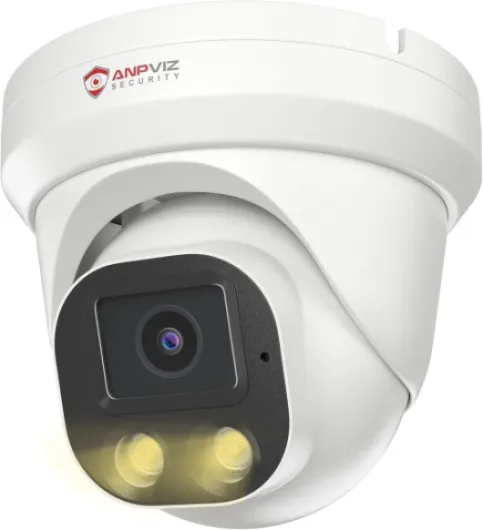
How cam ip cameras work
How IP Cameras Capture and Transmit Video
IP cameras, also known as network cameras, are a popular choice for modern security systems. Unlike traditional analog cameras, these devices use digital technology to capture and transmit video over a network. The core of an IP camera is its image sensor, which can be either CMOS or CCD. This sensor converts light into digital signals, allowing the camera to deliver high-resolution video in real time.
Key Components and Technology
- Lens: The lens determines the camera’s field of view. Options include fixed lens, wide angle, and motorized zoom lens, which allow users to adjust the view remotely.
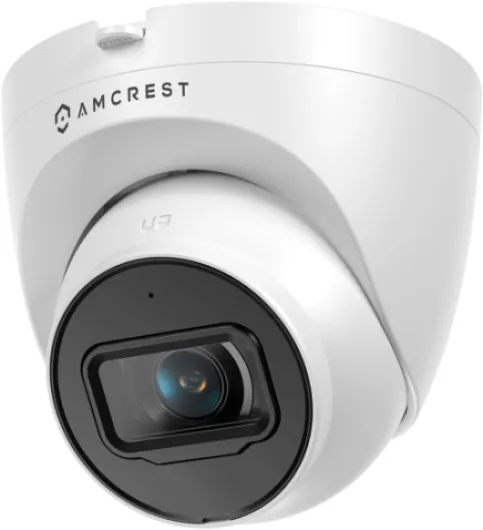
- Camera Types: Common designs include bullet camera, turret camera, and dome camera. Each has unique advantages for different environments. For example, turret security cameras are known for their flexibility and minimal glare, while dome cameras offer discreet surveillance.
- Resolution: Megapixel ratings indicate the clarity of the video. Higher megapixel cameras provide more detail, which is essential for identifying faces or license plates.
- Night Vision: Many IP cameras offer night vision or full color night capabilities, using infrared LEDs or advanced sensors to capture clear images even in low light.
- Power and Connectivity: Power over Ethernet (PoE) is a common feature, allowing both power and data to be delivered through a single cable. This simplifies installation and improves reliability.
How IP Cameras Integrate with Security Systems
Network cameras connect to your home or business network, enabling remote access and real-time monitoring from smartphones or computers. Some models offer active deterrence features, such as lights or sirens, to ward off intruders. The ability to integrate multiple cameras into a single system makes it easier to cover wide areas and monitor different zones.
Comparing Price and Value
The price of IP cameras varies depending on features like motorized zoom, sensor quality, and whether the camera is part of a full series or ships as an original unit. While some budget models offer basic security, investing in cameras with advanced features such as color night vision or motorized zoom can enhance your overall security.
For a deeper look at how these cameras stack up against other options, check out this guide on choosing the right wired security camera for your home.

Key features to look for in a cam ip camera
Essential Qualities to Evaluate in Modern IP Cameras
When shopping for a cam IP camera, understanding the core features can make a real difference in your security setup. The market offers a wide range of options, from turret cameras to bullet cameras, each with unique strengths. Here’s what you should look for:
- Image Sensor and Megapixel Count: The image sensor is crucial for capturing clear video. Higher megapixel cameras provide more detail, which is especially important for identifying faces or license plates.
- Lens Type and Field of View: Fixed lens cameras offer a set viewing angle, while motorized zoom and angle lens models allow you to adjust the view remotely. Wide angle lenses are ideal for covering large areas, while a zoom lens is better for focusing on specific spots.
- Camera Form Factor: Turret cameras, dome cameras, and bullet cameras each have their own advantages. For instance, a turret security camera is less prone to glare, while a dome camera is more discreet. If you want to dive deeper into dome cameras, check out this resource on understanding dome cameras.
- Night Vision and Full Color: Night vision is a must for 24/7 security. Some network cameras now offer full color night vision, letting you see details even in low light. Color night features can be a game changer for real time monitoring.
- Power Options and Connectivity: Power over Ethernet (PoE) simplifies installation by combining power and data in one cable. Network cameras with PoE are often more reliable and easier to manage than Wi-Fi only models.
- Active Deterrence: Some security cameras include features like sirens or flashing lights to deter intruders. This active deterrence can add an extra layer of protection to your property.
- Video Storage: Consider how the camera stores footage. Some models use internal storage, while others rely on network video recorders or cloud services. For a deeper dive into storage options, see this article on the role of hard drives in security cameras.
- Price and Series: The price often reflects the camera’s capabilities. Entry-level series may offer basic features, while higher-end models include motorized zoom, advanced sensors, and better build quality. Always compare what you get for the price.
- Original Equipment and Shipping: Make sure you’re buying original products from reputable sources. Check if the camera ships with all necessary accessories, like mounting hardware and cables.
Choosing the right combination of these features will help you find a security camera that fits your needs and budget. Whether you need a fixed lens for a small room or a motorized zoom for wide outdoor spaces, there’s a network camera out there for every situation.
Privacy and security concerns with cam ip cameras
Understanding Data Protection and Risks
When installing a security camera, especially a network camera or IP camera, privacy and security should be top priorities. These cameras, whether turret, dome camera, or bullet camera, connect to your home network and stream video in real time. This means your footage could be vulnerable if not properly protected. The image sensor and lens capture full color or night vision video, but without strong security, unauthorized users might access your cameras.- Network security: Always use strong, unique passwords for your cameras and network. Avoid default credentials, as these are easy targets for hackers.
- Firmware updates: Regularly update your cameras’ firmware. Manufacturers often release updates to fix vulnerabilities, so keeping your devices up to date is essential.
- Encryption: Choose cameras that offer encrypted video streams. This protects your footage as it travels across your network, especially for models with motorized zoom or wide angle lens features that might be more attractive to intruders.
- Cloud storage concerns: Many cameras offer cloud storage for video. Check where your data is stored and who can access it. Some users prefer network cameras with local storage to keep footage in-house.
Physical and Digital Security Measures
The physical placement of your security cameras also impacts privacy. For example, a turret security camera or fixed lens camera should not point directly at neighbors’ properties or public spaces to avoid legal issues. Consider the angle lens and view of each camera, whether it’s a fixed, motorized, or zoom lens model.- Active deterrence: Some cameras feature lights or sirens to deter intruders. While effective, these should be used responsibly to avoid disturbing others.
- Access control: Limit who can view or manage your cameras. Only trusted users should have admin access, especially for cameras with full color night or motorized features.
Balancing Features with Privacy
Modern security cameras come with advanced features like color night vision, high megapixel sensors, and motorized zoom. While these improve security, they also increase the amount of personal data collected. Always review the privacy policy of your camera’s manufacturer and understand how your data is handled. If you’re comparing different series, price points, or original equipment, consider how each model addresses privacy and security. For a deeper dive into how leading brands handle these concerns, check out this guide on choosing your security solution. In summary, whether you choose a turret camera, bullet camera, or dome camera, prioritizing privacy and security will help you get the most from your investment while protecting your home and personal information.Installation tips for cam ip cameras
Placement and Positioning for Maximum Coverage
When installing a security camera, the right placement is crucial. Consider the field of view for each camera, whether you choose a fixed lens, wide angle, or motorized zoom lens. Turret cameras and dome cameras are popular for their discreet look and flexible mounting options. Bullet cameras, with their longer bodies, are often used for monitoring driveways or entrances. Always check the angle lens and ensure the camera covers all critical areas without blind spots.- Turret security cameras are ideal for indoor and outdoor use, providing a clear view with minimal glare.
- Bullet cameras excel at monitoring long, narrow spaces thanks to their fixed lens and powerful zoom options.
- Dome cameras blend into ceilings and are less likely to be tampered with.
Wiring and Power Considerations
Most network cameras today use Power over Ethernet (PoE), which simplifies installation by combining power and data through a single cable. This reduces clutter and makes it easier to install multiple cameras. If you choose a wireless camera, make sure your network can handle the video stream, especially for high megapixel models. Always check if the camera ships with the necessary cables or if you need to purchase them separately.Optimizing Night Vision and Full Color Capabilities
For effective night surveillance, look for cameras with advanced night vision or full color night features. The image sensor and lens quality play a big role in how well your camera captures video in low light. Some series offer active deterrence, using lights or sirens to ward off intruders. Test your camera at night to ensure you get real time, clear footage.Weatherproofing and Durability
Outdoor cameras must withstand harsh weather. Check the camera's IP rating to ensure it is suitable for your environment. Turret and bullet cameras are often designed for outdoor use, but always verify the specifications. The original build quality and sensor protection are important for long-term security.Network and Storage Setup
Connect your network camera to a reliable network for uninterrupted video streaming. Consider whether you want local storage, such as an NVR, or cloud-based options. The price of storage can vary, so factor this into your budget. Some cameras offer motorized zoom and active deterrence, which may require additional setup. By focusing on these installation tips, you can maximize the effectiveness of your security cameras, whether you choose a turret, dome, or bullet camera. Always review the camera's features, such as lens type, night vision, and network compatibility, to ensure your system meets your security needs.Comparing cam ip cameras to traditional security systems
Modern Surveillance: IP Cameras Versus Traditional Security Systems
When comparing cam IP cameras to traditional security systems, several key differences stand out. The shift from analog to network-based surveillance has changed how people secure their homes and businesses.- Video Quality and Image Sensor: IP cameras often deliver higher resolution video, thanks to advanced image sensors and megapixel options. This means clearer footage, whether you choose a bullet camera, turret camera, or dome camera. Traditional systems usually offer lower resolution, making it harder to identify details in real time.
- Installation and Flexibility: Network cameras connect via ethernet (PoE) or Wi-Fi, reducing the need for extensive wiring. Many models, like turret security cameras or motorized zoom cameras, offer flexible placement and easy expansion. Traditional systems often require professional installation and are less adaptable to changes.
- Features and Functionality: Modern security cameras come with features such as night vision, full color night modes, wide angle lenses, and active deterrence. Some cameras have motorized zoom or fixed lens options, letting you choose between a wide angle view or a focused shot. Traditional systems typically lack these advanced features.
- Remote Access and Real Time Monitoring: With network cameras, you can view footage remotely from your phone or computer. This is a big advantage over older systems, which often require you to be on-site to access video.
- Price and Value: While the original price of some IP cameras may be higher, the ability to add cameras, upgrade sensors, and use motorized or fixed lens options can make them more cost-effective over time. Traditional systems may seem cheaper upfront, but upgrades and maintenance can add up.
- Security and Privacy: IP cameras rely on network security, so it’s important to choose models with strong encryption and regular firmware updates. Traditional systems are less vulnerable to hacking but lack many modern security features.
| Feature | IP Camera | Traditional System |
|---|---|---|
| Video Quality | High (megapixel, full color, night vision) | Standard definition |
| Installation | Flexible, PoE or wireless | Wired, often professional |
| Remote Access | Yes, via network | Rarely |
| Features | Motorized zoom, active deterrence, wide angle, color night | Basic recording |
| Scalability | Easy to expand | Limited |
Choosing the right cam ip camera for your needs
Finding the Best Fit for Your Security Needs
Choosing the right cam IP camera can feel overwhelming with so many options available. To make a smart decision, it’s important to match your security needs with the camera’s features and specifications. Here are some practical factors to consider:- Camera Type: Decide between bullet cameras, dome cameras, or turret cameras. Bullet cameras are great for long-range views, while dome and turret security cameras offer a more discreet look and are often used indoors or under eaves.
- Lens and Angle: Fixed lens cameras provide a set field of view, while motorized zoom cameras let you adjust the view remotely. Wide angle lens options are ideal for covering larger areas, and a turret camera with a wide angle can reduce blind spots.
- Image Quality: Look for cameras with a high megapixel count and a quality image sensor. This ensures clear video footage, especially when zooming in on details. Full color and color night features can be helpful for identifying people or objects in low light.
- Night Vision: If you need around-the-clock security, choose a camera with strong night vision capabilities. Some models offer full color night vision, while others rely on infrared for black-and-white images.
- Power and Connectivity: Power over Ethernet (PoE) network cameras are reliable and simplify installation by combining power and data in one cable. Wireless network cameras offer more flexibility in placement but may require a strong Wi-Fi network.
- Active Deterrence: Some security cameras include features like sirens or lights to actively deter intruders. Consider if this is important for your location.
- Budget and Series: Compare the price of different series and models. Original series cameras may offer basic features at a lower price, while advanced models with motorized zoom or active deterrence will cost more.
| Feature | Benefit | Best For |
|---|---|---|
| Fixed Lens | Simple setup, consistent view | Entrances, hallways |
| Motorized Zoom | Adjustable view, zoom in remotely | Large yards, parking lots |
| Wide Angle | Maximizes coverage | Open areas, retail spaces |
| Color Night | Better identification at night | Low-light environments |
| Active Deterrence | Discourages intruders | Vulnerable entry points |