Comparing leading infrared night vision models and ecosystems
Several flagship models illustrate how the best security cameras with infrared night vision balance resolution, coverage, and power. The TP-Link Tapo C615F Kit is an outdoor camera with 2K video, a 3 megapixel sensor, and both infrared and color night modes for flexible security. Its integrated solar panel and 10 400 mAh battery give the camera system long term power autonomy, reducing maintenance for remote outdoor installations.
Wyze Cam Pan v4 targets users who want a single security camera to cover a wide interior or sheltered exterior area. This cam offers 4K video resolution, 360 degree pan, and 180 degree tilt, effectively replacing several fixed vision cameras when configured correctly. Enhanced infrared night vision and AI powered motion detection help the camera with tracking people, pets, and vehicles, while local storage on a microSD card up to 512 GB limits dependence on cloud storage.
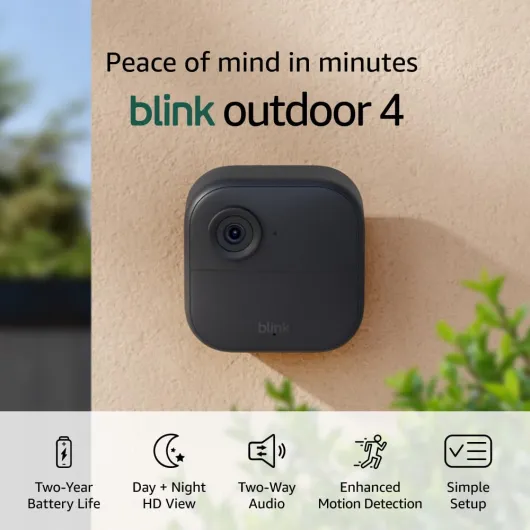
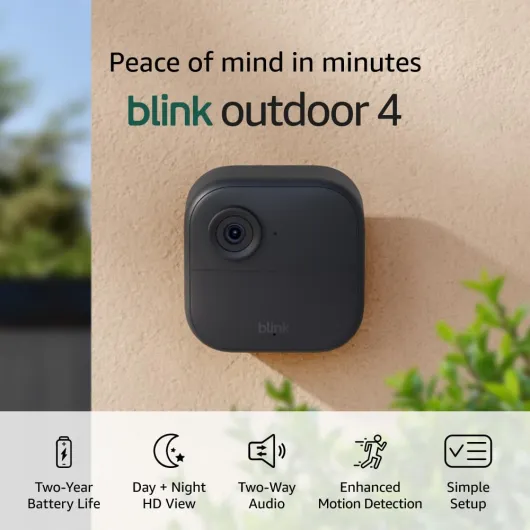
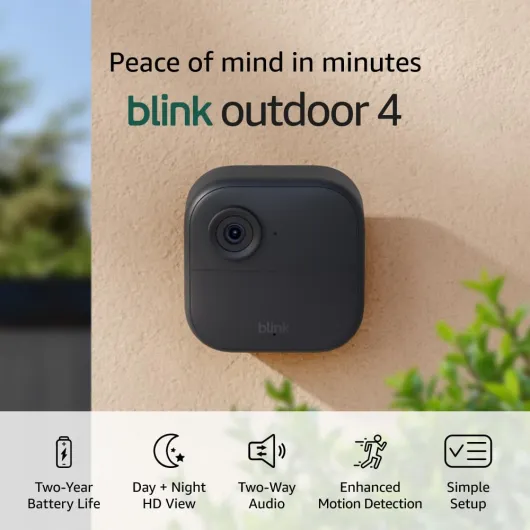
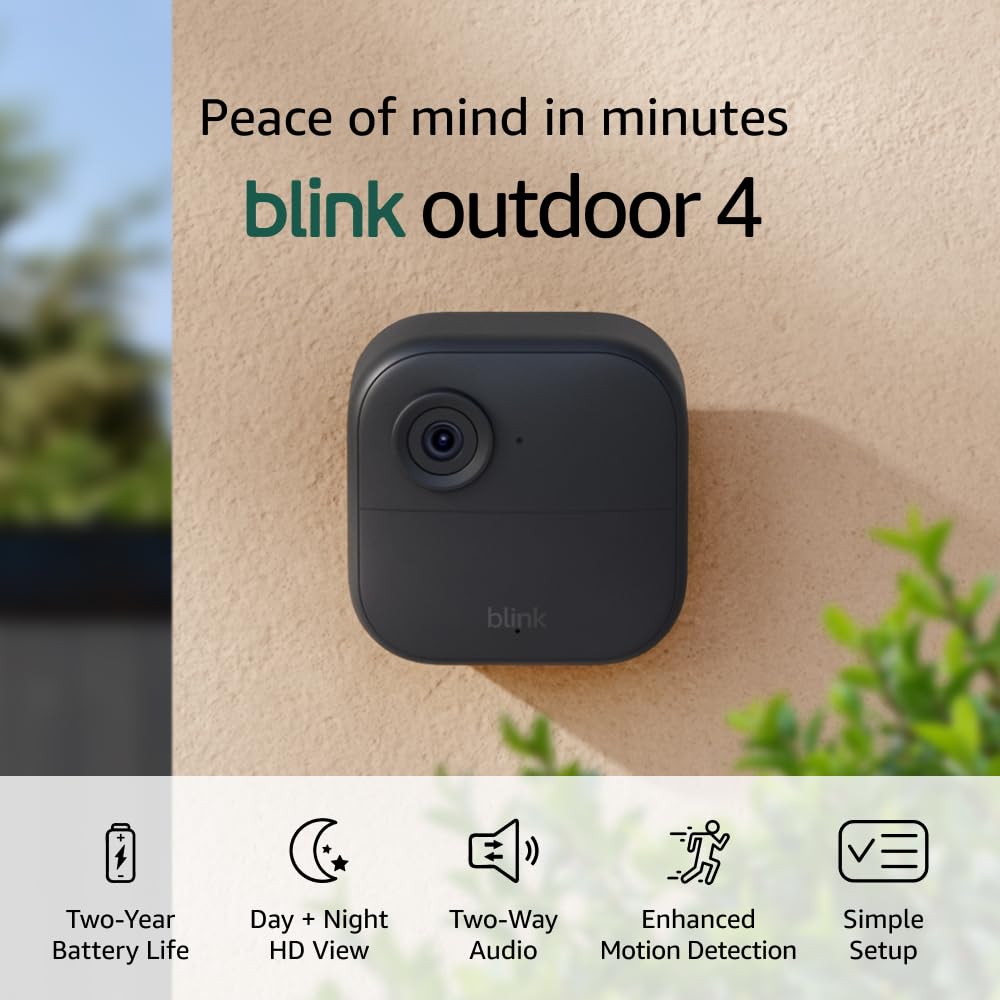
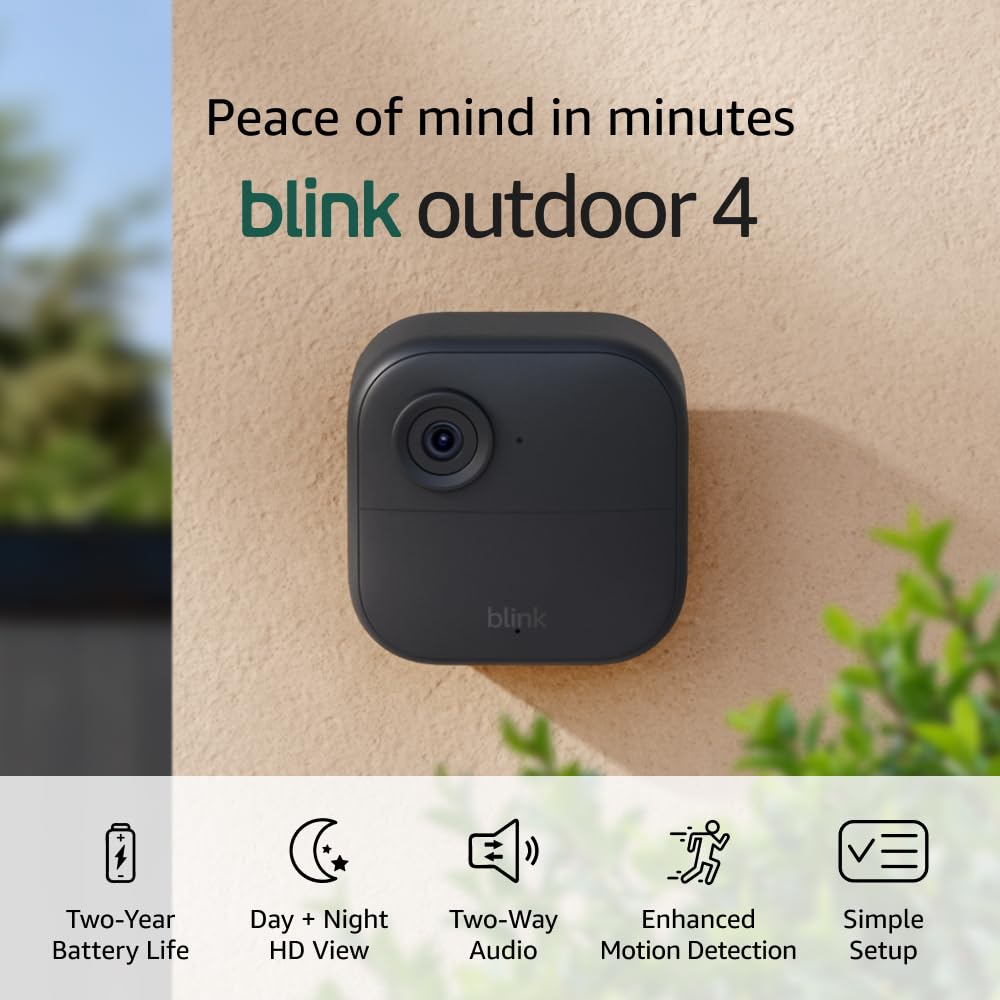
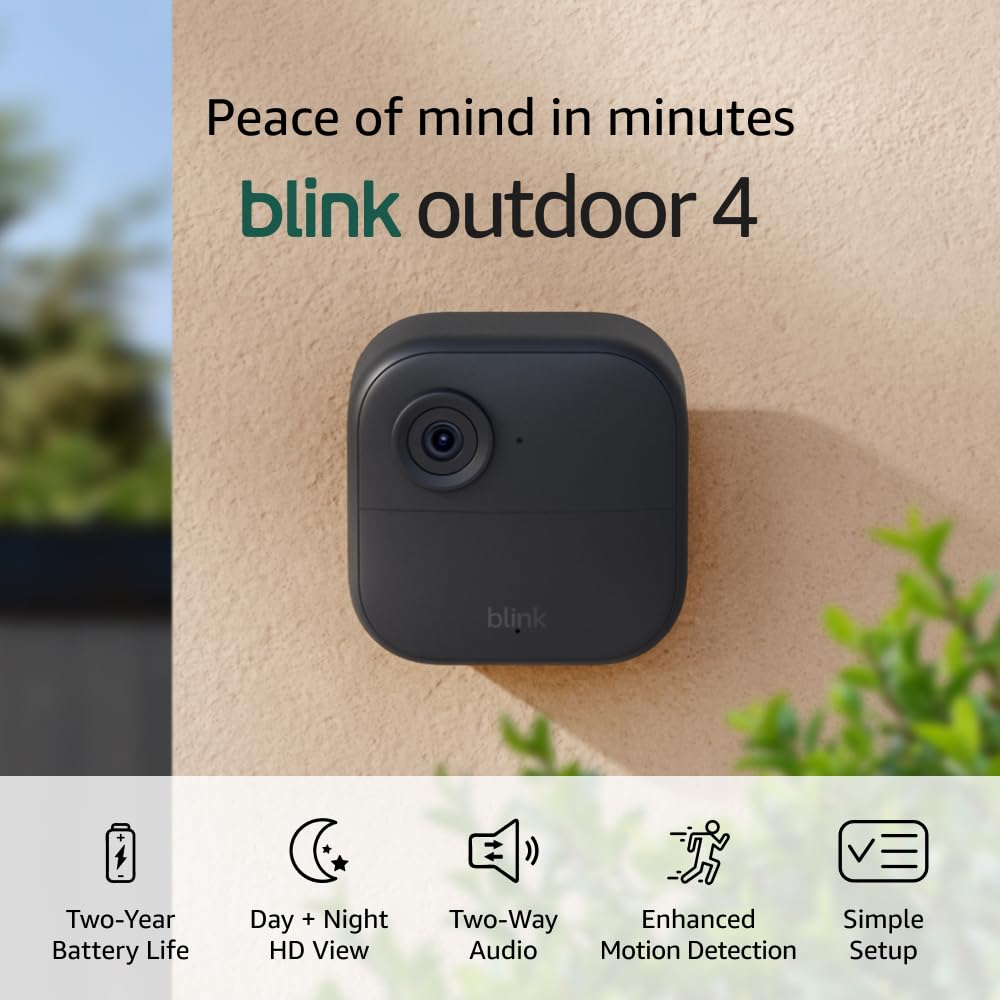
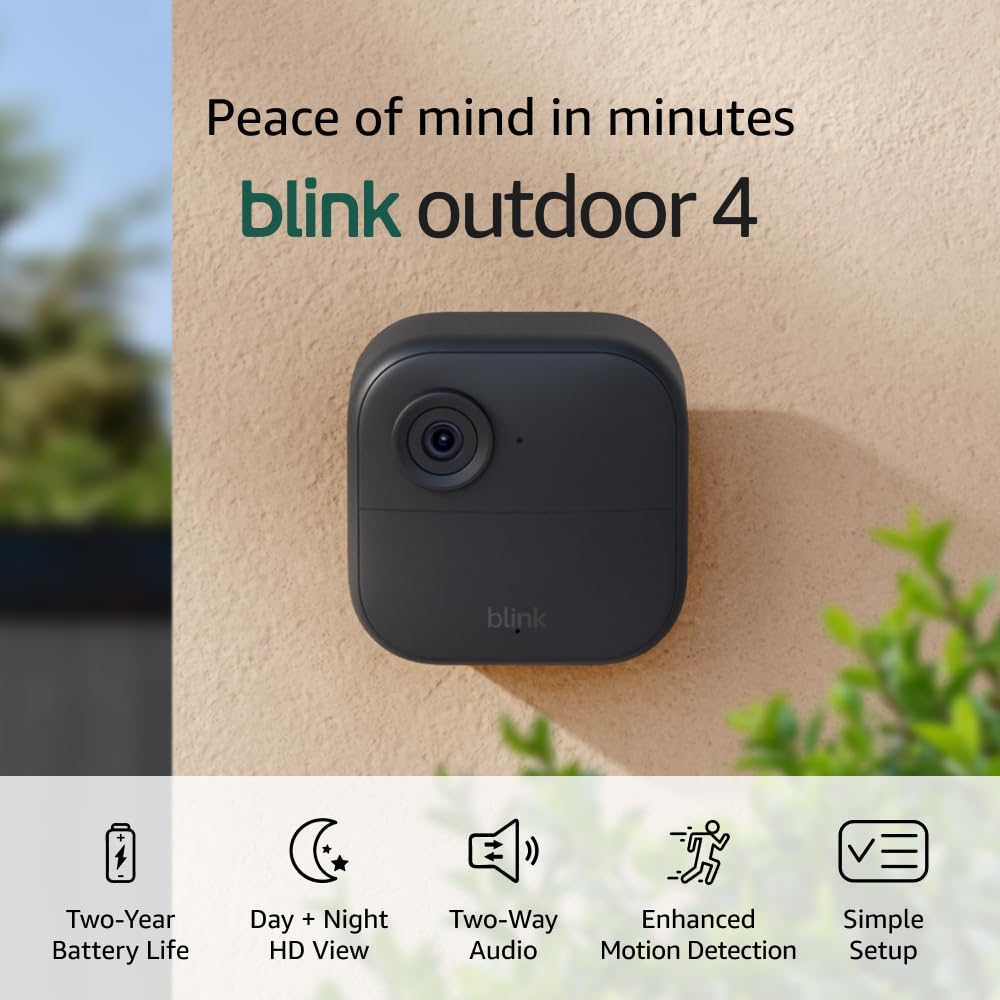
Blink Outdoor 2K+ focuses on battery life and simplicity for outdoor camera deployments. It records 2K video, switches between color night and infrared automatically, and can run for up to two years on efficient settings, which is impressive for a battery powered security camera. For households that prefer minimal wiring, this kind of outdoor camera system offers strong night vision while keeping installation straightforward.
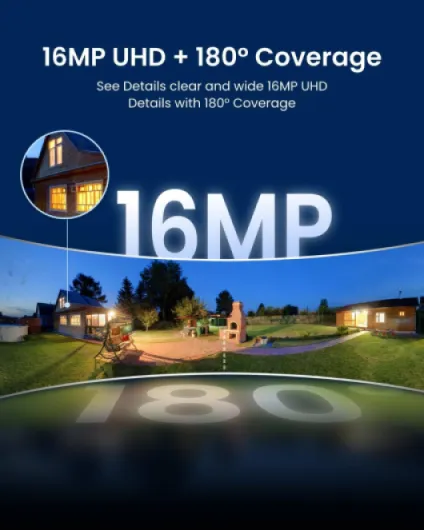
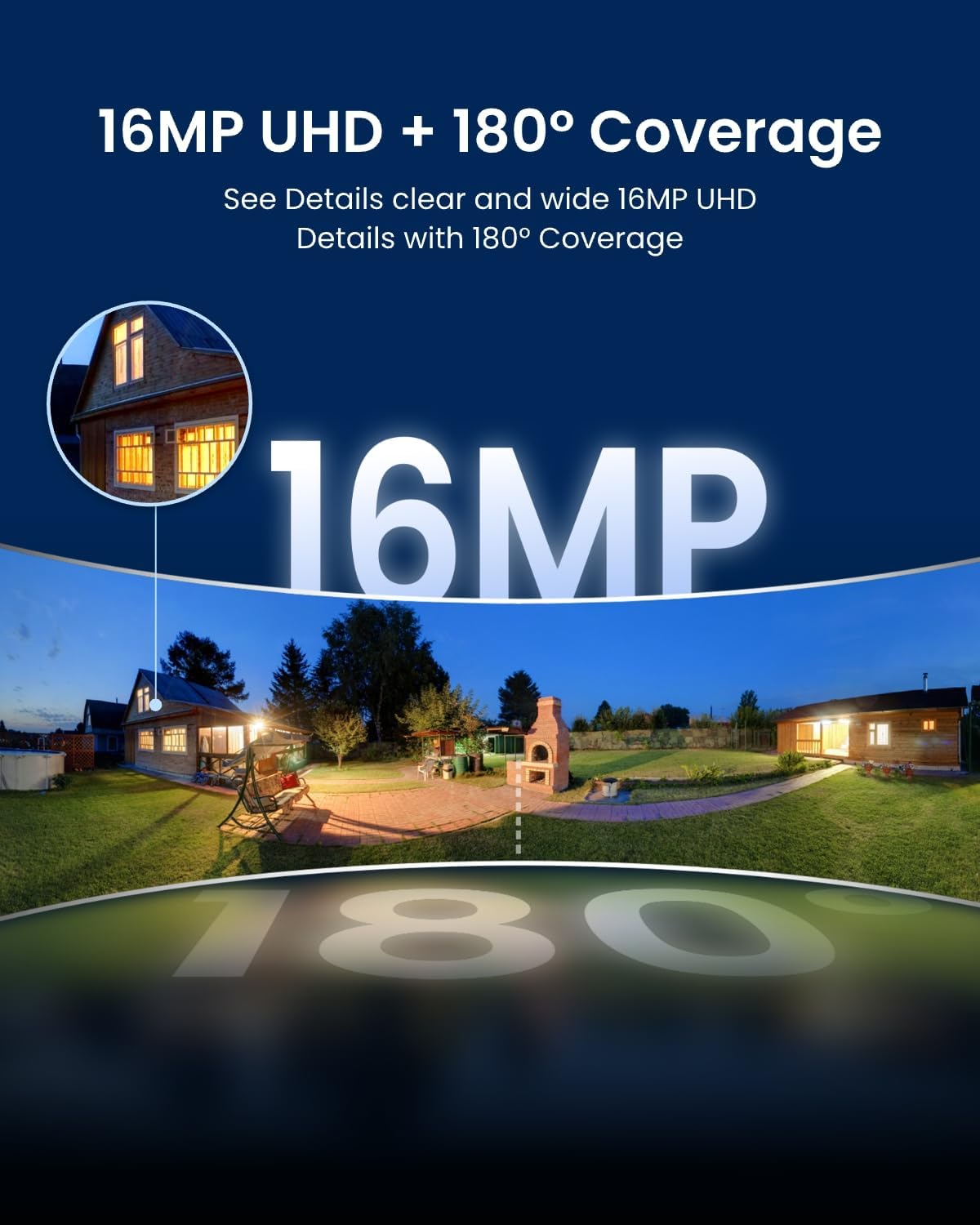
Reolink Argus 4 Pro pushes image quality further with 4K video and a 180 degree field view using dual lenses. Its full color night vision and F1.0 aperture capture bright, detailed footage even when street lighting is limited, making it one of the best security cameras with infrared night vision alternatives for wide driveways. Because it supports local storage via microSD and does not require mandatory subscriptions, it appeals to users who want predictable long term costs.
Ring camera in context: strengths, limits, and privacy questions
Ring camera products sit at the center of many smart home security systems, especially for people already using Alexa Google ecosystems. A typical Ring security camera or Ring outdoor camera offers solid night vision, tight integration with Ring doorbells, and convenient cloud storage plans. However, when you compare Ring camera systems to the very best security cameras with infrared night vision, some nuances emerge that matter for informed buyers.
Ring cameras rely heavily on cloud storage, which simplifies remote access but raises recurring cost and privacy considerations. Users who prefer local storage on a microSD card or network recorder may find Ring camera options more restrictive than brands like Reolink or TP Link that emphasize storage options diversity. This distinction becomes important for people who want a security camera with full control over where their night video is stored and how long it is retained.
Another factor is battery life and power flexibility, because many Ring outdoor cameras are battery powered but also support wired power. In practice, frequent motion detection events at night can shorten battery life, especially in busy streets or shared entrances. Comparing Ring camera pros and cons against alternatives such as Blink Outdoor 2K+ or Wyze Cam Pan v4 helps clarify whether a given camera system matches your tolerance for recharging and your expectations for night vision performance.
Privacy and data protection remain central concerns, particularly when security cameras capture neighbors, public pavements, or shared spaces at night. Potential data breaches if not properly secured and unauthorized access if default passwords are not changed are real risks for any internet connected security camera. To mitigate them, experts recommend regular firmware updates, strong unique passwords, two factor authentication, and careful configuration of motion zones and audio recording.
Key buying criteria for the best security cameras with infrared night vision
Choosing the best security cameras with infrared night vision starts with resolution and field view. A 2K or 4K security camera will capture more detail than a 1080p model, which helps when zooming into night video to identify faces or licence plates. At the same time, a wide field view, ideally between 120 and 180 degrees, reduces blind spots and may allow one outdoor camera to cover areas that would otherwise need multiple cameras.
Power and battery life are equally important, especially for wireless outdoor cameras placed far from mains sockets. A battery powered camera with solar support, like the TP Link Tapo C615F Kit, can maintain continuous security without frequent manual charging. When comparing pros and cons, check whether the camera system offers flexible power options, including wired power for high traffic entrances where motion detection triggers constantly.
Storage options shape both cost and privacy over the long term, because every security camera must save its night vision clips somewhere. Local storage on a microSD card or network recorder keeps data within your premises, while cloud storage simplifies remote access and off site backup. Many of the best security cameras with infrared night vision offer both, letting you combine local storage for continuous recording with cloud storage for critical motion events.
Smart features and ecosystem compatibility also influence daily usability, particularly for households already invested in Alexa Google or Google Nest platforms. A camera with reliable motion detection, person alerts, and integration with routines can automatically switch on lights or trigger sirens at night. When evaluating camera systems, consider whether you need a PTZ camera for active tracking, or whether a fixed outdoor camera with a strong field view and robust night vision is sufficient.
Advanced night vision technologies and the role of color night modes
Infrared remains the backbone of most night vision cameras, yet manufacturers increasingly combine it with advanced low light sensors. Color night modes use larger pixels, wide apertures, and sometimes subtle white LEDs to preserve color information when there is minimal ambient light. This can make a crucial difference when reviewing security camera footage, because clothing colors, vehicle paint, and signage become easier to describe accurately.
However, color night modes are not always superior to pure infrared night vision, especially in complete darkness. In those conditions, the best security cameras with infrared night vision switch to monochrome imaging illuminated solely by infrared LEDs. A well designed security camera with this capability will avoid overexposure of close objects while still revealing detail in the background, which depends on careful tuning of the camera system.
Some outdoor cameras, such as Reolink Argus 4 Pro, push color night performance further with very bright lenses and dual sensor designs. These vision cameras can maintain color even in scenes where older security cameras would already have switched to black and white infrared. For users monitoring large gardens, car parks, or business yards, this combination of wide field view and color night imaging can justify the higher price of a pro grade outdoor camera.
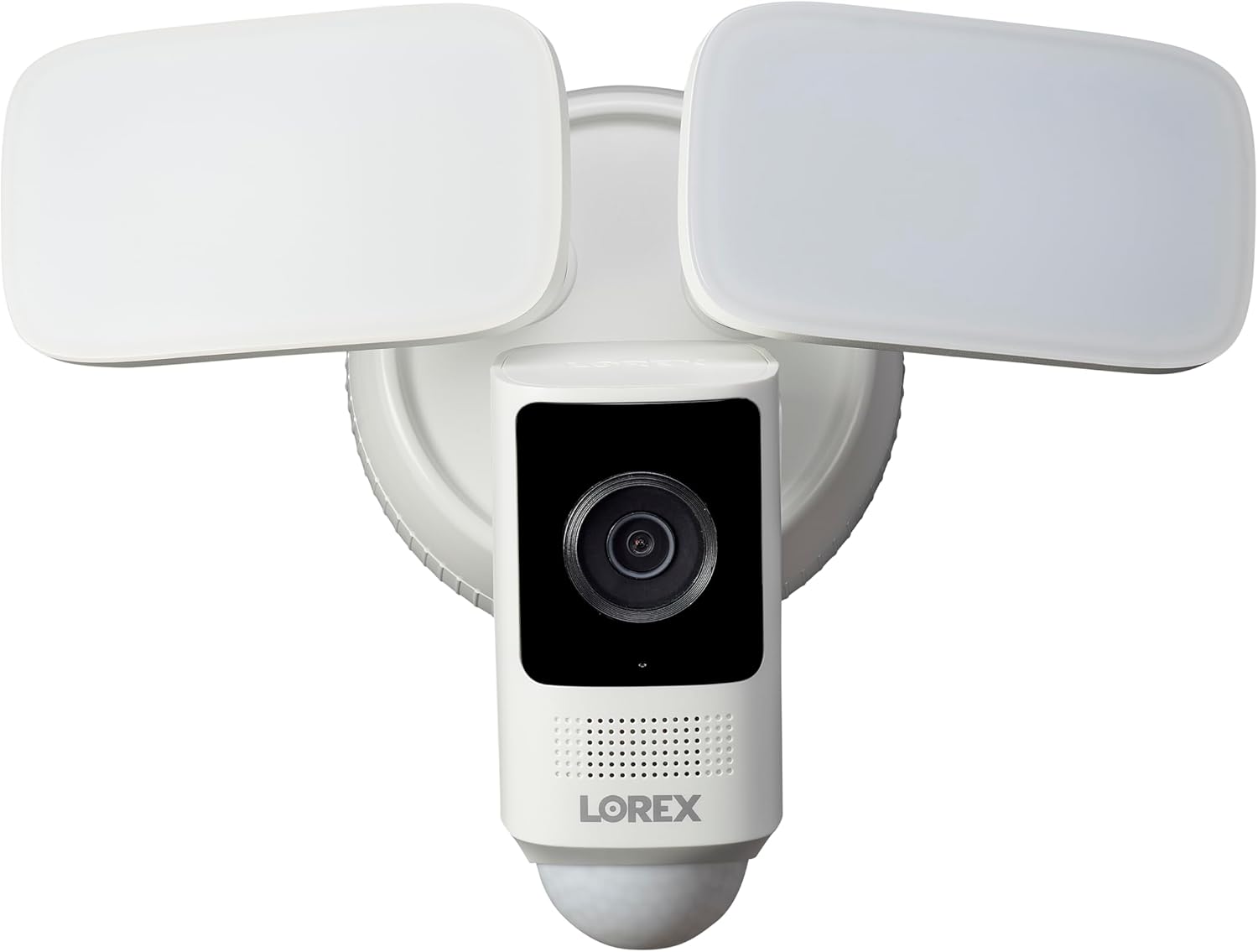
When integrating Ring camera products into a broader setup, many households mix them with other brands that excel at specific night vision tasks. Guides on enhancing your smart home with Ring camera technology, such as those found in specialized resources like smart home Ring camera integration tips, can help align different camera systems. The goal is to ensure that every security camera, whether Ring, Arlo, Nest Cam, or Lorex Pro, contributes coherent night coverage without redundant overlaps or gaps.
Practical placement, configuration, and maintenance for reliable night security
Even the best security cameras with infrared night vision will underperform if placed poorly or configured hastily. Mount outdoor cameras at a height of around 2.5 to 3 metres, angled slightly downward to capture faces rather than only heads or torsos. Avoid pointing a security camera directly at bright streetlights or windows, because strong light sources can cause glare and reduce effective night vision range.
For Ring camera installations near doors or gates, test motion detection zones carefully to avoid constant triggers from passing traffic. Most modern camera systems, including Nest Cam, Arlo, and Lorex Pro models, allow you to draw custom activity zones and adjust sensitivity. This fine tuning protects battery life, reduces unnecessary cloud storage usage, and ensures that alerts focus on genuinely suspicious night activity.
Regular maintenance keeps night vision performance consistent, particularly for outdoor cameras exposed to weather and insects. Clean the lens and infrared LED area gently every few months, because dust, cobwebs, and raindrops can scatter infrared light and create halos in the video. Check that local storage on your microSD card has sufficient free space, and review your cloud storage plan to confirm that important night clips are not being overwritten too quickly.
Security also depends on digital hygiene, not just physical placement, for every internet connected security camera. Data is typically stored locally on microSD cards or in the cloud, depending on user preference, so protecting those accounts is essential. Regularly update firmware, use strong unique passwords, enable two factor authentication, and review privacy settings to keep your camera with infrared night vision working safely for years.
Statistics that highlight adoption of infrared night vision security
- Infrared night vision is now included in a majority of new consumer security cameras, reflecting strong demand for reliable night monitoring.
- High resolution formats such as 2K and 4K are rapidly replacing 1080p in mid range and premium camera systems, improving identification in low light scenes.
- Battery powered outdoor cameras with solar support are gaining market share as households seek flexible installation without new wiring.
- Local storage on microSD cards up to 512 GB is increasingly common, giving users more control over their video archives.
- Edge processing for motion detection and object recognition reduces bandwidth use and speeds up alerts, especially during night time events.
Key questions about infrared night vision security cameras
How far can a typical security camera see at night ?
The effective night vision range depends on the strength and number of infrared LEDs, the sensor sensitivity, and ambient light. Many consumer security cameras offer clear identification within 10 to 20 metres, while some pro grade outdoor cameras extend beyond 30 metres. When evaluating the best security cameras with infrared night vision, check manufacturer specifications and independent tests rather than relying on marketing images.
Is color night vision always better than infrared black and white ?
Color night modes can provide richer detail when there is at least some ambient light, such as street lamps or porch lighting. In complete darkness, however, a well tuned infrared system often delivers cleaner, less noisy video than forced color amplification. The most versatile security cameras combine both, automatically switching between color night and infrared based on real time conditions.
Do I need cloud storage if my camera supports local microSD recording ?
Local storage on a microSD card offers privacy and one time cost benefits, but it can be vulnerable to theft or damage if the camera is tampered with. Cloud storage adds off site backup and easier remote access, which can be valuable for critical night time incidents. Many of the best security cameras with infrared night vision support hybrid setups, using local storage for continuous recording and cloud storage for key motion events.
How does battery life change when using night vision frequently ?
Night vision itself consumes additional power because infrared LEDs and image processing work harder in low light. Frequent motion detection events at night, especially on busy streets, can shorten battery life significantly compared with daytime only use. To maintain reliable security, consider cameras with larger batteries, solar panels, or wired power options for high traffic areas.
Are there privacy laws I should consider before installing outdoor cameras ?
Most regions allow homeowners to install outdoor cameras that monitor their own property, but rules about recording public spaces or neighbors vary. It is wise to angle your security camera to minimize intrusion into private areas and to inform visitors that video recording is in place. Compliance with data protection regulations and respectful configuration of night vision coverage both contribute to trustworthy, responsible home security.