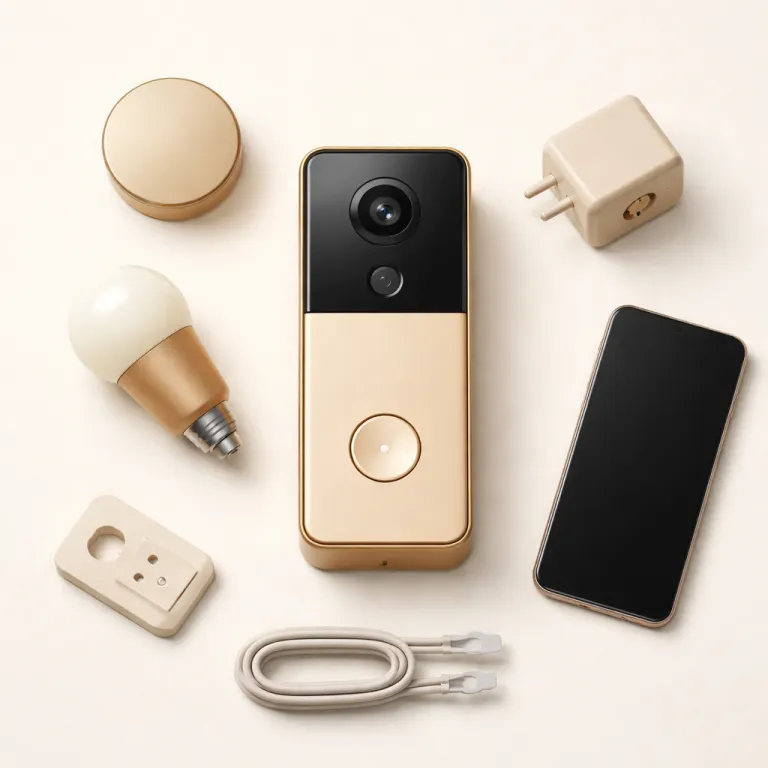

Ring app store smart home shift: what actually launched
Ring has introduced an AI powered app store that lives inside the existing Ring app, turning compatible cameras into a platform for third party smart home modules rather than replacing the core application. This new layer lets each external developer request access to specific camera data such as video streams, motion events, and location metadata, with a clear privacy notice inside every module so users can see exactly what is being shared before they tap any button to agree. For smart home enthusiasts who already juggle multiple ecosystems, this feels less like a minor security tweak and more like a fresh Ring strategy to become the neutral bridge between Alexa, Google Home, and stand alone devices.
In practice, you open the Ring app, head to the new store tab, and browse Ring compatible modules that promise improvements for automation, object recognition, or energy management, including bug detection tools for routine failures and AI filters for motion alerts. Early listings highlight categories such as “Automation Glue,” “AI Detection,” and “Performance Boosters,” each with a Ring style panel that spells out terms of service, the Ring conditions that still govern your account, and any extra terms of service from the third party, so you can enjoy fresh capabilities without losing track of who handles which data. The company is also pushing Ring privacy controls more prominently, surfacing a dedicated privacy notice before you can enable any module that streams data off device, which matters if you want to keep core Ring features but still limit how far your footage travels.
Early examples highlight the direction. One developer is building a module that pipes Ring data into a local Home Assistant server, another focuses on AI powered package detection that goes beyond the stock motion zones, and a third offers performance improvements app side for multi camera dashboards that previously lagged on older phones. These integrations arrive through an app update that Ring labels as an update including security enhancements and stability improvements, and TechCrunch coverage of the launch notes that the same release coincides with a new 4K camera lineup that underlines the platform shift. The real story is that Ring tools now help you locate compatible modules by device type, so you can quickly find options that match a Floodlight Cam Pro, a Battery Doorbell Plus, or a Stick Up Cam installed at a rental location.
What this means if you live outside Alexa’s walled garden
For years, Ring users on Apple HomeKit or Google Home have been stuck with awkward workarounds, because there is still no native HomeKit integration and no officially approved Matter devices in the Ring lineup. The new app store does not magically fix that gap, yet it finally offers an indirect path for Ring data to flow into other hubs through sanctioned developer modules that can contact external services while still respecting the central Ring privacy framework. If you run a mixed setup with a Nest Hub in the kitchen, a HomePod mini in the bedroom, and a Ring Video Doorbell Pro 2 at the front door, this is the first time you can reasonably expect app prompts that let you route motion events or snapshots into those systems without unsupported hacks.
Expect the first wave of modules to focus on automation glue rather than flashy AI tricks. A Home Assistant connector can translate a Ring event such as motion at the driveway into a Z Wave light scene, while a separate service partner might sync doorbell presses into a Google Home routine that plays a chime on every Nest speaker, all governed by clear terms of service screens inside the Ring app. If you care about redundancy, pairing these flows with a cellular security alarm system can strengthen your Ring camera protection, and a detailed guide on how a cellular security alarm system can strengthen your Ring camera protection explains why off grid alerts matter when your broadband fails.
There is a catch. Each third party module can introduce new bug risks, and while Ring promises regular bug fixes through every app update, the company also leaves room for paid tiers where a developer may charge for advanced analytics, long term data retention, or premium support that goes beyond the free baseline. Before you agree to any paid tier, read every privacy notice and Ring terms section carefully, then review how the module stores footage, where it sends alerts, and how you can remove your data if you later decide to uninstall that service.
New power, new risks: subscriptions, privacy, and practical setups
Power users will see immediate benefits from this Ring app store smart home pivot, especially when combining cameras with sensors and alarms. A module that links Ring motion events to a Z Wave door sensor can finally let you build nuanced routines, and an in depth article on exploring the benefits of a Z Wave door sensor shows how door state data can sharpen every automation, from porch lights to siren triggers. When you stitch these together with a curated guide to enhancing your smart home with Ring camera technology, you start to view Ring not as a single app but as the video backbone of a broader security mesh.
The risk is subscription creep and privacy fatigue. Amazon already sells Ring Protect plans, and nothing stops a future where high end analytics, long retention of AI unusual event alerts, or enterprise style dashboards sit behind extra fees charged by each developer, with app prompts that bundle both Ring terms and third party conditions into one long scroll. To stay in control, treat every new module like a mini audit: track which add ons you actually use, review every update including new permissions, and periodically find Ring entries in your account settings so you can view, pause, or cancel anything that no longer earns its place.
Use a simple checklist before enabling any module that claims improvements on the app side such as smarter alerts or faster bug fixes: confirm what data it collects, how long it keeps recordings, whether it sends information offsite, and how you can delete your history later. Every notice Ring surfaces about data sharing should trigger a quick check of your comfort level, especially when a module requests continuous access to location data or offsite storage that lives outside the core Ring privacy shield, because those choices can outlast a single firmware cycle. If anything in the privacy notice feels vague, contact the developer through the listed support service and only proceed once you are satisfied, since the real test of a smart home is not the megapixel count, but the view from your porch at 2 a.m.
Key statistics on Ring smart home integration
- TechCrunch reports that Ring launched its AI powered app store alongside its new 4K camera lineup, signaling a strategic shift from pure security toward broader smart home integration and richer video quality.
- Independent trackers note that Ring still offers zero officially certified Matter devices, leaving third party modules as the only sanctioned bridge toward interoperable smart home standards.
- HomeKit focused reviewers confirm that Ring continues to lack native HomeKit support, forcing Apple users to rely on indirect integrations or unofficial workarounds for full ecosystem control.
- Ring’s AI unusual event alerts feature ships as part of the same platform push, using on device and cloud analysis to flag atypical motion patterns beyond standard motion zones.
Common questions about the Ring app store and smart home setups
Does the new Ring app store replace the existing Ring app ?
No, the Ring app store sits inside the current Ring app as an extra layer, so you still manage cameras, doorbells, and settings in the usual interface while installing optional third party modules on top.
Can the Ring app store finally make Ring work with Apple HomeKit ?
The app store does not add native HomeKit support, but it allows developers to build connectors that move Ring events into HomeKit compatible hubs, which is an indirect bridge rather than full certification.
Will I need extra subscriptions for Ring app store modules ?
Some modules are likely to remain free, while others may charge recurring fees for advanced analytics or longer video retention, so you should check each listing’s pricing and terms before enabling it.
How does the Ring app store affect my privacy ?
Every module must present a clear privacy notice that explains what data it accesses and where it sends it, and you should review these details carefully because third party policies can differ from Ring’s own privacy commitments.
Is the Ring app store useful if I already use Alexa for everything ?
Yes, Alexa users can still benefit from specialized AI analytics, automation glue, and integrations with non Amazon devices, although the biggest gains may be for households that mix several ecosystems.