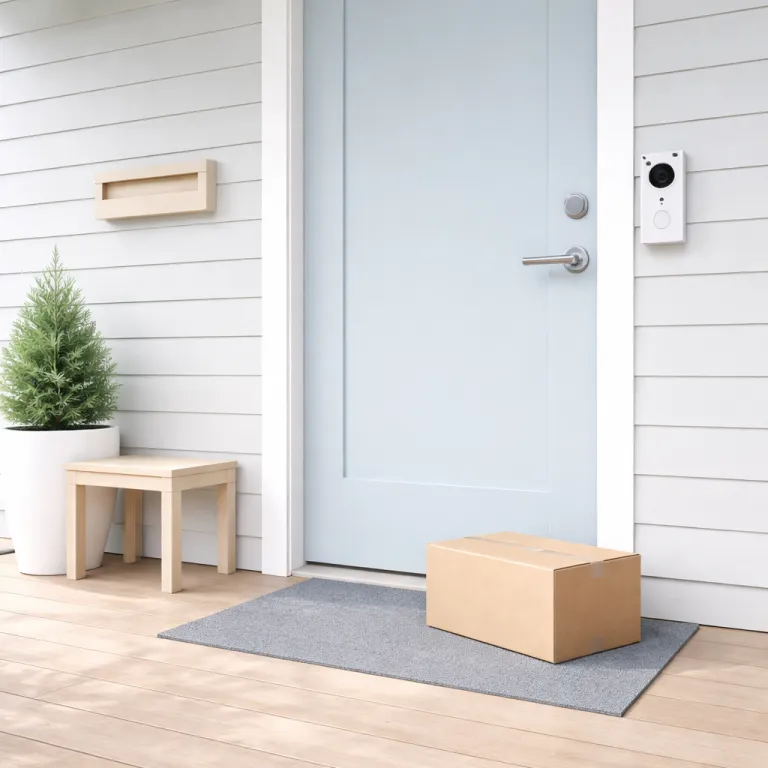
What a Ring subscription really buys you on a single camera
Most renters ask whether a Ring subscription plan is worth it only after installing the first ring camera. The marketing suggests that every ring device becomes a full security system once you pay for a subscription, but the reality is that the free tier already gives you live view, motion alerts, and basic peace of mind if you mostly watch events in real time. For a budget conscious renter with one battery doorbell or a single indoor camera, the question is not whether Ring Protect exists, but whether the subscription worth the ongoing cost for footage you rarely read or review.
On a bare ring doorbell or stand alone ring camera without any subscription, you can still open the ring app and use live view whenever the Wi Fi cooperates. You will receive motion notifications, you can talk through two way audio, and the device will still act as a deterrent because the camera and doorbell pro style ring products look like serious security hardware on your wall. What you lose without ring subscription is cloud video recording, rich notifications with thumbnails, and the ability to scroll back through a timeline when you wake up and want to see who rang at 02:00.
The basic ring Protect plan, often called the Ring Protect Basic subscription, costs about the price of a cheap lunch each month for one ring device. It unlocks up to 180 days of event video history, snapshot captures every few minutes, and person detection on many newer model cameras doorbells combinations, which can reduce useless alerts from passing cars. For a single video doorbell on an apartment door, that means you will finally have clips to send to your landlord or the police if a parcel vanishes, but you should ask how often you actually need that level of recorded evidence.
From a pure numbers angle, paying a subscription ring fee for one battery doorbell or one indoor camera means your total cost after three years can quietly exceed the original price of the device. A ring battery powered video doorbell that costs around two hundred euros up front will be joined by roughly one hundred eighty euros in subscription charges over three years, and that is before you consider any extended warranty or replacement battery. For many renters who move every couple of years, that long term spend on ring subscription can feel less like security and more like rent on your own video history.
There is also the question of how you actually use your ring doorbell or ring camera day to day, because usage patterns decide whether the subscription is worth the recurring charge. If you mostly rely on live view when you hear a noise in the hallway, and you rarely scroll back through old clips, then the free tier already covers your real behaviour. In that scenario, the ring subscription plan worth it narrative pushed by marketing does not match the lived experience of a renter who just wants to see who is at the door right now.
By contrast, if you share your apartment with flatmates, or you travel often and need to read and review every motion event, the value of ring Protect changes. Having a searchable video history from your video doorbell or indoor ring camera can resolve disputes about deliveries, guests, or noise complaints, especially when you cannot be home to watch live. For that kind of household, the subscription ring cost becomes part of the overall ring security budget, similar to paying for renter insurance rather than a one time lock upgrade.
One subtle point many buyers miss is that the basic ring Protect plan also extends the standard warranty on your ring products as long as the subscription stays active. That extended warranty can be meaningful if you rely on a battery doorbell that lives outdoors in harsh weather, or a ring alarm base station that must stay online for years. Still, a warranty only pays off if the device fails, so you should not treat it as automatic extra value when you calculate whether the subscription worth the monthly fee for your specific model and living situation.
For a single camera or doorbell pro style device in a small flat, my view is clear. Start with the free trial that comes with most new ring products, use every feature hard for thirty days, and then cancel to see what you actually miss in daily life. If you find yourself constantly wishing you could rewind video or share clips from your ring doorbell, then and only then has the ring subscription plan proved itself worth paying for beyond the marketing promises.
When unlimited Ring Protect makes sense, and when it quietly drains your budget
The jump from the basic ring Protect plan to the so called unlimited tier is where the ring subscription plan worth it debate becomes more complicated. On paper, paying roughly twice as much per month to cover every ring device in your home sounds like the best bargain, especially once you own three or more cameras doorbells combinations. In practice, many renters never reach that number of devices, yet still get nudged into the higher tier by upsells in the ring app and on the checkout page.
For a typical renter with one ring doorbell and maybe one indoor ring camera watching the living room, the unlimited plan is often overkill. You are paying for the ability to add more devices later, but until you actually mount that third camera, the math is simple and not in your favour. Two devices on the basic plan cost less than the unlimited tier, so unless you already run a ring alarm system plus multiple cameras, the subscription ring upgrade is a future promise rather than present value.
The unlimited tier does add some extra features beyond just covering more devices, such as professional monitoring for ring alarm in some regions, but that is usually irrelevant for renters who cannot install full sirens or wired sensors. If your landlord will not allow you to screw a siren into the stairwell, then paying for monitoring you cannot fully use is wasted budget. In that case, the best approach is to keep your setup lean, with one or two battery powered cameras and a basic subscription that matches the actual number of devices you own.
There is also a psychological trap at work when you see the price difference between one camera and unlimited cameras. The small extra monthly fee feels trivial, so you click upgrade, then feel pressure to buy more ring products later to justify the higher subscription. That is how a single battery doorbell on your apartment door slowly turns into a ring camera on the balcony, another camera in the hallway, and maybe a ring alarm keypad by the entrance, all feeding a subscription ring habit that started with a simple doorbell pro style upgrade.
If you are already deep into the ecosystem with several ring device models, the unlimited plan can genuinely be the best financial choice. Three or more cameras doorbells setups, especially when combined with a ring alarm base station, usually cross the break even point where the higher tier costs less than multiple basic plans. In that scenario, the ring subscription plan worth it question shifts from price to usage, and you should ask whether every camera really needs cloud recording or whether some can run on live view only.
Renters have one more lever to pull before committing to any long term subscription worth debating. You can rotate which devices sit on a paid plan, focusing ring Protect on the most critical entry points like the main video doorbell, while leaving a secondary indoor camera on the free tier with live view only. This manual juggling is not elegant, but it keeps your ring security coverage aligned with your actual risk, rather than with the maximum number of devices the ring app can list.
For a deeper breakdown of what the basic Ring Protect subscription really includes, and how it interacts with each ring camera model, a detailed guide on understanding the essentials of the Ring home basic subscription for your security needs can help you map features to your own apartment layout. Use that kind of breakdown to sketch a simple table with each ring device you own, the features you actually use, and the subscription tier that matches those habits. When you see the numbers and features side by side, it becomes much easier to resist the subtle pressure to upgrade just because unlimited sounds like the best deal.
In the end, unlimited Ring Protect is obvious value only when your home already looks like a small showroom of ring products, with multiple cameras doorbells and perhaps a ring alarm system that you actively monitor. For the average renter with one or two devices, the higher tier is less a bargain and more a quiet drain, turning a modest one time camera purchase into a recurring bill that follows you from lease to lease. The smart move is to let your actual device count and viewing habits, not the marketing language in the ring app, decide whether the ring subscription plan is truly worth the upgrade.
Hidden trade offs: encryption, privacy, and features you pay for but never use
Once you move past price, the next layer in the ring subscription plan worth it debate is how Ring handles privacy and advanced features. Many renters assume that paying for ring Protect automatically gives them the best possible security, both in terms of physical protection and data privacy, but the reality is more nuanced. Some of the most privacy friendly options, such as end to end encryption, quietly disable features that you might be paying for in your subscription.
End to end encryption, often shortened to E2EE, allows your ring camera or video doorbell to encrypt footage so that only your devices can decrypt it, even when the clips sit on Ring servers. That sounds like the best possible outcome for privacy, yet enabling it can turn off some subscription features like rich notifications, certain smart integrations, and in some cases sharing clips easily with neighbours or the police. You end up in a strange position where the more you try to protect your data, the less value you get from the subscription ring features you are funding each month.
For a renter who mainly wants to protect parcels and track who comes to the door, this trade off matters. If you enable E2EE on a ring doorbell or ring camera at your apartment entrance, you might lose the ability to quickly share a video clip with building management through the ring app, which is one of the main reasons many people pay for ring Protect in the first place. You will still have live view and local playback on your phone, but the friction of exporting and sharing clips grows, and that can make the subscription worth less in daily practice.
There is also the question of how often you actually use advanced analytics that come with some higher end ring device models. Features like package detection, person only alerts, and custom motion zones sound impressive in a product review, yet many renters leave them at default settings or turn them off after a few false alarms. If you rarely tweak these options on your video doorbell or indoor camera, then you are effectively paying for a pro level feature set while using the device like a basic motion sensor with video attached.
Comparing Ring with competitors such as Google Nest cameras helps clarify what you are really buying. Google Nest often includes more generous free video history on some models, while Ring leans harder on the subscription ring model to unlock almost all recording. When you place a ring camera and a Nest camera side by side in a hallway, the difference is not just in video quality, but in how quickly the monthly subscription costs overtake the original device price.
For renters who want to stay in the Ring ecosystem but squeeze maximum value from every euro, it can help to map which features you actually touch in the ring app over a typical week. Do you use live view every evening when you hear footsteps outside, or do you mostly scroll through the event history in the morning while you drink coffee. That simple audit often reveals that the ring subscription plan worth it for you is not the one with the longest list of bullet points, but the one that matches your real habits with your ring doorbell and ring camera devices.
If you are still unsure how much value you personally get from the paid tier, a detailed explanation of understanding the benefits of a Ring camera subscription can provide a structured checklist of features to test. Use that checklist during your free trial period, and be ruthless about turning off anything you do not use, from advanced motion zones to smart assistant integrations. When you see which features you miss after a week, you will know whether the subscription worth the ongoing cost or whether the free tier plus occasional manual checks of live view is enough.
Privacy conscious renters should also remember that no subscription can fully replace good physical habits, such as locking doors, using peepholes, and not relying solely on a battery powered video doorbell for building access control. A ring subscription can help you protect your space by recording what happens, but it does not stop someone from tailgating into the building or following a delivery driver through a propped open door. The real value lies in how you combine the digital layer of ring security with everyday awareness, not in how many premium toggles you enable inside the ring app.
Renter friendly strategies: going cloud light, planning for price hikes, and avoiding lock in
For renters, the most honest way to approach the ring subscription plan worth it question is to start from your lease, not from the spec sheet. You probably cannot drill into walls freely, you might move within a couple of years, and you may share Wi Fi with flatmates who do not want a dozen cameras watching every corner. That reality makes wireless, battery powered ring products such as the Ring Battery Doorbell Plus or the compact indoor ring camera more attractive, but it also changes how you should think about long term subscriptions.
One smart tactic is to build a cloud light setup that leans on live view and local habits rather than on endless cloud storage. Mount a single battery doorbell at your main entrance, maybe add one indoor ring camera pointed at the front door from inside, and rely on the free tier plus occasional short bursts of ring Protect during risky periods like holidays. This seasonal approach keeps your subscription ring costs low while still giving you recorded video when parcel theft or break ins are more likely.
Another option is to pair your ring device with non cloud tools, such as a simple mechanical timer for lights or a cheap local network recorder that captures the live view feed when you are home. While Ring does not officially support full local recording for most consumer models, some renters use screen recording on a tablet or a spare phone running the ring app to capture important events without paying for constant cloud storage. It is not elegant, but for a budget constrained household, this kind of workaround can make the subscription worth paying only during specific months rather than all year.
Price hikes are the elephant in the room for any long term ring subscription plan. Ring Protect tiers have already been repriced upward more than once, and there is no guarantee that the current rates will hold for the full lifespan of your ring doorbell or ring camera. If Amazon raises prices again while you are mid lease, you need a plan that does not leave your home security strategy tied to a single subscription ring model you can no longer comfortably afford.
The best defence is to treat every subscription as temporary and renegotiable. When your free trial ends, cancel and live with the free tier for a month, then re subscribe only if you genuinely miss the features, and repeat that experiment whenever prices change. This habit keeps you in control of the ring subscription plan worth it calculation, instead of letting automatic renewals quietly turn a one time camera purchase into a permanent line item in your monthly budget.
Renters should also think about portability when choosing specific ring products and models. A battery doorbell that mounts with adhesive or a no drill bracket can move with you to the next flat, while a wired doorbell pro that required landlord approval might have to stay behind when you hand back the keys. Guides such as this overview of no drilling, no deposits Ring cameras a renter can actually install show how to build a flexible setup that keeps both your landlord and your future self happy.
Lock in is not just about hardware, but also about habits and expectations. Once you get used to scrolling through a 180 day video history from your video doorbell, it becomes harder to imagine going back to live view only, even if you rarely need old clips. That is why it helps to occasionally step back and ask whether the ring subscription plan worth it for you today would still feel worth it if the price rose by another few euros per month next year.
If that hypothetical price bump makes you flinch, start trimming now by reducing the number of devices on paid plans, shortening your video retention period where possible, or even testing a competing camera from Google Nest or another brand for one entrance. A mixed setup with one ring camera and one competitor device can keep any single company from dictating your entire security budget. In the end, the most effective home security for renters is not the system with the longest spec sheet, but the one that still feels affordable, flexible, and under your control when you check the ring app at two in the morning and see exactly what you need to see.
Key figures on Ring subscriptions and home security cameras
- Consumer Reports has noted that without any paid subscription, Ring devices keep almost no recorded footage, which means renters relying on free tiers get live view and alerts but lose the ability to review past events when disputes arise.
- Ring Protect plans typically offer up to 180 days of event video history and around 14 days of snapshot storage, so a renter paying for three years of coverage on a single camera can easily spend close to the original hardware price again just on cloud storage.
- Industry surveys of smart home adoption have found that many households use fewer than half of the advanced features included with their security subscriptions, suggesting that a significant share of renters pay for analytics and integrations they rarely enable in the app.
- Comparisons between Ring and Google Nest camera ecosystems show that Ring leans more heavily on subscriptions for core recording features, while some Nest models include limited free history, which can change the long term cost balance for budget conscious renters.
- Market analyses of subscription based hardware businesses indicate that recurring service revenue often surpasses device sales over time, which aligns with how a modest Ring setup can turn into a substantial multi year commitment if every new camera is added to a paid plan.