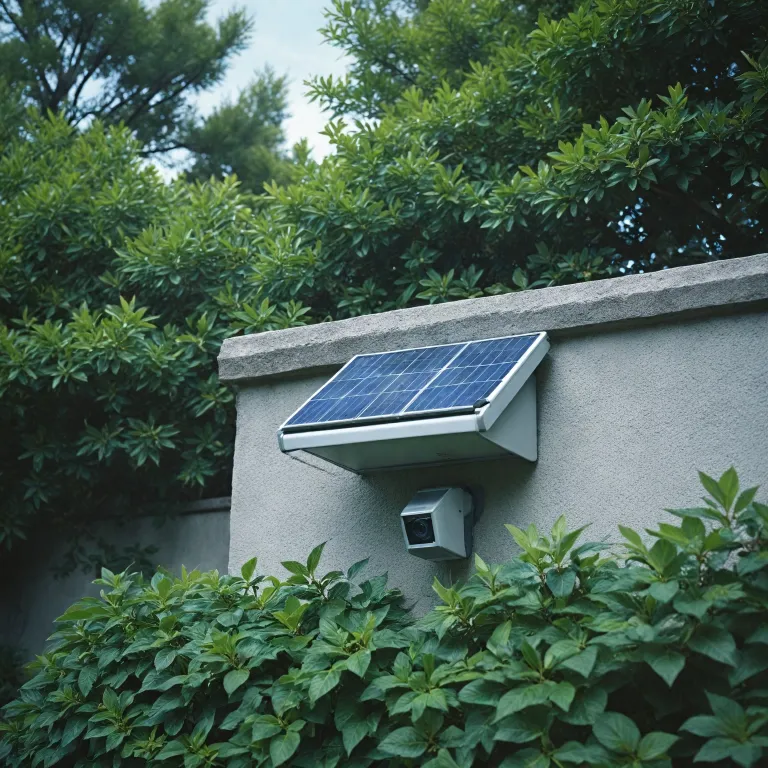

Understanding solar powered wireless cameras
What Makes Solar Powered Wireless Cameras Different?
Solar powered wireless cameras are changing the way homeowners approach outdoor security. Unlike traditional security cameras that rely on wired power sources, these cameras use solar panels to harness energy from direct sunlight. This means you get a wire free setup that’s easier to install and maintain. The solar panel charges a built-in battery, so your camera stays powered even during cloudy days or at night.
Many of the best solar security cameras, like those from Tapo, Google Nest, and other brands available on Amazon, offer smart features such as motion detection, color night vision, and two-way audio. These features help you monitor your property in real time, whether you’re at home or away. Wireless connectivity lets you access live video feeds and receive alerts on your phone, making it simple to keep an eye on things from anywhere.
How Solar Panels Power Your Security Camera
The heart of a solar powered camera system is its solar panel. When placed in direct sunlight, the panel converts solar energy into electricity, which charges the camera’s battery. This setup is ideal for outdoor security, especially in areas where running electrical wires is difficult or expensive. Some models come as a pack save bundle, letting you cover more areas at a better price eur. Others are sold as single units, so you can shop for the best fit for your needs.
- Wire free installation: No need for complex wiring or drilling
- Continuous power: Solar panels keep the battery charged for uninterrupted operation
- Flexible placement: Install cameras in locations with the best view, not just where power outlets are available
Solar powered security cameras are available in a range of price eur points, from budget-friendly options to premium models with advanced features. When comparing options, consider the regular price, sale price, and whether a pack save deal is available. For a detailed comparison of the top solar powered security cameras for your home, check out our in-depth guide.
In the next sections, we’ll look at the benefits of solar security cameras, what features to prioritize, and how to get the most out of your investment.
Key benefits of solar powered wireless cameras
Why Choose Solar Powered Wireless Cameras for Home Security?
Solar powered wireless cameras are quickly becoming a top choice for homeowners looking to boost their outdoor security. These smart devices combine the flexibility of wireless installation with the eco-friendly benefits of solar panels, making them a practical and sustainable solution. Here’s why more people are turning to solar security cameras for their homes:
- Wire-Free Convenience: With no need for electrical wiring, solar powered cameras are easy to install almost anywhere around your property. This wire free setup means you can place your camera in the best spot for coverage, even in areas far from power outlets.
- Continuous Power Supply: The solar panel harnesses energy from direct sunlight, keeping the camera’s battery charged throughout the day. This reduces the risk of downtime and ensures your security camera is always ready to record, even during power outages.
- Cost Savings: By relying on solar panels for power, you can save on electricity bills and avoid the expense of running new wiring. Many solar security cameras, like those from Tapo or Google Nest, offer competitive price points and frequent sales on platforms like Amazon, making them accessible for most budgets. Look for deals such as pack save or sale price offers to get the best value.
- Advanced Features: Modern solar powered security cameras come equipped with features like HD video, color night vision, and smart motion detection. These enhancements provide clear footage day and night, helping you monitor your property more effectively.
- Eco-Friendly Solution: Using solar panels reduces your carbon footprint and supports a more sustainable lifestyle. Solar powered outdoor security cameras are a smart choice for those who want to protect their home while caring for the environment.
Whether you’re comparing the best solar cameras or weighing the price eur of different models, solar powered security cameras offer a unique blend of convenience, performance, and sustainability. For a deeper dive into how these cameras can transform your home security, check out this guide on how a solar wireless camera can enhance your home security.
Challenges and limitations to consider
Potential Drawbacks and What to Watch Out For
While solar powered wireless cameras offer impressive advantages for outdoor security, there are a few challenges and limitations that buyers should keep in mind. These factors can impact the overall performance and reliability of your security setup, especially when compared to traditional wired or battery powered security cameras.
- Dependence on Sunlight: Solar panels require direct sunlight to charge the camera’s battery efficiently. In areas with frequent cloudy weather or shaded installations, the camera may not receive enough power, leading to reduced performance or downtime. This is especially important for outdoor security in regions with long winters or limited sun exposure.
- Battery Limitations: Even the best solar powered cameras rely on built-in batteries to store energy. Over time, these batteries can degrade, affecting the camera’s night vision and video quality. If the battery drains faster than it charges, you might experience interruptions in your security coverage.
- Installation Constraints: Placement is crucial. The solar panel must be positioned to maximize sunlight, which can limit where you install the camera. Some properties may not have optimal spots for both security coverage and solar exposure, especially if you want to monitor specific outdoor areas.
- Weather and Environmental Factors: Harsh weather, dust, or debris can reduce the efficiency of solar panels. Regular cleaning and maintenance are needed to ensure consistent power supply and clear video footage, especially for smart cameras with advanced features like color night vision.
- Price and Value: Solar powered security cameras can have a higher upfront price (often listed in EUR on shop sites like Amazon) compared to regular battery powered or wired models. While you may save on energy costs, consider the total cost of ownership, including potential replacement of batteries or panels.
- Compatibility and Features: Not all solar cameras offer the same features. Some models, like Tapo or Google Nest, may have better integration with smart home systems, while others focus on basic wireless video monitoring. Always compare features like night vision, video resolution, and wireless connectivity before making a purchase.
For those looking to get the most out of their solar security setup, investing in the right accessories can help address some of these challenges. For more insights on optimizing your system, check out this guide on enhancing your home security with camera accessories.
Installation tips for optimal performance
Finding the Right Spot for Maximum Sunlight
For your solar powered wireless camera to work at its best, placement is everything. Make sure the solar panel gets direct sunlight for most of the day. Shaded areas or spots blocked by trees, roofs, or walls can reduce the panel’s ability to charge the battery. South-facing locations are usually ideal for solar panels in most regions. If you’re using a camera pack with a separate solar panel, consider the length of the cable and the best angle for sun exposure.
Mounting Tips for Stability and Coverage
Outdoor security cameras need to be mounted securely to withstand wind and weather. Use the mounting hardware provided, and check that the surface is stable. For wireless cameras, make sure the Wi-Fi signal is strong enough at the installation point. Test the video feed and night vision before finalizing the position. Some smart cameras, like Tapo or Google Nest, offer adjustable mounts for flexible coverage. If you’re shopping on Amazon or comparing price EUR options, look for models with easy-to-install brackets.
Connecting the Solar Panel and Camera
Follow the manufacturer’s instructions to connect the solar panel to your powered security camera. Ensure all connectors are tightly sealed to prevent water ingress. For best solar charging, clean the panel regularly to remove dust or debris. Some solar security cameras come with a battery powered backup, so check the battery status in the app or on the device itself. If you have multiple panels or a pack save bundle, label each connection for easier troubleshooting later.
Optimizing for Night Vision and Video Quality
Position your camera to cover key areas like entrances, driveways, or outdoor spaces. Avoid pointing the lens directly at bright lights, which can affect night vision and color night video. Test the camera’s field of view during both day and night to ensure you’re getting the best coverage. Some of the best solar cameras offer enhanced night vision features, so compare models and regular price or sale price before you shop.
Wireless Connectivity and Power Management
Wireless outdoor security cameras rely on a stable Wi-Fi connection and consistent power from the solar panel. Place your router as close as possible to the camera, or use a Wi-Fi extender if needed. Monitor the battery level, especially during cloudy periods when solar panels may generate less power. Many smart security cameras send alerts if the battery is low or if the panel isn’t charging properly.
Essential features to look for
What Makes a Solar Powered Wireless Camera Stand Out?
When shopping for the best solar powered wireless security cameras, it’s important to focus on features that truly enhance your home’s security and make daily use easier. The right combination of technology and design can make a big difference in both performance and peace of mind.
- Reliable Solar Panel Integration: Look for cameras with high-efficiency solar panels that can keep the battery powered even in less than ideal sunlight. Direct sunlight exposure is key, but quality panels help maintain power even on cloudy days.
- Wire Free Installation: A true wireless camera should be easy to mount outdoors without running power cables. This not only simplifies setup but also allows for flexible placement around your property.
- Battery Powered Backup: Even the best solar cameras need a reliable battery. Check for models with long-lasting batteries that can store enough power for several days, ensuring continuous operation during periods of low sunlight.
- High-Quality Video and Night Vision: Security cameras should deliver clear video both day and night. Features like color night vision and HD video resolution help you see important details, even in low light.
- Smart Integration: Many modern cameras work with platforms like Google Nest or Amazon Alexa, making it easier to monitor your home through your favorite smart devices. This also allows for features like motion alerts and remote viewing.
- Weatherproof Design: Outdoor security cameras must withstand rain, wind, and temperature changes. Look for weather-resistant ratings to ensure your investment lasts.
- Flexible Storage Options: Some cameras offer cloud storage, while others use local SD cards. Consider which option best fits your privacy and budget needs.
- Competitive Price: Compare the regular price and sale price (eur) across brands like Tapo, Ring, and others. Sometimes, a pack save deal can offer better value if you need multiple cameras.
Choosing a solar powered wireless camera with these essential features will help you get the most out of your investment, ensuring reliable, wire free, and smart outdoor security for your home.
Maintenance and troubleshooting
Keeping Your Solar Security Camera in Top Shape
Regular care is key to getting the best performance from your solar powered wireless camera. Even the best solar security cameras need a bit of attention to keep delivering clear video and reliable night vision. Here are some practical tips to help you maintain your camera and troubleshoot common issues:- Clean the solar panel regularly. Dust, leaves, or bird droppings can block sunlight and reduce power. Use a soft cloth and gentle cleaner to wipe the solar panels every few weeks, especially if your camera is mounted outdoors in a spot with lots of trees or wind-blown debris.
- Check the battery status. Most smart solar cameras, like Tapo or Google Nest, have an app that shows battery health. If you notice the battery draining quickly, make sure the solar panel is getting enough direct sunlight throughout the day.
- Inspect for loose connections. Wireless outdoor security cameras can sometimes lose connection if the wiring between the camera and solar panel is disturbed by weather or animals. Secure all cables and check for damage, especially after storms.
- Test night vision and video quality. Review recorded footage to ensure the night vision is working and the video is clear. If you notice blurry images or poor color night performance, clean the camera lens and check for obstructions.
- Update firmware and apps. Manufacturers like Amazon and Tapo regularly release updates to improve security and add features. Keeping your camera and app updated helps avoid bugs and ensures the best wireless performance.
- Monitor power output. If your solar powered camera isn’t charging as expected, compare the solar panel’s output to the manufacturer’s specs. Panels may lose efficiency over time or if they’re not angled correctly toward the sun.