

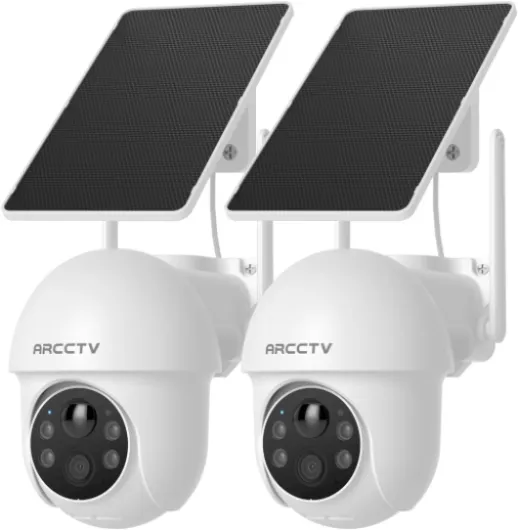
Understanding solar wireless camera technology
How solar technology powers wireless security cameras
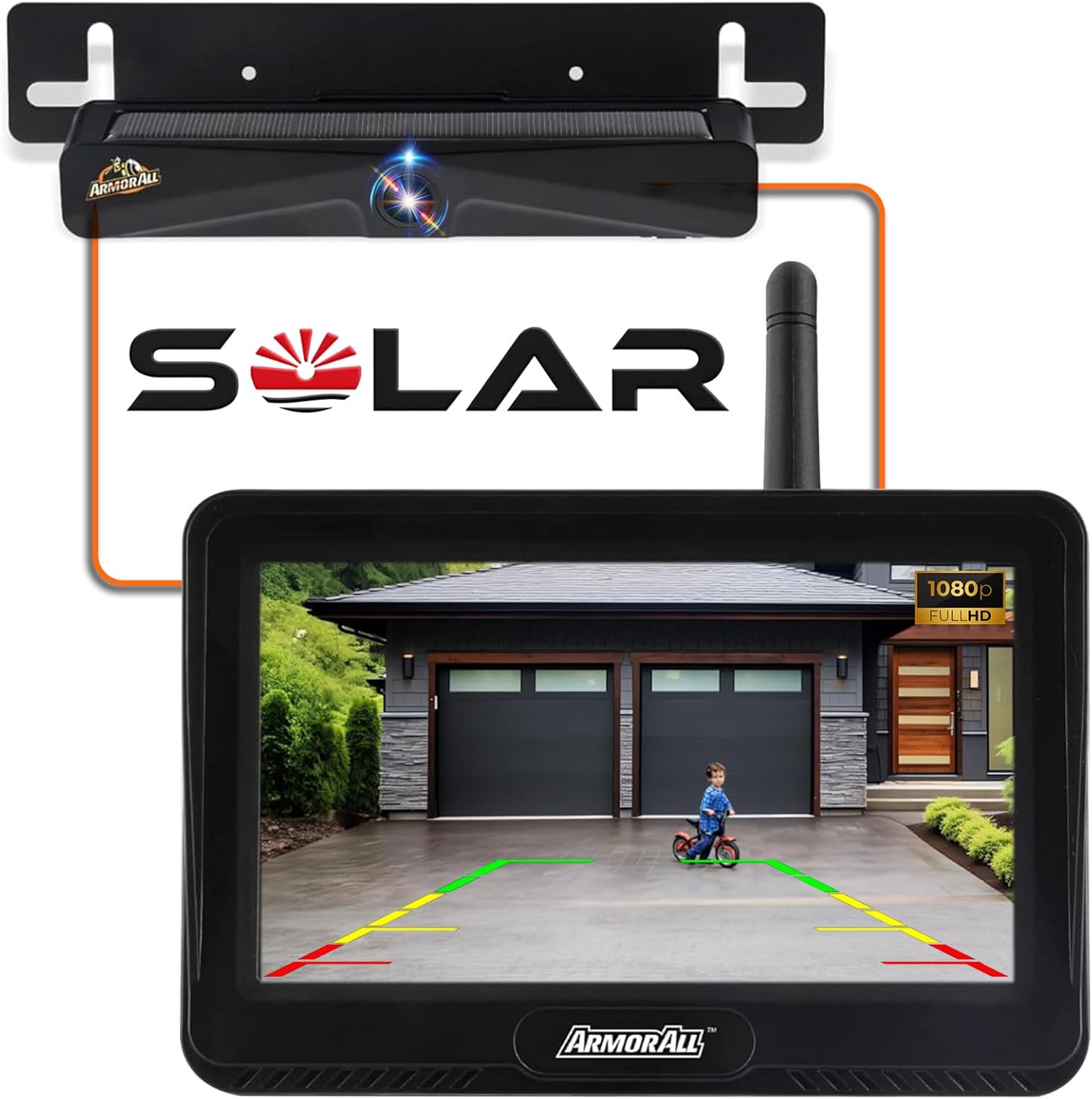
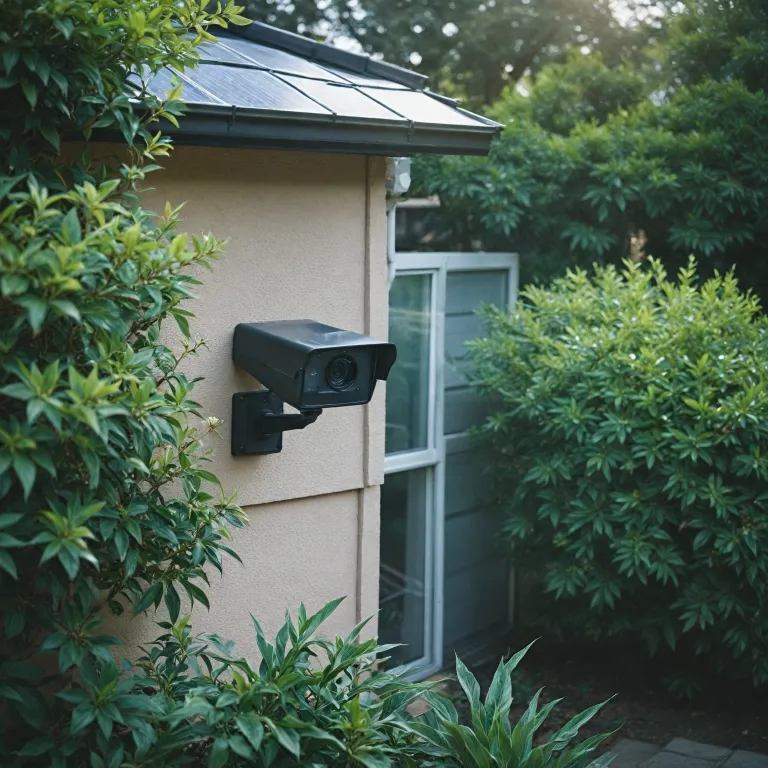
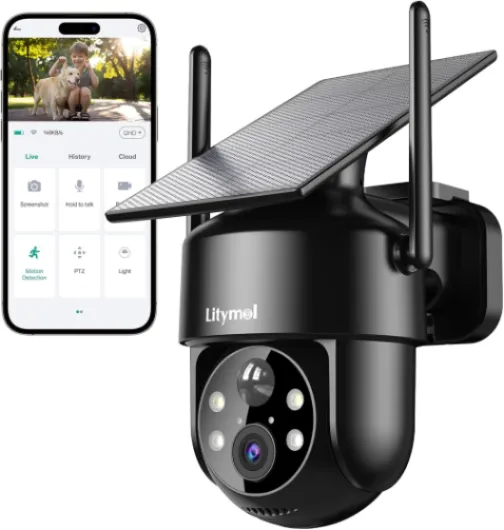
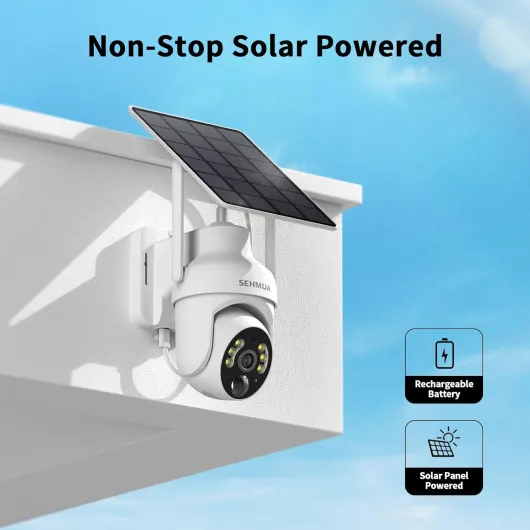
Solar wireless cameras are changing the way homeowners approach outdoor security. These devices combine solar panels with wireless technology, allowing cameras to operate independently from traditional power sources. The solar panel absorbs sunlight and converts it into electricity, which charges an internal battery. This setup means your security camera can run day and night, even during power outages, making it a reliable option for continuous surveillance.
Key components and how they work together
- Solar panel: Captures sunlight and generates power for the camera.
- Wireless connectivity: Connects the camera to your home network, enabling remote access and smart features.
- Battery storage: Stores excess energy for use during nighttime or cloudy days.
- Camera hardware: Includes video sensors, motion detection, and night vision capabilities for around-the-clock monitoring.
Many solar powered security cameras, like the Tapo Cam Pro and other wireless outdoor models, offer features such as color night vision and advanced motion detection. These features help capture clear video footage, even in low-light conditions. Some packs include multiple cameras and panels, allowing you to cover larger outdoor areas and save on price compared to buying individual units at regular price.
Why solar wireless cameras are gaining popularity
The demand for solar security cameras is growing due to their ease of installation and reduced reliance on electrical wiring. Homeowners appreciate the flexibility to place cameras in locations where running power cables would be difficult or expensive. Plus, with the increasing availability of deals and sale prices on platforms like Amazon, solar cameras are becoming more accessible for a wider range of budgets.
For those interested in how solar energy can support features like infrared lighting and night vision in security cameras, you can learn more in this guide to harnessing solar energy for infrared lighting in Ring cameras.
- + 2K resolution for clearer, more detailed video
- + 360° pan/tilt coverage to reduce blind spots
- + Wireless Wi‑Fi connectivity for flexible placement
- + Color night vision for better nighttime identification
- + Easy installation — quick setup advertised

Key benefits of using a solar wireless camera
Why solar-powered cameras stand out for home security
Solar wireless cameras are becoming a popular choice for outdoor security, and for good reason. These cameras use solar panels to recharge their batteries, which means you don’t need to worry about running wires or constantly replacing batteries. This makes them especially practical for areas where power outlets are hard to reach. With solar panels, your security camera can stay powered day and night, offering continuous protection for your home.
Key advantages of solar wireless security cameras
- Easy installation: Since these cameras are wireless and powered by solar panels, you can place them almost anywhere outdoors without the hassle of complex wiring.
- Cost savings: While the regular price of a solar security camera might be higher than some traditional models, you save on electricity and avoid the need for frequent battery replacements. Many brands offer a pack save or sale price, especially on platforms like Amazon.
- Continuous power supply: Solar panels keep the camera’s battery charged, so your security system stays active even during power outages. This is a big plus for outdoor security cameras.
- Smart features: Most solar cameras now come with motion detection, night vision (including color night vision), and smart integration with home systems. Models like Tapo and Cam Pro offer high-definition video and reliable night vision for clear footage after dark.
- Environmentally friendly: Using solar powered security cameras reduces your carbon footprint and reliance on the grid.
Comparing solar cameras to traditional options
When you compare solar powered security cameras to regular battery or wired cameras, the benefits become clear. Solar cameras offer more flexibility for placement and require less maintenance. They’re also ideal for areas where running power cables is not practical. The price may vary depending on features, such as video quality, battery size, and the number of panels included in the pack. Always check the price USD and look for deals to get the best value.
For a deeper look at how solar panel connectors play a crucial role in powering your security cameras, check out this guide to solar panel connectors in Ring cameras.
Challenges and limitations to consider
Potential Drawbacks and What to Watch Out For
While solar wireless cameras offer impressive advantages for outdoor security, there are a few challenges and limitations to keep in mind before making a purchase. Understanding these factors can help you make a more informed decision and avoid common pitfalls.
- Sunlight Dependency: Solar panels require consistent sunlight to keep your camera powered. If your installation area is shaded, or you live in a region with frequent cloudy weather, the battery may not charge enough to support continuous video recording or night vision. This can impact the reliability of your solar powered security camera, especially during winter months.
- Battery Life and Backup: Even with a solar panel, the built-in battery in many wireless outdoor cameras may not last through extended periods of low sunlight. Some models offer a backup battery pack, but it’s important to check the battery capacity and how long it can support your camera during cloudy days or at night.
- Installation Complexity: Positioning your solar panel for optimal sunlight exposure can be tricky, especially if your outdoor space has limited direct sunlight. Proper installation is crucial for performance. For detailed guidance, you can refer to this guide on securely installing your ring camera with a wall mount bracket.
- Price Considerations: Solar security cameras often come at a higher price compared to traditional wired models. While you may save on electricity costs, the initial price (regular price vs. sale price or deal) can be a deciding factor. Always compare the price USD and features, such as motion detection, color night vision, and smart integration, before buying.
- Performance Limitations: Not all solar cameras deliver the same video quality or night vision capabilities. Some budget models may have limited resolution or lack advanced features like motion detection or color night vision. Brands like Tapo and Cam Pro offer different packs and features, so review product specs carefully.
- Maintenance Needs: Outdoor solar panels can accumulate dust, debris, or snow, which reduces charging efficiency. Regular cleaning and occasional battery checks are necessary to maintain optimal performance for your solar powered security cameras.
By weighing these challenges against the benefits, you can better decide if a solar wireless camera is the right fit for your outdoor security needs. Always consider your environment, the regular price versus pack save options, and the specific features you need, such as wireless connectivity, night vision, and smart home compatibility.
Installation tips for optimal performance
Best Practices for Placing Your Solar Wireless Camera
Getting the most out of your solar powered security camera starts with smart placement. For outdoor security, position the camera where it can capture key entry points and wide angles. Make sure the solar panel receives direct sunlight for most of the day. Avoid shaded areas caused by trees, roofs, or other obstacles, as these can limit the panel’s ability to recharge the battery efficiently. If your camera comes as a pack, consider spacing the cameras to cover multiple zones around your property.
Mounting and Adjusting the Solar Panel
Secure the solar panel firmly using the mounting hardware provided. Adjustable mounts allow you to tilt the panel for maximum sun exposure throughout the year. Some solar cameras, like the Tapo Cam Pro or other wireless outdoor models, offer flexible panel positioning to optimize charging. Regularly check for dust or debris on the panel and clean it to maintain peak efficiency. If you notice a drop in battery performance, inspect the panel and connections for any issues.
Ensuring Reliable Night Vision and Motion Detection
For effective night vision and motion detection, avoid pointing the camera directly at bright lights or reflective surfaces. This helps maintain clear video quality, especially in color night or infrared modes. Test the camera’s motion detection range and sensitivity to reduce false alerts from passing cars or animals. Many solar security cameras let you customize detection zones for more accurate alerts.
Optimizing Wireless Connectivity
Wireless outdoor cameras rely on a stable Wi-Fi connection for real-time video streaming and alerts. Place your camera within range of your router or consider a Wi-Fi extender if needed. Some security cameras can experience lag or dropped signals if placed too far from your network, so test the connection before finalizing installation. If you’re using a multi-camera pack, stagger their setup to avoid network congestion.
Monitoring Battery and Storage
Check the battery status regularly, especially after several cloudy days. Most solar powered security cameras provide app notifications for low battery. If your camera supports local storage, ensure the SD card is inserted and has enough space for video recordings. For cloud-based storage, review your plan to avoid unexpected price increases or data limits.
- Place the solar panel in direct sunlight for optimal charging
- Clean the panel regularly to maintain efficiency
- Test night vision and motion detection settings
- Ensure strong Wi-Fi signal for uninterrupted video
- Monitor battery and storage to avoid gaps in security
Integrating solar wireless cameras with smart home systems
Connecting Your Solar Cameras to Smart Home Platforms
Integrating solar wireless cameras with your smart home system can significantly boost your home security and convenience. Most modern solar security cameras are designed to work seamlessly with popular smart home platforms, such as Amazon Alexa, Google Home, and Apple HomeKit. This allows you to control your cameras, view live video feeds, and receive motion detection alerts directly from your smartphone or smart display.
- Compatibility: Before purchasing, check if the solar camera supports your preferred smart home ecosystem. Some brands, like Tapo and Cam Pro, offer wide compatibility, while others may be limited to specific platforms.
- App Integration: Most solar powered security cameras come with dedicated mobile apps. These apps let you adjust settings, review night vision footage, and monitor your outdoor security from anywhere. Look for features like color night vision and customizable motion detection zones for enhanced control.
- Voice Control: With smart integration, you can use voice commands to display camera feeds on compatible devices. For example, asking Alexa to "show the backyard camera" brings up a live view instantly.
- Automations: Integrate your solar cameras with other smart devices. For instance, set your outdoor lights to turn on when motion is detected at night, or trigger a smart siren if suspicious activity is captured by your wireless outdoor cam.
Maximizing Security and Convenience
Solar panels keep your cameras powered without the need for frequent battery changes or complicated wiring. When combined with smart home features, you get real-time alerts, easy video access, and the ability to monitor your property even when you are away. Some solar security cameras offer pack deals or sale prices, making it easier to cover multiple areas of your home without exceeding your budget. Always compare price, regular price, and price USD across different models to find the best value for your needs.
For those looking to create a comprehensive outdoor security system, integrating multiple solar cameras ensures full coverage and peace of mind. Features like night vision, motion detection, and wireless connectivity make these cameras a practical choice for modern smart homes.
Choosing the right solar wireless camera for your needs
Factors to Compare Before Buying
When choosing a solar wireless camera for your home security, it’s important to look at more than just the price. Consider how the camera will fit into your outdoor environment and your existing smart home setup. Here are some key points to help you make a confident decision:
- Power and Battery: Check if the camera is truly solar powered or if it uses a battery with a solar panel for charging. Some models offer a battery backup, which is helpful for cloudy days or at night.
- Video Quality and Night Vision: Look for cameras with high-definition video and color night vision. This ensures clear footage both day and night, which is essential for outdoor security.
- Motion Detection: Advanced motion detection can reduce false alerts and help you monitor real threats. Some wireless outdoor cameras offer customizable zones or smart notifications.
- Weather Resistance: Outdoor security cameras should be rated for weather resistance. Check the IP rating to ensure your camera can handle rain, dust, and temperature changes.
- Integration with Smart Home Systems: Make sure the camera is compatible with your smart home devices. Many solar cameras work with popular platforms, allowing for easy control and automation.
- Price and Value: Compare the regular price and sale price across different brands. Sometimes a pack save deal can offer better value if you need multiple cameras. Check for bundles that include solar panels or extra batteries.
- Brand and Support: Trusted brands like Tapo, Cam Pro, and others available on Amazon often provide better customer support and warranty options. Read reviews to gauge reliability and performance.
Quick Comparison Table
| Feature | Solar Camera | Regular Security Camera |
|---|---|---|
| Power Source | Solar panel, battery backup | Wired or battery only |
| Installation | Wireless, flexible placement | May require wiring |
| Outdoor Use | Designed for outdoor security | Some models indoor only |
| Night Vision | Color night vision, infrared | Varies by model |
| Price (USD) | Varies, often higher upfront | Lower, but may need extra power |
Take time to compare features, read user reviews, and consider your specific security needs. Whether you’re looking for a single cam or a multi-pack, the right solar powered security camera can offer reliable outdoor protection and long-term savings.