Wired versus wireless security cameras with local storage
The wired versus wireless debate matters more when you care about reliable local storage and continuous uptime. A wired security camera draws constant power and can write video to an NVR or NAS without worrying about battery life, while a wireless cam trades some reliability for easier placement and simpler DIY installation. If you want uninterrupted video archives, wired Ethernet or Power over Ethernet (PoE) usually beats Wi‑Fi for stability and bandwidth.
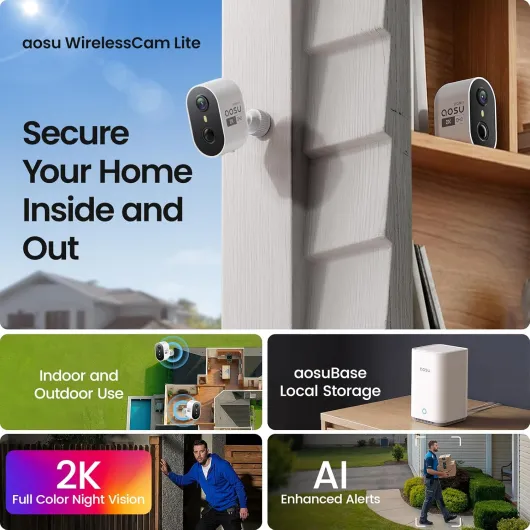
Wireless security cameras still appeal to renters and people who cannot drill walls, especially when a solar camera or battery‑powered outdoor camera offers flexible mounting. A battery‑powered camera with local storage on a microSD card can keep recording even during a power cut, although you must recharge it every few months depending on motion levels and recording mode. When you compare pros and cons of wired and wireless designs, think about how often you want to climb a ladder to service a cam, how harsh the weather is, and how critical continuous security really is.
Some of the best security cameras with local storage now combine wireless connectivity with solar panels and smart motion detection. A 4K solar security camera that supports local recording and optional cloud storage can cover a large driveway while keeping most video on site at full resolution. For a detailed example of how a wireless solar camera performs in real conditions, you can review this 4K LTE solar security camera outdoor test and compare its measured bitrates, card endurance, and video storage options to your needs.
How local storage compares with cloud storage for ring style cameras
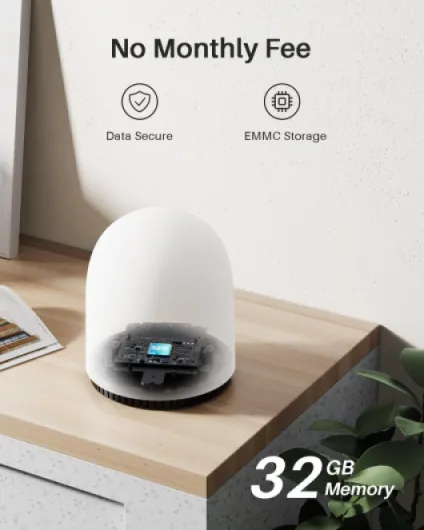
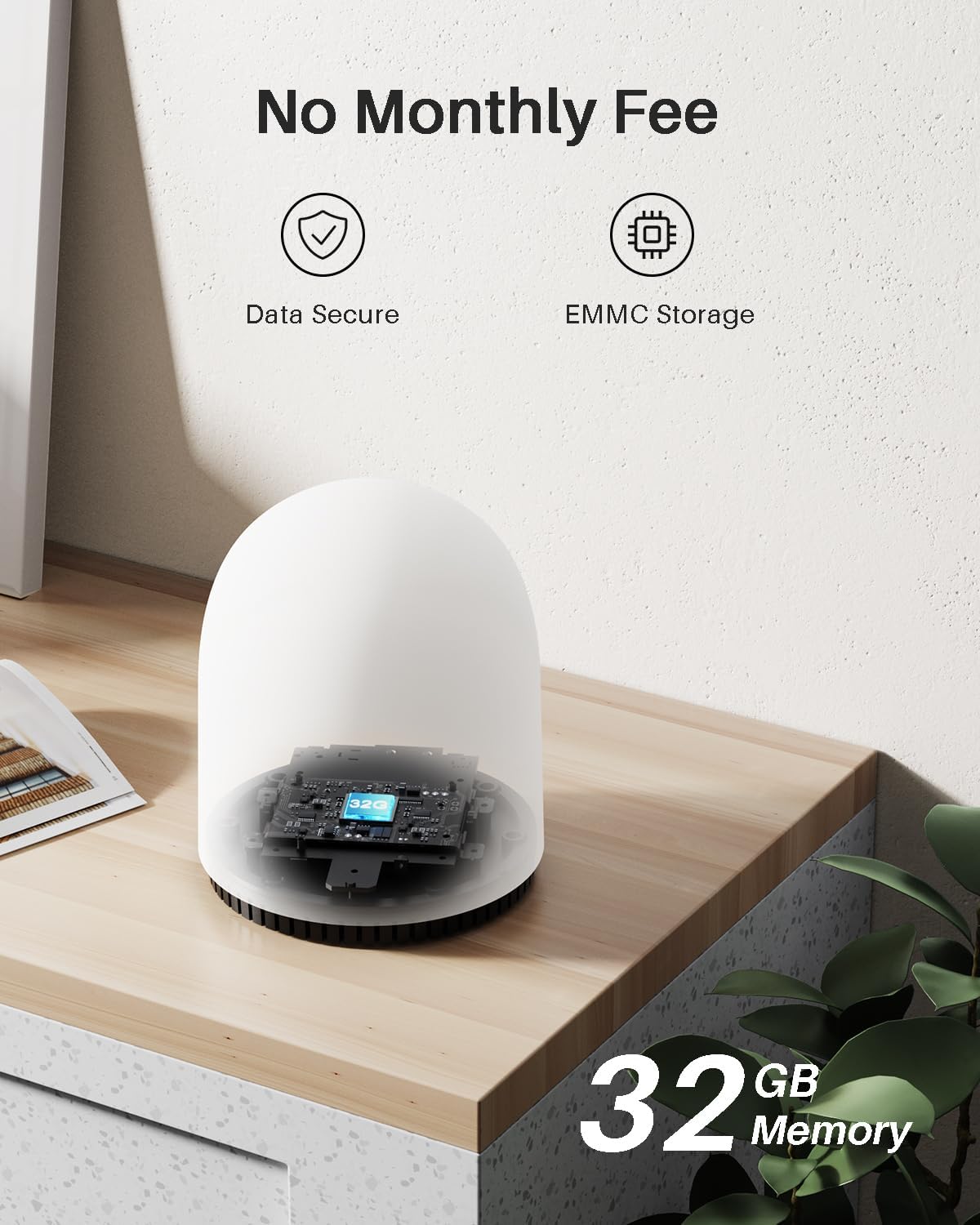
Local storage means your security camera saves video to a microSD card, USB drive, or network recorder inside your home or office. Cloud storage means the same security cameras upload video clips to remote servers, where you access them through an app or browser. Both approaches have pros and cons, and the best security cameras with local storage often let you mix the two so you can fine‑tune retention and privacy.
With local recording, you avoid recurring cloud subscription fees and keep sensitive security video under your own roof, often on drives you can physically remove. With cloud storage, you gain off‑site backup, easy sharing, and longer history if you pay for more video storage each month. Many smart security camera brands now offer hybrid models, where the camera with local recording keeps a rolling archive while important motion detection events sync to the cloud for redundancy.
People who like the Google Nest ecosystem often choose cloud‑first plans, while others prefer a recorder that works with local disks and does not depend on external servers for basic playback. Some Google Nest cameras with cloud storage now add limited on‑device buffering, but they still lean heavily on the cloud for full history and advanced analytics. If you want a more traditional recorder‑based setup, Power over Ethernet security cameras remain popular, and you can compare several options in this guide to top PoE security cameras that focus on robust local storage and higher sustained bitrates.
Smart features, motion detection, and night vision with local recording
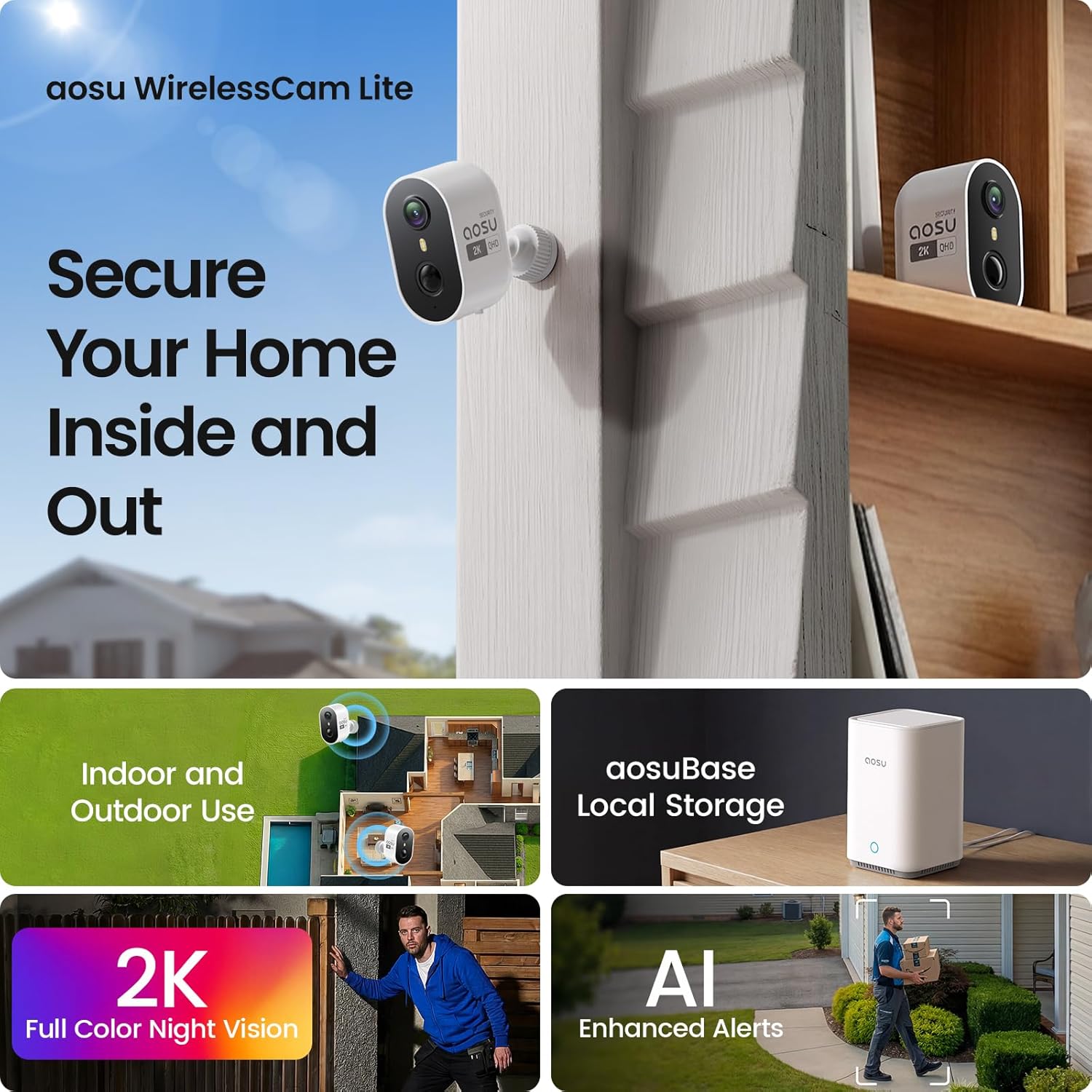
Smart features used to be reserved for cloud‑first systems, yet many of the best security cameras with local storage now run advanced analytics on the device itself. A modern indoor camera can perform motion detection, person recognition, and even package alerts without sending every frame to the cloud, using on‑device AI chips. This approach reduces bandwidth, protects privacy, and still gives you timely security notifications even when your internet connection is unstable.
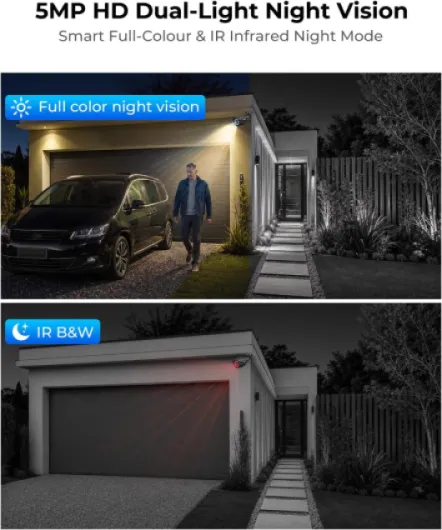
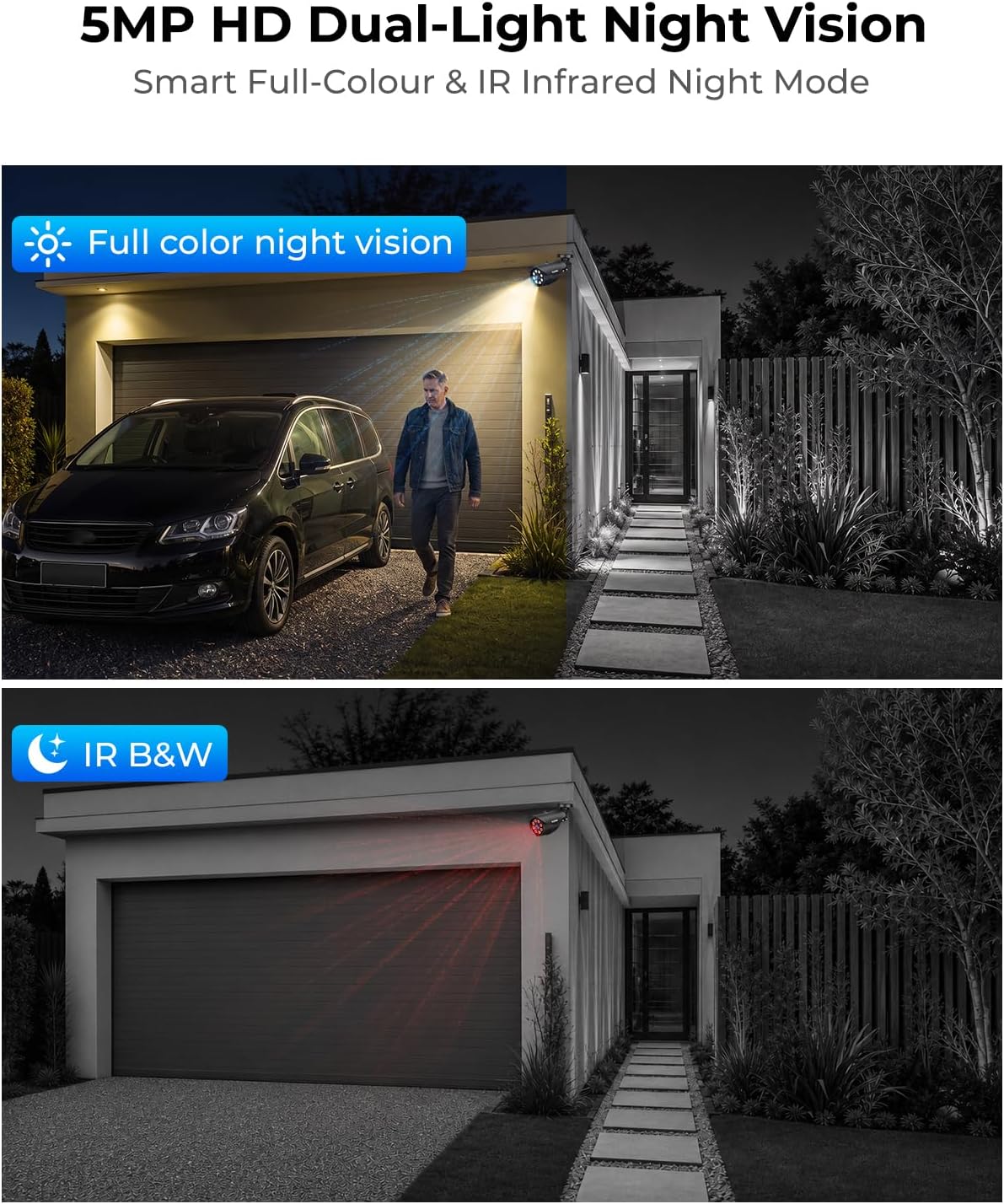
Night vision is another area where local storage and smart processing intersect. A camera with color night vision uses a larger sensor and supplemental lighting to capture more detail, which makes each stored video clip more useful as evidence when you zoom in. When you compare security cameras with different low‑light capabilities, look at whether they offer color night modes, infrared‑only illumination, adjustable IR intensity, or a mix that adapts automatically to ambient light.
Motion detection settings also affect how quickly your microSD card fills and how long your local storage lasts before overwriting. If your outdoor camera watches a busy street, you may want smart filters that ignore passing cars and focus on people entering your property or crossing a defined activity zone. For readers who want to go deeper into motion‑based alerts, this overview of top security cameras with motion detection explains how video storage strategies change when every motion event triggers a recording and how variable bitrates influence retention time.
Platform ecosystems, voice assistants, and app support
When you choose the best security cameras with local storage, you also choose an ecosystem that will shape how you use the system every day. Many people want a security camera that works with Alexa or Google voice assistants, while others prefer a system that integrates tightly with Google Nest smart displays or Apple Home. These preferences shape which cameras with local recording will fit smoothly into your existing smart home and automation routines.
On the Amazon side, a camera with local storage that works with Alexa can show live video on Echo Show screens, respond to routines, and arm or disarm based on voice commands. You might say a command to arm your security cameras at night, turn on outdoor lights, and start continuous video storage on your recorder or NAS. On the Google side, a camera that works with Google Nest hubs can show indoor camera feeds, announce motion detection events on speakers, and tie into other security devices such as smart locks or doorbells.
App support also matters for people who want to manage both local and cloud storage from one interface without confusion. Look for security cameras whose apps clearly label which clips live on the microSD card and which clips sit in the cloud, so you know where each video resides and how to back it up. Whether you buy from Amazon, a specialist retailer, or directly from a brand, test the app early in the return window to ensure it handles local storage exactly as promised and exposes settings such as overwrite rules and encryption.
Practical buying guide for wired and wireless cameras with local storage
A structured checklist helps you choose the best security cameras with local storage for your home or small business. Start by mapping where you need each security camera, noting whether power outlets exist, how far the Wi‑Fi signal reaches, and where you can safely run Ethernet. This map will quickly show where a wired outdoor camera or indoor camera makes sense and where a wireless cam or solar camera is the only practical option.
Next, decide how much video storage you need for each location based on resolution and activity level. A high‑traffic front door with constant motion detection events may require a larger microSD card or a network recorder, while a quiet side yard can use smaller local storage without losing important clips. Remember that higher resolution video consumes more space, so a 4K camera with color night vision will fill cards faster than a 1080p model running at a lower bitrate or frame rate.
Finally, weigh the pros and cons of ongoing costs versus control and independence from subscriptions. A system that relies mainly on cloud storage may charge per camera per month, while a system focused on local storage has higher upfront costs but minimal recurring fees and more predictable long‑term expenses. For many households, a hybrid approach works best, where critical entrances use security cameras with both local and cloud video storage and less important zones rely only on local recording with shorter retention.
Key statistics about security cameras with local storage
- According to a report from Parks Associates, more than 30 percent of new security camera buyers now say they prefer local storage options over cloud‑only plans, reflecting growing privacy awareness and concern about data breaches.
- Consumer surveys from the United States and Europe show that households using hybrid systems, combining local and cloud storage, keep an average of 14 to 30 days of video history, compared with less than 7 days for many free cloud tiers that cap retention aggressively.
- Energy monitoring studies indicate that wired Power over Ethernet security cameras can reduce battery‑related maintenance by nearly 100 percent compared with fully wireless models, which often require charging every one to three months depending on motion levels and recording schedules.
- Market analyses of smart home devices report that more than half of new security cameras sold now offer some form of on‑device motion detection, reducing unnecessary cloud uploads and extending the useful life of local storage by avoiding recordings of irrelevant movement.