Eufy vs ring solar: two philosophies hiding in one spec line
On paper, eufy vs ring solar looks like a simple spec comparison. In reality, the integrated solar panel on the eufy S4 and S330 cameras versus the bolt on solar accessories for every ring camera exposes two very different ideas about how home security should work. For a privacy conscious homeowner choosing between eufy cameras and ring security cameras, that design choice matters more than any marketing headline.
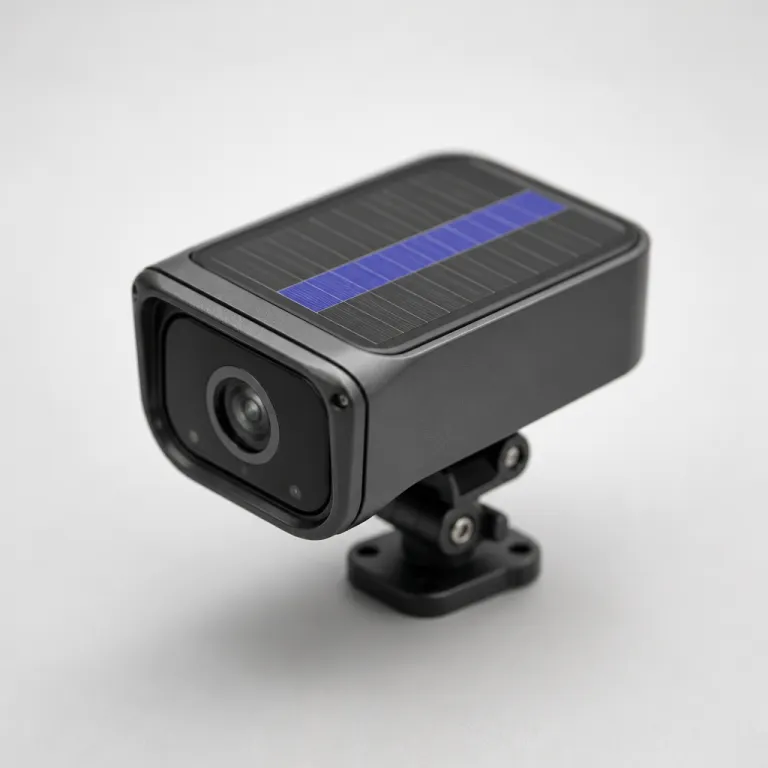
Eufy built the S4 with a 5.5 W solar panel fused into the camera housing and paired it with a 10 000 mAh battery. That means one hour of direct sun can keep the camera and its video recording running indefinitely, so the battery becomes a quiet backup instead of a constant anxiety. When you compare that to a ring stick cam or a ring doorbell with a separate solar panel and cable, you start to see how many devices and mounting points you must manage just to keep basic security online.
With eufy vs ring solar, the first real question is not video quality or night vision. The first question is whether you want a single sealed camera with integrated power or a camera plus an accessory plus a cable that can fail. That difference shapes how you think about long term maintenance, storage options, and even how visible your security system is from the street.
Ring still treats solar as an optional add on for its cameras and doorbell cameras. You buy a ring stick solar panel, bolt it near the camera, then run the cable that nobody wants across siding or brick, hoping motion detection and video doorbells never lose power during a storm. Eufy, by contrast, assumes that every outdoor camera and every video doorbell should be self powered and cable free once you mount it.
For a person weighing ring eufy tradeoffs, this is not a small detail. Integrated solar on the eufy S4 and S330 means fewer penetrations in your walls, fewer plastic brackets, and fewer points where water or insects can creep in around a cable. It also means the camera, battery, and solar panel are tuned as one device instead of three separate accessories that may age differently.
There is also a subtle security angle to this hardware design. A single compact camera with local storage and no exposed cable is harder for an intruder to grab or cut in one motion. A ring camera with a dangling solar lead gives someone a clear target, and once that cable is gone, your cloud based recording and alarm notifications depend entirely on whatever charge is left in the battery.
Power, storage, and subscriptions: what eufy’s solar bet exposes
Once you look past the plastic and glass, eufy vs ring solar is really about power and data. Eufy ties its integrated solar panel, large battery, and local storage into one closed loop, while ring ties its bolt on solar accessories to a cloud subscription and remote servers. Both approaches keep your security system running, but they serve very different priorities.
On an eufy S4 or S330 camera, the solar panel keeps the battery topped up, and the camera writes video to local storage in a base station or microSD card. That means your video recording continues even if your internet goes down, and your data never has to leave your home unless you choose to sync it. For a privacy focused buyer, that combination of local recording, local storage, and no mandatory subscription is the core of the eufy ring difference.
Ring, by contrast, has built its entire business around the Ring Protect subscription and cloud storage. Without that subscription, a ring doorbell or stick cam becomes mostly a live view device with limited video history, which undercuts the point of having security cameras that should capture motion events while you sleep. The solar panel in this model is just a way to keep the battery alive so the cloud can keep filling with your footage.
That subscription first mindset shows up in how ring alarm and other ring devices integrate. The ring alarm base station, the various security cameras, and the ring doorbell models all push you toward a single app and a single cloud account where every motion detection event becomes a clip stored off site. For some households, that is reassuring redundancy, but for others, it is an ongoing export of personal data they would rather keep local.
Eufy leans hard in the opposite direction with its security systems and smart app. The company advertises no subscription fees for basic features, emphasizes local storage options, and lets you tune motion zones and recording schedules so your cameras are not constantly streaming to a remote cloud. When you pair that with integrated solar, you get a security system that can run for the long term with minimal external dependencies.
There is a tradeoff though, and it shows up when you compare ecosystems. Ring’s tight integration with Amazon Alexa, its Sidewalk network, and its broad accessory catalog means a ring camera can talk to more smart devices out of the box. If you want a pan tilt zoom style outdoor setup with advanced auto tracking and color night vision, you might even look at a dedicated 4K PTZ security camera as a complement rather than relying only on solar powered doorbell cameras.
For now, the honest assessment is simple. Eufy’s integrated solar and local storage model is a direct challenge to ring’s cloud mandatory architecture and subscription revenue, but ring still wins on ecosystem breadth and third party integrations. The question is how long that ecosystem advantage can offset the growing appeal of a self contained, subscription free camera that just sips sunlight and keeps recording.
Privacy, policing, and who really controls your front door video
When you compare eufy vs ring solar from a privacy perspective, the panel itself is not the main story. The real story is where your video goes once the camera and battery have done their job and motion detection has triggered a recording. For a privacy conscious homeowner, the path from lens to storage is the difference between a private security system and a neighborhood surveillance node.
Eufy’s architecture gives you a clear, local first path. Most eufy cameras can record directly to a home base with local storage, and some models support microSD cards inside the camera, so your video quality and retention depend on your own hardware instead of a remote cloud. That means your doorbell cameras and outdoor security cameras can keep recording even if your internet connection fails or a cloud account is compromised.
Ring takes the opposite route by default. A ring doorbell or ring stick cam sends motion events and video clips straight to the cloud, where they are stored under your account and managed through the smart app. Without a Ring Protect subscription, your storage options are sharply limited, which nudges almost every ring camera owner into ongoing cloud recording whether they are comfortable with that or not.
This matters because ring has formal programs that allow law enforcement to request video from users in certain regions. Even if you personally decline to share, the existence of a large cloud repository of neighborhood video changes how policing and public safety operate around your home. Eufy, with its emphasis on local storage and no mandatory subscription, simply has less centralized data to feed into those systems.
For many households, the ideal setup is a hybrid. You might run eufy cameras with local recording for sensitive areas like back gardens or children’s play spaces, while using a ring alarm and one ring camera at the front door for integration with Amazon Alexa routines and other smart devices. In that mixed eufy ring environment, you can decide which angles of your property ever touch the cloud and which remain strictly local.
Planning that mix requires more than just reading spec sheets. A practical way to start is to map your property, decide where you truly need video doorbells or stick cams, and then choose which of those should be cloud connected. A detailed guide to mapping your property before you mount anything can save you from buying two extra cameras and from sending more data to the cloud than you intended.
Once you have that map, the eufy vs ring solar decision becomes more concrete. Use integrated solar and local storage where you want quiet, private coverage, and lean on ring’s ecosystem where you value smart home triggers, shared access, and broader security systems. Over the long term, that balance gives you resilience without turning your entire home into a cloud dependent recording studio.
If you are building a more complex wired security system indoors, you might also consider a dedicated network video recorder. A tested home security camera system with PoE cameras and NVR can complement your solar powered outdoor units by handling 24 / 7 recording inside. That way, your most sensitive footage never leaves your local network, while your solar cameras handle perimeter motion detection and deterrence.
Where ring still leads, and how long that edge can last
It would be easy to say that eufy vs ring solar ends with a clear winner, but integrated panels are a leading indicator, not a final verdict. Eufy’s S4 and S330 series show what happens when you treat solar, battery, and camera as one device, while ring’s current lineup shows what happens when you bolt solar on after the fact. The gap between those approaches is widening, yet ring still holds important cards.
Start with ecosystem gravity. A ring camera drops into an existing web of Amazon Alexa routines, Sidewalk enabled devices, and third party integrations that few competitors can match, and that matters when you want your ring alarm to trigger lights, sirens, and other security systems without custom coding. For many households, the convenience of a single app that manages every camera, doorbell, and alarm sensor outweighs the annoyance of a separate solar accessory.
Ring also moves quickly on firmware and hardware refreshes. When a particular stick cam or ring doorbell model shows weak night vision or inconsistent motion detection, the company tends to ship a revised version within a product cycle, often with better video quality and smarter detection zones. Eufy, by contrast, has focused its energy on perfecting integrated solar and local storage, which can mean slower iteration on some advanced software features.
Where ring is clearly on the defensive is physical design. Every year that passes without an integrated solar ring camera makes the separate panel and cable look more like a legacy compromise than a deliberate choice, especially as eufy cameras prove that a sealed solar housing can keep a 10 000 mAh battery topped up with minimal sun. Homeowners notice when one brand requires extra brackets and cables while the other asks for a single clean mount.
From a long term perspective, that design gap will start to influence buying guides and comparison charts. When reviewers line up eufy vs ring solar, they will not just list watts and milliamp hours, they will show photos of siding with and without cables, and they will talk about how often each camera needed manual charging over a winter. Those are the kinds of details that cut through marketing and shape real world security system choices.
Ring has roughly twelve to eighteen months to answer this challenge decisively. If it ships an integrated solar ring camera that keeps the strengths of its cloud ecosystem while reducing cable clutter, the eufy ring rivalry will stay competitive and healthy for buyers. If it does not, integrated solar will harden into a moat that pulls privacy conscious, subscription wary homeowners toward eufy and away from always on cloud recording.
For now, the best advice is pragmatic. Choose eufy when you want integrated solar, local storage, and minimal dependence on subscriptions, and choose ring when you want deep Amazon Alexa integration, a mature app, and a broad range of accessories and devices. In the end, what matters is not the megapixel count, but the view from your porch at two in the morning.
Key figures shaping the eufy vs ring solar debate
- Eufy’s S4 camera pairs an integrated 5.5 W solar panel with a 10 000 mAh battery, and the company states that one hour of direct sunlight per day is enough to keep the camera running indefinitely under typical motion detection loads.
- Most battery powered ring cameras and ring doorbells require a separate solar accessory that costs around 50 dollars, which adds an extra mounting point and cable for each device in a multi camera security system.
- Without a Ring Protect subscription, many ring cameras offer only limited video history, while a typical eufy setup with local storage can retain several weeks of video clips without any ongoing subscription fees.
- Independent tests of consumer security cameras have shown that integrated solar designs reduce manual recharging events by several times compared with similar cameras using bolt on solar panels, especially in regions with moderate sunlight.
- Surveys of smart home users consistently show that integration with Amazon Alexa and other smart devices is a top reason for choosing ring, while concerns about cloud privacy and data retention are a leading reason for choosing eufy and other local first brands.