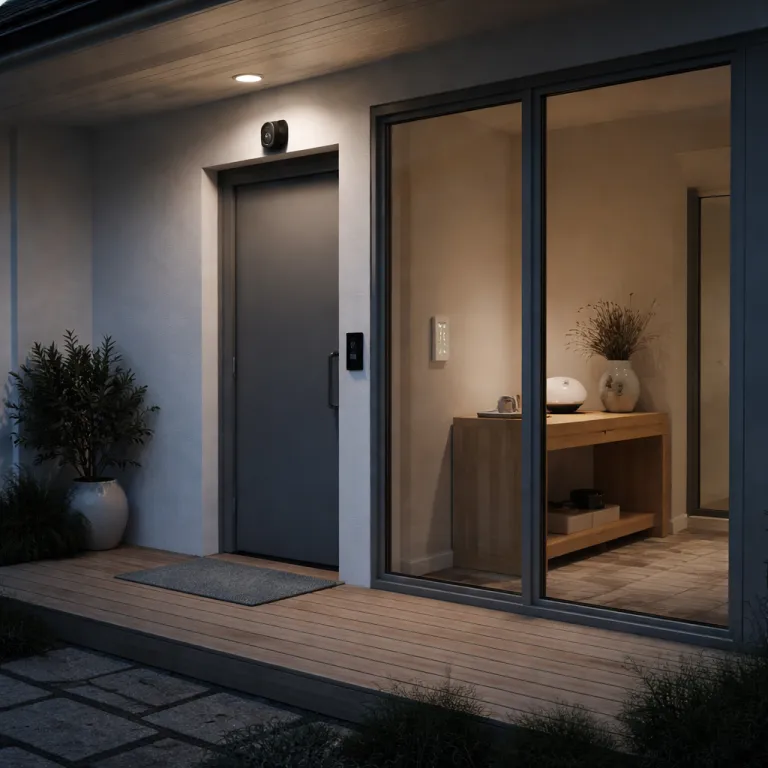
Understanding how a ring alarm system protects your home
A modern ring alarm system combines connected devices, smart sensors, and cloud services. This type of alarm security aims to make professional level protection accessible while remaining simple to install and manage. For many households, it offers a bridge between basic DIY alarms and a fully managed business security service.
At the heart of every ring alarm system sits the base station, which links all sensors, sirens, and cameras. This base station coordinates each alarm ring event, triggers notifications, and keeps the security system online even when individual devices lose power. When paired with ring cameras and other security cameras, it creates a layered ring security perimeter around doors, windows, and shared spaces.
The ring app acts as the command center for the entire system and its connected devices. Through the ring app, you can arm or disarm the alarm system, review video clips from ring cameras, and adjust each contact sensor or motion sensor. The same interface also manages subscription options, professional monitoring preferences, and any alarm professional settings you enable.
Many households start with a basic ring alarm kit and later add more cameras or sensors. Extra contact sensor units, range extender devices, and additional ring cameras are often sold separately, which lets you expand gradually. This modular approach helps align the alarm security configuration with the size, layout, and risk profile of your property.
Because the system is fully connected, every alarm event generates instant alerts. These alerts can include video snapshots from security cameras, sensor status updates, and professional monitoring responses. In practice, this integrated monitoring structure significantly reduces blind spots and reaction times during a security incident.
Key hardware components in a ring alarm system
The base station is the core hardware element of any ring alarm system. It maintains the wireless network for sensors, manages the siren, and connects to the internet for cloud monitoring. When the base station is configured correctly, the entire alarm security ecosystem becomes more stable and responsive.
Each contact sensor monitors a door or window and sends an alarm signal when opened unexpectedly. These contact sensor units communicate wirelessly with the base station and rely on batteries for power, which simplifies installation. For larger homes, a range extender helps maintain a strong signal so that every alarm ring event reaches the central hub.
Ring cameras and other security cameras complement the alarm system by adding visual verification. Indoor and outdoor ring cameras can record video when motion is detected or when the alarm is triggered. This video evidence is especially valuable for professional monitoring teams, who can better assess whether a ring security alert requires emergency services.
The alarm pro base station introduces advanced connectivity and backup options. This alarm pro device includes built eero technology, which means it can function as an eero router and strengthen your home internet coverage. With this built eero capability, the security system benefits from more reliable Wi Fi and better range for every sensor.
For users who need extra resilience, cellular backup is a crucial feature. When the primary internet connection fails, the cellular backup keeps professional monitoring and app alerts online. This cellular connection ensures that the alarm system, cameras, and monitoring services remain active even during power or network outages.
Many accessories are sold separately, including additional sirens, keypads, and range extender units. These optional components allow you to tailor the ring alarm configuration to multi story homes or mixed residential and business security environments. By combining the right hardware pieces, you can build a flexible, scalable security system that grows with your needs.
Connectivity, power, and the role of eero networking
Reliable connectivity is essential for any ring alarm system to function effectively. The base station typically connects to your router via Ethernet or Wi Fi, which then links to the cloud for monitoring. When that router is an eero router, the security system benefits from mesh networking and improved coverage.
The alarm pro model with built eero technology merges security and networking into one device. Acting as both base station and eero router, the alarm pro can extend internet coverage to distant cameras and sensors. This design reduces dead zones, so each contact sensor and range extender can maintain a stable connection.
Power management is another critical aspect of alarm security and monitoring. The base station includes a battery backup, which keeps the alarm system running during short power cuts. When combined with cellular backup, this ensures that professional monitoring and ring security alerts continue even if both electricity and internet fail.
Ring cameras and other security cameras depend on consistent power and internet access for continuous video recording. Some ring cameras use wired power, while others rely on rechargeable batteries or solar accessories sold separately. Regardless of the power source, a strong Wi Fi signal from the eero router or alarm pro hub is vital for smooth video streaming.
For households exploring smart home integrations, understanding compatibility is important. Those interested in Apple ecosystems often ask whether ring cameras can integrate with Apple HomeKit, and specialist guides such as detailed HomeKit integration analyses can clarify current options. These resources help you align your ring alarm system with broader connected home strategies.
In multi device environments, a range extender can bridge gaps between distant sensors and the base station. This is especially useful when contact sensor units are installed on detached garages or outbuildings. By optimizing internet, cellular, and local wireless links, you reinforce every layer of the security system.
Monitoring options, subscription plans, and professional services
Monitoring is where a ring alarm system moves beyond a simple noise making alarm. With professional monitoring enabled, trained agents receive alerts from your base station and sensors. They can contact you, verify events using video from ring cameras, and escalate to emergency services when necessary.
Professional monitoring usually requires a subscription plan, which unlocks additional features. These subscription options often include extended video storage for security cameras, advanced notifications, and automation tools in the ring app. For many households, the cost of a plan is balanced by the reassurance of continuous alarm security oversight.
The alarm pro configuration can offer enhanced monitoring resilience through cellular backup. When your primary internet fails, the cellular backup connection keeps professional monitoring online and maintains communication with the ring security servers. This is particularly valuable for business security users, who may face higher risks if their alarm system goes offline.
Some customers choose self monitoring through the ring app instead of a professional service. In this mode, the base station still triggers an alarm ring and sends notifications, but you handle all responses personally. Self monitoring can work for smaller properties, though it relies heavily on your availability and the reliability of your internet connection.
Subscription plans are often structured so that certain accessories or services are sold separately. For example, additional video storage, extended warranties, or extra user accounts may require higher tier plans. Reading independent reviews of each subscription level can help you match features to your household or business security requirements.
For readers seeking a broader perspective on smart surveillance, resources like guides to enhancing your smart home with Ring camera technology provide useful context. These analyses explain how monitoring, cameras, and alarm system components interact within a connected ecosystem. Understanding these relationships helps you choose the right balance between professional monitoring and self directed control.
Video, cameras, and how ring alarm supports visual verification
Video plays a central role in how a ring alarm system documents and verifies incidents. When the alarm security mode is armed, motion near ring cameras or other security cameras can trigger recordings. These video clips are then stored in the cloud, usually under a subscription plan that defines retention length.
Ring cameras come in various formats, including wired, battery powered, and floodlight models. Each type of ring cameras installation offers different coverage angles, lighting options, and power requirements. By mixing several security cameras, you can create overlapping fields of view that support both home and business security.
During an alarm ring event, the base station can coordinate with cameras to capture crucial footage. Professional monitoring teams may review this video, when available, to assess whether a ring security alert is genuine. This visual verification can reduce false dispatches and ensure that emergency services respond to the most serious threats.
The ring app allows you to review live video feeds and past recordings from any connected camera. Within the app, you can adjust motion zones, fine tune sensitivity, and link specific cameras to particular alarm system modes. These controls help you balance privacy, bandwidth usage, and the depth of monitoring you require.
For users integrating multiple platforms, comprehensive resources such as integration guides for Ring cameras and Apple HomeKit can be valuable. They explain how video, sensors, and third party ecosystems interact in a connected security system. This knowledge is especially important when combining ring cameras with other brands of security cameras or smart devices.
Because many advanced features are sold separately or tied to subscription tiers, it is wise to compare reviews before committing. Look for reviews that evaluate video quality, night performance, and reliability under different internet conditions. These insights help you understand how the ring alarm system will perform in real world scenarios.
Designing coverage, range, and sensor placement for reliable protection
Effective protection from a ring alarm system depends heavily on thoughtful design. Before installing any contact sensor or range extender, map the layout of your property. Identify entry points, blind spots, and high value areas that require focused alarm security coverage.
Doors and accessible windows should each have a contact sensor linked to the base station. These sensors form the first line of defense, triggering an alarm ring when opened unexpectedly. Additional motion sensors and ring cameras can then provide secondary detection and video confirmation.
Range is a practical concern, especially in larger homes or mixed residential and business security spaces. A range extender can bridge distances between the base station and far away sensors, ensuring every alarm system component stays connected. When using an alarm pro with built eero networking, you can also improve Wi Fi coverage for cameras and other devices.
Outdoor ring cameras and other security cameras should be positioned to monitor approaches, driveways, and shared entrances. Consider mounting ring cameras high enough to avoid tampering while still capturing clear video of faces and vehicles. Lighting, weather exposure, and power access all influence the long term reliability of these cameras.
Inside the home, place security cameras in common areas rather than private rooms to respect privacy. Hallways, living rooms, and main staircases often provide the best balance between coverage and discretion. The ring app can help you fine tune motion zones so that pets or routine movements do not constantly trigger monitoring alerts.
Because accessories are frequently sold separately, you can expand coverage gradually as needs change. Adding more contact sensor units, range extender devices, or specialized cameras allows the ring alarm system to evolve. Over time, this flexible architecture supports both growing families and small business security requirements without a complete redesign.
Evaluating ring alarm system performance, reviews, and long term value
Assessing the performance of a ring alarm system involves more than checking whether the siren sounds. You need to evaluate how quickly alerts reach your phone, how reliably sensors communicate, and how consistently video from ring cameras uploads. These factors together determine the real world effectiveness of your alarm security setup.
Independent reviews can provide insight into reliability, ease of use, and customer support. Look for reviews that test the system under different internet conditions, including outages where cellular backup becomes essential. Pay attention to how well the base station, contact sensor units, and range extender devices maintain connections during stress tests.
Long term value also depends on subscription costs and professional monitoring quality. A plan that includes robust professional monitoring, generous video storage, and advanced ring app features may justify a higher monthly fee. Conversely, some households may prefer a lighter subscription that focuses on basic monitoring and essential alarm system functions.
The alarm pro model with built eero can add value by replacing a separate router. This integration simplifies your network, improves Wi Fi range for security cameras, and strengthens the overall security system. For properties with complex layouts or mixed home and business security needs, this combined device can be particularly efficient.
When comparing options, remember that many accessories and enhancements are sold separately. Additional ring cameras, specialized security cameras, and extra contact sensor units can increase upfront costs but also expand protection. Over several years, the balance between hardware investment, subscription fees, and reduced risk shapes the total cost of ownership.
For readers seeking structured guidance on smart surveillance strategies, resources like Ring Camera Guru offer detailed analyses of camera placement, monitoring, and integration. These expert perspectives can complement user reviews and manufacturer documentation when planning a ring alarm deployment. By weighing performance data, reviews, and your own risk profile, you can configure a ring security ecosystem that remains effective and adaptable over time.
Frequently asked questions about ring alarm system
How does a ring alarm system differ from a traditional alarm system ?
A ring alarm system combines wireless sensors, cameras, and app based controls, while many traditional systems rely on wired components and keypad only interfaces. With ring alarm, you manage settings through the ring app and can add devices gradually. Traditional alarm system setups often require professional installation and fixed hardware configurations.
Is professional monitoring mandatory with ring alarm, or can I self monitor ?
Professional monitoring is optional and activated through a subscription plan. You can choose self monitoring, where the base station sends alerts to your phone and you handle responses. Many users start with self monitoring, then upgrade to professional monitoring as their security needs grow.
What happens to my ring alarm system during an internet or power outage ?
The base station includes battery backup, so the alarm system continues operating during short power cuts. If you use an alarm pro configuration with cellular backup, professional monitoring and alerts can continue even when the internet is down. Cameras may have reduced functionality if they lose power or connectivity, but core alarm security features remain active.
Can I use ring alarm for small business security as well as home protection ?
Yes, many small offices and shops use ring alarm as a business security solution. The system supports multiple contact sensor units, cameras, and range extender devices to cover larger spaces. Professional monitoring and video verification can help protect inventory and staff outside normal working hours.
Are accessories like extra sensors and cameras included, or sold separately ?
Starter kits include a base station and a limited number of sensors, but most additional devices are sold separately. You can add extra contact sensor units, range extender devices, and various ring cameras over time. This modular approach lets you scale the security system according to your budget and property layout.