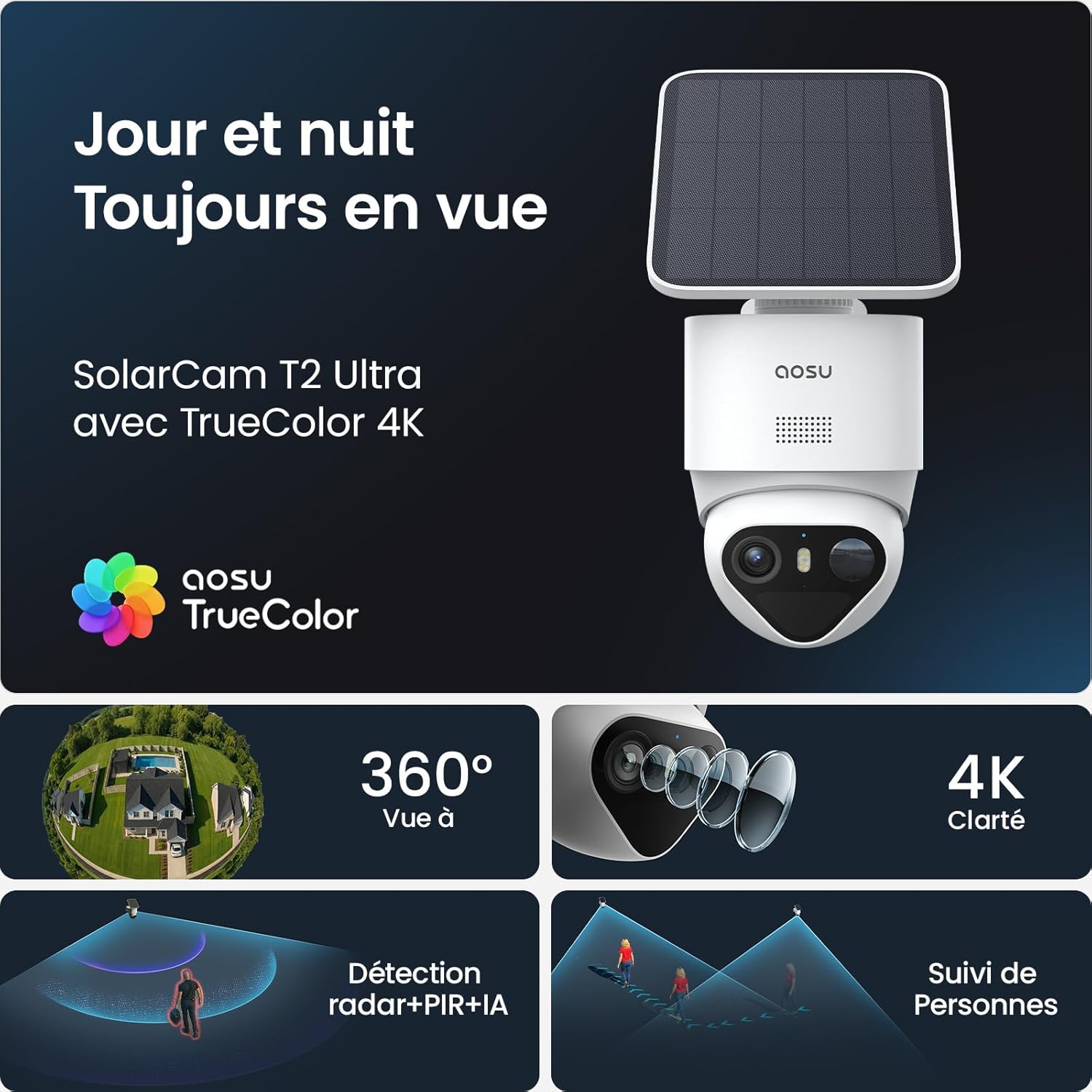
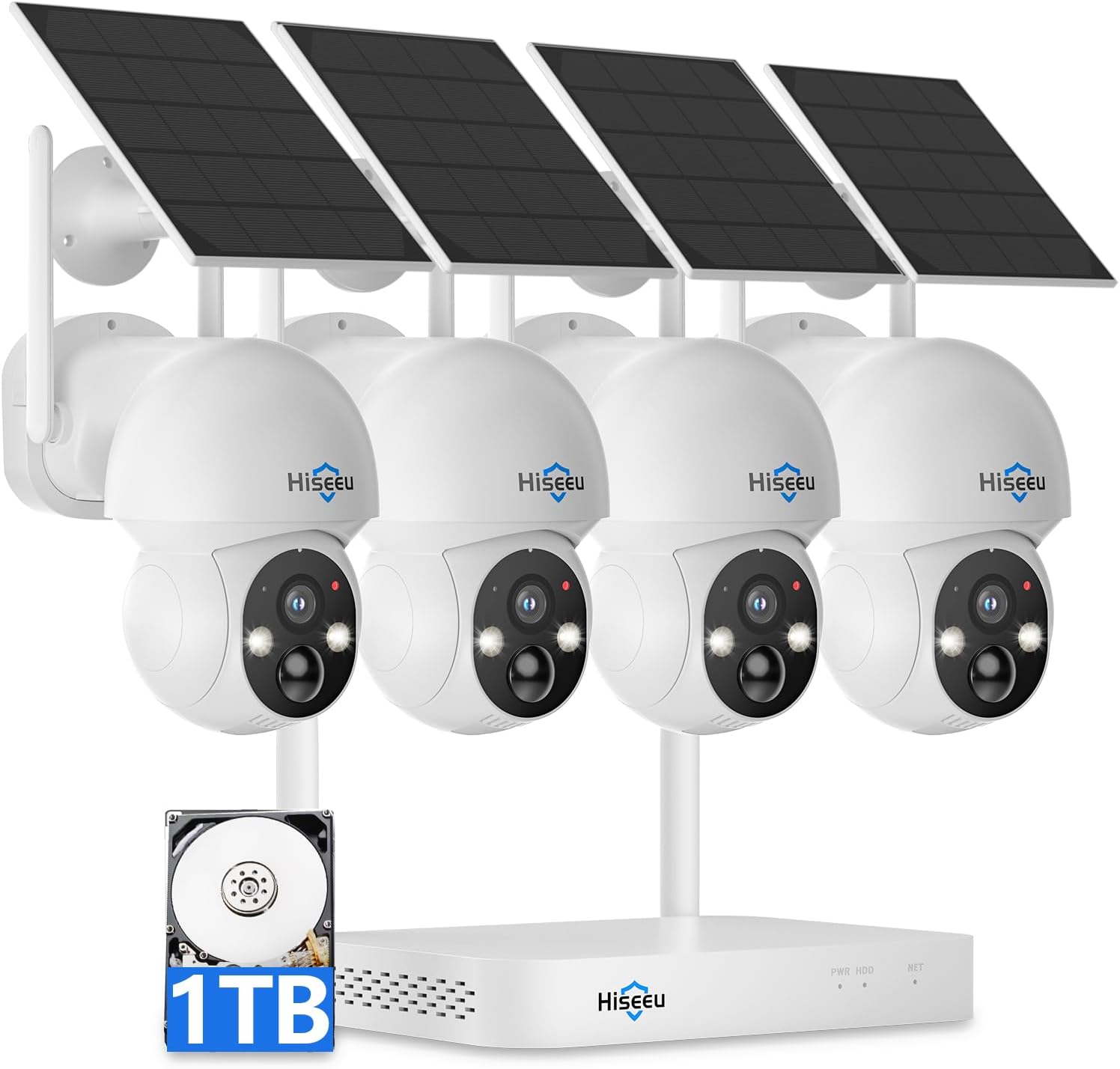
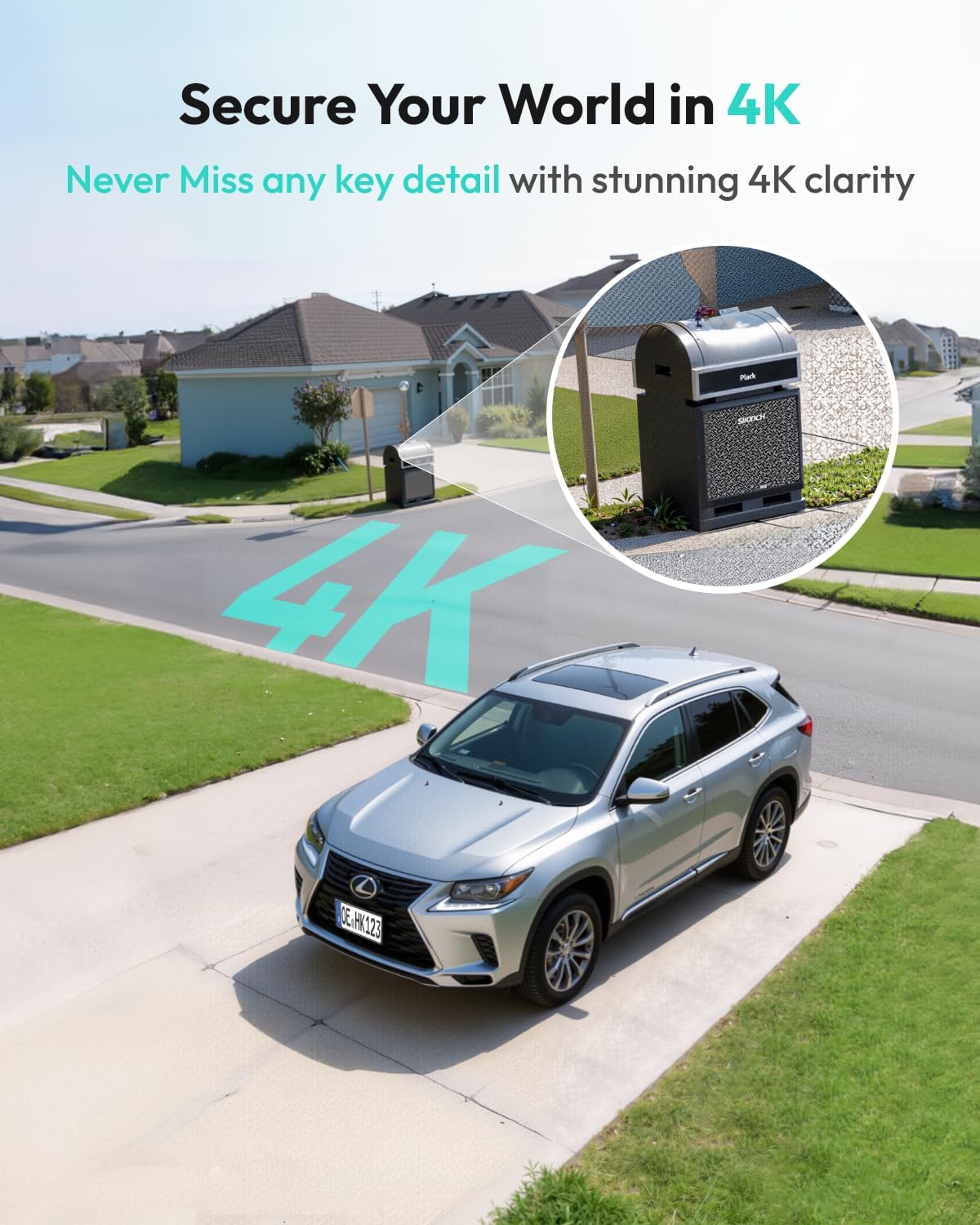
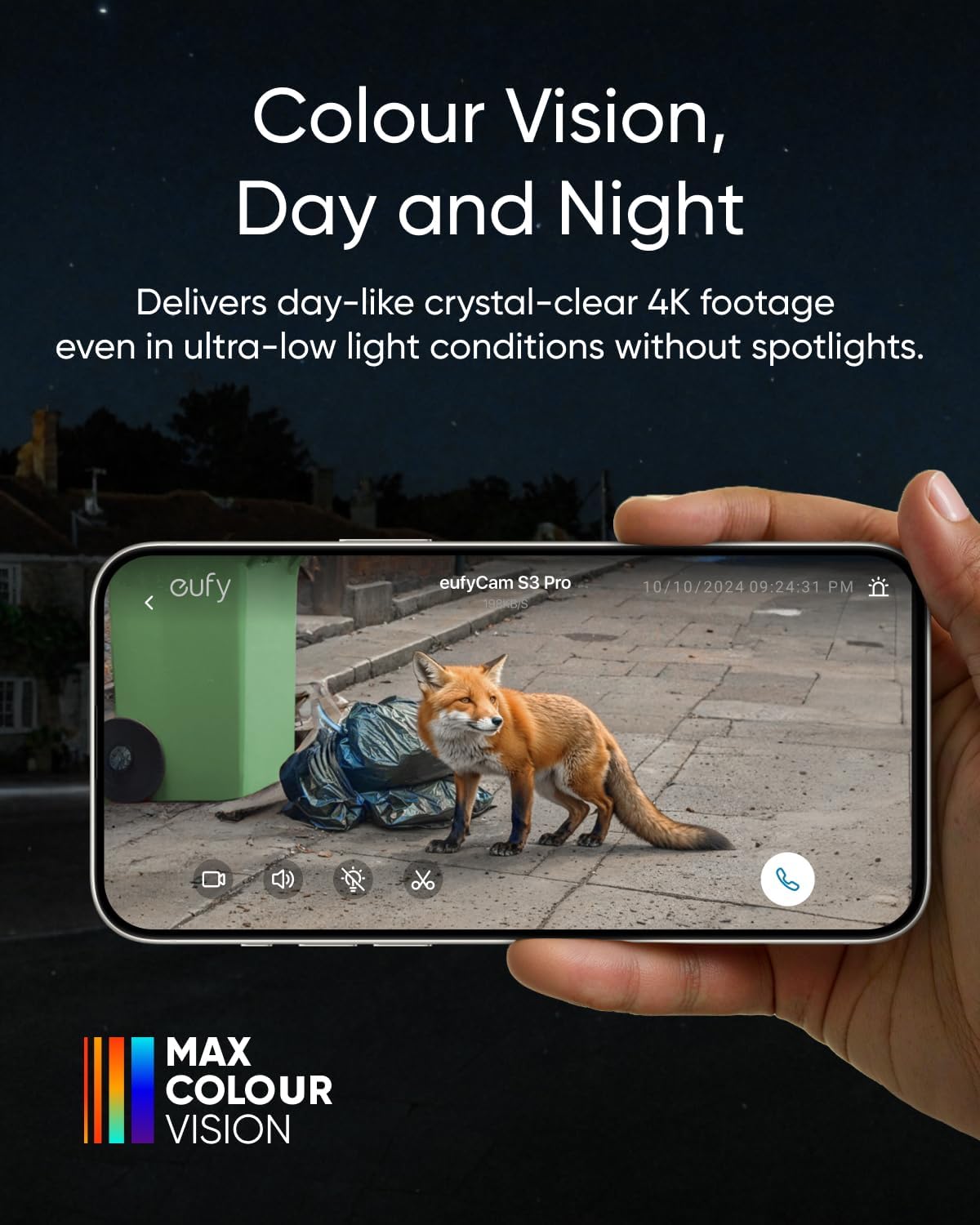
Key features that define the best solar powered security cameras
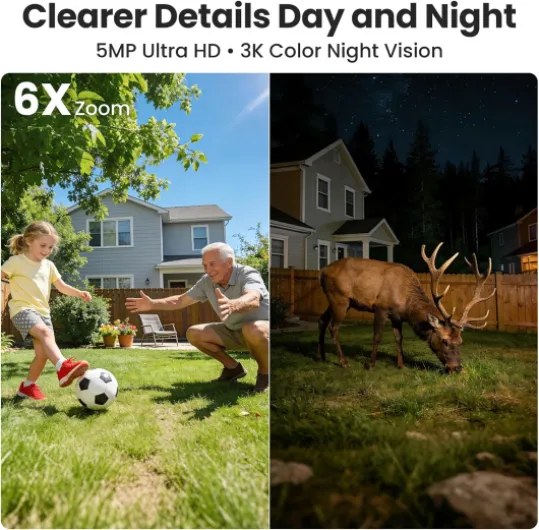
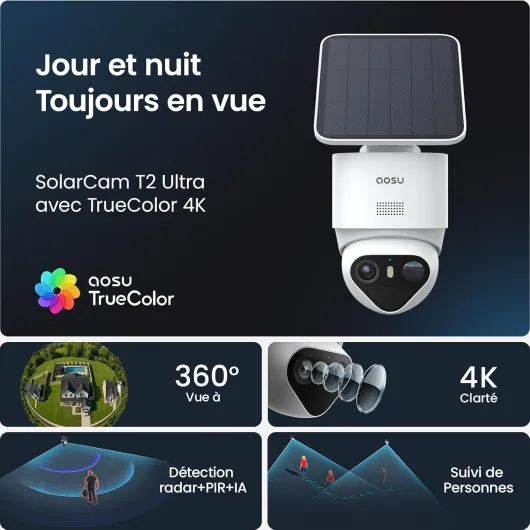
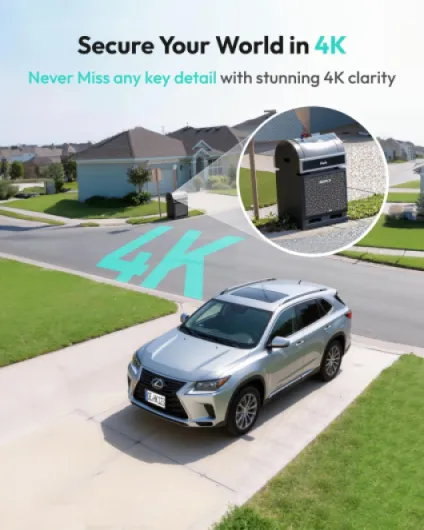
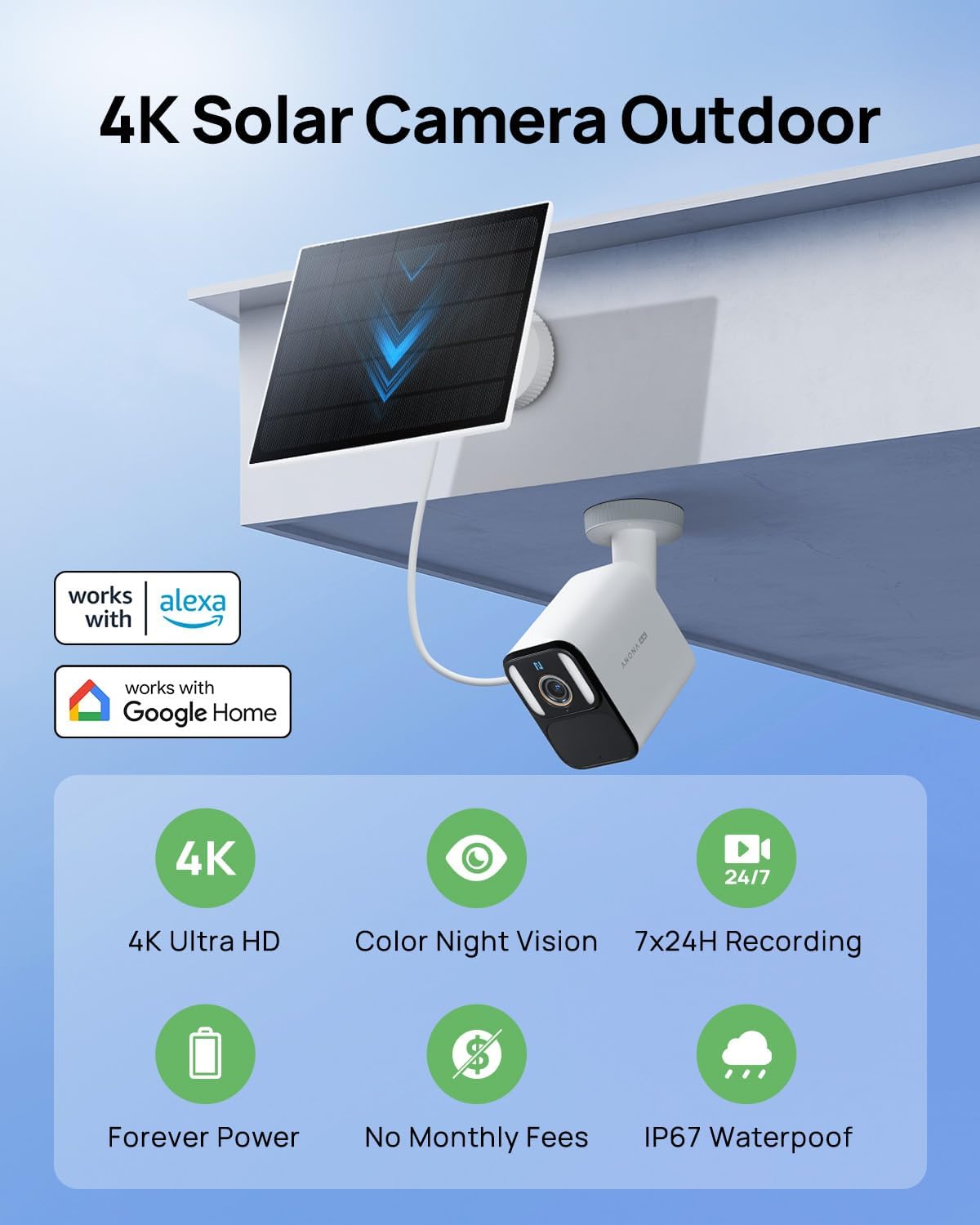
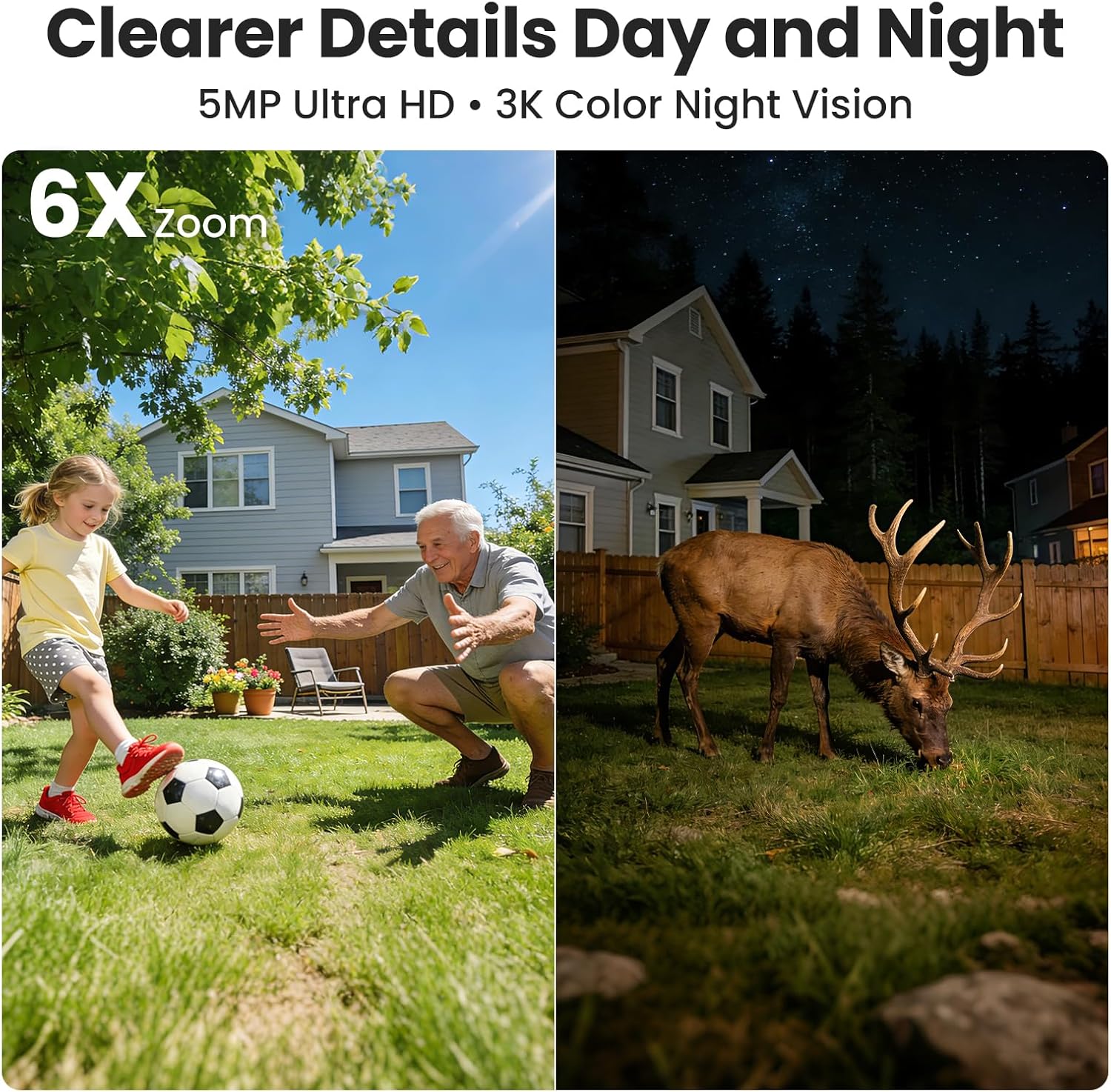
Several core features separate average devices from the best solar powered security cameras. Resolution matters because a sharp image or video makes it easier to identify faces, vehicles, and license plates in challenging light. Look for cameras that maintain clear images in both bright daylight and low light, while also handling backlighting from windows or street lamps.
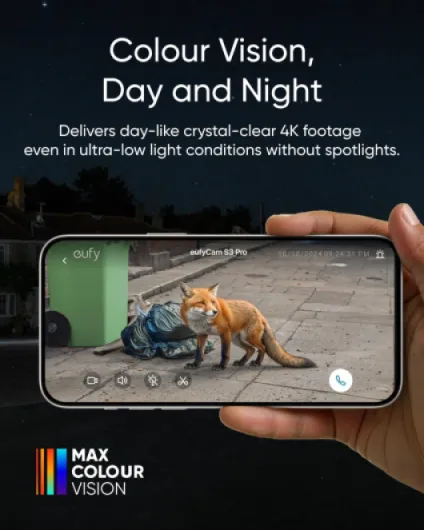
Night vision performance is another decisive factor for any outdoor security camera. Infrared night vision offers discreet monitoring, but color night capabilities can provide more usable evidence when reviewing security footage. Many solar security cameras now combine strong infrared illumination with advanced sensors that switch intelligently between black and white and color night modes.
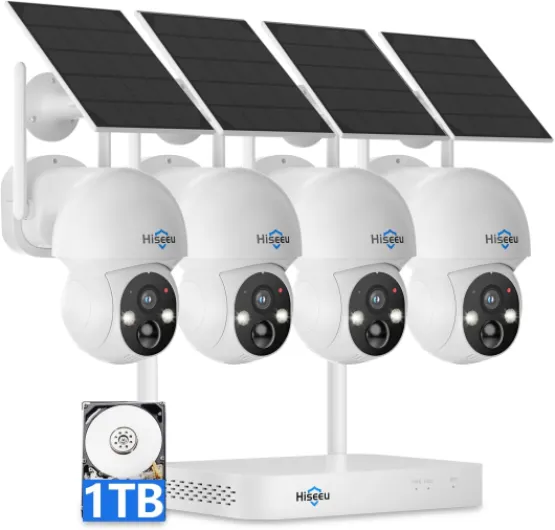
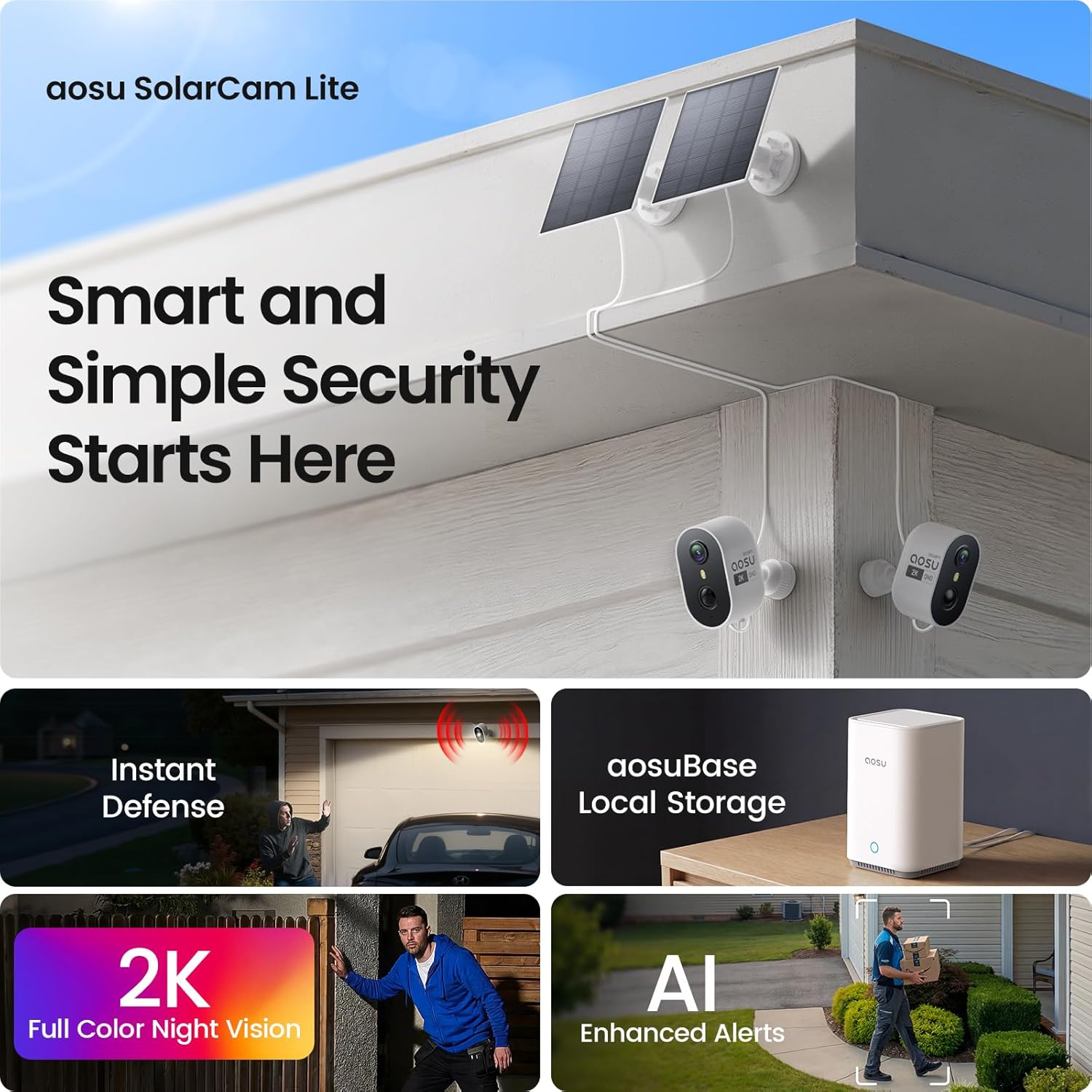
Storage and connectivity also shape the long term value of a solar powered cam. Some models support a local microsd card, while others rely on cloud storage that may increase the overall price over time. Ideally, you choose a powered security system that offers both options, allowing you to save critical security videos locally while still backing up important images online.
Power, battery management, and solar panel placement
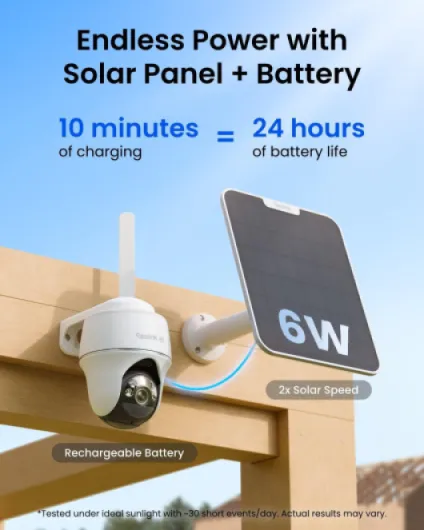
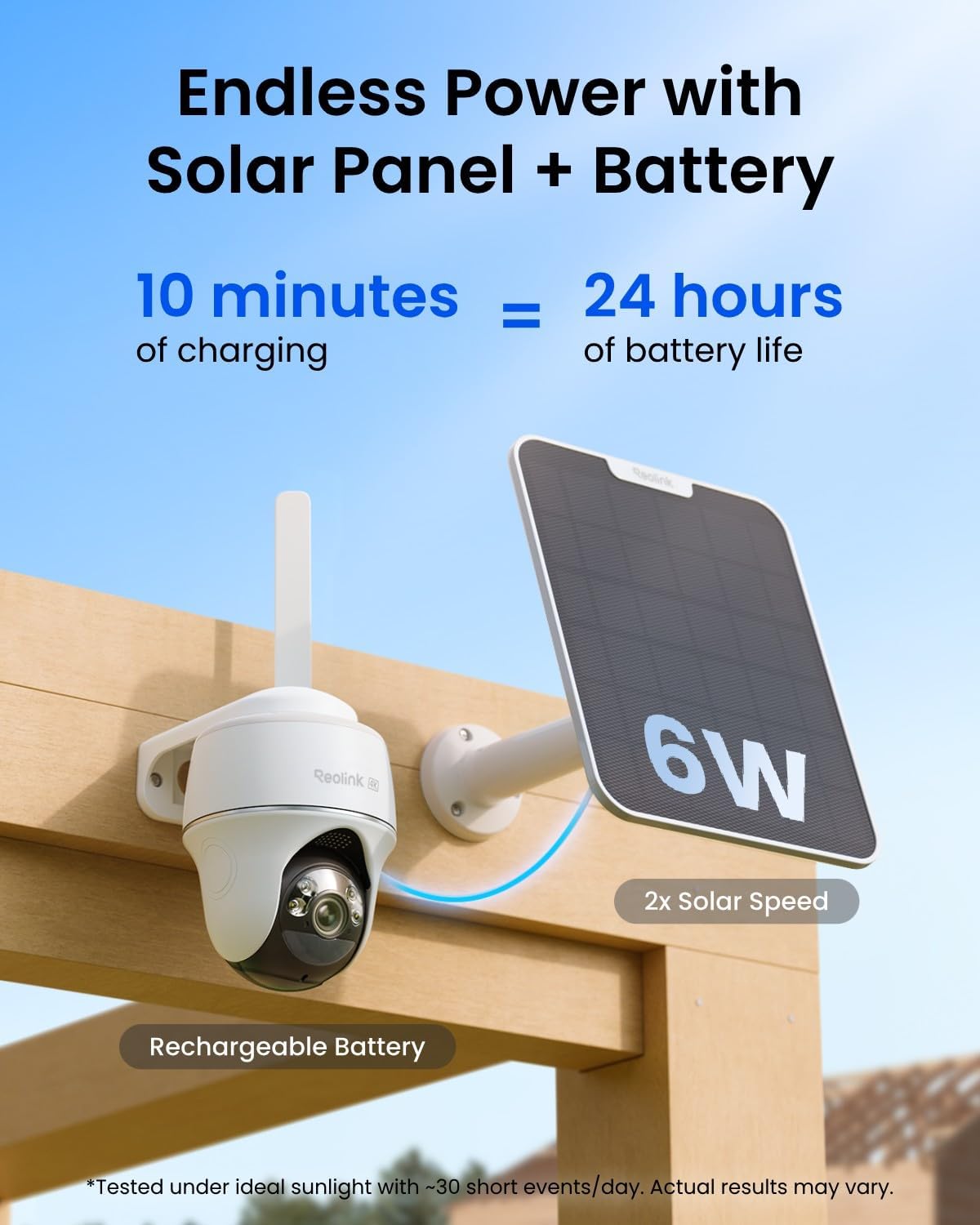
Power management sits at the heart of every solar powered security camera system. A well designed solar panel and battery combination ensures that your cameras stay online through bad weather and short winter days. When evaluating the best solar powered security cameras, check the stated power consumption, battery capacity, and recommended solar panels for your climate.
Correct placement of each solar panel can dramatically improve real world performance. Panels should face the sun for most of the day, avoiding shade from trees, roofs, or nearby buildings that can reduce power generation. If your outdoor layout is complex, consider flexible solar panels or extension cables that let you mount the solar panel in full sun while keeping the camera in the ideal field view.
Battery health also influences long term reliability and total cost of ownership. High quality power battery packs handle frequent charge and discharge cycles better, which matters when cameras record many motion events and stream video often. To extend lifespan, some systems offer power saving modes that adjust video resolution, frame rate, or night vision intensity without compromising essential security coverage.
Smart integrations, apps, and data control
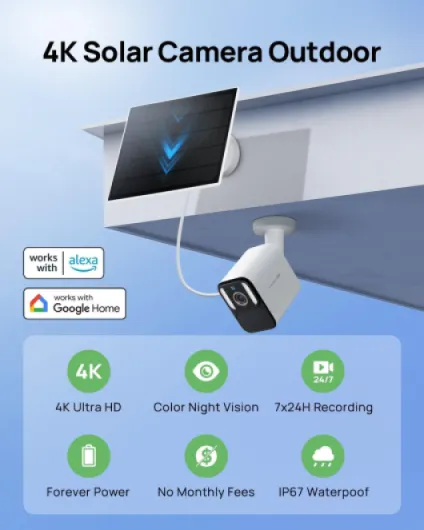
Modern solar powered security cameras rarely operate in isolation from the rest of the home. Many of the best solar powered security cameras integrate with voice assistants such as Alexa Google ecosystems, allowing hands free control of each cam or video doorbell. With a simple voice command, you can bring up live images on a smart display, pause alerts, or check whether an outdoor camera is recording.
Mobile apps now act as the central hub for managing multiple security cameras and solar panels. Through a single interface, you can adjust motion zones, review recorded video, and fine tune night vision settings to reduce false alerts from pets or passing cars. Some platforms even allow you to link a stick cam, a cam pro, and a doorbell cam into automated routines that arm or disarm when you leave home.
Data control and privacy settings deserve careful attention when choosing any powered security solution. Look for clear options to save video locally on a microsd card, manage cloud retention, and control who can access each image or video stream. For readers interested in broader smart home protection, this detailed guide on a Z Wave door sensor shows how layered devices can strengthen overall security without adding unnecessary complexity.
Comparing designs, colors, and installation options
Design details influence how well solar powered security cameras blend into everyday life. Many homeowners prefer a neutral color white housing that matches window frames or gutters, helping each camera remain discreet while still providing strong security coverage. Others choose more visible cameras to signal that the property is protected, which can deter opportunistic intruders before any incident occurs.
Outdoor installation requires attention to mounting height, angle, and field view. A higher mount can capture wider images and video, but it may reduce the ability to see faces clearly, especially at night. Balancing these factors, along with the reach of the solar panel cable and the position of the battery pack, ensures that each security camera performs as intended.
Retailers such as Amazon offer a wide range of solar powered security cameras, from single cam units to multi camera pack bundles. When comparing options, look beyond the headline price and check what is included, such as extra solar panels, mounting brackets, or a compatible video doorbell. Reading verified user feedback about image quality, night vision reliability, and long term power stability can help you identify the best solar options for your specific property.
Evaluating value, warranties, and long term savings
Assessing value in solar powered security cameras means looking past the initial purchase price. A slightly higher upfront cost for a robust solar panel, durable housing, and a larger power battery can translate into fewer replacements and lower maintenance over several years. Over time, the ability to operate without mains power can also help you save on installation costs, especially for remote outdoor locations.
Warranties and support policies reveal how much confidence manufacturers place in their solar security products. Check the coverage for the camera, the solar panels, and the battery pack separately, because these components may age at different rates. Reliable brands often provide clear guidance on expected battery lifespan, recommended operating temperatures, and how to maintain optimal night vision performance.
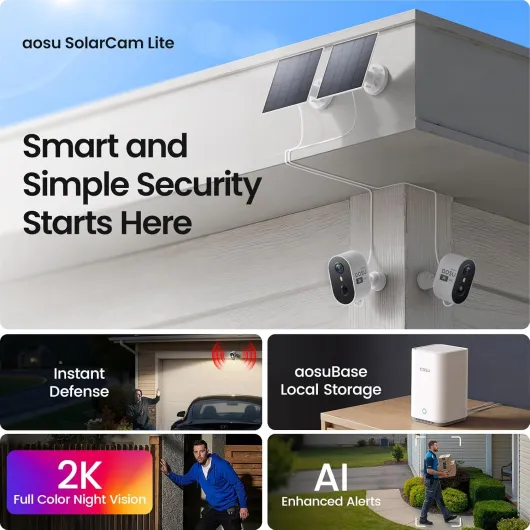
When comparing the best solar powered security cameras, consider the total ecosystem rather than a single cam. A system that combines a video doorbell, a stick cam for side entrances, and a cam pro for the driveway can provide comprehensive protection with shared storage and unified alerts. Choosing compatible devices that work smoothly with Alexa Google platforms and offer flexible storage, including microsd card options, helps future proof your investment.
Ring style monitoring, field of view, and practical tips
Ring style monitoring has popularized always on awareness, where a quick glance at your phone reveals live images from any connected camera. For solar powered systems, this constant access depends on stable power, efficient solar panels, and a battery that can handle frequent live view requests. Selecting cameras with an appropriate field view for each location ensures that you capture relevant activity without wasting storage on empty scenes.
For entrances and narrow paths, a focused field view can deliver detailed image and video evidence. Wider areas such as gardens or driveways benefit from cameras with broader coverage, especially when paired with strong night vision and color night modes. In many cases, the best solar powered security cameras allow you to adjust digital zoom and image settings so that important details remain visible even at the edges of the frame.
Practical setup tips include testing different mounting heights, checking Wi Fi strength, and confirming that the solar panel receives enough sun throughout the day. After installation, review recorded security videos at different times to ensure that faces, vehicles, and packages remain clear in both daylight and darkness. By combining thoughtful placement, careful power management, and smart integrations, you can build a powered security system that protects your home quietly and efficiently.
Key statistics about solar powered security cameras
- Up to 100 percent of power for many outdoor cameras can come from a dedicated solar panel in sunny climates.
- Typical battery capacity in solar powered security cameras ranges between 5 000 and 10 000 mAh.
- Wide angle lenses can extend the effective field view of a security camera to more than 130 degrees.
- Infrared and color night vision technologies can maintain usable images at distances of 10 to 15 metres.