
Summary
Editor's rating
Is it worth the price once you factor in the subscription?
Chunky but practical: design and installation reality
Build quality, weather, and long-term feel
Camera, motion detection, and lights: how it really behaves
What this thing actually does day to day
Does it actually improve security, or just spam notifications?
Pros
- Very bright 2000 lumen floodlights that actually light up a driveway or yard
- Reliable motion detection with customizable zones once configured properly
- Integrates smoothly with the Ring app and other Ring devices, with clear 1080p video and color night vision
Cons
- Real usefulness depends heavily on paying for a Ring Protect subscription for video history
- Requires hardwired installation with a 4-inch weatherproof electrical box, which may mean extra cost or electrician help

Specifications
View full product page →| Brand | Ring |
Hardwired camera plus floodlight: worth the hassle?
I’ve been using the Ring Floodlight Cam Wired Plus (the newer model) on my driveway for a few weeks now, replacing an old dumb motion floodlight. So this isn’t a lab test, it’s just how it behaved on a regular house with normal Wi‑Fi and a fairly boring suburban street. I already had a Ring doorbell, so I was curious if adding this would actually change anything in terms of security, or just give me more notifications to ignore.
Installation was the first real test. This thing is wired, so you’re not just slapping it up with a couple of screws like a battery cam. You need an existing junction box or you need to add one. In my case, I swapped out an old light, used the existing round box, and followed the in‑app instructions. It took me around 25 minutes including fighting with the old rusty screws. Nothing fancy, but if you’ve never touched house wiring before, you’re probably calling an electrician.
Once it was up, I connected it to Wi‑Fi and the Ring app in maybe five minutes. It showed up right away with my other Ring stuff. The camera quality is 1080p, so nothing mind‑blowing, but for a driveway, it’s more than enough. The built‑in floodlights are the real upgrade compared to a normal camera. When they kick on, the whole driveway and part of the yard light up. It definitely feels less like a dark spot where someone can lurk.
Overall, first impression: it gets the job done. Not perfect, not cheap, and the subscription thing is annoying, but as a combined light + camera + siren, it’s pretty solid. If you just want basic recording and notifications and you’re already in the Ring ecosystem, it fits in nicely. If you hate subscriptions or don’t want to deal with wiring, you’re probably going to be annoyed pretty fast.
Is it worth the price once you factor in the subscription?
On price, the Ring Floodlight Cam Wired Plus sits in that mid‑to‑upper range for consumer security gear. It’s not the cheapest floodlight camera, but it’s also not some pro‑install system. The real question isn’t just the upfront cost, it’s whether you’re okay paying for Ring Protect on top. If you already have other Ring devices and a plan, adding this camera is easier to justify because it just joins the existing subscription. If this is your first Ring device, that monthly or yearly fee is something you should think about seriously.
Without a subscription, you still get live view, notifications, and the lights and siren, but no video history. For a security camera, that’s a big limitation. Personally, I think this product only makes full sense with the subscription, and that’s where the value equation gets a bit less friendly. Over a few years, the total cost (hardware + plan) adds up. On the other hand, you are getting a camera, bright floodlights, app control, and cloud storage all in one system that’s fairly easy to manage.
Compared to a basic motion floodlight plus a cheap standalone camera, Ring is more expensive but also more integrated. Everything is in one app, the motion detection is smarter, and the light is tied directly to the camera events. For me, that convenience and the reliability of the app are what you’re really paying for. If you’re the type who likes local storage and hates subscriptions, there are better choices for you from brands that offer SD card recording or NVR support.
So in terms of value, I’d call it good but not mind‑blowing. If you’re already invested in Ring, it’s an easy add and feels like money reasonably well spent. If you’re starting from zero and don’t want ongoing fees, the value drops quite a bit because the hardware alone doesn’t give you the full benefit without that plan.
Chunky but practical: design and installation reality
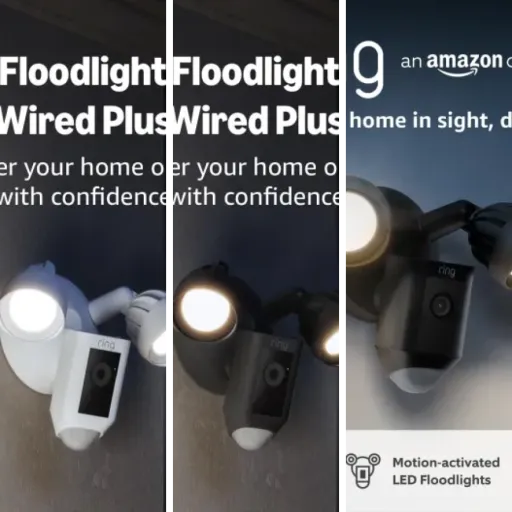
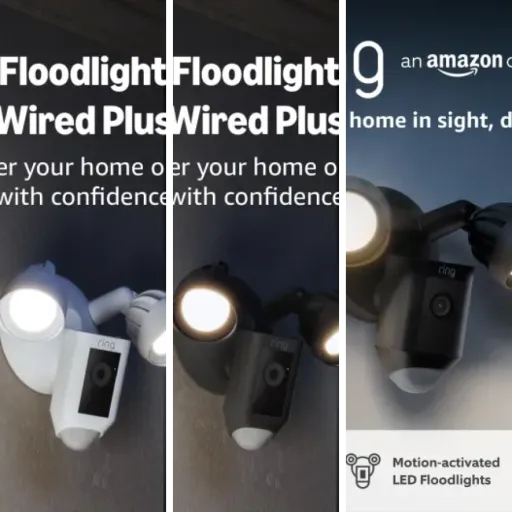
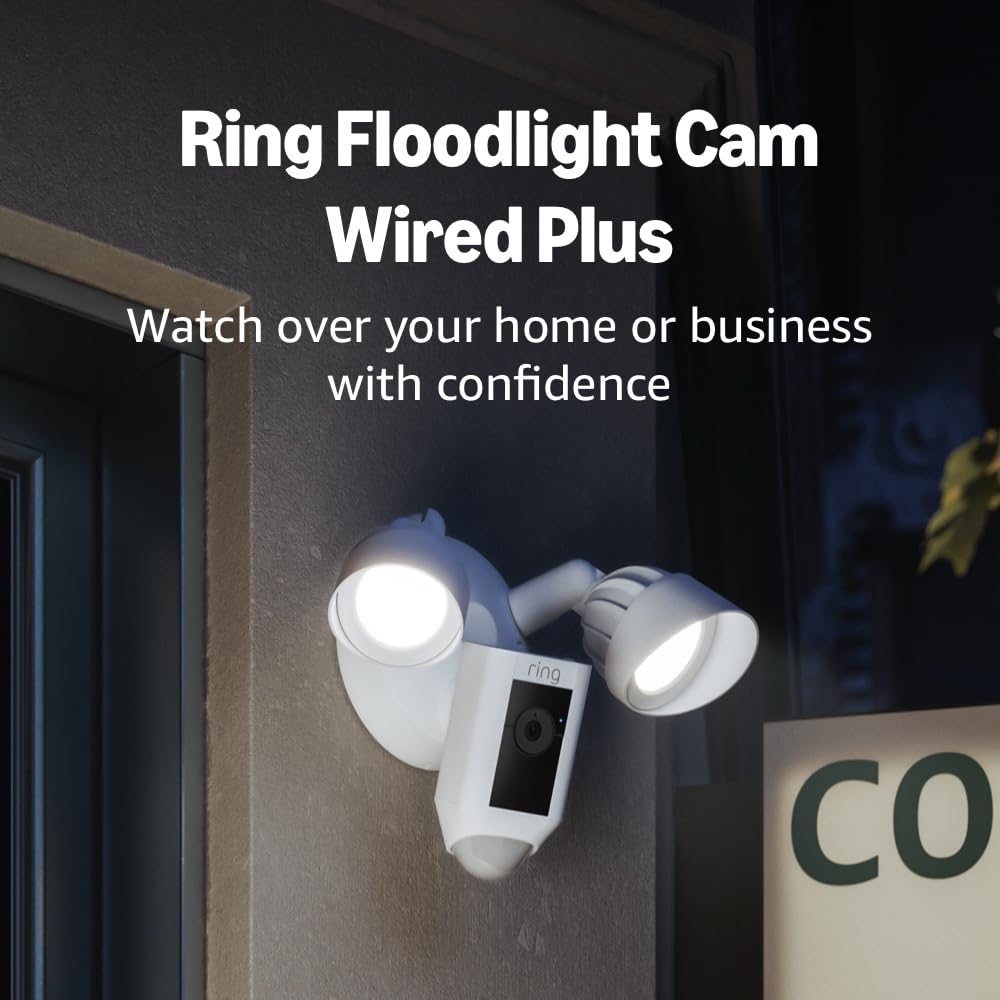
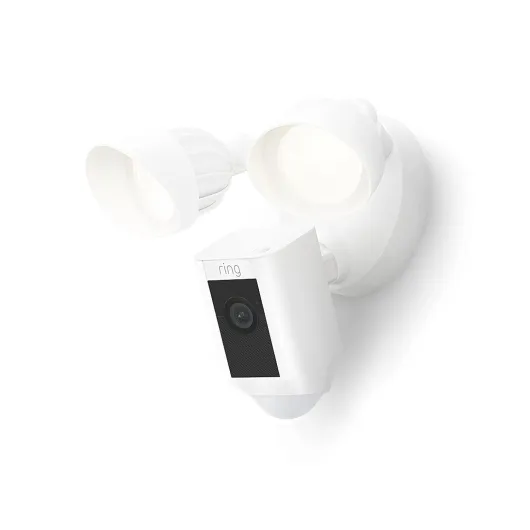
Design‑wise, this thing is not small. When I pulled it out of the box, it felt solid and a bit heavier than I expected, which is actually reassuring for something that’s going to live outdoors. You’ve got a central camera module in the middle and two floodlight heads on adjustable arms. It’s very much “security gear on the wall”, not some sleek decor piece, but I’m fine with that. It looks like what it is: a camera and lights meant to keep an eye on things.
The adjustable arms are actually useful. After I mounted it, I had to spend a few minutes tweaking the angles so the lights hit the driveway and not straight into my neighbor’s window. The camera also tilts, so you can aim it down if it’s mounted high. There’s enough flexibility that you don’t have to be laser‑precise with where the box is on the wall. Just be aware: you need a 4‑inch round weatherproof electrical box, which is not included. I already had one from the old light, but if you’re starting from scratch, that’s one more thing to buy or have installed.
Installation tools in the box are basic but handy. They include the mounting bracket, screws, and a small screwdriver combo tool. The in‑app walkthrough is actually more useful than the paper manual. It shows you each step with animations, which made it less annoying. I shut off the breaker, swapped the old light, matched the wires, and it was done. If you’re used to changing light fixtures, this is nothing new. If not, this part is probably going to feel a bit stressful, and honestly, I’d say just pay someone to do it instead of guessing with house wiring.
From a design perspective, I like that everything is integrated: no separate junction box cover, no extra camera mount, no cable hanging down. Once it’s on the wall, it’s one clean-ish unit. It’s not pretty, but it’s logical. Also, it’s weather‑rated and has held up fine through a few rainstorms and some cold nights. If you care more about subtle aesthetics than obvious security presence, you might not love the look, but if you just want a clear, functional unit that screams “this area is monitored”, it does the job.
Build quality, weather, and long-term feel
Durability is always a bit of a guess without years of use, but I can at least talk about build and weather behavior so far. The housing feels solid and not flimsy. It’s all hard plastic, not metal, but it doesn’t feel cheap. The joints for the lights and camera are stiff enough that they hold position but still move when you need to adjust them. After a couple of heavy rains and some wind, nothing sagged or shifted, and there’s no visible moisture inside the lenses.
The operating range is rated from -4°F to 122°F (-20°C to 50°C). I haven’t hit either extreme yet, but we did have a few cold nights and one pretty hot day in direct sun. The unit stayed connected to Wi‑Fi and behaved normally. No random reboots or weird artifacts in the video. The fact that it’s hardwired also helps with reliability. You’re not dealing with batteries dying in the winter or losing performance when it’s cold, which I’ve had with some battery cameras.
Cable and seal quality around the mounting base seem decent. Obviously, the real weak point in any setup like this is your electrical box and how well it’s sealed to the wall. In my case, I already had a weatherproof box and gasket, so I just reused that. The camera itself sits flush and doesn’t leave obvious gaps. If you live somewhere with heavy sideways rain or salty air, I’d probably check it once in a while, but that’s true for any outdoor fixture.
Long term, Ring has a one‑year limited warranty, which is okay but not super generous. The good side is they do regular software security updates, and I’ve already had one firmware update go through without issues. If something fails after a year, you’re on your own, but at least the hardware doesn’t feel fragile. My honest take: it feels like it should last several years easily if your electrical box is done properly and you’re not whacking it with ladders or basketballs.
Camera, motion detection, and lights: how it really behaves
The camera quality is 1080p, which is pretty standard now. In daylight, faces and license plates at driveway distance are clear enough to recognize without zooming like crazy. At night, with the floodlights on, it’s basically like daytime in terms of visibility in the main area. Without the lights, color night vision still gives a decent view as long as there’s some ambient light from the street or nearby houses. It’s not security‑company‑grade footage, but for a home camera, it’s perfectly workable.
Motion detection is where you have to spend a bit of time tuning it. Out of the box, it was a little too sensitive and kept picking up cars on the street. In the Ring app, I drew custom motion zones so it focuses mainly on the driveway and walkway. After that, the alerts made more sense. You can also tweak sensitivity and set schedules, so for example, I have it less sensitive during the day and more sensitive at night. Once dialed in, I’d say it’s pretty reliable, with fewer random alerts than some cheaper cameras I’ve used.
The floodlights themselves are strong. They’re 2000 lumens at 3000K, so a warmish white color. On my setup, they light up the whole driveway and a good chunk of the yard. For comparison, they’re much brighter than the old motion light I had there. They trigger on motion and can also be turned on manually in the app. There’s a small delay between motion and lights turning on, but it’s short enough that someone walking up the driveway is fully lit by the time they reach the cars.
The siren is loud up close (105 dB measured at 10 cm according to specs), and in practice, it’s annoying enough that I wouldn’t want to stand under it for long. You trigger it from the app, so it’s more of a manual scare tool than an automatic alarm. Overall, in terms of performance: video is clear enough, lights are very bright, and motion is accurate once tuned. It’s not flawless, and occasionally a bug or a Wi‑Fi hiccup causes a delayed notification, but nothing that made me regret installing it.
What this thing actually does day to day
On paper, the Ring Floodlight Cam Wired Plus is pretty straightforward: 1080p camera, two LED floodlights, motion detection, a 105 dB siren, and two‑way audio, all controlled from the Ring app. It connects to 2.4 GHz Wi‑Fi and has color night vision, which basically means if there’s some light around, you don’t just get that classic grainy black‑and‑white image. In practice, it’s a combo of security camera and very bright yard light that kicks on when someone walks by.
In daily use, the main things you notice are: the lights turning on, the motion alerts on your phone, and the ability to open Live View to see what’s going on outside. I get notifications like “Motion detected at Front Driveway” and can jump straight into the live feed. There’s a few seconds of delay, but it’s decent. The camera covers a wide area (140° horizontal), so for me it sees both cars in the driveway, the path to the front door, and part of the street. You can also set motion zones in the app to avoid triggering every time a car passes.
The other part is the subscription side. Out of the box, you get a free trial of Ring Protect. After that, if you don’t pay, you still get live view and notifications, but no video history. So if something happens at 3am and you don’t catch the notification live, you’re out of luck without the plan. That’s the trade‑off with Ring: hardware is fine, but they clearly expect you to stay on a paid plan if you actually care about reviewing footage later.
So in short, this is a “set it and mostly forget it” kind of device. Once installed and configured, it just sits there sending motion alerts, turning on the lights when needed, and saving video clips to the cloud if you’re paying. It’s not some high‑end security system, but for a regular house or small business entrance, it covers the basics pretty well.
Does it actually improve security, or just spam notifications?
From a pure security perspective, this is basically about three things: scaring people off, recording what happens, and letting you react quickly. On the first point, I’d say it does well. A big, obvious camera with bright floodlights that snap on when you walk up is a decent deterrent. I’ve already seen delivery drivers look straight at the camera when the lights come on. That alone is worth something, because it’s clear the area is monitored and lit.
On the recording side, it’s only as good as your willingness to pay for the Ring subscription. With the plan, it records motion events and lets you review, download, or share clips for up to 180 days. I had one incident where someone tried checking car doors on the street at night. The camera caught them walking past my driveway, and I could easily pull the clip and show it to a neighbor. Without the subscription, that clip would’ve been gone because I wasn’t looking at my phone at 2am when the alert came through.
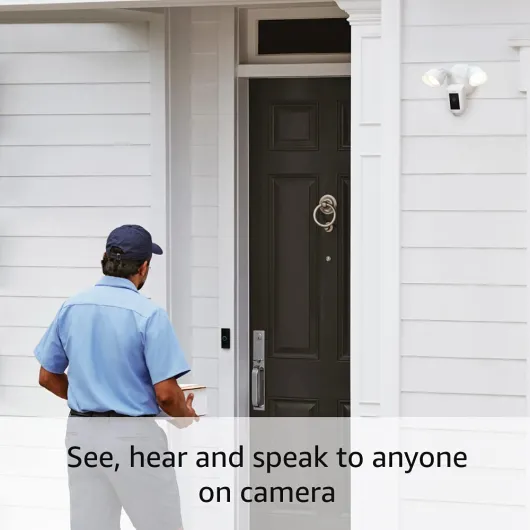
For real‑time reaction, the two‑way audio and siren are the main tools. I tested talking through the camera a few times. There’s a small delay, but nothing crazy. People can hear you fine if they’re within a normal distance, and the microphone picks them up clearly enough. It’s not crystal studio quality, but for “Hey, can I help you?” or “Leave the package by the door,” it works. The siren is more of a “oh crap” button if you see something sketchy on live view. I don’t expect to use it often, but it’s nice that it’s there.
So overall, in terms of effectiveness, it actually helps. It doesn’t turn your house into Fort Knox, but it makes a dark spot bright, records suspicious stuff, and lets you intervene from your phone. If you’re expecting perfect coverage and zero false alerts, you’ll be disappointed. But if your goal is “see what’s going on outside and scare off casual idiots,” it does that pretty well.
Pros
- Very bright 2000 lumen floodlights that actually light up a driveway or yard
- Reliable motion detection with customizable zones once configured properly
- Integrates smoothly with the Ring app and other Ring devices, with clear 1080p video and color night vision
Cons
- Real usefulness depends heavily on paying for a Ring Protect subscription for video history
- Requires hardwired installation with a 4-inch weatherproof electrical box, which may mean extra cost or electrician help
Conclusion
Editor's rating
Overall, the Ring Floodlight Cam Wired Plus is a solid, practical upgrade if you want to light up a dark area and keep an eye on it from your phone. The camera quality is good enough to clearly see who’s around your house, the floodlights are genuinely bright, and the motion detection becomes reliable once you spend a bit of time tuning the zones. Hardwiring means no battery headaches, and if you already use Ring, it drops into the app with zero drama.
It’s not perfect. You pretty much need the Ring Protect subscription to get the real value out of it, because live view alone isn’t very helpful if you miss the alert. The wired install also won’t suit everyone; if you don’t already have a junction box, you’re either drilling and wiring or paying someone else to. And it’s not exactly discreet – it looks like a security device, which can be good as a deterrent but isn’t subtle.
I’d recommend this to people who: already have Ring gear, don’t mind a subscription, and want a bright, all‑in‑one camera + floodlight for a driveway, backyard, or business entrance. If you’re anti‑subscription, prefer local storage, or don’t want to touch house wiring, I’d skip this and look at a battery cam with SD card support or a different ecosystem. For what it is, though, it gets the job done and makes those dark corners a lot less inviting.