
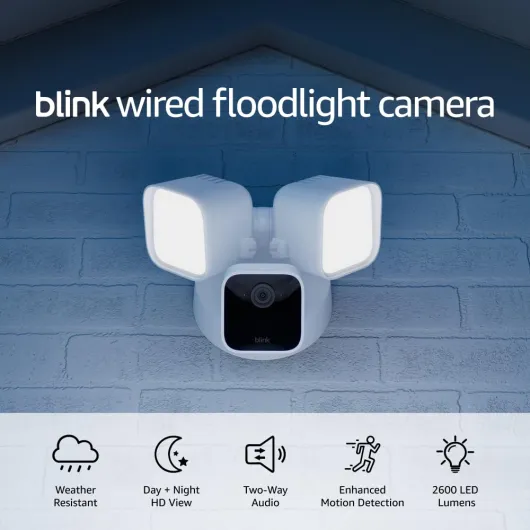
Understanding the basics of security camera floodlights
What Makes a Security Camera Floodlight Different?
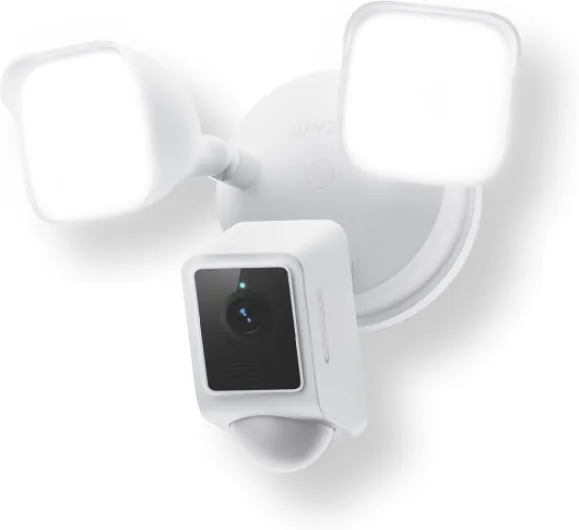
Security camera floodlights combine two essential elements for home protection: a high-powered light and a surveillance camera. Unlike standard security cameras, these devices illuminate dark areas and capture clear video footage, even at night. This dual function helps deter unwanted visitors and provides better visibility for motion detection and video recording.
Core Components and How They Work
- Camera: Modern floodlight cameras offer HD video, color night vision, and sometimes two-way audio. This means you can see, hear, and speak to visitors through your app, whether you’re home or away.
- Floodlight: The integrated light activates with motion detection, instantly brightening the area. This not only helps the camera capture clearer images but also acts as a deterrent.
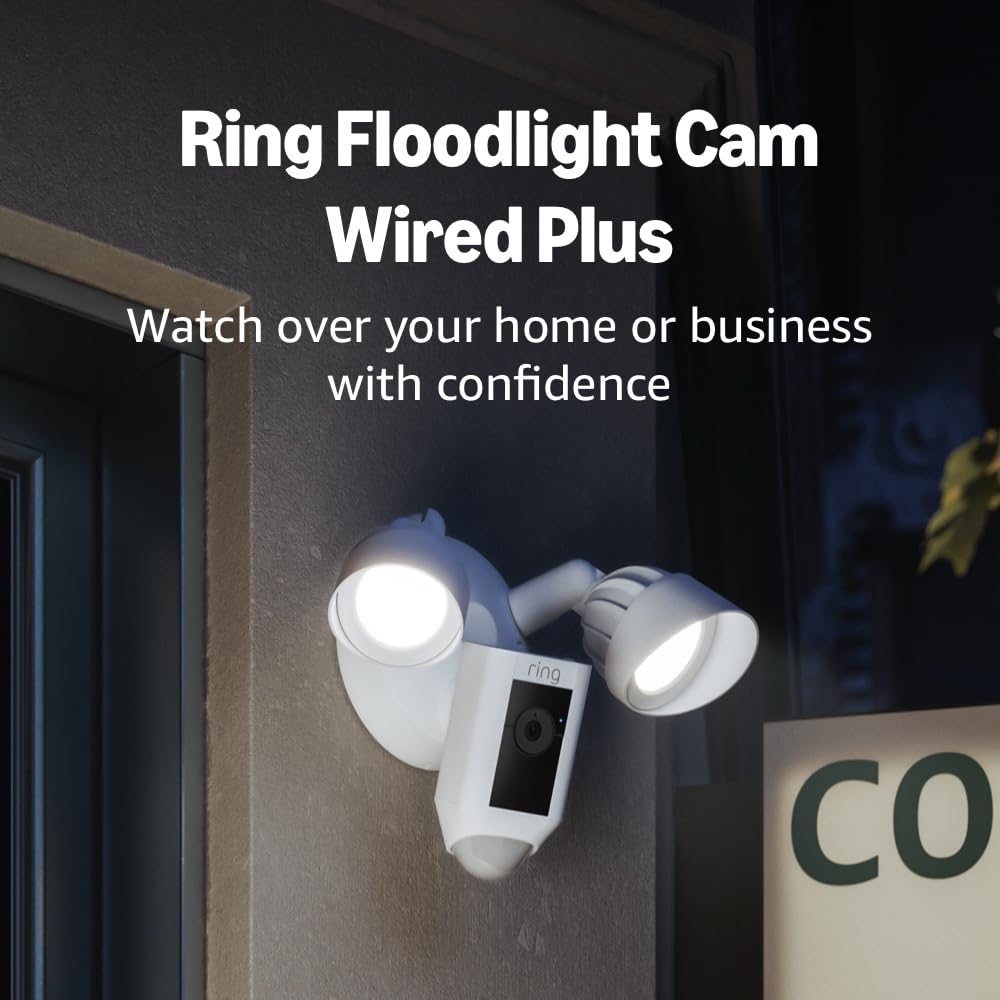
- Motion Detection: Advanced sensors trigger both the light and the camera, ensuring you’re alerted to activity. Some models, like the Ring Floodlight Pro and Plus, offer customizable detection zones and smart alerts.
- Connectivity: Most floodlight cameras connect to your home Wi-Fi and can be controlled via an app. Integration with Amazon Alexa, Google Assistant, or other smart home systems is common.
Popular Brands and Their Approach
Brands like Ring, Lorex, and Arlo have set the standard for floodlight security. Each offers unique features, such as cloud storage, wired or wireless installation, and siren alarms. For example, Lorex floodlight cameras often focus on local storage and wired reliability, while Arlo Secure emphasizes cloud-based video and flexible mounting options. Ring stands out for its user-friendly app and seamless integration with other smart devices.
Why Choose a Floodlight Camera?
- Combines lighting and surveillance for better security coverage
- Improves motion detection accuracy, especially at night
- Offers features like two-way audio, sirens, and smart alerts
- Can be installed in place of a traditional wired floodlight using a junction box
Understanding these basics will help you compare regular price, features, and the best floodlight camera for your needs. As you look deeper into features, integration, and installation, you’ll see how these devices can fit into your overall security strategy.

Key features to look for in a security camera floodlight
Essential Elements for Effective Floodlight Security Cameras
When selecting a security camera floodlight, it’s important to focus on features that truly enhance your home’s protection. Not all floodlight cameras are created equal, and understanding the differences can help you make a more informed decision. Here are some of the most important features to consider:
- Motion Detection: Reliable motion detection is at the core of any good floodlight camera. Look for models that offer customizable motion zones and sensitivity settings. This helps reduce false alerts and ensures you’re only notified when it matters.
- Night Vision and Color Night Vision: Clear video footage at night is crucial. Some floodlight cameras, like the best floodlight models from Ring, Lorex, and Arlo, offer color night vision, which provides more detail than standard infrared night vision.
- Video Quality: High-definition video (1080p or higher) allows you to see faces and details clearly. Wired floodlight cameras often provide more stable video quality compared to wireless options.
- Two-Way Audio: Built-in microphones and speakers let you communicate with visitors or warn off intruders directly through the app. This is a key feature for interactive security.
- Smart Home Integration: Compatibility with Amazon Alexa, Google Assistant, and other smart platforms can make managing your security system easier. Some models, like the Arlo Pro Floodlight, offer seamless integration with smart home devices.
- Siren and Light Features: A loud siren and bright lights can deter unwanted visitors. Adjustable lights and siren settings give you more control over your security response.
- App Experience: A user-friendly app is essential for managing alerts, reviewing footage, and adjusting settings. Look for cameras that offer free basic features, with optional cloud storage or premium plans like Arlo Secure.
- Wired vs. Wireless: Wired floodlight cameras often provide more reliable power and video transmission, but may require installation at a junction box. Wireless options offer easier installation but may need regular battery changes.
- Cloud Storage and Local Storage: Consider whether you want free local storage, paid cloud storage, or both. Lorex floodlight cameras often include local storage, while Ring and Arlo provide cloud-based options at a regular price or during a price sale.
Comparing popular brands like Ring, Lorex, and Arlo reveals differences in features, app experience, and integration. For a deeper dive into how floodlight security cameras stack up against standalone cameras, check out this guide on choosing between floodlight security and standalone cameras.
Ultimately, the best floodlight camera for your home will balance video quality, smart features, and ease of use. Consider your unique needs and the layout of your property before making a decision.
Integrating a security camera floodlight with your Ring system
Connecting Your Floodlight Camera to the Ring Ecosystem
Integrating a security camera floodlight with your Ring system is a straightforward process, but it’s important to understand the steps and benefits. When you add a floodlight camera to your Ring setup, you’re not just adding another device—you’re enhancing your home’s security network with smart features and seamless control.
- Unified App Control: The Ring app allows you to manage all your cameras, including your new floodlight camera, from a single dashboard. You can view live video, adjust motion detection zones, and control the floodlight’s brightness or schedule when the lights turn on and off.
- Smart Home Integration: Ring floodlight cameras work with Amazon Alexa and Google Assistant, so you can use voice commands to view your camera feed or control your lights. This integration makes it easy to check on your property hands-free.
- Enhanced Motion Detection: When your floodlight camera detects motion, it can trigger lights, send alerts to your phone, and even activate a built-in siren. This immediate response is a key advantage over traditional security cameras.
- Night Vision and Color Night Features: The floodlight’s powerful LEDs improve night vision, providing clear color video even in low-light conditions. This is a step up from regular security cameras that may only offer black-and-white night vision.
- Cloud Storage and Video History: With a Ring Protect subscription, your video footage is stored securely in the cloud. This allows you to review events, share clips, and keep a record of activity around your home. For those interested in continuous recording, you can learn more about the benefits of a continuous recording camera.
Compared to other brands like Lorex and Arlo, Ring’s integration stands out for its user-friendly app, reliable motion detection, and compatibility with smart home assistants. Whether you choose a wired floodlight or a wireless option, connecting your device to the Ring ecosystem ensures you get the most out of your security investment.
Installation tips and common challenges
Getting Your Floodlight Camera Up and Running
Installing a security camera floodlight can seem daunting, but with the right approach, you can maximize both security and convenience. Whether you choose a wired floodlight camera or a smart wireless option, a few practical steps and tips can make the process smoother.
- Choose the Right Location: Position your floodlight camera where it covers key entry points and maximizes motion detection. Corners of the house, garages, and backyards are common spots. Make sure the camera has a clear field of view for both day and night vision.
- Check Power Requirements: Wired floodlight cameras, like those from Ring, Lorex, or Arlo, often require connection to an existing junction box. Confirm that your electrical setup matches the camera’s needs before starting installation.
- Secure Mounting: Use the mounting hardware provided to ensure the camera and lights are stable. Avoid placing the floodlight too high or too low, as this can affect motion detection and video quality.
- Weatherproofing: Most floodlight security cameras are rated for outdoor use, but double-check seals and cable entries to prevent water damage. This is especially important for wired models.
- Connect to Your App: Once installed, use the manufacturer’s app to connect your camera. This step is crucial for accessing features like live video, two-way audio, and smart alerts. Apps from Ring, Arlo, and Lorex offer step-by-step guidance.
Common Installation Challenges and Solutions
- Compatibility with Smart Home Systems: Not all floodlight cameras work seamlessly with Alexa, Google Assistant, or other smart platforms. Double-check compatibility before purchase if you want voice control or integration with other smart devices.
- Wi-Fi Signal Strength: Wireless floodlight cameras need a strong Wi-Fi connection for reliable video streaming and motion alerts. Consider a Wi-Fi extender if your camera is far from your router.
- Cloud Storage and Subscription Costs: Some brands offer free basic features, but advanced options like cloud storage, color night vision, or pro floodlight features may require a paid plan (e.g., Arlo Secure). Compare regular price and price sale offers to find the best value.
- Lighting Adjustments: Adjust the floodlight’s sensitivity and angle to avoid false alarms from passing cars or animals. Most apps allow you to customize motion detection zones and light intensity.
Taking the time to plan your installation and address these common challenges can help you get the most out of your security cameras and floodlight features, whether you choose Ring, Lorex, Arlo, or another brand.
Privacy and data security considerations
Protecting Your Privacy with Smart Floodlight Cameras
When adding a floodlight camera to your home, privacy and data security are just as important as motion detection or night vision. Modern security cameras, like those from Ring, Lorex, and Arlo, offer advanced features, but they also collect sensitive video and audio data. Here’s what you should know to keep your footage secure and your privacy intact.- Data Encryption: Leading brands encrypt video and audio streams, both in transit and at rest. This means your footage is protected from unauthorized access, whether it’s stored in the cloud or viewed through the app.
- Cloud Storage vs. Local Storage: Some floodlight cameras, like the Lorex floodlight, offer local storage options, while others rely on cloud storage. Cloud storage can be convenient, but always check the provider’s privacy policy and whether you need a paid plan for full access. For example, Arlo Secure offers extra features for a monthly fee, while Ring provides basic free features with optional upgrades.
- Account Security: Use strong, unique passwords and enable two-factor authentication on your security camera accounts. This simple step adds a critical layer of protection, especially if you’re using smart integrations with Amazon Alexa or Google Assistant.
- Privacy Zones: Many floodlight cameras let you set privacy zones. This feature lets you block out areas from video recording, like a neighbor’s yard, helping you comply with local privacy laws and respect others’ boundaries.
- Firmware Updates: Regular updates from brands like Ring and Arlo patch security vulnerabilities. Always keep your floodlight camera’s firmware up to date to benefit from the latest protections.
Balancing Security and Peace of Mind
While features like color night vision, motion detection, and a built-in siren boost your home’s security, it’s crucial to understand how your data is handled. Wired floodlight cameras may offer more control over your network, while wireless options can be more flexible but may depend more on cloud services. Always review the privacy settings in your camera’s app, and consider who can access your video feeds, especially if you share access with family members. In the end, the best floodlight security camera is one that not only lights up your yard and records clear video but also gives you confidence that your personal data is safe. Whether you choose Ring, Lorex, Arlo, or another brand, prioritize privacy and security features alongside regular price, smart integrations, and other specs.Comparing security camera floodlights: what sets Ring apart?
How Ring Stands Out in the Floodlight Security Camera Market
When comparing security camera floodlights, it’s easy to get overwhelmed by the variety of brands and features. Ring, Lorex, and Arlo are among the most recognized names, each offering their own take on floodlight cameras. Here’s a closer look at what sets Ring apart from the competition.- Smart Home Integration: Ring floodlight cameras work seamlessly with Amazon Alexa, allowing voice control and integration with other smart home devices. While Arlo also supports Alexa and Google Assistant, Ring’s ecosystem is especially user-friendly for those already using Alexa-enabled devices.
- Motion Detection and Alerts: Ring’s advanced motion detection lets you customize zones and sensitivity, reducing false alerts. The app delivers real-time notifications, and you can view live video from anywhere. Lorex and Arlo offer similar features, but Ring’s app is often praised for its intuitive interface.
- Night Vision and Lighting: With powerful LED lights and color night vision, Ring floodlight cameras provide clear video even in low-light conditions. The lights can be triggered by motion, acting as both a deterrent and a practical security feature. Lorex floodlight cameras also offer color night vision, but Ring’s integration with its app and smart features gives it an edge.
- Audio and Siren Capabilities: Two-way audio lets you speak to visitors or warn intruders directly from your phone. The built-in siren can be activated remotely for added security. These features are standard in most top brands, but Ring’s implementation is reliable and easy to use.
- Cloud Storage and Subscription: Ring offers cloud storage for recorded video through its subscription plans. While Arlo Secure and Lorex cloud options exist, Ring’s plans are straightforward and often more affordable for basic needs. Free storage is limited, so consider your recording needs when comparing brands.
- Installation and Compatibility: Ring’s wired floodlight cameras are designed for easy installation with a standard junction box. The app guides you through the process, and customer support is widely available. Lorex floodlight and Arlo Pro floodlight models may require more technical setup, depending on your home’s wiring.
- Regular Price and Sales: Ring products are competitively priced, and frequent price sales can make them even more accessible. It’s worth checking for deals, especially if you’re considering adding multiple security cameras to your system.
| Feature | Ring | Lorex | Arlo |
|---|---|---|---|
| Smart Home Integration | Alexa | Alexa, Google Assistant | Alexa, Google Assistant |
| Motion Detection | Customizable zones | Customizable zones | Customizable zones |
| Night Vision | Color night vision | Color night vision | Color night vision |
| Audio/Siren | Two-way audio, siren | Two-way audio, siren | Two-way audio, siren |
| Cloud Storage | Subscription (affordable) | Subscription | Arlo Secure |
| Installation | Wired, easy with app | Wired, may need pro | Wired/wireless, may need pro |
| Price | Competitive, frequent sales | Varies | Higher, sometimes on sale |
Ultimately, the best floodlight camera for your home depends on your specific needs and which features matter most. Ring stands out for its smart integration, user-friendly app, and value, making it a strong choice for many homeowners looking to enhance their security with reliable floodlight cameras.