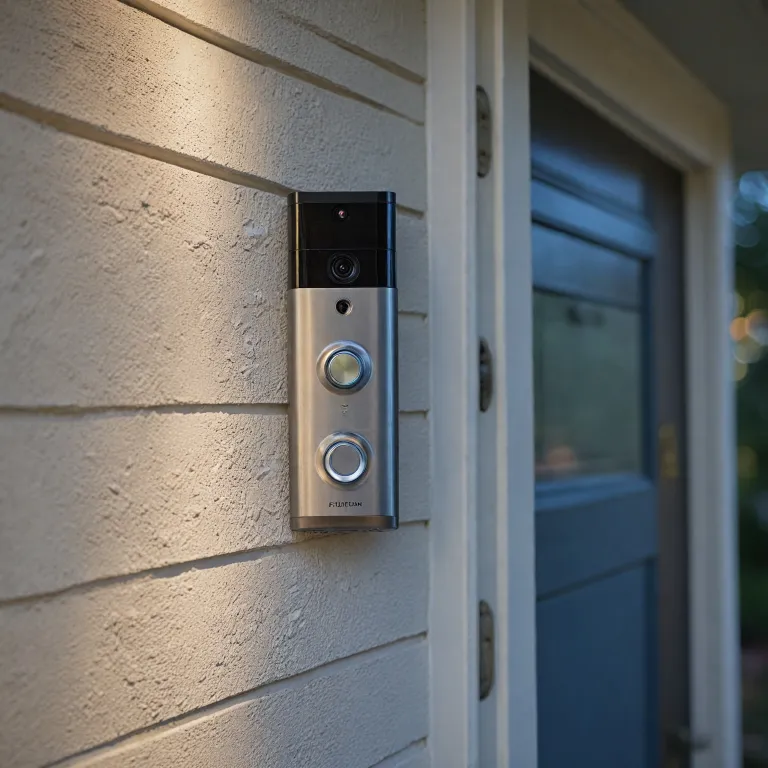
Why a motion sensitive alarm matters for ring camera users
A motion sensitive alarm turns a passive ring camera into an active guardian. When a motion sensor is tuned correctly, the alarm can distinguish meaningful movement from everyday background activity, which sharply improves home security. This combination of smart motion detectors and video evidence reassures residents who want reliable alerts without constant false notifications.
In practical terms, a motion sensor inside a ring camera or as an external detector watches for changes in infrared energy. Many homeowners pair the built in motion detector with additional PIR motion units around a driveway or garden, creating overlapping sensors that detect movement before someone reaches the door. This layered system means a wireless motion network can trigger lights, sirens, or a sensor receiver long before an intruder tests a lock.
For people comparing each product, understanding the list price and long range capabilities is essential. A basic driveway alarm with a single motion detector may cost less per month in cloud storage, but it might lack pet immune settings or glass break integration. More advanced motion sensors and detectors link to a central receiver that will manage several zones, giving you a flexible security system that grows with your property.
Ring camera owners should also think about where motion sensors are placed and how mode motion profiles are configured. If a sensor detect zone points at a busy street, the alarm will trigger constantly and quickly lose credibility. Careful placement of motion detectors and outdoor motion units along a driveway or side path ensures that only relevant movement generates a motion detected alert.
Finally, the relationship between motion sensors and video storage deserves attention. When a motion sensor triggers the alarm, the system will usually start recording, which affects how much data you store each month. Balancing motion sensitivity, recording length, and the number of detectors helps control ongoing costs while maintaining strong security.
Understanding motion sensors, PIR technology, and real world limitations
Most motion sensors used with ring camera rely on passive infrared, often called PIR motion technology. A PIR sensor detects subtle changes in heat patterns, so when a person walks across the field of view, the alarm can trigger without constant power hungry scanning. These PIR motion detectors are popular because they are energy efficient, affordable at almost any list price, and easy to integrate into a wireless security system.
However, PIR motion sensors and detectors have limitations that every homeowner should respect. Their effective range depends on installation height, angle, and the temperature difference between a person and the background, which means outdoor motion performance can vary across seasons. When a motion detector is placed near heating vents, reflective surfaces, or moving foliage, the sensor motion readings can become unreliable and cause repeated motion detected alerts.
Ring camera users often combine PIR motion with other detectors to improve accuracy. For example, a glass break sensor can complement motion sensors by reacting when a window is smashed, even if the intruder avoids the main motion detector. Some advanced systems also include pet immune motion sensors that ignore small animals, which is crucial for households where cats or dogs constantly trigger the alarm.
When evaluating any motion sensitive alarm, it is wise to compare how the sensor receiver handles multiple detectors. A good receiver will support several wireless motion channels, each with its own mode motion profile and notification rules. This design allows you to treat a driveway alarm differently from indoor motion sensors, reducing nuisance alerts while preserving rapid response to real threats.
For deeper context on how professional providers integrate these technologies with ring camera, you can review this guide on the role of home security providers in camera integration. Understanding how experts deploy motion detectors, PIR sensors, and glass break detectors helps you judge whether a given product and its list price align with your expectations. It also clarifies when a do it yourself approach is enough and when a managed security system will deliver better long term reliability.
Designing a motion sensitive alarm layout around your home
Designing an effective motion sensitive alarm layout for a ring camera starts with mapping real movement patterns. You should walk around your property and note every path a visitor, courier, or intruder might use, including the driveway, side gates, and rear doors. This exercise reveals where each motion sensor and motion detector will provide the most value without overwhelming you with alerts.
Many homeowners begin with a driveway alarm that uses long range wireless motion detectors near the entrance. When a vehicle or person crosses that boundary, the sensor receiver inside the house will chime, and the ring camera can start recording. By placing additional motion sensors near secondary doors, you create a layered security system that detects movement progressively as someone approaches the building.
Outdoor motion detectors must be weather resistant and carefully angled. A PIR motion sensor pointed too high might miss people close to the wall, while one aimed too low may react to pets despite pet immune settings. Testing each sensor motion zone at different times of day helps you refine the range and avoid blind spots or constant motion detected events.
Indoors, motion sensors can protect hallways, staircases, and rooms with valuables. Pairing these sensors with glass break detectors near large windows ensures that the alarm will trigger whether an intruder forces a door or quietly breaks glass. In many systems, the receiver will also support mode motion profiles such as “home”, “away”, and “night”, which change how motion detectors and sensors react when people are inside.
To complement motion based protection, some homeowners add environmental sensors that work alongside ring camera. A useful example is a temperature or smoke sensor that can alert you even when no motion is present, and you can read more about such integrations in this article on enhancing home security with smart sensors. Combining motion sensors, glass break detectors, and other devices into one coherent system will give you a robust security network that adapts to daily life.
Balancing sensitivity, false alarms, and pet immune features
One of the most common frustrations with any motion sensitive alarm is the flood of false alerts. When a motion sensor is too sensitive, every rustling branch or passing car can trigger the alarm, which quickly trains you to ignore notifications. For ring camera users, this also means unnecessary video clips and higher data usage each month, especially when multiple motion detectors are active.
Modern motion sensors and detectors address this problem with adjustable sensitivity and pet immune options. A pet immune motion sensor is calibrated so that animals below a certain weight will not trigger the alarm, which is vital for homes with active pets. By fine tuning the range and angle of each motion detector, you can ensure that the system will focus on human sized movement while ignoring everyday background activity.
Placement plays a decisive role in how well sensors motion technology performs. A driveway alarm should be aimed across the path rather than along it, because PIR motion sensors detect lateral movement more reliably. Indoors, mounting a motion sensor at the correct height and away from heat sources helps the sensor detect movement accurately without confusing temperature changes for real motion.
Some advanced systems allow you to define mode motion rules that change throughout the day. For example, you might let indoor motion detectors arm only at night, while outdoor motion sensors and the driveway alarm remain active all the time. In these setups, the receiver will interpret signals differently depending on the selected mode, which reduces false alarms while preserving strong security.
When shopping on platforms such as Amazon, pay attention to how each product describes its motion sensors and detectors. Look for clear information about range, wireless capabilities, and whether the sensor receiver supports multiple detectors with independent settings. Comparing these details against the list price helps you judge whether the alarm system offers genuine value or simply adds complexity without improving security.
Evaluating products, prices, and long term security value
Choosing the right motion sensitive alarm for a ring camera involves more than scanning a list price. You should evaluate how each product integrates motion sensors, motion detectors, and the central receiver into a coherent security system. A low initial price may be attractive, but limited range, unreliable wireless performance, or poor sensor motion accuracy can undermine long term protection.
When reviewing a motion sensor or driveway alarm, examine the stated detection range and wireless specifications. Long range wireless motion detectors are especially important for larger properties where the driveway or outbuildings sit far from the main house. If the receiver will struggle to maintain a stable connection with distant sensors, the alarm might fail precisely when you need it most.
Subscription costs also influence the real price you pay each month. Many ring camera setups require a plan for extended video storage, and frequent motion detected events will consume more storage capacity. By carefully configuring motion sensors and detectors, you can limit unnecessary recordings and keep monthly expenses predictable without sacrificing security.
It is also wise to consider how easily you can expand the system later. A flexible receiver will support additional motion sensors, glass break detectors, and even specialized devices such as pet immune PIR motion units. This scalability means you can start with a simple driveway alarm and gradually build a more comprehensive security system as your needs change.
For a structured comparison of self monitoring options that work well with motion sensors and ring camera, you can consult this guide on choosing the right self monitoring home security systems. Evaluating how each product handles motion detector inputs, sensor receiver reliability, and wireless motion performance will help you invest in equipment that remains effective for many years. This approach aligns your budget, your expectations, and your long term security goals.
Privacy, data handling, and responsible use of motion detection
Beyond technical performance, a motion sensitive alarm linked to a ring camera raises important privacy questions. Every time a motion sensor or motion detector triggers recording, the system captures not only potential intruders but also neighbours, delivery workers, and passers by. Responsible use means configuring sensors motion zones so that the camera focuses on your property and driveway rather than public spaces.
Homeowners should review how their chosen product handles data storage and sharing. Some systems upload every motion detected clip to the cloud, while others allow local storage or stricter retention limits measured by the month. Understanding these policies helps you decide whether the list price and ongoing subscription costs align with your expectations for privacy and control.
Security also depends on how well the system protects access to motion sensors, detectors, and the receiver itself. Strong passwords, two factor authentication, and regular firmware updates reduce the risk that someone will compromise your alarm or view footage without permission. When motion sensors and glass break detectors are part of a wider smart home network, securing the entire system becomes even more important.
Ethical placement of outdoor motion detectors can reduce unnecessary surveillance. Aim each motion sensor toward entry points such as doors, windows, and the driveway, rather than neighbouring gardens or shared pathways. By doing so, you still detect movement that matters for security while respecting the boundaries of others who pass near your home.
Finally, remember that a motion sensitive alarm is a tool that supports, rather than replaces, everyday vigilance. When a sensor detect event occurs, you should review the footage promptly and decide whether to contact authorities or simply adjust the mode motion settings. Combining thoughtful configuration, transparent communication with neighbours, and careful product selection will help you use motion sensors and detectors in a way that enhances both safety and trust.
Common questions about motion sensitive alarms and ring camera
No dataset provided for faq_people_also_ask, so specific frequently asked questions from that source cannot be listed. However, typical concerns include how to reduce false alarms, where to place motion sensors, how pet immune detectors work, and how motion detection affects subscription costs.
Many people also ask whether a driveway alarm is necessary when a ring camera already has a built in motion detector. Others want to know how long range wireless motion sensors perform in bad weather, or whether glass break detectors add meaningful protection. These questions highlight the importance of matching each motion sensitive alarm system to the layout and habits of a particular household.