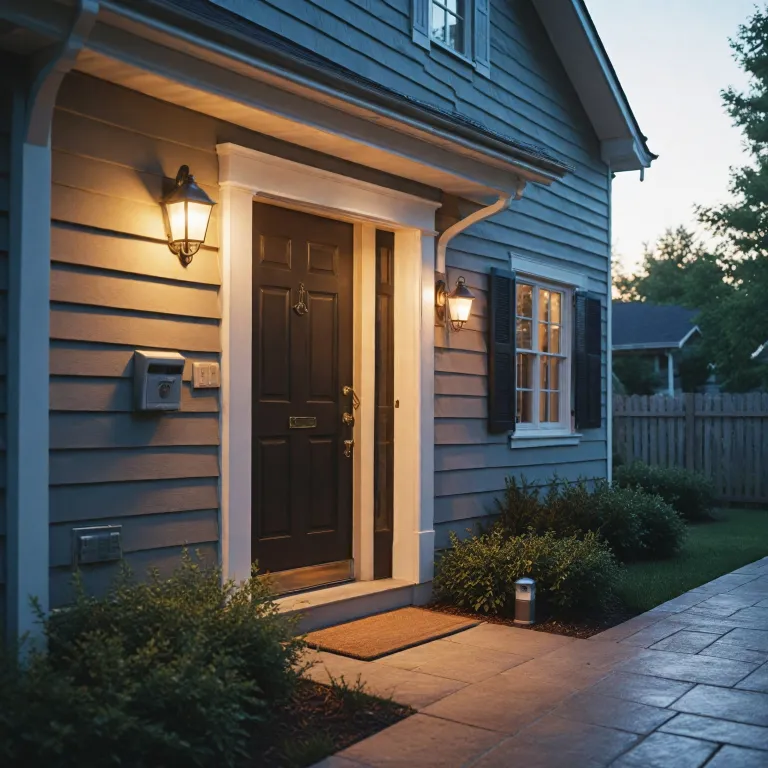
Why self monitored home security is changing how people protect their homes
Self monitored home security appeals to people who want control and clarity. Instead of relying only on a professional monitoring center, you use your phone to manage each security system event in real time. This approach suits many modern households that already use a smart home ecosystem and prefer flexible monitoring plans.
Ring cameras sit at the heart of many self monitored systems because they combine video, motion alerts, and two way audio. When a ring doorbell camera or other security cameras detect movement, you receive a notification and decide whether the situation needs an alarm response or just a quick check. This level of self monitoring can reduce monthly fees while still keeping your home security responsive and visible.
Traditional monitored systems from brands such as ADT or other professional security systems still matter, especially for people who want guaranteed dispatch from a monitoring center. However, many users now mix self monitored and professionally monitored home security, using a base station and sensors from Ring Alarm or SimpliSafe alongside cameras and smart home devices. In this hybrid model, you might pay monthly fees for professional monitoring while still using self monitoring for lower priority events and everyday home automation.
Self monitored home security also encourages more thoughtful DIY planning. People compare systems from Ring, SimpliSafe, Abode, and other professional DIY brands to find the best balance of storage, alarm features, and monitoring plan options. Over time, this competition pushes each security system provider to offer clearer pricing, better base station hardware, and more transparent information about what each monitoring plan actually covers.
How Ring cameras work inside a self monitored security system
A Ring camera becomes more powerful when it is part of a complete self monitored home security system. The camera connects to your Wi Fi network and links with a base station if you use Ring Alarm or another compatible security system. This connection lets the camera, sensors, and alarm siren work together as one coordinated home security solution.
When motion is detected, the Ring app sends a push alert so you can start self monitoring immediately. You see live video from the doorbell camera or other security cameras, speak through two way audio, and decide whether to trigger the alarm or call emergency services. For many people, this level of control feels more responsive than waiting for a professional monitoring center to interpret events.
Storage is a central issue in any self monitored or professionally monitored system. Ring offers cloud storage subscriptions with different monthly fees, and similar options exist for SimpliSafe, Abode, and other monitored systems. If you want to understand how batteries affect uptime and reliability, this guide to CR123A batteries for Ring cameras explains how power choices influence long term home security monitoring.
Self monitoring does not exclude professional monitoring, because Ring Alarm and some Abode systems offer optional monitoring plans. You can run a fully self monitored home security setup most of the time, then activate professional monitoring during travel or busy periods. This flexibility helps you align your security systems and monthly costs with your actual lifestyle instead of paying for a fixed contract that rarely changes.
Balancing self monitoring and professional monitoring with Ring Alarm
Ring Alarm shows how a base station can anchor both self monitored and professionally monitored home security. The base station links contact sensors, motion detectors, and compatible security cameras into one integrated security system. When an alarm triggers, you receive instant alerts for self monitoring, and if you subscribe, a professional monitoring center can also respond.
Many households start with a DIY Ring Alarm kit because it offers a relatively low entry cost and simple setup. Over time, they add a doorbell camera, extra security cameras, and smart home accessories such as smart locks or lights to strengthen the overall home security posture. This modular approach lets you expand your monitored systems gradually instead of paying for a large professional installation from ADT or another provider on day one.
Monitoring plans for Ring Alarm include options for both self monitoring and professional monitoring, with different monthly fees depending on storage and automation features. Some users choose a basic plan that focuses on video storage and self monitoring, while others pay more for full professional monitoring and cellular backup. If you rely heavily on battery powered devices, learning how to manage uptime with guides such as this tutorial on replacing the battery in a Ring doorbell becomes part of responsible DIY security.
SimpliSafe, Abode, and other professional DIY brands follow a similar pattern, offering both self monitored and professionally monitored options. Some people even compare SimpliSafe Abode style systems with Ring Alarm to find the best mix of alarm performance, storage, and monitoring plan flexibility. In every case, the goal is a monitored home that feels tailored to your daily routine rather than forced into a one size fits all contract.
Evaluating costs, monthly fees, and long term value
Cost is one of the strongest reasons people move toward self monitored home security. Traditional monitored systems often involve long contracts, higher monthly fees, and limited control over how your security system behaves. In contrast, DIY options from Ring, SimpliSafe, Abode, and similar brands usually offer shorter commitments and clearer pricing for storage and monitoring plans.
When you compare self monitoring with professional monitoring, think beyond the headline monthly price. A low monthly fee might still feel expensive if the system does not integrate well with your smart home devices or if storage limits are too restrictive. Conversely, a slightly higher fee can be worthwhile if it includes generous video storage, reliable alarm dispatch, and flexible self monitoring controls.
Ring Alarm, SimpliSafe, and Abode each structure their monitoring plans differently, but they all try to balance self monitored features with optional professional services. Some plans focus on video storage for doorbell camera footage and other security cameras, while others emphasize 24/7 professional monitoring and rapid response. Over time, the best value usually comes from a system that matches your actual risk profile, travel habits, and willingness to manage alerts yourself.
It is also important to consider hardware longevity, including the base station, sensors, and cameras. A robust base station and reliable power solutions reduce the risk of gaps in home security, especially when you rely heavily on self monitoring. For people using outdoor cameras or solar accessories, this detailed article on how a solar wireless camera can enhance home security shows how smart power choices can lower long term costs and improve system resilience.
Integrating Ring with other smart home and DIY security systems
Self monitored home security works best when your devices communicate smoothly across the smart home. Ring cameras, Ring Alarm, and compatible security systems can integrate with voice assistants, smart locks, and lighting to create automated routines. For example, when the alarm arms, your system can switch off lights, lock doors, and adjust thermostats to signal that the home is secure.
Many people mix Ring devices with other DIY brands such as SimpliSafe and Abode, especially when they already own certain sensors or smart home hubs. While these systems do not always share a single base station, they can still coexist through platform integrations and careful configuration. This approach lets you keep a preferred doorbell camera or specific security cameras while adding new monitored systems or automation tools over time.
Professional DIY solutions like SimpliSafe Abode style setups often emphasize easy installation and flexible monitoring plans. You can start with a small self monitored kit, then add professional monitoring later if your needs change or if you move to a higher risk area. In every case, the goal is a monitored home that uses technology intelligently rather than overwhelming you with complex controls or unnecessary alerts.
When evaluating integrations, pay attention to how each security system handles alerts, storage, and alarm events. A well designed system lets you choose when to rely on self monitoring and when to escalate to professional monitoring, without confusing menus or hidden settings. Over time, this clarity builds trust in your home security setup and makes it easier to explain the system to family members or guests who need temporary access.
Practical tips for safer self monitoring with Ring cameras
Effective self monitored home security depends on habits as much as hardware. Start by placing each Ring camera and doorbell camera where it captures clear views of entry points without invading neighbors’ privacy. Then configure motion zones and sensitivity so your security cameras alert you to real risks rather than constant false alarms.
Regularly test your base station, sensors, and alarm siren to ensure the security system responds as expected. Check that notifications arrive quickly on every phone used for self monitoring, and confirm that each user understands how to arm, disarm, and trigger the alarm. If you use professional monitoring alongside self monitoring, verify that your monitoring center has accurate contact details and clear instructions for different alarm types.
Review your storage settings and monitoring plans at least a few times each year. You may find that your current monthly fees no longer match your usage, especially if you add new cameras or change how often you review recorded clips. Adjusting your plan can keep your monitored systems efficient while still providing the level of home security you expect.
Finally, treat your self monitored and professionally monitored devices as part of one coherent strategy. Whether you rely on Ring Alarm, SimpliSafe, Abode, or a mix of systems, aim for a monitored home where every component supports clear, timely decisions. Over time, this thoughtful approach to self monitoring and professional monitoring will help your smart home feel both safer and more manageable.
Key statistics about self monitored home security and Ring cameras
- Percentage of households using at least one self monitored security system device.
- Average number of security cameras installed per monitored home.
- Typical reduction in monthly fees when switching from fully professional monitoring to hybrid self monitoring models.
- Share of new smart home installations that include a video doorbell camera as part of the base system.
- Average response time improvement when users receive direct push alerts from their security systems.
Common questions about Ring cameras and self monitored home security
How reliable is self monitored home security compared with professional monitoring ?
Reliability depends on your internet connection, power backup, and personal responsiveness. A well configured Ring based security system with a stable network and clear alert rules can match or exceed many traditional monitored systems for everyday incidents. However, professional monitoring still adds value when you cannot respond quickly, such as during long trips or extended work hours.
Do Ring cameras work well in a mixed environment with other security systems ?
Ring cameras can coexist with other DIY and professional systems, especially when you use smart home platforms to coordinate automation. While they may not share a single base station with brands like SimpliSafe or Abode, they can still contribute video, alerts, and deterrence. Many households run Ring cameras alongside separate alarm systems, using each tool where it performs best.
Are monthly fees always necessary for effective self monitoring ?
Some self monitored setups work with minimal or no monthly fees, especially if you rely mainly on live viewing and basic alerts. However, paid plans often add cloud storage, advanced notifications, and optional professional monitoring that strengthen overall home security. The right choice depends on how often you review footage and how much redundancy you want.
What role does a base station play in a self monitored system ?
The base station coordinates sensors, sirens, and sometimes cameras, acting as the brain of the security system. In products like Ring Alarm or similar systems from SimpliSafe and Abode, it manages communication with the app and any monitoring center. A reliable base station ensures that both self monitoring and professional monitoring work smoothly when an alarm triggers.
Can self monitored systems scale as my home and needs change ?
Most modern self monitored and professional DIY systems are designed to scale gradually. You can start with a few cameras and sensors, then add more devices, storage, and monitoring plans as your budget and risk profile evolve. This flexibility is one of the main reasons people choose self monitored home security over rigid long term contracts.