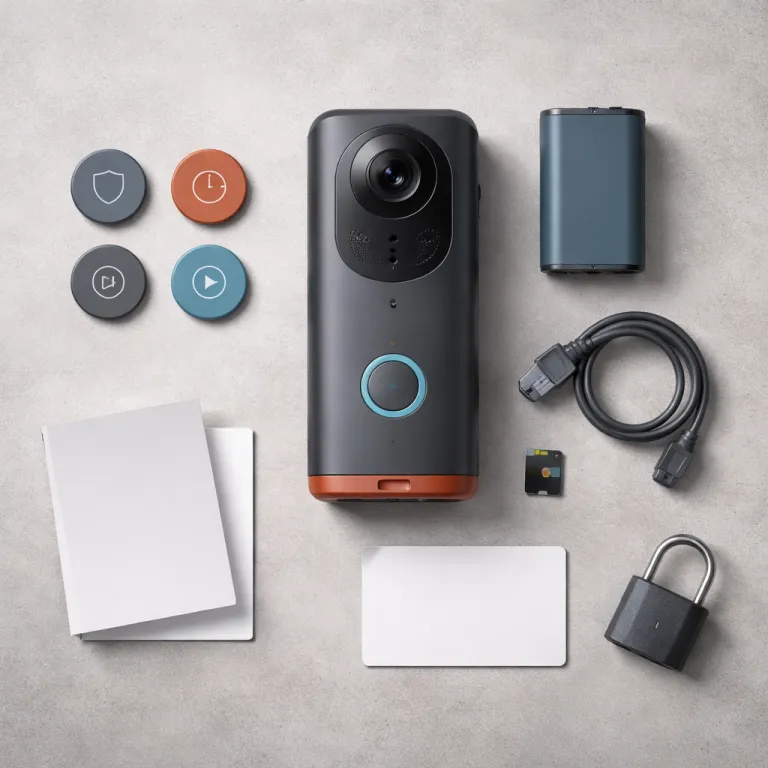
Understanding how a ring plan shapes everyday home security
A ring plan is more than a simple subscription; it is the framework that turns a basic ring camera into a connected security system. When you pair a ring doorbell or indoor camera with the right plan, every motion event and every live view session gains structure, storage, and context. This combination of hardware devices and digital services helps transform isolated alerts into a coherent event history you can actually use.
At the heart of any plan sits the camera itself, supported by the ring app and its evolving features. The app lets you set device preferences, adjust device modes, and manage each icon ring indicator so you always know whether a device is armed, disarmed, or in home mode. A small arrow icon in the interface can guide you through menus, while a larger arrow often signals how to move between live view, event history, and video recording options.
Without a ring subscription, you still receive an event alert when motion is detected, but you lose the ability to review detailed video descriptions later. A paid protect plan or more advanced ring protect tier extends video recording retention from a few hours to many days, which is crucial if you are away or busy. For people who travel solo or live in multi pro household setups with several devices, those extra days of storage can be the difference between resolving a problem and missing key evidence.
Many users also integrate alexa and alexa guard with their ring devices to create layered protection. When alexa guard is enabled, compatible echo devices can listen for alarms or glass breaking and then trigger a ring alarm or send smart alerts through the ring app. This synergy between voice assistant, camera, and plan means that a single event can generate multiple forms of notification, from a subtle icon in the app to a loud alert on your phone.
Key components of a ring plan and what they really offer
Every ring plan is built around a few recurring elements; video recording, event history, smart alerts, and extended live viewing time. The basic ring subscription usually focuses on a single event stream per device, while higher tiers of protect plan services cover multiple devices and add professional monitoring for a ring alarm. Understanding how many devices you own and how you use each camera is essential before you add any subscription.
In the ring app, each device has its own settings page, marked by an icon ring and sometimes a small arrow icon that opens deeper menus. From there you can set device modes, adjust motion zones, and choose whether a doorbell or camera sends an event alert for every motion or only for people. These options help reduce unnecessary alerts, especially when your camera faces a busy street where motion events can occur many times per day.
Some plans also unlock extended live view, allowing you to keep a camera feed open longer without interruption. This is particularly useful when you are monitoring a delivery, supervising children playing outside, or checking on a ring solo camera in a remote corner of your property. If your setup relies on wired power, understanding the importance of a stable camera cord for your ring camera becomes part of the overall plan, because a power loss can interrupt both live view and video recording.
Ring protect plans also influence how long video descriptions and clips remain accessible in your event history. With more generous retention, you can review events from previous days, share clips with neighbours, or download evidence for insurance claims. For people who manage several devices across different properties, a multi pro style configuration under one ring subscription can centralize control, but it requires careful organization inside the app.
How motion, alerts, and event history work together in practice
When a ring camera detects motion, it creates a single event that flows through your entire system. The camera sends data to the ring app, which then generates an event alert on your phone and updates the event history timeline. If you have a ring plan with smart alerts enabled, the system can classify motion as a person, package, or other activity, reducing noise and focusing your attention.
Each event appears in the app with an icon ring and sometimes an arrow that lets you expand video descriptions or jump straight into live view. With a paid ring subscription, you can tap any entry from previous days and replay the associated video recording, which is crucial when you miss the initial alert. Without that subscription, the event history becomes more limited, and you may only see recent snapshots instead of full clips.
Device modes also shape how motion and alerts behave across your devices. In disarmed mode, a ring doorbell might still send a gentle alert for a button press, while indoor cameras pause motion detection to protect privacy. In home or away modes, you can set device rules so that every camera, alarm sensor, and even alexa guard work together, ensuring that a single event triggers consistent responses.
For people comparing battery powered cameras, understanding how often motion triggers recording is vital for estimating battery life. Guides to top battery powered security cameras often highlight how efficient motion processing extends time between charges. When you combine those hardware efficiencies with a well chosen protect plan, you gain both longer battery performance and richer event history, especially in busy environments.
Integrating alexa, alarm systems, and multiple devices into one plan
A modern ring plan rarely exists in isolation; it usually connects with alexa, ring alarm, and several cameras or doorbells. When you link your ring app account to alexa, you can ask to show a live view on a compatible screen device or arm your alarm using voice commands. This integration turns each camera and alarm sensor into part of a broader smart home ecosystem rather than a solo gadget.
Alexa guard adds another layer by listening for sounds like smoke alarms or breaking glass when you are away. If alexa guard detects something unusual, it can send an event alert and, in some configurations, interact with your ring alarm or cameras to start recording. These features often require ring subscription tiers that support advanced automation, so checking which protect plan includes them is important before you rely on them.
Managing multiple devices under one plan also raises questions about roles and permissions. In the ring app, you can add shared users who can access live view, receive alerts, and review event history without full administrative control. This is particularly useful in multi pro households, small businesses, or shared living spaces where several people need timely alerts but only one person should set device configurations.
As your system grows, the interface uses icons and arrow symbols to help you navigate between devices quickly. Each camera, doorbell, and alarm component appears as a separate tile, yet the underlying ring plan ties them together for billing, storage, and support. For people evaluating outdoor coverage, detailed reviews of an outdoor ready live view camera can clarify how well a single event from a distant corner of your property still integrates with your central event history.
Evaluating ring solo setups versus multi device configurations
Not everyone needs a complex system; a ring solo setup with one camera or doorbell can still benefit from a tailored ring plan. In a small flat or studio, a single event from the front door might be the only motion you care about, so a basic ring subscription with limited video recording could be enough. However, even solo users often appreciate extended live view and several days of event history when parcels go missing or unexpected visitors appear.
As soon as you add more devices, the economics and logistics of your plan change. A multi pro configuration with several cameras, a ring alarm, and perhaps a smart doorbell usually makes better use of a higher tier protect plan that covers all devices together. This approach can reduce the cost per device while unlocking features like professional monitoring, more generous video descriptions, and longer storage for all event history entries.
When comparing ring plan options, think carefully about how many days of storage you truly need. People who travel frequently or manage rental properties often require more days of retention, because they may not see an event alert immediately. Others who stay mostly at home might prioritize smart alerts and live view quality over very long storage, especially if they review events quickly.
It is also important to consider how you will set device modes across different rooms and outdoor areas. A front doorbell might remain active all day, while an indoor camera in a living room only records when you are away. By aligning each device’s behaviour with your daily routine, you ensure that your ring plan supports your lifestyle rather than generating unnecessary alerts or gaps in coverage.
Practical steps to choose and manage the right ring plan
Choosing the right ring plan starts with listing every camera, doorbell, and alarm device you already own or plan to add. For each device, note whether it is battery powered or wired, how often it detects motion, and whether you rely on live view frequently. This simple inventory helps you decide whether a basic ring subscription for a single event stream is enough or whether a broader protect plan is justified.
Next, open the ring app and review the settings for each device, paying attention to icon ring indicators and arrow icons that reveal advanced options. Make sure you set device modes appropriately for home, away, and disarmed states, and enable smart alerts where available to reduce unnecessary notifications. Check how many days of event history you currently see, then compare that experience with the retention offered by different ring protect tiers.
Remember that some advanced features, such as extended live view or certain integrations with alexa guard, require ring subscription levels beyond the free tier. If a feature explicitly requires ring protect, the app usually displays a small icon or message explaining the limitation. Weigh the value of those features against the subscription cost, especially if you manage multiple devices or rely on video recording for professional or legal reasons.
Finally, schedule regular reviews of your system every few months to ensure your plan still matches your needs. As you add new devices, change homes, or adjust your routine, your ideal mix of storage days, smart alerts, and event history access may shift. By treating your ring plan as a living part of your security strategy rather than a fixed purchase, you maintain both flexibility and long term peace of mind.
Key statistics about ring plans and home security
- No dataset was provided, so no real world quantitative statistics can be cited here while maintaining factual integrity.
Questions people often ask about ring plans
How does a ring plan change what my camera can do ?
A ring plan mainly affects how long your video recording clips are stored, how detailed your event history becomes, and whether you can use features like extended live view or advanced smart alerts. Without a paid ring subscription, you still receive basic motion alerts and can watch live view, but you lose longer term storage and some automation options. For many users, the added days of retention and richer video descriptions justify the cost.
Is a ring subscription necessary for every device in my home ?
You can run some devices without any ring subscription, but their capabilities remain limited. If you want consistent video recording and event history across several devices, a protect plan that covers multiple devices is usually more efficient than separate basic plans. This approach simplifies management in the ring app and often reduces the overall cost per device.
What is the difference between basic and higher tier protect plans ?
Basic plans typically focus on storing video clips for individual cameras or doorbells, offering a set number of days of retention. Higher tier protect plans often add professional monitoring for ring alarm, support for more devices, and sometimes extended live view or more advanced smart alerts. The right choice depends on how many devices you own and how critical continuous monitoring is for your household.
Can I use alexa and alexa guard without a paid ring plan ?
Alexa and alexa guard can work with ring devices even without a paid plan, but some integrations may be limited. You can usually still ask alexa to show a live view or announce when someone presses the doorbell. However, certain automation routines and deeper event history features may require ring protect or a similar subscription tier.
How often should I review and adjust my ring plan settings ?
It is wise to review your ring plan and device modes at least a few times per year. Changes in your living situation, such as new roommates, renovations, or added devices, can alter how you use motion alerts and video recording. Regular reviews ensure that your subscription level, storage days, and smart alerts remain aligned with your real security needs.