How subscription plans work and where the hidden fees appear
Subscription plans for security cameras usually bundle cloud video storage, advanced motion detection, and extended warranties. At first, a single security camera with subscription may look inexpensive, but the total cost changes when you add more cameras and longer retention for video storage. Over several years, those monthly fees can exceed the price of buying the best security cameras with no subscription and a robust local storage solution.
Most cloud based cameras subscriptions charge per cam or per household, with different tiers for recording length and video quality. A basic plan might keep video for a few days, while higher tiers store recording archives for weeks or months, and each upgrade raises the recurring cost. If you want multiple outdoor security cameras with high resolution video and color night vision, the premium tier often becomes mandatory, which makes a subscription free approach more attractive.
There is also the question of what happens when you stop paying. Some brands reduce your camera with smart features to a simple live view device, removing motion alerts, cloud recording, and sometimes even local storage access. Reading technical breakdowns such as the article on service interruptions shows how dependent certain systems are on active subscriptions and constant connectivity.
Another hidden cost comes from bandwidth and data usage. Continuous cloud recording from several security cameras can consume large amounts of internet data, which may trigger extra charges from your provider. By contrast, a security camera that focuses on local storage using a microsd card or network drive keeps video traffic inside your home network and avoids those indirect fees.
Finally, some ecosystems encourage you to stack services. You might start with one camera with cloud recording, then add smart doorbells, alarm monitoring, and extra cameras subscriptions for different properties. Choosing the best security cameras with no subscription from the beginning helps you resist that upsell pressure and maintain a simple, transparent security budget.
Local storage versus cloud video storage for subscription free security
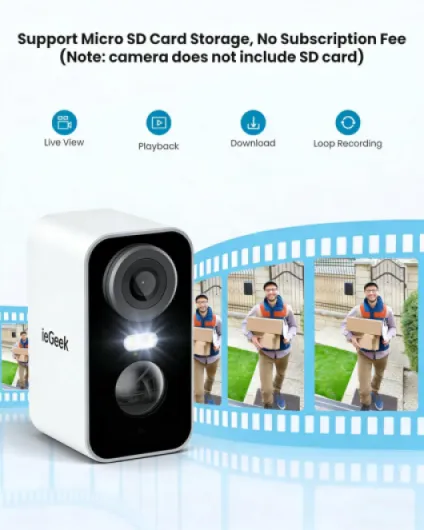
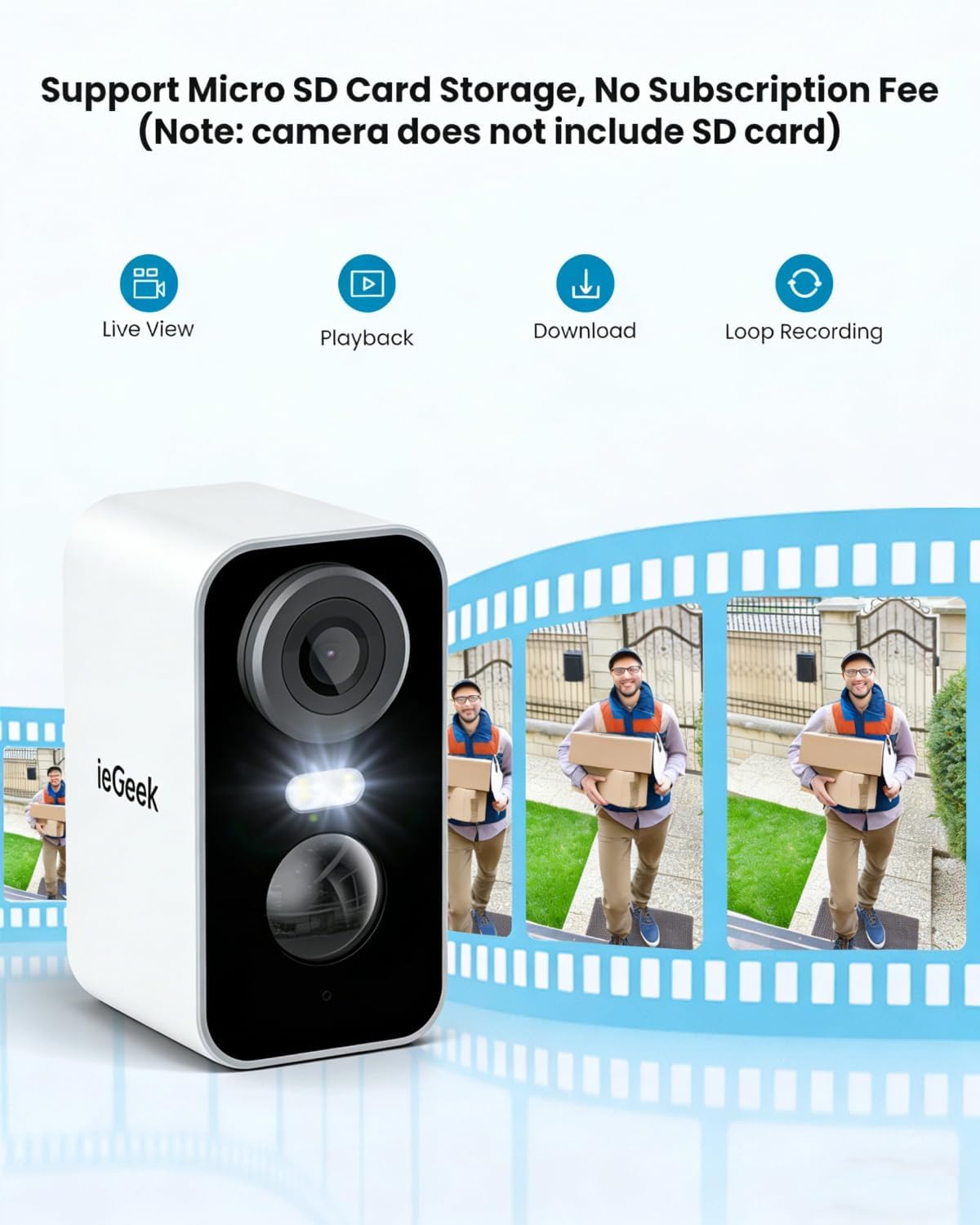
When you evaluate the best security cameras with no subscription, the first technical decision is where to keep your video. Local storage means the security camera writes recording files to a microsd card, a USB drive, or a local network recorder inside your home. Cloud video storage sends every motion event or continuous stream to remote servers, which usually requires a subscription with monthly fees.
Local storage has clear advantages for privacy and resilience. If your internet connection fails or a cloud service experiences an outage, the camera with local recording continues to capture video, and you can later review the footage directly from the device. Guides such as the overview of the Ring Home Basic subscription explain how cloud dependent systems behave, and they highlight why a hybrid or subscription free design can be safer for critical security footage.
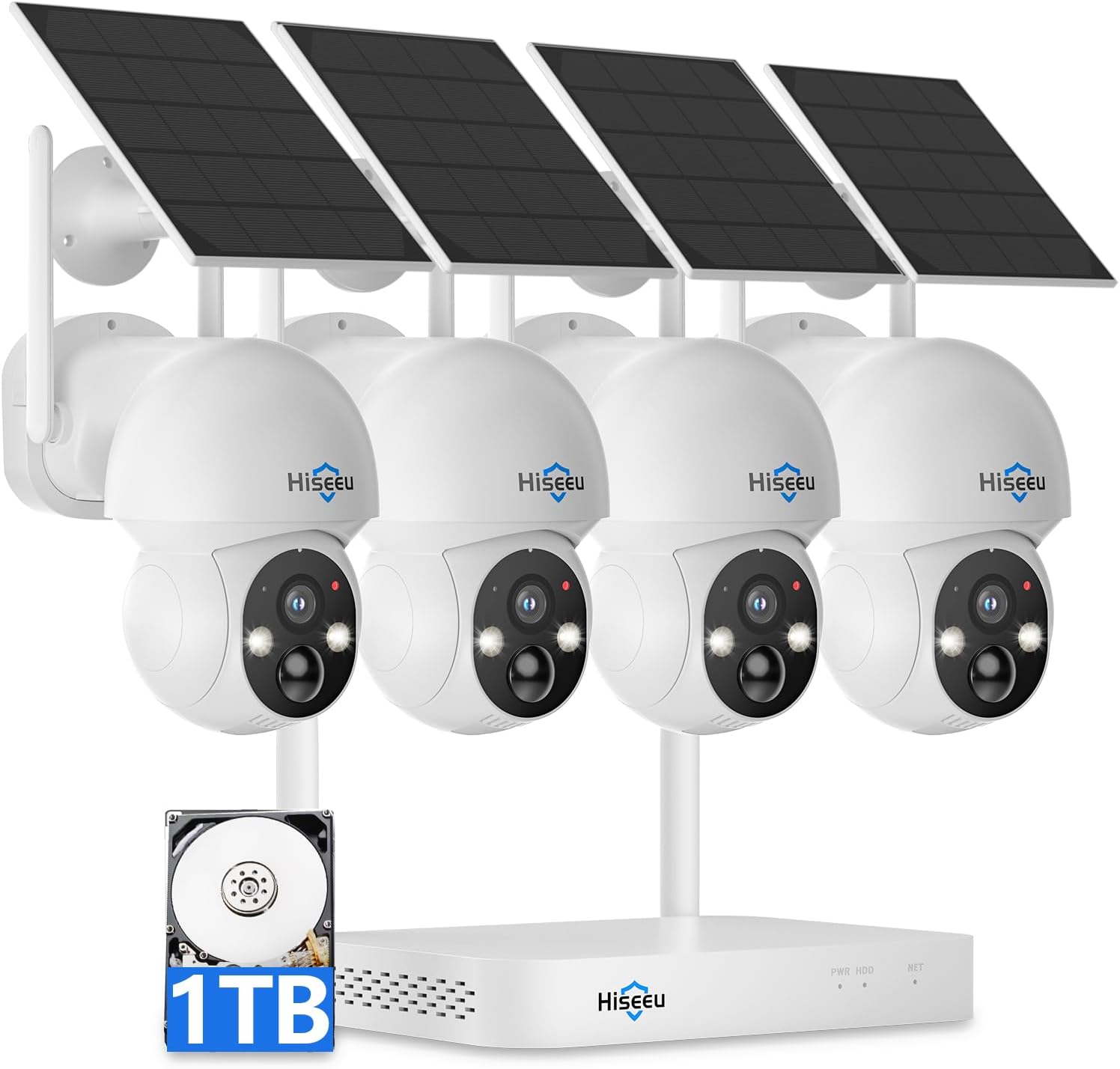
There are trade offs to consider though. A microsd card inside an outdoor cam faces temperature swings and humidity, so you should choose high endurance cards and replace them periodically to protect your security cameras data. For larger homes, a central recorder with multiple channels can store video from several security camera units, giving you the best security balance between capacity, reliability, and independence from external subscriptions.
Cloud video storage still has a role for some people. Remote servers can provide off site backup in case someone steals the camera with its local storage or damages your network equipment during a break in. A practical compromise is to use subscription free recording for everyday monitoring, then add a minimal plan such as the Ring Home Basic subscription only for specific entry points where off site redundancy matters most.
Whatever mix you choose, make sure the system handles motion detection efficiently. Smart detection that records only when something moves reduces the amount of video storage required, whether you rely on local storage or cloud servers. This efficiency lets you run several outdoor security cameras with high resolution video and color night vision without constantly upgrading hard drives or paying higher subscription tiers.
Brand examples: eufy, Tapo, Google Nest and other smart cam options
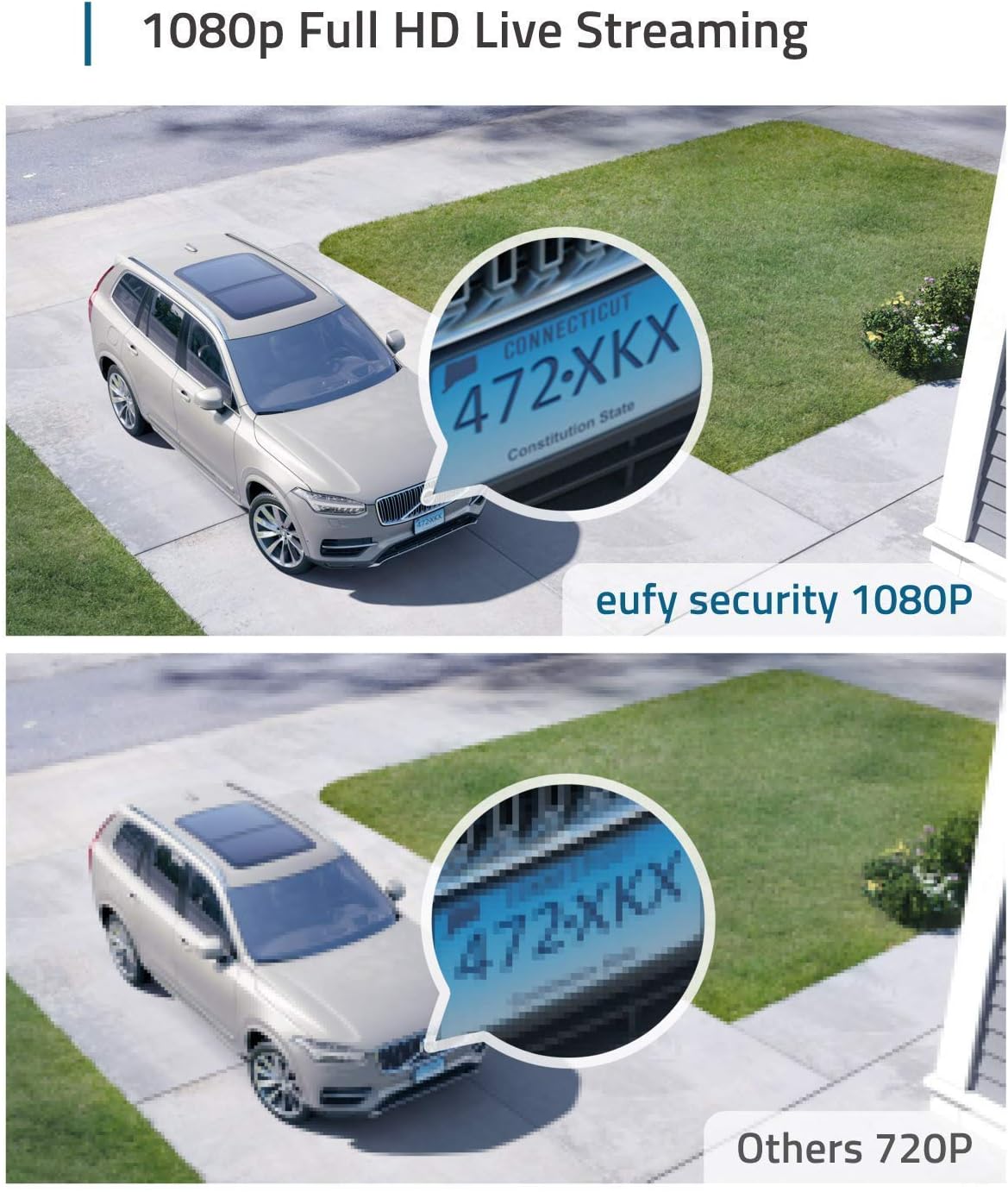
Several major brands now compete to offer the best security cameras with no subscription, each with different strengths. Eufy focuses heavily on local storage and subscription free recording, with many security camera models that save video directly to a home base station or microsd card. This approach appeals to people who want strong security features without ongoing monthly fees or complex cameras subscriptions.
Tapo, a brand from TP Link, offers budget friendly cam models that still provide smart motion detection, night vision, and integration with Alexa Google assistants. Many Tapo cameras support local storage through a microsd card, so you can run them as subscription free devices while still enjoying app based live video and alerts. When you see marketing phrases such as link Tapo or Tapo smart cam, they usually refer to this combination of affordable hardware and flexible storage options.
Google Nest takes a different path, emphasizing cloud intelligence and deep integration with the Google ecosystem. Some Google Nest cameras offer limited local storage, but the full set of security features, extended video history, and advanced detection usually require a subscription with recurring monthly fees. If you want the best security cameras with no subscription in a Google environment, you may need to accept shorter video history or combine Nest devices with other brands that prioritize local storage.
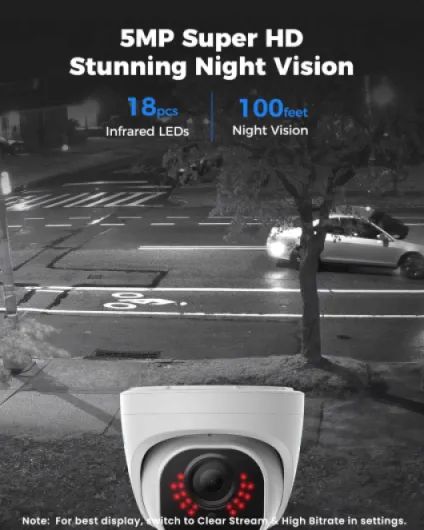
When comparing these brands, pay attention to outdoor security performance. Look for an outdoor cam with robust weather sealing, long battery life or a reliable power supply, and clear night vision or color night vision for low light scenes. A well designed security camera with these features can protect entrances, garages, and gardens without relying on expensive cloud video storage plans.
It also helps to plan your camera placement strategically. A detailed planning guide such as the article on mapping your property before you mount anything shows how a multi camera layout can reduce blind spots and even save you from buying extra cameras. Combining that planning with brands like Eufy or Tapo that support subscription free recording gives you a powerful, efficient security system.
Key features to prioritise in subscription free outdoor security cameras
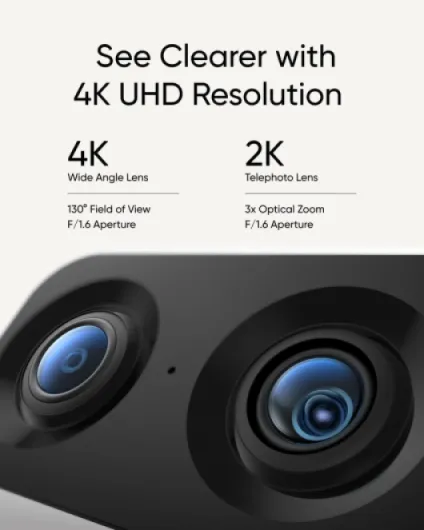
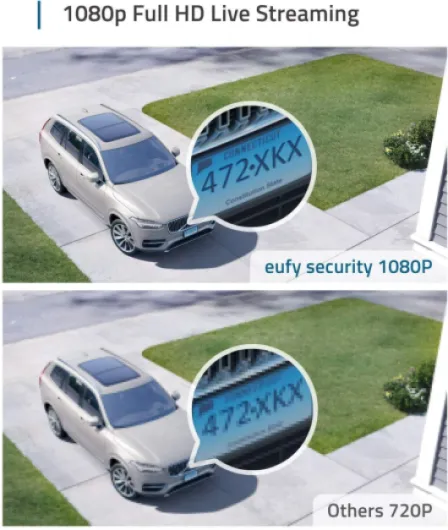
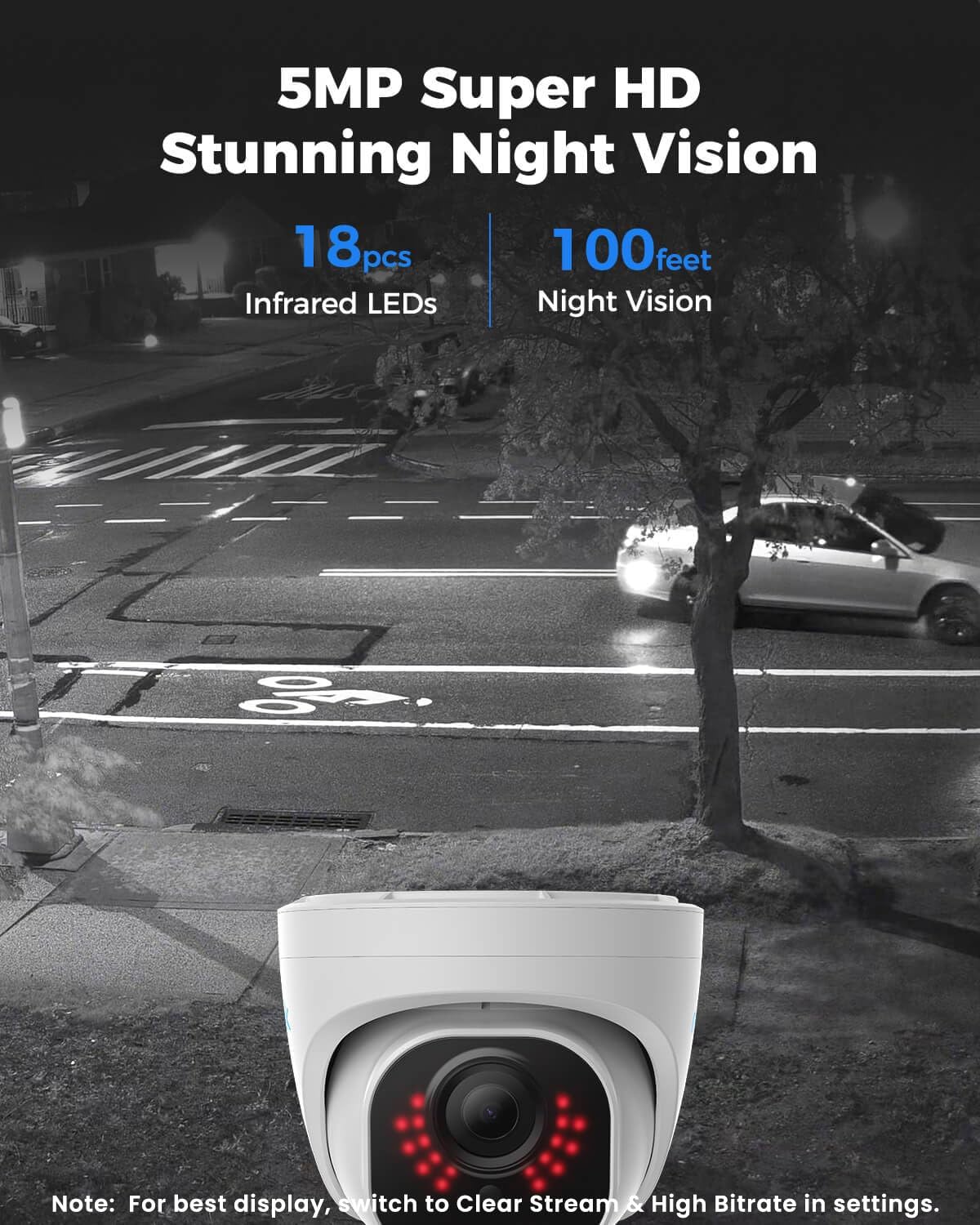
Choosing the best security cameras with no subscription means looking beyond marketing slogans. Start with core security features such as reliable motion detection, clear video resolution, and strong night vision performance. A security camera with these fundamentals will capture usable recording evidence whether it sits indoors or as an outdoor cam facing your driveway.
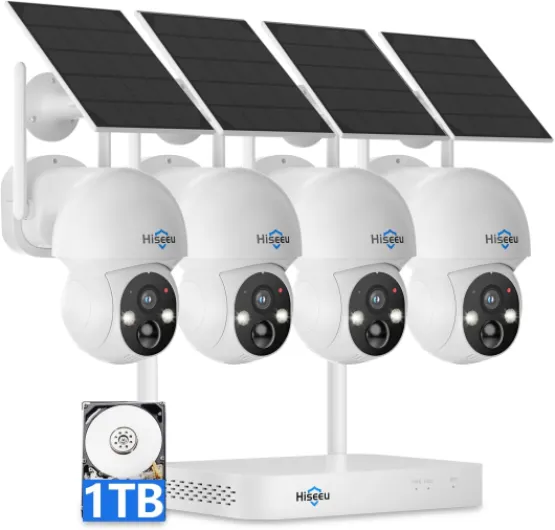
Power management is another critical factor. Battery powered cameras offer flexible placement, but you must check realistic battery life figures, especially when motion events are frequent or when video quality is set to maximum. Some outdoor security models support a solar panel accessory, which can extend battery life almost indefinitely in sunny locations and reduce maintenance for remote cameras.
Smart integration matters as well. Many people want a camera with voice control through Alexa Google or Google Nest displays, so they can view live video feeds hands free. When you evaluate these integrations, confirm that the smart features still work in a subscription free mode and that the camera with local storage continues to record even if cloud services or cameras subscriptions are temporarily unavailable.
Storage flexibility should sit high on your checklist. Look for security cameras that support both local storage on a microsd card and optional cloud video storage, so you can adjust your setup as your needs change. This dual approach lets you start with a subscription free configuration, then add limited cloud recording later without replacing your entire security camera system.
Finally, examine how the app handles alerts and privacy. A well designed interface lets you jump details quickly, reviewing motion clips, adjusting detection zones, and managing multiple cameras without confusion. Granular privacy controls, such as masking certain areas or disabling audio recording, help you respect neighbours while still maintaining the best security coverage for your property.
Building a long term plan for security cameras with no subscription
Once you understand the trade offs, you can design a long term plan around the best security cameras with no subscription. Start by mapping your property, identifying entrances, vulnerable windows, and dark corners where an outdoor cam with strong night vision or color night vision would add real security value. Then decide how many security cameras you truly need, rather than buying extra devices that increase complexity without improving protection.
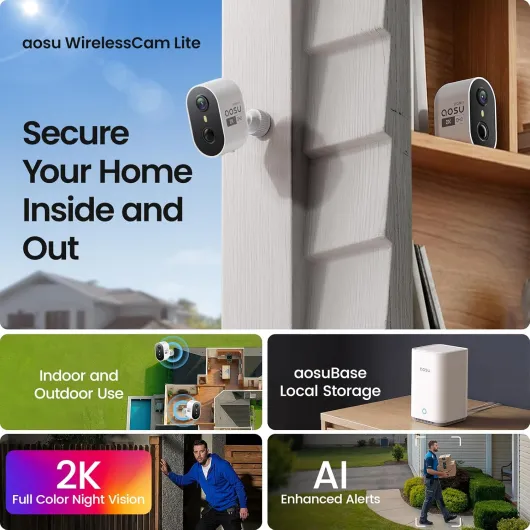
Next, choose a storage strategy that matches your risk profile. For many households, a mix of local storage on microsd cards and a small network recorder offers enough video storage for several days of motion based recording, without any recurring monthly fees. If you handle sensitive situations, such as rental properties or home offices, you might add limited cloud video storage only for specific security camera locations while keeping the rest of the system subscription free.
Maintenance planning often gets overlooked. Set reminders to check battery life, clean lenses, and review recording quality at least a few times per year, especially for outdoor security installations exposed to dust and rain. When firmware updates appear, apply them promptly so your cameras maintain strong security protections and continue working smoothly with Alexa Google, Google Nest, or other smart home platforms.
Think about future expansion as well. Choose brands like Eufy or Tapo that support multiple cameras under one app, flexible local storage options, and optional solar panel accessories for remote spots. This flexibility lets you add new cam models or upgrade existing security cameras without being forced into expensive cameras subscriptions or a complete system replacement.
Finally, document your setup. Keep a simple record of each security camera location, its power source, storage method, and any smart integrations or with subscription add ons you might enable later. This habit makes troubleshooting easier, helps you compare the real cost of subscription free versus with subscription features over time, and ensures your system continues to deliver the best security performance for your home.
Key statistics about subscription free security cameras
- According to market research from Omdia, more than 50 percent of new consumer security cameras sold globally now include some form of local storage option, reflecting growing demand for subscription free recording.
- A study by Parks Associates reported that around 40 percent of smart camera owners list ongoing monthly fees as a primary concern when considering additional cameras, which directly supports the shift toward the best security cameras with no subscription.
- Data from the Federal Communications Commission shows that average household broadband data usage has more than doubled over recent years, and continuous cloud video storage from multiple cameras can account for a significant share of that increase.
- Consumer surveys from the Electronic Security Association indicate that outdoor security coverage of front doors and driveways can reduce opportunistic burglary attempts by more than 30 percent, especially when cameras provide clear night vision or color night vision footage.
- Battery testing by several independent labs has shown that adding a compatible solar panel to a battery powered outdoor cam can extend effective battery life from a few months to near continuous operation, depending on local sunlight conditions.