Ring, Nest, and ADT compared for color night vision
Ring, Nest, and ADT all sell security cameras with color night vision, but they serve slightly different homeowners. Ring leans toward flexible, battery-powered outdoor camera models and video doorbells, while Nest Cam devices focus on deep Google Nest integration and polished indoor cameras. ADT, by contrast, builds its camera lineup around professional monitoring packages, where the unit with color night vision is only one part of a larger alarm and sensor system.
When you compare a Ring security camera to a Nest Cam, look closely at how each handles low light and motion. Many Ring cameras use a bright integrated light to trigger full-color recording at night, while Nest cameras often rely on advanced sensors and software to clean up dim video without always blasting the yard with light. ADT cameras usually prioritize reliability, secure storage, and integration with their monitoring centers over cutting-edge color night features, because their systems must work consistently for professional operators who watch multiple homes at once.
Price and ecosystem lock-in are the main pros and cons you should weigh before choosing. Ring often offers the most aggressive price for a battery-powered outdoor camera with Alexa support, but its cloud storage subscription becomes essential if you want long video history. Nest Cam and other Google Nest cameras cost more upfront, yet they integrate smoothly with Google Assistant, Nest hubs, and other smart devices, which can be ideal if you already use a Nest thermostat or Nest doorbell and want a unified, color night vision security setup; for a deeper breakdown of a premium doorbell option, see this detailed Ring Doorbell Pro buyer guide.
Best Ring cameras with color night vision for houses
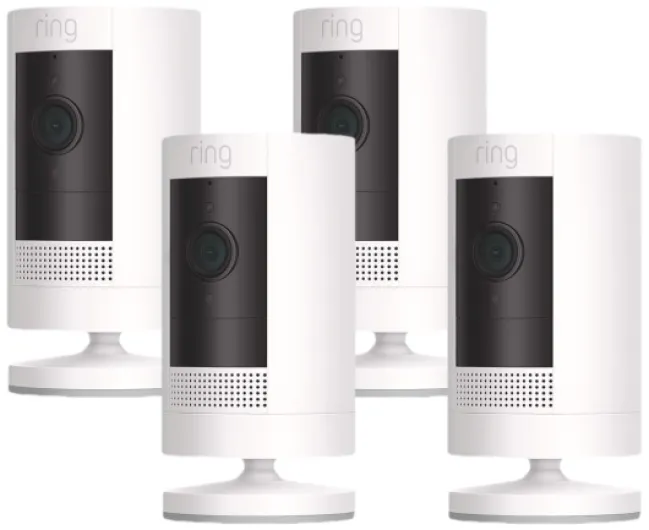
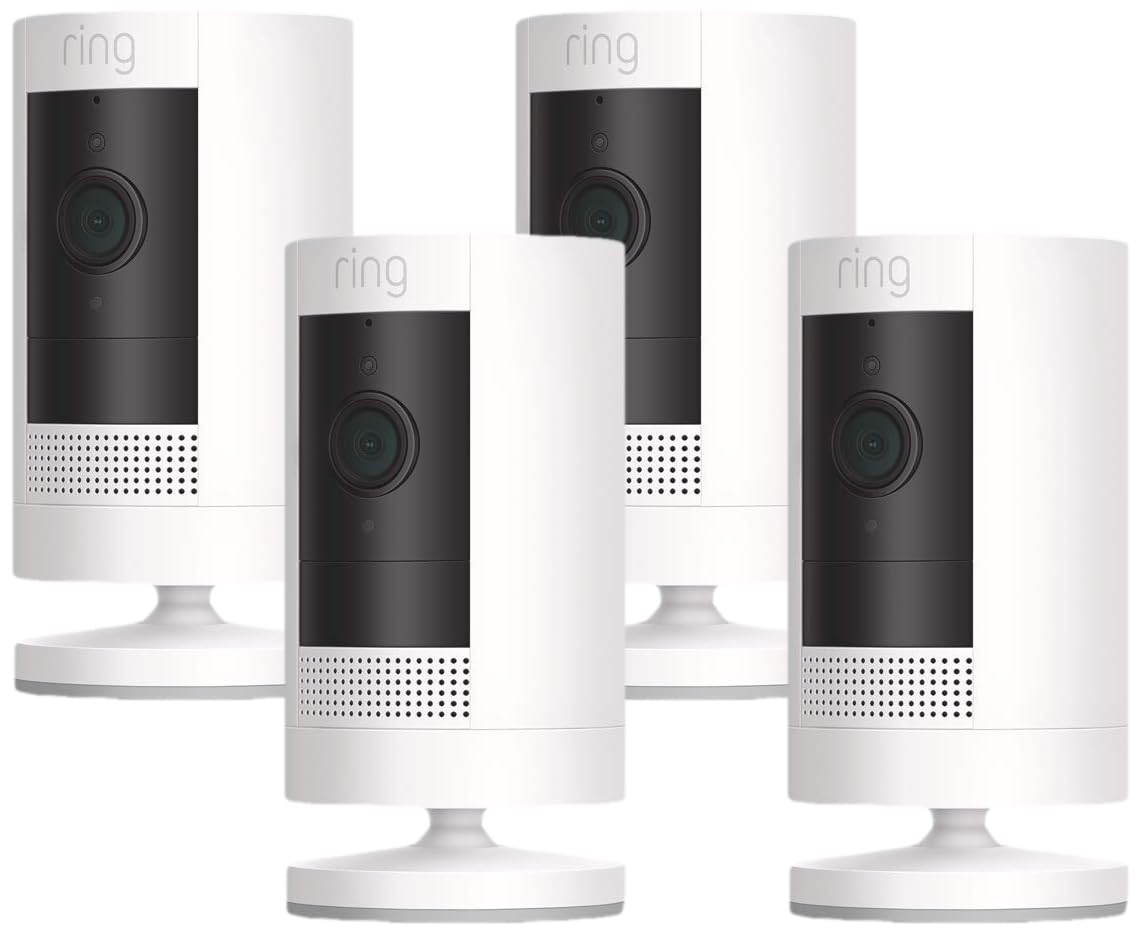
Ring’s lineup includes several of the best security cameras with color night vision for typical houses, especially if you want easy installation. The Ring Spotlight Cam Pro, for example, offers 1080p HDR video, a 140-degree horizontal field of view, and a built-in LED array rated at approximately 375 lumens according to Ring’s published specifications, while the battery version can last up to six months per charge in light use. The Ring Floodlight Cam Wired Pro pushes brightness further with dual floodlights that can reach roughly 2000 lumens per Ring’s product page, which helps the camera maintain color detail even when ambient light is extremely low.
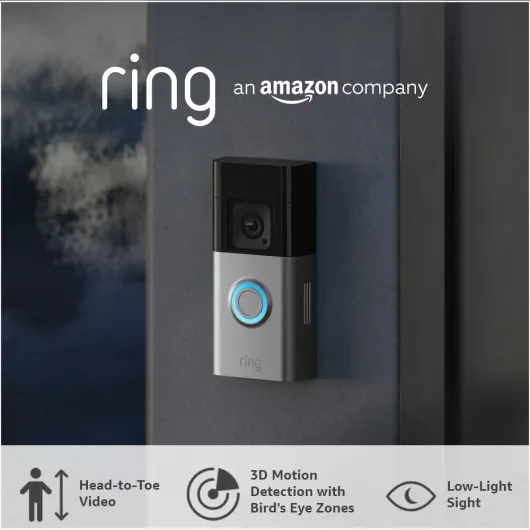
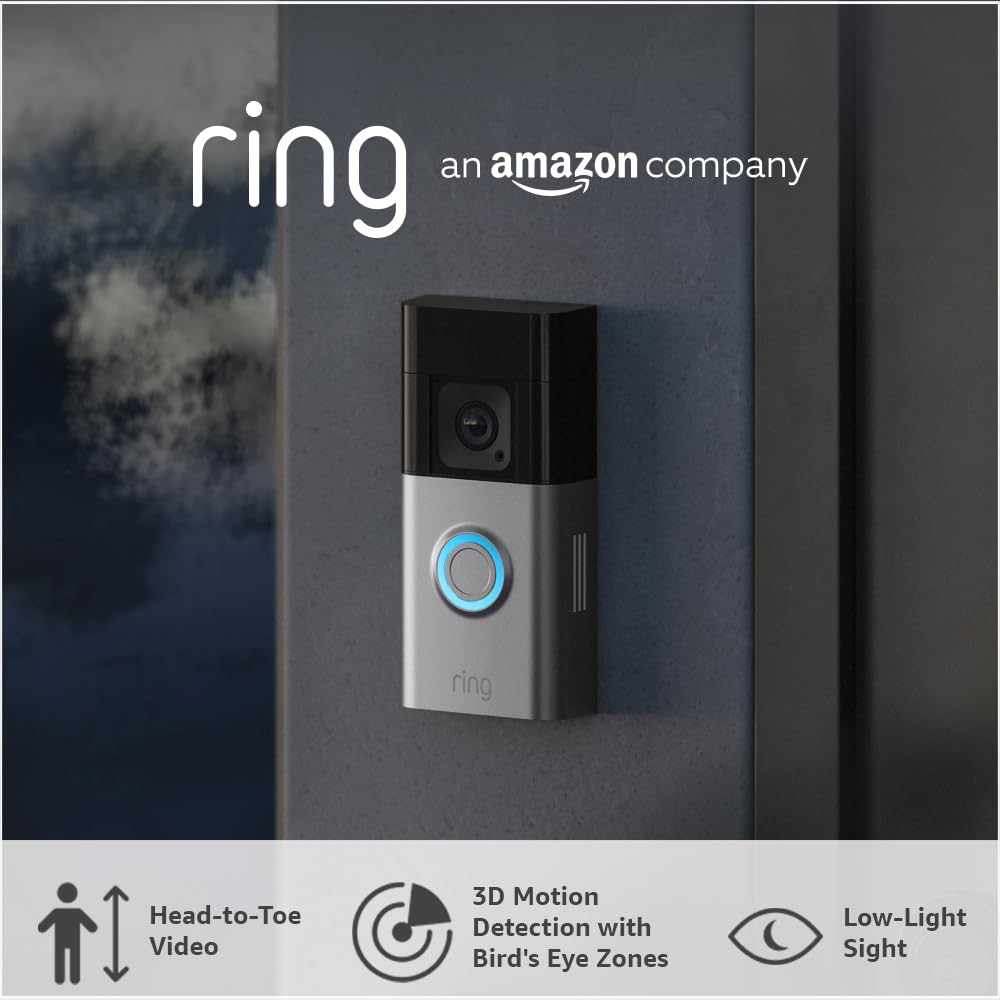
For front doors, a Ring video doorbell acts as both an outdoor camera and an intercom, capturing color night clips whenever someone approaches. The Ring Video Doorbell 4, for instance, records 1080p video, supports dual-band Wi‑Fi, and typically runs three to six months on a charge depending on motion activity, as Ring’s support documentation notes. If you expect to stay in your house for many years, pairing a robust doorbell with a long-term plan for cloud storage and professional monitoring can be more cost effective than constantly upgrading cheaper cameras; a long-horizon comparison is explored in this guide to the best video doorbell for a house you will keep.
Ring’s main pros and cons revolve around subscription needs and ecosystem choice. You get strong night vision and color night performance, flexible battery-powered options, and smooth integration with Alexa and other smart home gear, but you rely heavily on Ring’s cloud storage for historical video. If you want the best night performance from any Ring security camera with color night vision, mount it at the correct height, avoid pointing it directly at bright street lights, and test different motion zones until your alerts match real activity rather than every passing car.
Color night vision for renters and small apartments
Renters often assume that the best security cameras with color night vision are off limits because landlords dislike drilling into walls. That is no longer true, as many indoor and outdoor camera designs use removable mounts, adhesive brackets, or existing fixtures like peepholes and light fittings. Battery-powered security cameras are especially helpful in flats, because you can place a camera with full-color night vision on a shelf or window ledge without touching the wiring at all.
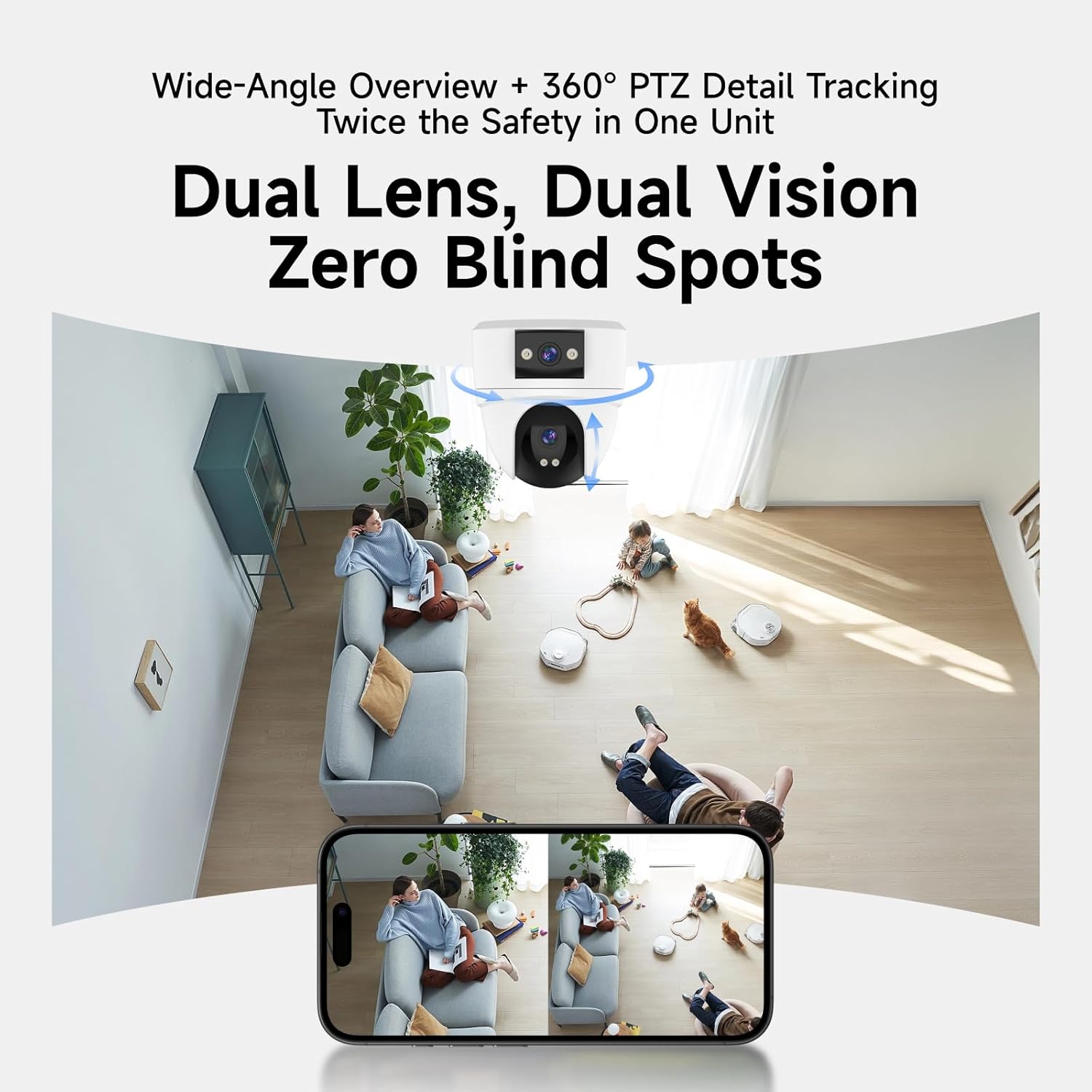
For indoor spaces, compact cameras from brands like Tapo, Nest, and SimpliSafe provide solid low-light performance without dominating your décor. A small indoor security camera with dual-band Wi‑Fi can stream video to your phone and store clips in the cloud or on a local microSD card, depending on the model and manufacturer support. When you choose among these devices, compare price, storage options, and whether the camera works with Alexa or Google Assistant, because voice control can make it easier to check your feeds quickly before bed or when you hear a noise at night.
Outdoor camera placement is trickier in rented buildings, but there are creative solutions that respect lease rules and still give you color night coverage. Some renters use clamp mounts on balcony railings or existing screws around door frames, while others rely on no-drill kits designed specifically for Ring and similar security cameras; a practical overview of these renter-friendly options is available in this guide to Ring cameras that do not require drilling or deposits. Whatever you choose, aim the lens to capture shared hallways or your own doorway without intruding on neighbors’ private spaces, and always check local privacy regulations before recording shared areas.
Key technical features that shape color night performance
Several technical details determine whether a security camera truly belongs among the best security cameras with color night vision. Sensor size and pixel quality matter more than raw resolution, because a larger sensor gathers more light and produces cleaner video in low-light conditions. For example, a 1/2.8‑inch sensor with a minimum illumination rating around 0.01 lux will usually outperform a smaller 1/3‑inch sensor rated at 0.1 lux when both are recording at night, a pattern confirmed in many manufacturer spec sheets and independent lab tests. Lens design also affects how much light reaches the sensor and how wide the field of view appears, which is crucial when you want one outdoor camera to cover both a driveway and a front path.
Infrared LEDs still play a role even in full-color night systems, because they support the camera when ambient light is extremely low. Some security cameras automatically switch between infrared night vision and color night modes based on how much light they detect, while others let you force one mode in the app to avoid drawing attention with a bright spotlight. Dual-band Wi‑Fi support can also improve reliability, since a camera with both 2.4 GHz and 5 GHz options can adapt to crowded networks and maintain a stable video stream.
Storage and monitoring choices round out the technical picture. Cloud storage subscriptions from brands like Ring, Nest, ADT, Tapo, and SimpliSafe vary in price, retention length, and whether they include professional monitoring or only self-service alerts. When you evaluate pros and cons across different security cameras, consider not just the headline features like smart alerts and Alexa compatibility, but also the long-term cost of keeping your color night footage accessible for weeks or months after an incident.
How to choose the best security cameras with color night vision
Choosing the best security cameras with color night vision starts with mapping your property and identifying real risks. A small flat might only need one indoor camera and one door-focused outdoor camera, while a detached house could require several devices to cover side paths, gardens, and garages. Walk around your home at night, note where light already exists, and decide where a camera with full-color night vision would add the most value.
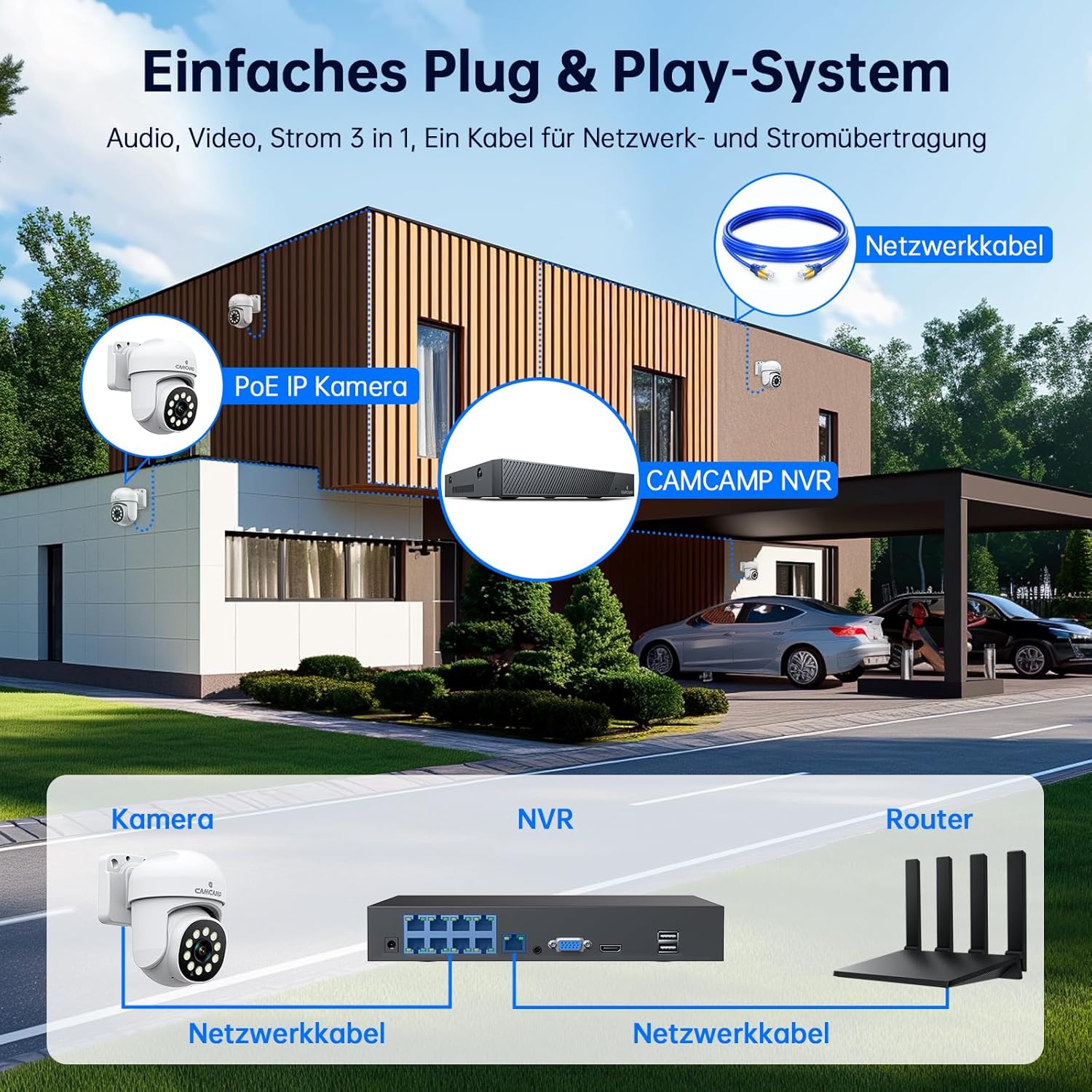
Next, match specific models to each location based on power, connectivity, and ecosystem. Battery-powered cameras suit gates and sheds without outlets, whereas wired or PoE models are better for permanent positions under eaves where you want uninterrupted video. If you already use Google Nest speakers, a Nest Cam or other Google Nest security product may feel more natural, while households built around Echo devices will benefit from cameras that work tightly with Alexa and related smart routines.
Finally, compare brands on total cost of ownership rather than headline price alone. A cheaper camera might require expensive storage plans or lack professional monitoring options, while a slightly higher price from ADT, Nest, or SimpliSafe could include better support and longer video retention. By weighing pros and cons across image quality, low-light performance, ecosystem fit, and subscription structure, you can assemble a balanced set of cameras that protect your home with clear, color-rich footage every night.
Key statistics about security cameras and night vision
- According to data from Parks Associates, more than 30 percent of US broadband households now own at least one networked security camera, showing how quickly connected camera systems have moved from niche gadgets to mainstream tools for home protection (Parks Associates, “Security Buyers and the Smart Home,” 2022; figures are drawn from the firm’s published summary of survey results).
- Consumer surveys reported by the Security Industry Association indicate that roughly half of new residential security camera purchases prioritize night vision performance, reflecting a growing awareness that most break-ins and suspicious activity occur in low-light conditions (Security Industry Association, “Security Megatrends,” 2021, based on aggregated buyer responses).
- Analysis of police case files in several large cities has shown that color video footage can increase the likelihood of identifying suspects by providing clearer details about clothing and vehicles, compared with traditional black-and-white infrared recordings (summarized in SIA briefings on video surveillance effectiveness and cited in multiple law-enforcement technology reports).
- Market research from firms such as Statista suggests that smart home security spending, including smart cameras with cloud storage and professional monitoring, has grown at double-digit annual rates, driven partly by improvements in low-light and color night imaging technology (Statista, “Smart Home Security Segment,” 2023, using revenue projections for North America and Europe).