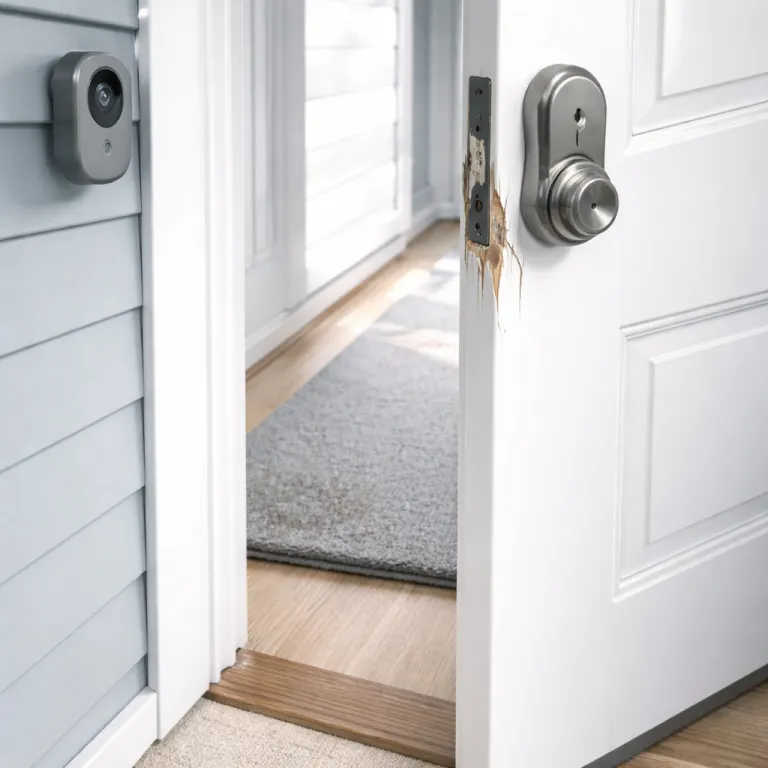

Walk your property like a burglar, then place cameras like a pro
Stand on the street and look at your home the way burglars do. Walk slowly along the pavement and note every place where someone could approach your property without being seen from the road or neighbouring windows. This simple exercise shapes smarter home security camera placement than any glossy marketing diagram.
Now step onto your driveway and trace the most direct paths to your front door, side gate, and garage entry points. At each spot, ask whether a security camera at eye level would capture a clear face, or whether fences, cars, and plants would create blind spots that swallow crucial footage. When you position cameras, you are not decorating walls, you are building a system that either records a clean image of a stranger or lets them slip through unseen.
Most first time homeowners instinctively install a single Ring Video Doorbell at the front door and feel done. That doorbell camera is useful, but on its own it leaves the back door, patio doors, and side yard completely exposed, which are precisely the areas burglars prefer because they are away from the street. A better camera placement plan starts by mapping those quieter outdoor areas first, then deciding where to place cameras at the front as a visible deterrent.
As you walk, mark on a simple sketch where you would install security coverage if you were designing a small commercial property rather than a cosy home. Think in terms of overlapping fields of view from outdoor cameras and indoor cameras, so that if someone passes one security camera they must appear on another within a few metres. This mindset turns a scattered collection of wireless cameras into a coherent home security system that works under stress, not just in app screenshots.
Front door, back door, and windows: the three critical zones
Burglars are boringly predictable, and your camera placement should exploit that. Around a third of break ins start at the front door, another large share at the back door, and almost a quarter through ground floor windows that are hidden from the street, so those three areas deserve your best security cameras. If you only have budget for two devices, cover the back door and a hidden side or patio door first, then add the front door once those quieter entry points are watched.
At the front door, a Ring Video Doorbell or a Ring Stick Up Cam Battery mounted around 1,5 metres high usually beats a camera ten metres up under the eaves. Eye level placement gives you faces instead of just hoodies and caps, and it makes the device obvious enough that many burglars will simply move on when they see a security camera staring back. When you place cameras too high, motion detection often triggers late, and you end up with footage of someone’s shoulders as they turn away.
The back door and any sliding glass doors deserve at least one dedicated outdoor camera with reliable night vision and motion activated alerts. Position cameras on the wall beside the frame rather than directly above, angled slightly across the door so the lens sees both the handle and the approach path without being blinded by indoor light spilling through the glass. This sideways placement also reduces reflections at night and gives your home security system a better chance of capturing usable footage when someone tests the lock.
Ground floor windows that are not visible from the street are classic weak areas, especially on the side of the property or behind tall hedges. Here, outdoor security coverage can come from a Ring Spotlight Cam or Floodlight Cam mounted between windows, with the beam and camera aimed along the wall to catch anyone moving from one window to the next. If you prefer a diy approach, you can also position cameras indoors on window sills facing out, but be sure to test for glare and motion detection issues before trusting that setup.
Eye level beats the roofline: height, angles, and motion
Mounting a camera high under the roofline feels safer, but it usually weakens your security. At ten metres up, even the best Ring outdoor cameras struggle to capture faces, and motion detection zones become so wide that passing cars or tree branches constantly trigger alerts. A smarter home security camera placement strategy keeps most devices between 1,2 and 2,2 metres high, where they see faces, hands, and number plates instead of just heads and hats.
Think of each security camera as a cone of vision that widens with distance, and then position cameras so those cones overlap at likely entry points. For a front door, that means placing the camera slightly off to the side, angled across the threshold, so motion activated recording starts while someone is still walking up the path rather than when they are already turning away. For a side gate, mount the camera on the house wall facing down the path, which lets the system capture anyone moving towards both the gate and the back door.
Indoors, an indoor camera works best when it watches choke points rather than entire rooms. Place cameras so they cover the hallway that connects bedrooms, the top of the stairs, or the route from the back door to the main living areas, because burglars almost always pass through those spaces. This approach lets a small number of indoor cameras protect a surprisingly large home without leaving obvious blind spots.
When you install security devices yourself, take time to walk through the motion detection zones while watching live footage on your phone. Adjust the angle a few degrees at a time until the camera placement captures your face clearly at three to five metres, both in daylight and with night vision active. That careful diy tuning often outperforms rushed professional installation, because you know your property’s quirks better than any contractor.
Lighting, floodlights, and avoiding blind spots at night
Light decides whether your footage is evidence or just a blur. A Ring Floodlight Cam or Spotlight Cam can transform a dark side path into a controlled corridor where motion activated light and motion detection work together to expose intruders. The trick is to treat floodlight placement and camera placement as related but separate decisions, not as a single all in one choice.
Start by asking where you need light for your own safety when you come home at night, then layer camera placement on top of that. You might mount a floodlight high to wash the driveway, but then position cameras slightly lower and off to the side so the lens is not staring straight into the beam, which would wash out faces. In many homes, the best practices involve one floodlight above the garage and a separate outdoor camera on the corner of the property, angled back towards the cars and the front door.
Walk your garden and side paths after dark and note every place where you feel uneasy. Those are usually the blind spots where burglars would linger, and they are prime candidates for outdoor security coverage with night vision enabled. Position cameras so that anyone moving through those areas must cross at least one motion detection zone that triggers both recording and light.
Indoors, avoid pointing an indoor camera directly at bright windows or glass doors, because strong backlight can turn people into silhouettes. Instead, place cameras diagonally across the room, so they see both the entry points and the interior space where someone would move once inside. This layout keeps your home security system effective day and night, without constant false alerts from shifting sunlight or passing headlights.
Privacy, neighbours, and building a balanced Ring setup
Good home security respects your neighbours as much as it protects your family. When you place cameras, especially outdoor cameras on upper floors, avoid aiming directly into neighbouring gardens or windows, and use Ring’s privacy zones to block out any unavoidable overlap. A respectful camera placement plan keeps your property covered without turning your system into a source of complaints.
In the Ring app, draw privacy zones over pavements, shared driveways, or neighbouring windows so that motion detection and recording ignore those areas. This not only reduces unnecessary footage and notifications, it also shows that your home security system is focused on your own entry points and vulnerable areas. If you ever need to explain your setup to a neighbour or a housing association, being able to show those zones on screen is far more convincing than vague assurances.
For many first time homeowners, a balanced setup starts with one Ring Video Doorbell at the front door, one Ring Floodlight Cam or Spotlight Cam watching the back door, and one indoor camera covering the main hallway. From there, you can add wireless cameras to cover side gates, garages, or detached sheds, always checking that each new device closes a real gap rather than just duplicating existing footage. When you place cameras with this disciplined mindset, you avoid both overspending and leaving quiet corners of the property unprotected.
If you are unsure whether diy installation is enough, consider a hybrid approach where you handle simple mounts and call professional installation only for tricky cable runs or high exterior walls. Either way, test every security camera by walking the routes a burglar would take, both in daylight and with night vision active, and adjust until the system sees what you would want a police officer to see later. In the end, what matters is not the megapixel count, but the view from your porch at 2 a.m.
FAQs about home security camera placement for Ring users
Where should I place my first two Ring cameras in a new home?
For most houses, the best starting points are the back door and the most hidden side or patio door, because those are the entry points burglars prefer. A Ring Floodlight Cam or Spotlight Cam at the rear and a Ring Video Doorbell or Stick Up Cam at the front door give you both deterrence and evidence. Once those are in place, add indoor cameras to cover hallways and stairs rather than individual rooms.
How high should I mount Ring outdoor cameras for clear footage?
Aim for between 1,5 and 2,2 metres high for most outdoor security cameras, which is roughly eye level to just above head height. At this height, motion detection is more accurate and faces are easier to identify than when cameras are mounted under the roofline. Always test the live view while someone walks towards the camera to confirm that the angle captures faces and hands clearly.
Can I rely only on a Ring Video Doorbell for home security?
A single doorbell camera at the front door is better than nothing, but it leaves back doors, side gates, and hidden windows unprotected. Because many break ins happen away from the street, you should add at least one outdoor camera at the rear of the property. Treat the doorbell as part of a wider system, not as your only line of defence.
Is diy installation enough, or do I need professional installation?
Most battery powered Ring cameras and wireless cameras are designed for diy installation, and many homeowners achieve excellent results by carefully testing angles and motion zones themselves. Professional installation can help with hardwired devices, high mounting points, or complex properties where cable routing is difficult. If you choose diy, take extra time to walk test routes, adjust camera placement, and verify night vision performance before you rely on the system.
How can I avoid filming my neighbours while still covering my property?
Start by physically aiming cameras towards your own doors, windows, and paths, and avoid pointing lenses directly at neighbouring gardens or windows. Then use Ring’s privacy zones to block out any unavoidable overlap, so motion detection and recording ignore those external areas. This approach keeps your home security strong while respecting privacy and reducing the risk of disputes.
Key statistics about home security camera coverage
- Around a third of burglaries start at the front door, so a clearly visible camera at that entry point is critical for deterrence and identification.
- Back doors account for a significant share of break ins, which means at least one outdoor camera should be dedicated to watching that area.
- Nearly a quarter of intrusions occur through ground floor windows that are hidden from the street, making side and rear windows priority zones for camera coverage.
- A large majority of burglars check for cameras before targeting a property, and visible devices at eye level are more effective deterrents than those mounted high.
- Covering the front door, back door, and vulnerable windows with well placed cameras can prevent a substantial proportion of attempted break ins.
Further reading and trusted sources
- Safe and Sound Security – analysis of home invasion statistics and common entry points.
- Security.org – research on how visible security cameras influence burglar behaviour.
- Jazz Cyber Shield – overview of how camera coverage reduces successful break in attempts.