Wired vs wireless cameras for dual band home security
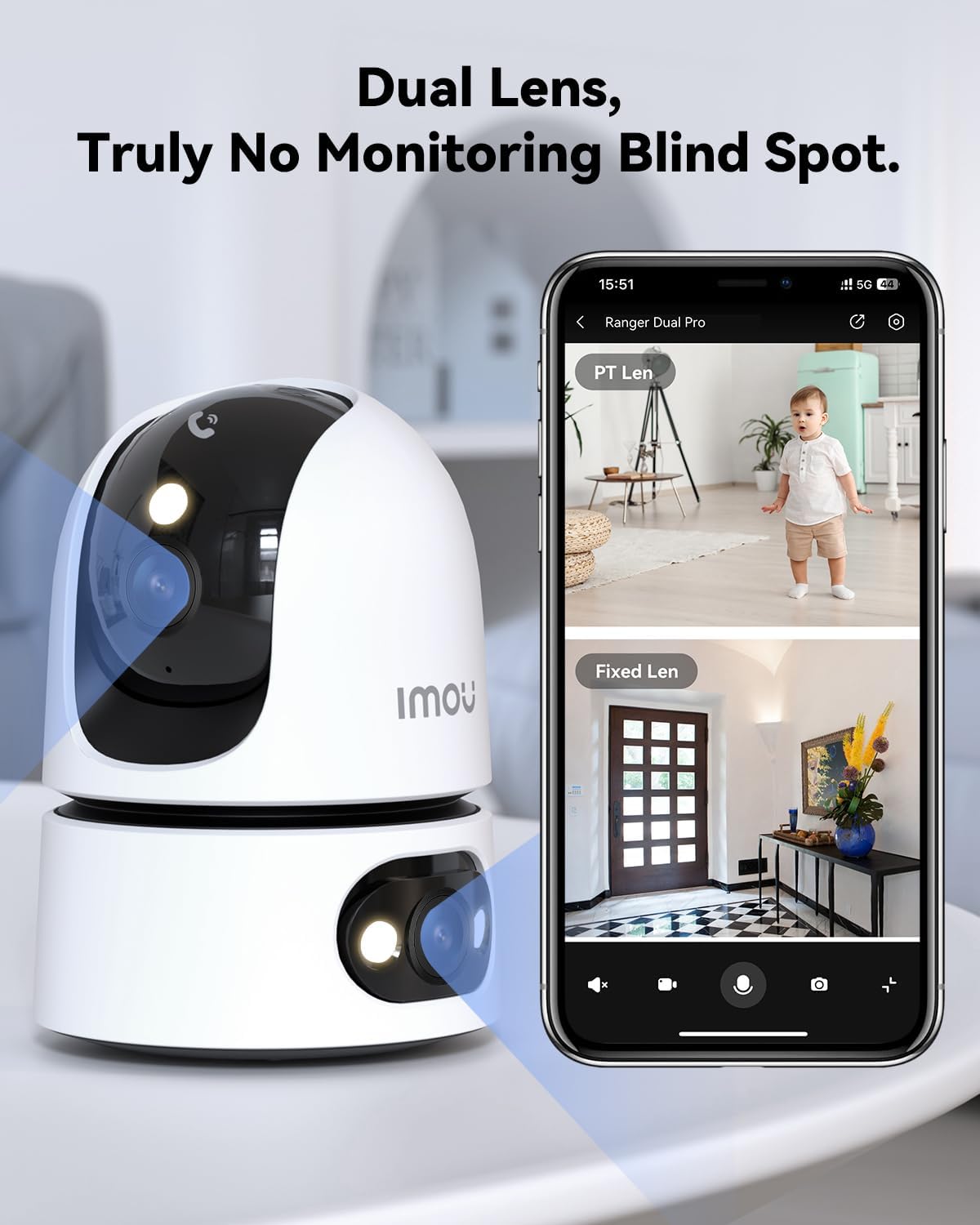
Choosing between wired and wireless cameras is the first big decision when you compare the best dual band wi fi security cameras. Wired security cameras draw power through a cable and often use Ethernet, while wireless cameras rely on Wi Fi and sometimes a battery powered design. Dual band support benefits both types, but the trade offs around installation, reliability, and long term price differ sharply.
Wired security camera systems, such as a PoE kit with a network video recorder, offer rock solid video and predictable storage because they do not depend on wireless signals. They suit larger properties or small businesses that need many security cameras and central cloud storage backups or local drives, as explained in professional buying guides on how to choose the best commercial security cameras for modern businesses. The downside is higher installation cost, more visible cables for each camera, and less flexibility if you later want to move an outdoor camera or add extra wireless cameras near a gate or shed.
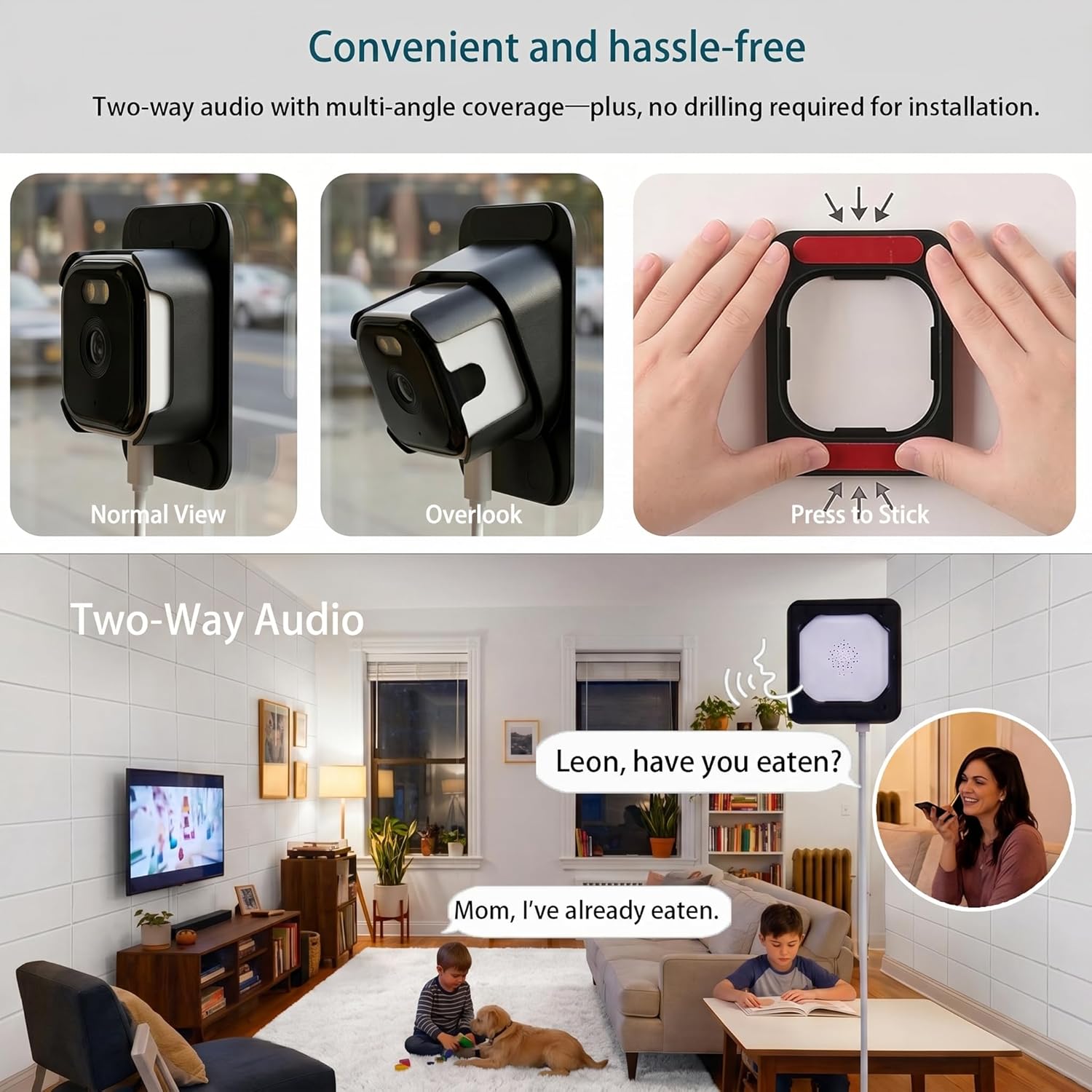
Wireless dual band models shine when you want flexible placement and minimal drilling. A wireless security camera can connect to either Wi Fi band, and a battery powered version avoids running mains power to awkward outdoor locations. For many households, a mixed approach works best, using wired outdoor security cameras for key entrances and wireless cameras indoors where installation must stay discreet and the regular price or sale price of each device can be balanced against convenience.
For example, a typical setup might use a wired PoE turret camera above the front door for 24/7 recording, a dual band wireless Ring outdoor camera watching the driveway, and a compact Tapo indoor camera covering the hallway. In this scenario, wired units handle constant high bit rate footage, while dual band wireless cameras take advantage of 5 GHz for smooth live view and fall back to 2.4 GHz where cabling would be impractical.
Ring, Google Nest, Tapo and other dual band ecosystems
Brand ecosystems shape how the best dual band wi fi security cameras fit into your daily routine. Ring, Google Nest, and Tapo each offer a family of security cameras, doorbells, and smart accessories that share apps, cloud storage options, and automation features. When you choose a dual band camera from one of these brands, you are also choosing how your security camera will talk to your phone, your router, and your voice assistant.
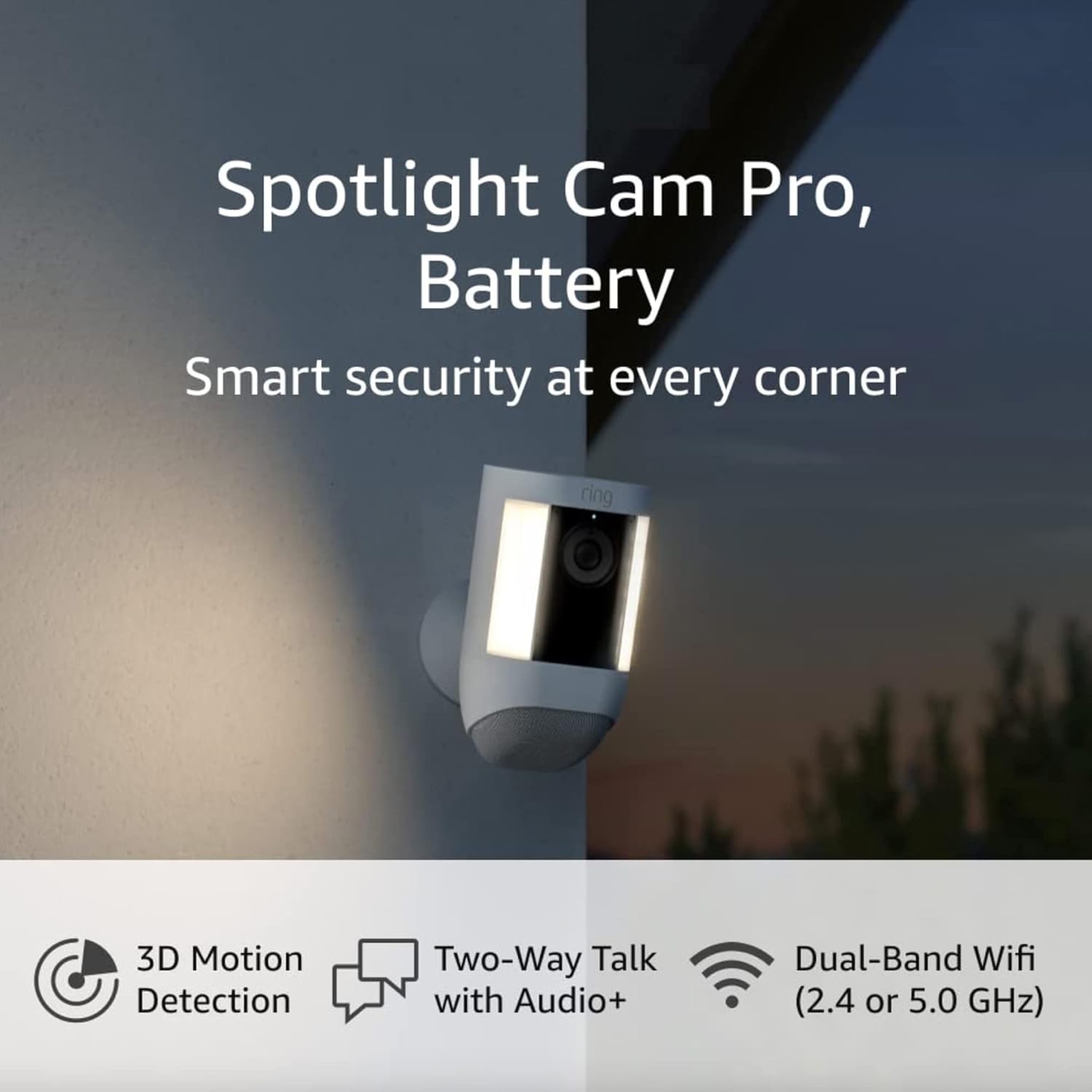
Ring focuses on easy setup and tight integration with Amazon Alexa, so a Ring outdoor camera or indoor camera can show live view on an Echo Show with a simple voice command. Google Nest emphasizes deep integration with Google Nest speakers and displays, letting a Nest Cam send motion detection alerts into the Google Home app and trigger routines with other smart devices. Tapo, from TP Link, often competes on price while still offering dual band wireless cameras, decent night vision, and flexible video storage that can mix microSD cards with optional cloud storage plans.
Before you compare regular price and sale price on view Amazon listings, check product specs carefully for each camera. Confirm whether the security cameras support both Wi Fi bands, what kind of cloud storage or local storage is available, and how long the battery life is for any battery powered outdoor cameras in the range. For more complex installations that mix PoE wired units with Wi Fi models, a dedicated NVR kit such as an 8 channel PoE CCTV security camera system with motion detection and 100 ft night vision can complement your dual band wireless cameras and provide robust outdoor security coverage.
To make choices more concrete, consider a short comparison: Ring Stick Up Cam Battery offers strong Alexa integration and simple app controls but relies heavily on a subscription for full video history; Google Nest Cam (Battery) delivers polished smart alerts and tight Google Home support, though its cloud plans can be pricier over time; TP Link Tapo C320WS provides competitive image quality and microSD recording at a lower regular price, but its ecosystem is less deeply woven into voice assistants. All three support dual band Wi Fi in current revisions, so the best option depends on which ecosystem already runs your smart home.
Battery powered vs wired power for outdoor security cameras
Power strategy is just as important as dual band connectivity when you evaluate the best dual band wi fi security cameras. Battery powered models give you freedom to place a camera exactly where you need a wide view, even on a fence post or detached garage. Wired power, by contrast, locks the security camera to a mains outlet or junction box but removes the worry of recharging.
Battery powered wireless cameras are ideal for renters or anyone who cannot run new cables through walls. A modern battery powered outdoor camera can often run for several months between charges, depending on motion detection sensitivity, night vision usage, and how often you open live view. Dual band Wi Fi helps these cameras conserve battery life by maintaining a stronger signal, which reduces the number of reconnections and failed video uploads to cloud storage or other video storage services.
Wired outdoor security cameras suit high traffic areas where the camera records many clips each day. Constant power supports higher bit rate video, continuous recording, and more advanced features such as 24/7 colour night vision or AI based detection zones. When you compare price sale offers, remember that a wired camera may cost more to install but can be cheaper to run over its full service life because you never replace batteries and you can pair it with expandable local storage, as shown in detailed tests of solar assisted wireless outdoor kits that promise forever power and no monthly fee.
In controlled usage scenarios, reviewers commonly see battery powered dual band cameras last around 2 to 3 months on a single charge with 1080p recording, default motion sensitivity, and 10 to 20 short clips per day, while wired PoE cameras in the same locations record continuously without downtime. These measured runtimes highlight why it is worth matching power type to how busy each area of your property really is.
Cloud storage, local storage and privacy for dual band cameras
How your security cameras handle video storage is a core part of any buying decision. The best dual band wi fi security cameras usually offer a mix of cloud storage subscriptions and local storage options such as microSD cards or network video recorders. Each approach affects privacy, running costs, and how quickly you can review footage from a Ring camera, a Nest Cam, or a Tapo outdoor camera.
Cloud storage keeps clips off site, which protects evidence if a thief steals the camera or damages your router. Services from Ring, Google Nest, and other brands typically charge a monthly fee per security camera or per household, with different tiers for retention period and advanced detection features such as person alerts or smart zones. Dual band connectivity helps here because a more stable wireless link means fewer failed uploads and more reliable archives of night vision clips and daytime events.
Local storage appeals to people who want tighter control over their data and lower long term cost. A microSD card inside a wireless camera or an NVR connected to several outdoor cameras can store weeks of video without ongoing cloud fees, though you must protect the recorder from tampering. When you compare regular price against the total cost of ownership, factor in subscription fees, the price of larger cards or hard drives, and whether the product specs mention encrypted storage or two factor authentication for remote access.
Independent lab evaluations often show that hybrid setups, where motion events are backed up to the cloud while continuous streams stay on local drives, strike a good balance between privacy and resilience. In practice, this means a dual band camera can upload short, bandwidth efficient clips over 5 GHz while archiving full resolution footage to an NVR on your local home network.
Smart features, integrations and what to check before you buy
Dual band support is only one part of what makes the best dual band wi fi security cameras stand out. Smart features such as advanced motion detection, package alerts, and configurable activity zones can dramatically cut false alarms. A well tuned security camera should notify you when a person approaches your door at night, not every time a car passes in the distance.
Integration with voice assistants and other smart devices is another key factor. Many modern security cameras work with Alexa Google ecosystems, allowing you to arm or disarm modes by voice and stream live view to a smart display. When a camera supports both Amazon Alexa and Google Nest platforms, you gain flexibility if you later change your preferred assistant or mix devices from different brands.
Before you tap the buy button on view Amazon pages, read the product specs line by line. Confirm that the camera offers dual band Wi Fi, strong night vision, weather resistance for outdoor security, and clear information about battery life or power requirements. Pay attention to price, any current price sale promotions, and user reviews that mention real world performance of wireless cameras in crowded apartment buildings or large homes with thick walls, because these details reveal how the camera will behave on your own home network.
As a practical checklist, look for at least 1080p resolution, infrared or colour night vision rated to the distances you need, support for your chosen ecosystem, and clear documentation of firmware update policies. These concrete points, combined with verified user feedback, matter more in daily use than any single headline specification.
Key figures about dual band Wi Fi security cameras
- According to data from Parks Associates, more than 30 % of US broadband households now own at least one security camera, and adoption is higher among homes that already use dual band Wi Fi routers. Parks Associates publishes recurring smart home research that tracks device penetration and highlights how router upgrades often precede camera purchases; figures cited here are drawn from their publicly summarized home security device reports.
- Consumer testing by organizations such as Consumer Reports shows that dual band wireless cameras can reduce average live view latency by around 20 to 30 % compared with similar single band models on congested networks. These findings are based on timed app connections and repeated motion triggered events across standardized home network setups that simulate multiple streaming and gaming devices.
- Market research from Strategy Analytics indicates that cloud storage subscriptions for security cameras generate billions of dollars in annual revenue, which makes it essential to compare long term subscription costs alongside the upfront camera price. Their smart home service reports break out recurring revenue from video services as a fast growing segment within the wider connected home market.
- Independent lab tests have found that enabling advanced motion detection and frequent remote live view can cut battery life of battery powered outdoor cameras by more than half, highlighting the importance of efficient dual band connections and careful settings. In stress tests, cameras that might last three months under light use can drop to four to six weeks when recording dozens of clips per day and streaming frequent live views over Wi Fi.