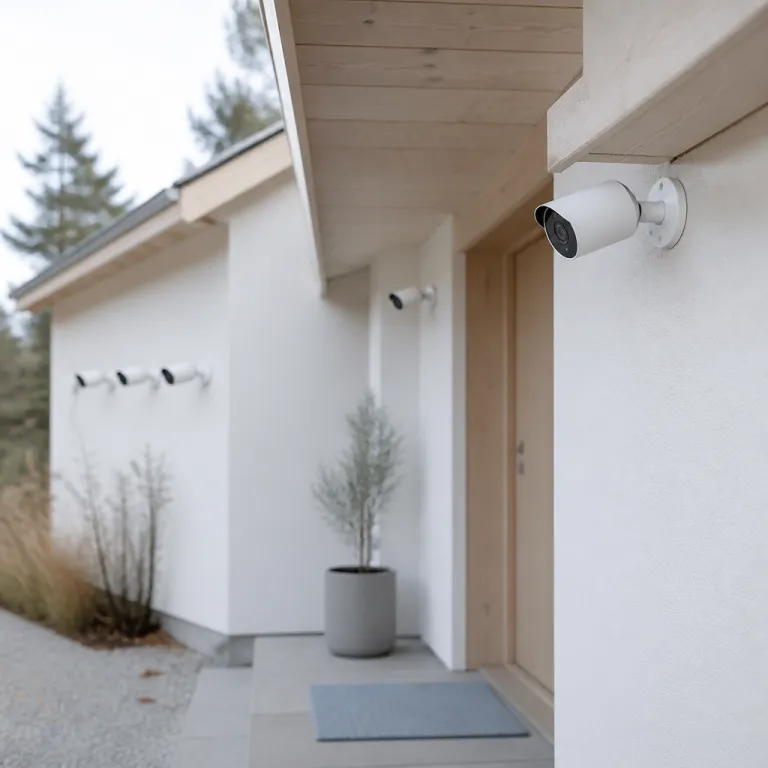
How many Ring cameras you really need in a rental
Most renters asking how many ring cameras need are really asking where a camera will actually change what happens at their door. In small apartments and compact suburban rentals, one Ring Video Doorbell plus a single outdoor Ring camera usually captures around 80 percent of meaningful security events, because most motion, noise, and attempted entries cluster at the main entrance. Past that second security camera, extra security cameras tend to repeat the same view from a slightly different angle while multiplying alerts in the ring app.
Think about your daily routine before buying more ring devices, because the best security comes from cameras you actually check, not from an unlimited number of idle feeds. A simple plan ring that combines a doorbell camera at eye level and a battery powered Ring Stick Up Cam on a balcony or shared hallway usually beats a four camera ring multi layout with overlapping views and constant motion event pings. For a budget conscious renter, every extra security camera should justify its cost in subscription fees, cloud storage, and attention, not just its technical features on the box.
Ring security works best when each camera, alarm, and sensor has a clear job, so start by mapping the likely paths someone would take to reach your front door or windows. If a single ring camera can see that entire path with a clean live view and reliable motion detection, adding more cameras ring units rarely improves safety in real life. The honest metric is simple, because if you cannot remember a useful action triggered by a specific camera in the last thirty days, that camera is probably one too many.
The 80/20 rule: doorbell plus one outdoor camera
For most renters, the 80/20 rule of how many ring cameras need is brutally clear, because a Ring Video Doorbell at the main entrance and one outdoor security camera watching the approach corridor handle almost every relevant motion event. That pair gives you live view coverage of deliveries, visitors, and suspicious loitering, while also capturing usable video recording clips for any incident that matters to your landlord or the police. Before you even think about a third camera, use a placement guide such as this detailed advice on where to point your Ring camera room by room to refine the angles of the first two.
A battery powered Ring Stick Up Cam or Ring Stick Up Cam Pro mounted 2 to 2.5 metres high usually covers a shared stairwell or parking spot without drilling into walls, which keeps your rental deposit safe. That single stick style camera, paired with a doorbell camera, often outperforms a cluster of three indoor cameras ring units that only duplicate the same hallway view from different corners. When you configure motion zones carefully in the ring app and trim the field of view away from busy streets, you reduce false alarms and make every notification count.
Cloud storage through a basic ring subscription or Ring Protect plan ring is usually enough for two ring cameras, because you rarely need more than a few days of video history in a small flat. With only two security cameras, you can scroll through recordings quickly, spot patterns, and adjust your security plan without drowning in clips. That balance of limited devices, focused coverage, and manageable storage is where ring security quietly earns its keep for renters.
When a third camera earns its place
The third device in any ring security layout should solve a specific blind spot, not just satisfy a vague feeling that more cameras equal more safety. In rental houses or ground floor apartments, that usually means a Ring camera watching a back entry, side gate, or detached garage where the front doorbell and main outdoor camera have no line of sight. To decide how many ring cameras need beyond two, walk the perimeter and trace the exact routes someone could use to reach a window without crossing your existing fields of view.
Burglary data and practical testing show that secondary entries matter, so use research like this breakdown of where burglars really enter to prioritise your third camera. A compact Ring Stick Up Cam Battery or a plug in Ring camera inside a garage can capture motion events around stored bikes or tools, while still respecting rental rules about drilling and wiring. In these spots, a single well placed security camera often replaces the need for two overlapping security cameras that both record the same alley from slightly shifted angles.
Remember that every extra camera adds more video recording clips to your cloud storage, which can push you toward a higher tier ring subscription or Ring Protect plan ring if you are not careful. A third camera only makes sense when its unique view leads to different actions, such as locking a back gate, moving a car, or calling a neighbour after a late night motion event. If the new camera’s live view looks almost identical to an existing feed, you are paying for redundant pixels instead of real security.
Why the fourth camera often adds noise, not safety
Once you pass three devices, the question of how many ring cameras need becomes less about coverage and more about cognitive overload, because alerts per camera scale faster than your ability to respond. A fourth security camera usually ends up mirroring the second, watching the same courtyard or hallway from a slightly different angle that rarely changes what you do next. In testing with multiple ring devices, the fourth feed often produced the highest number of ignored notifications in the ring app.
Each extra Ring camera generates more motion event clips, more live view temptations, and more cloud storage usage, which nudges you toward a more expensive ring subscription tier. Even if Ring Protect technically supports an unlimited number of cameras on one account, your attention is not unlimited, and your patience for false alarms is even smaller. When a single car passing outside can trigger four separate recordings, you quickly start muting alerts, which quietly undermines the whole idea of ring security.
There is also the cost spiral, because four cameras ring setups mean four batteries to charge, four mounts to adjust, and four devices to reset when Wi Fi glitches. Extended warranty options and professional monitoring through Ring Alarm can add value, but they do not fix the basic problem of too many overlapping views. The real test is simple, because if you scroll through a week of video and cannot find a unique, useful clip from that fourth camera, it is probably just an expensive duplicate.
Renter specific tactics: move cameras, do not multiply them
For renters, the smartest answer to how many ring cameras need is often two movable units rather than three or four fixed ones, because repositioning a single Ring Stick Up Cam can outperform buying another. Battery powered stick style cameras let you shift coverage between a balcony, a car park, and a storage cage without drilling, which keeps landlords happy and your security flexible. In practice, a small rotation plan ring where you move one camera every few days can reveal more about real world risks than a static four camera grid.
Use the ring app to review which camera views actually led to action in the last thirty days, such as calling a neighbour, speaking through live view, or checking on a delivery. If a particular Ring camera has not prompted a single useful response in weeks, consider relocating it before you even think about adding more ring cameras. A lean setup of two or three ring devices, tuned with tight motion zones and realistic notification schedules, usually beats a cluttered ring multi array that trains you to ignore alarms.
Subscription choices matter here, because a basic Ring Protect plan with cloud storage for a couple of security cameras keeps costs predictable, while larger fleets push you toward higher tiers and more complex management. Professional monitoring through Ring Alarm can complement cameras, but it does not require a wall of screens to be effective in a small flat. In the end, what offers real safety is not the number of lenses on your walls, but the one clear view that makes you act at two in the morning.
FAQ
How many Ring cameras do most renters actually need
Most renters get solid security with one Ring Video Doorbell and one outdoor Ring Stick Up Cam, because that pair covers the main entrance and the approach route. A third camera only makes sense when you have a genuinely separate entry, such as a back gate or garage that the first two cannot see. Beyond three devices, extra cameras usually add notifications and cloud storage costs without improving real safety.
Is it better to buy more cameras or upgrade my Ring subscription
Upgrading to a Ring Protect plan that fits your existing cameras is usually smarter than adding more devices just because the subscription allows it. A well placed security camera with reliable cloud storage and clear video recordings is more valuable than two poorly positioned units with overlapping views. Focus on optimising placement and motion settings before spending on extra hardware or a higher tier ring subscription.
Do I need Ring Alarm and professional monitoring with my cameras
Ring Alarm with professional monitoring adds value if you want emergency services dispatched automatically when sensors trigger, but it is not mandatory for every renter. Cameras alone can handle basic security needs such as checking visitors, monitoring deliveries, and reviewing motion events around your door. If you live in a small flat and are usually home, a couple of cameras plus a sensible notification plan may be enough.
How can I tell if I have too many Ring cameras
Look at your ring app history and count how many camera alerts led to a real action in the last thirty days, such as speaking through live view or calling someone. If one or more cameras have not produced a single useful clip in that period, you probably have more devices than you need. In that case, try moving an underused camera to a new location before buying anything else.
Will four cameras always give better coverage than two
Four cameras can cover more angles, but in small rentals they often end up watching the same spaces from slightly different positions, which adds noise rather than insight. Two well placed security cameras, one at the main entrance and one on the primary approach route, usually capture the incidents that matter most. Extra devices only help when they monitor genuinely separate areas that your existing cameras cannot see at all.