Ring cameras as easy install anchors of a home security system
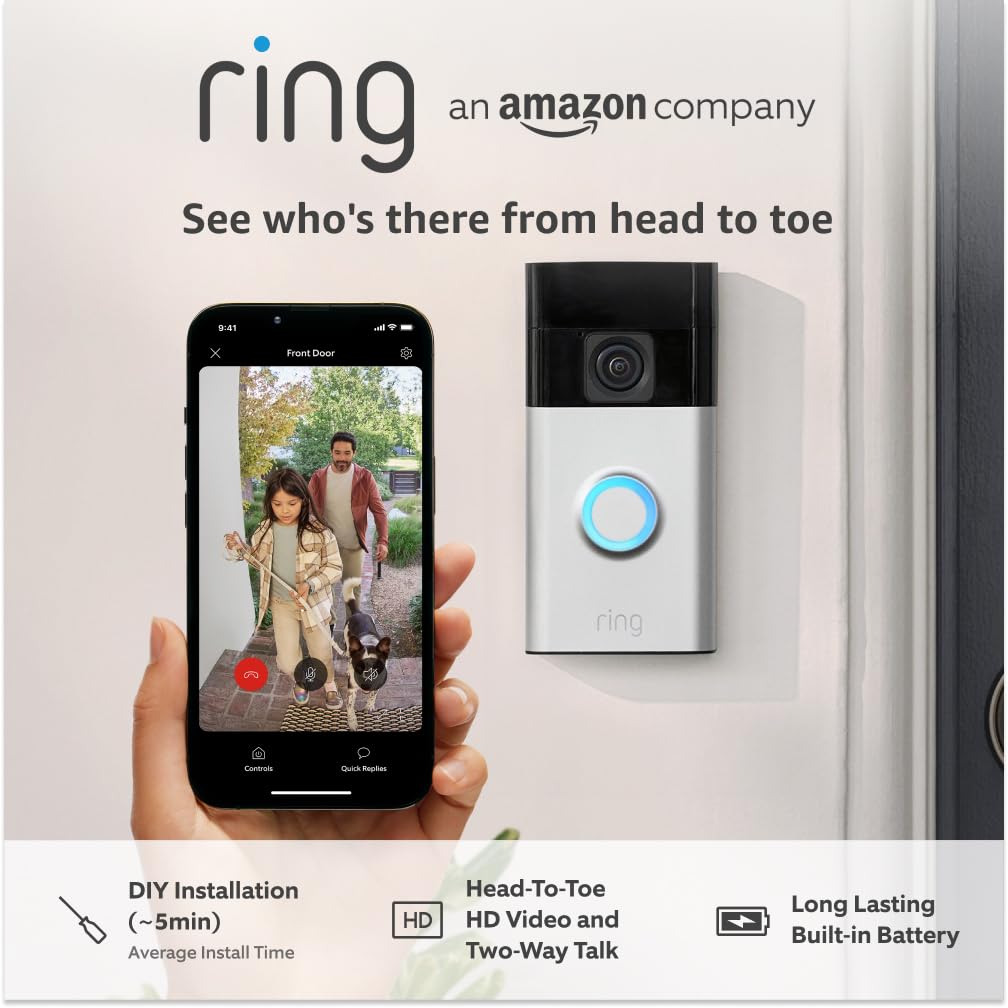
Ring cameras have become a reference point for people seeking the best easy install security cameras, especially in homes already using Echo speakers. A basic Ring security camera can be mounted in minutes with a simple bracket, then added to a Ring security system through the app with step‑by‑step prompts and QR‑code scanning. This ease of use often matters more than a small difference in video resolution when you just want reliable security cameras that work every day.
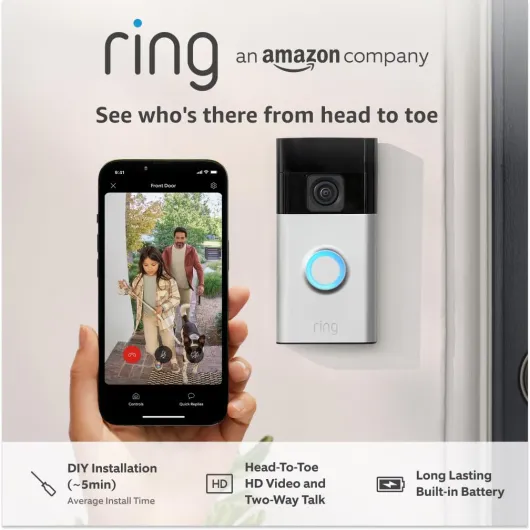
Battery‑powered Ring camera models are particularly attractive for renters who cannot run cables through walls. You can place a Ring outdoor security camera above a door, angle the lens toward the path and rely on long battery life instead of a nearby socket. Typical Ring battery packs last one to three months between charges in moderate traffic, and optional solar panels can stretch that further. When Wi‑Fi range or latency becomes an issue, guides such as this analysis of Ring performance on apartment Wi‑Fi show how to stabilise the video feed before blaming the product.
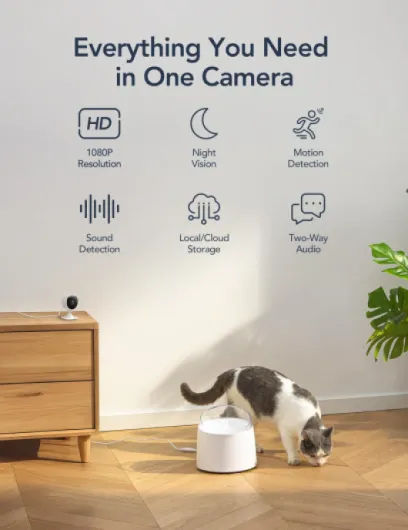
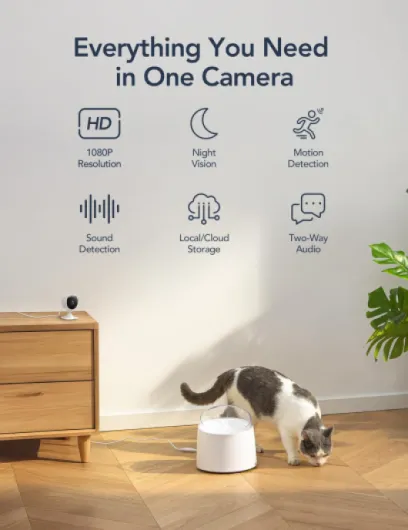
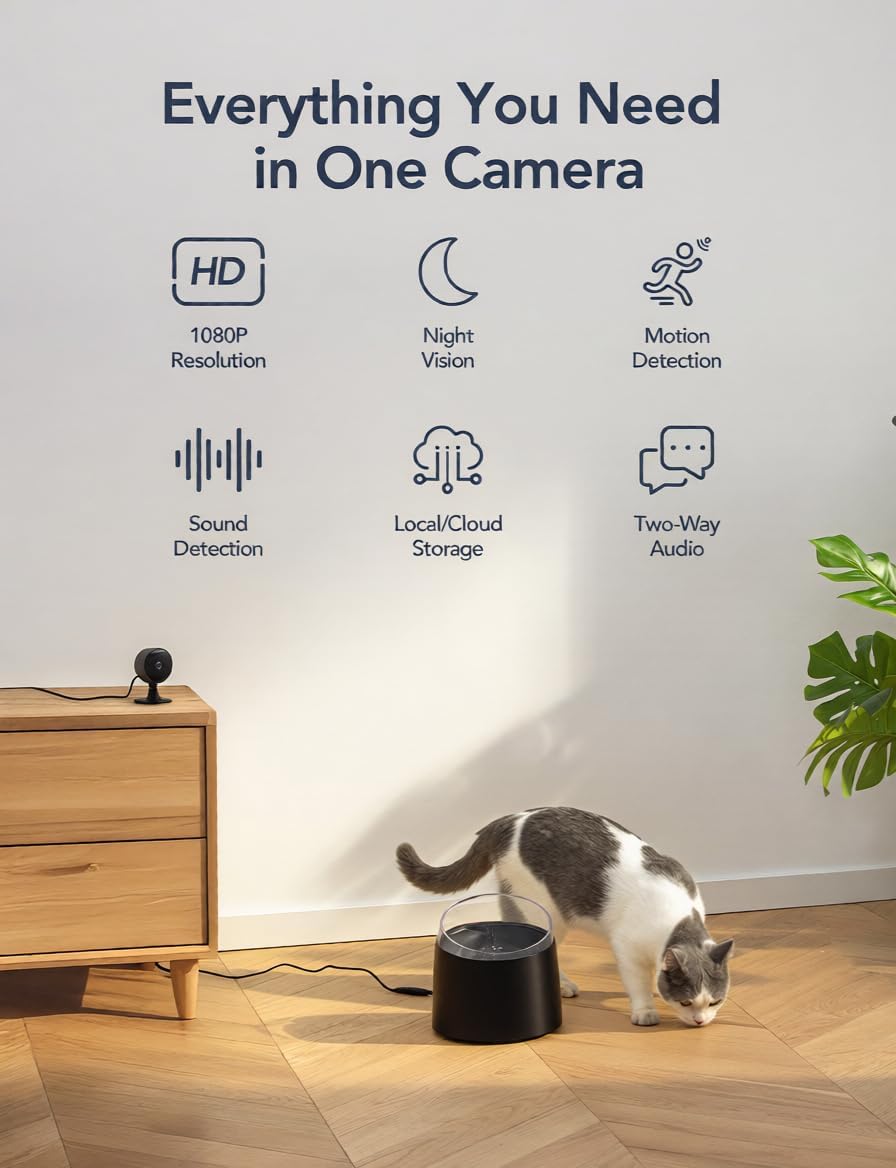
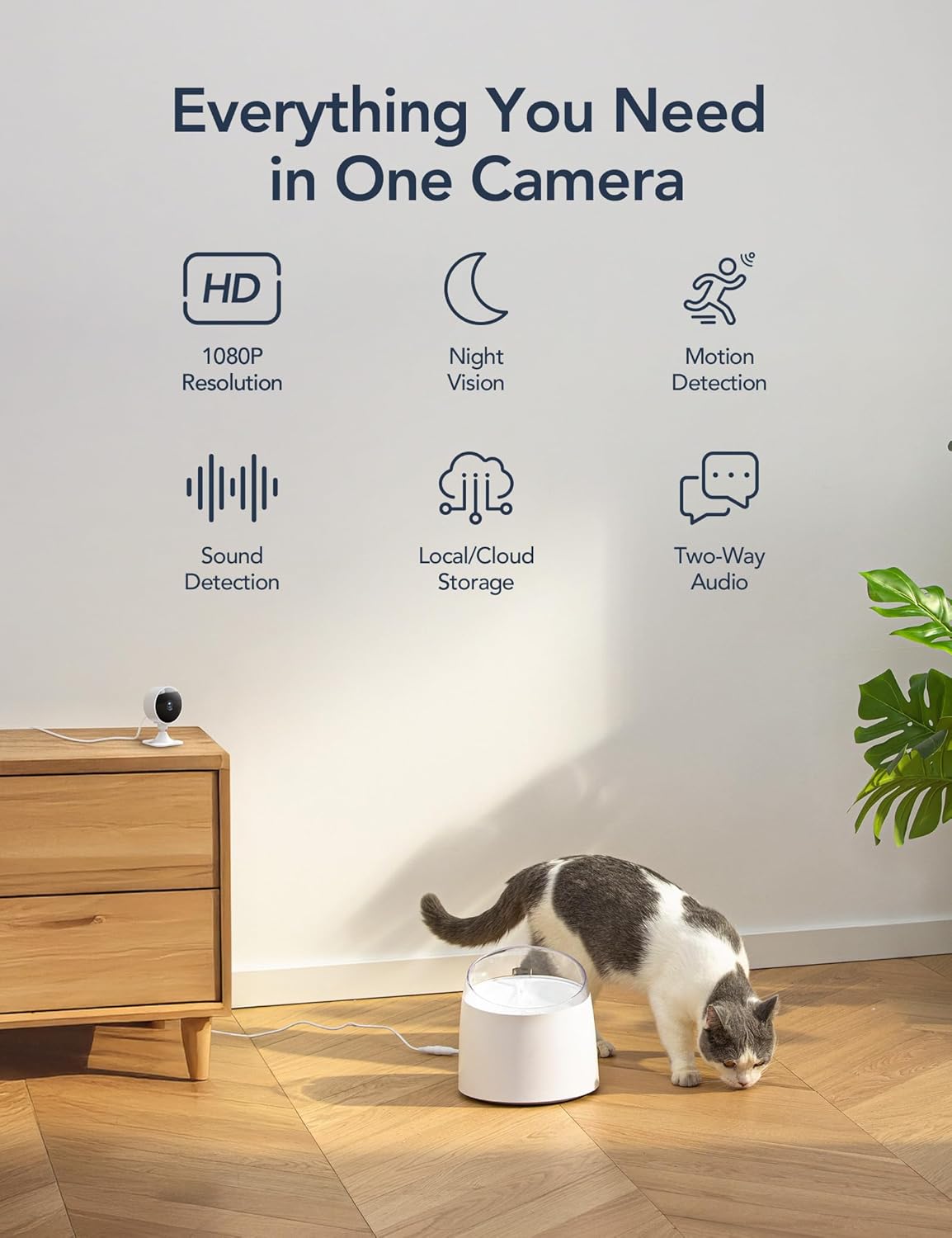
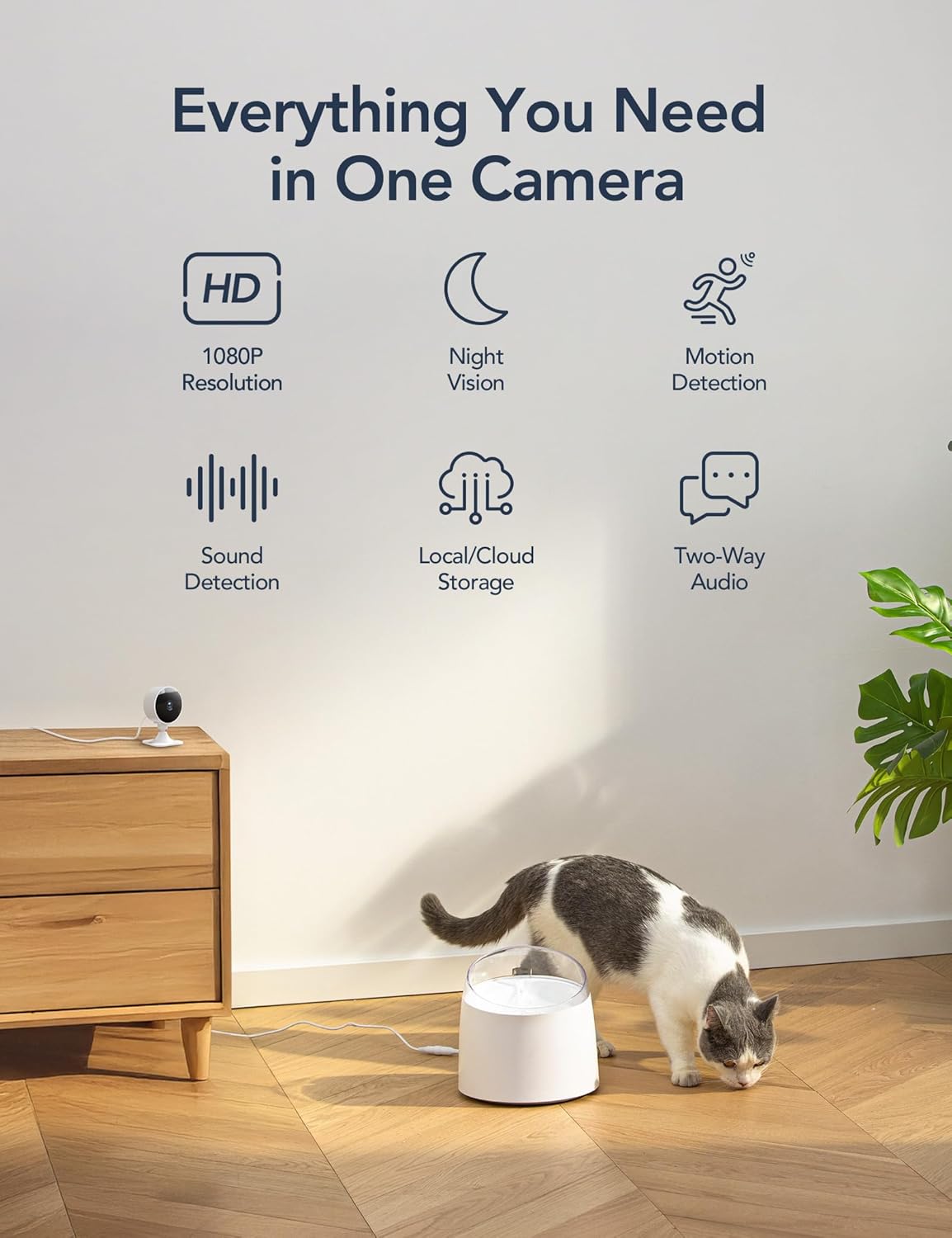
For night vision, Ring offers both classic infrared and more advanced colour night options that use a built‑in light to capture more detail. Motion detection zones can be tuned so that the security camera sends alerts only when someone crosses a defined line, which reduces false alarms from passing cars or pets. When you connect Ring cameras to Amazon Alexa or a compatible smart display, you can ask to see the front door camera and check live video in seconds without opening the app.
Outdoor‑focused buyers should also look at independent evaluations of outdoor security cameras and the features that matter at night. These reviews often highlight how Ring balances price, cloud storage options and subscription tiers against rivals like Google Nest and TP‑Link Tapo. In many cases, Ring offers the best security trade‑off between easy installation, smart alerts and integration with existing security systems, but Nest and Tapo can be stronger choices in homes built around Google Assistant or tighter budgets.
Video quality, night vision and color night performance that actually help in real incidents
Image quality is not just a marketing number when you evaluate the best easy install security cameras. A security camera with sharp video and accurate colour helps police or neighbours identify faces, clothing and vehicles after a break‑in. Look for cameras that maintain clarity in both bright daylight and low light, because many incidents happen at dusk or during the night when porch lights are off.
Night vision technology in modern security cameras usually relies on infrared LEDs that illuminate the scene without visible light. Traditional night vision produces black‑and‑white video, which is acceptable for basic detection but less helpful when you need to distinguish a red jacket from a dark blue one. That is where colour night modes come in, using either a larger sensor or a small spotlight to capture more colour information in the video and preserve detail in shadows.
Ring, Nest Cam and TP‑Link Tapo all sell outdoor security cameras with enhanced night vision and some form of colour night capability. Independent tests of top security cameras with color night vision show that these features can significantly improve recognition at typical garden distances of 5 to 10 metres. When you compare each product, check how the camera handles reflections from walls, how wide the field of view is in degrees and whether pan‑tilt functions are available to cover blind spots without adding extra devices.
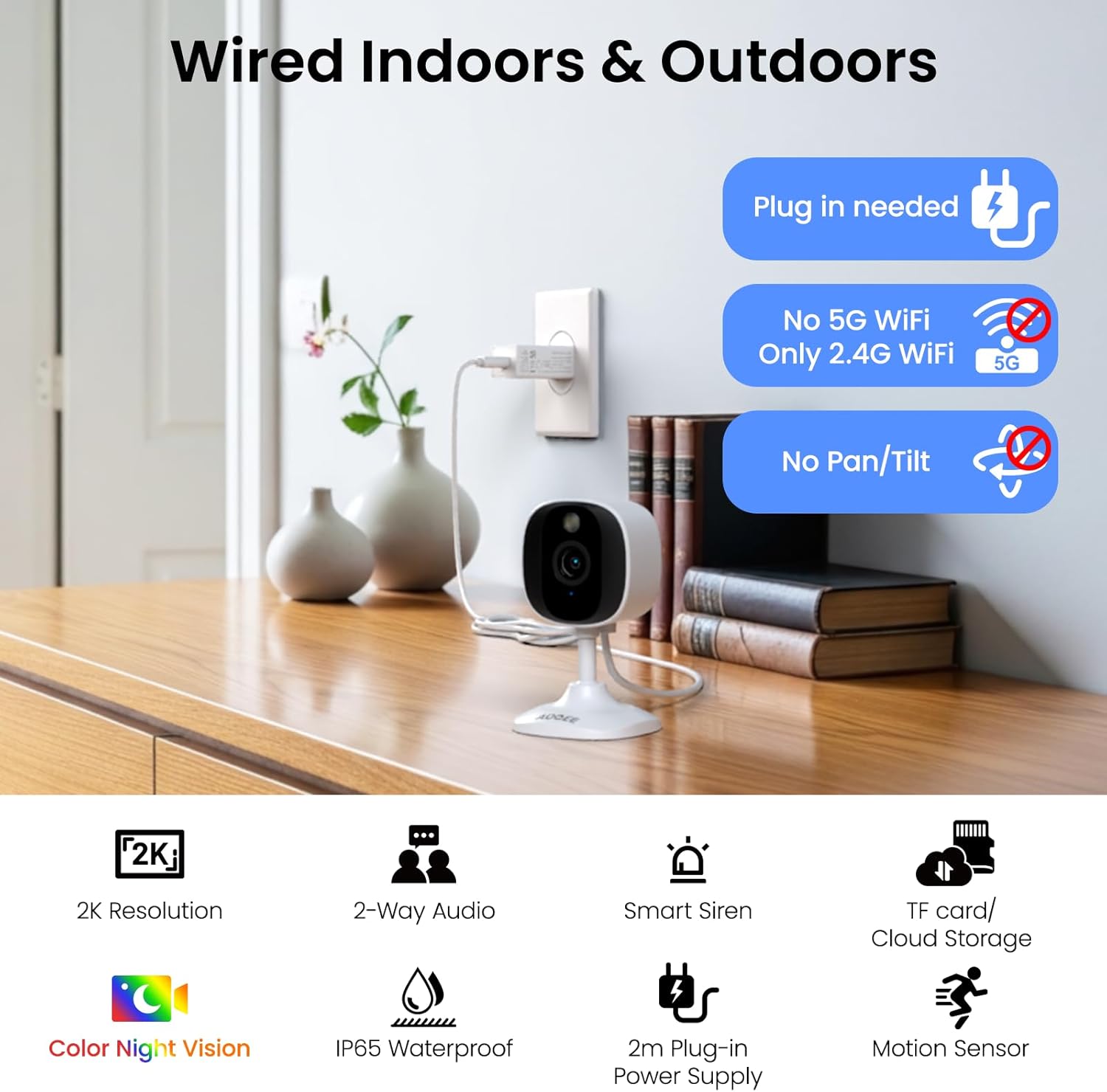
For indoor use, a compact camera with pan‑tilt can track movement across a room and reduce the number of devices you need. Outdoor security models usually skip pan‑tilt to keep the housing robust and weather‑resistant, focusing instead on stable video storage and reliable motion detection. In both cases, make sure the security camera maintains its advertised resolution when streaming through Amazon Alexa, Google Nest displays or other smart hubs, because some systems downgrade video quality to save bandwidth and can hide useful detail.
Cloud storage, local storage and subscription choices that affect long term cost
Storage is one of the most misunderstood aspects of buying the best easy install security cameras. Many people focus on the upfront price of a security camera and overlook the recurring cost of cloud storage or subscription plans. Over several years, subscription fees for video storage can exceed the original product cost, especially when you add multiple cameras and want long retention.
Cloud storage means your video clips are uploaded to remote servers, where they can be accessed from any device with an internet connection. This approach offers resilience against theft or damage, because even if someone steals the security camera, the recorded video remains safe in the cloud. Ring, Google Nest and TP‑Link Tapo all provide tiered cloud storage subscriptions that unlock longer retention, advanced detection features and rich alerts with thumbnails or smart summaries.
Local storage, by contrast, keeps video files on a microSD card or a base station inside your home. Some wireless security cameras support both local storage and cloud storage, giving you flexibility to pay for a subscription only when you need extended history or advanced analytics. If you prefer a mostly free setup, choose a product that records to local storage by default and offers optional cloud upgrades rather than mandatory subscriptions that lock basic recordings behind a paywall.
When you compare the best security options, calculate the total cost of ownership over at least three years. Include the camera price, any required subscription, expected battery replacement and accessories such as mounts or solar chargers. This holistic view often reveals that a slightly higher initial price for a Ring, Nest Cam or TP‑Link Tapo unit with efficient battery life and flexible storage can be cheaper than a low‑cost camera that forces an expensive subscription for basic video access.
Smart home integration with Amazon Alexa, Google Nest and other security systems
Smart home compatibility is central to the appeal of the best easy install security cameras. A security camera that works with Amazon Alexa, Alexa‑enabled speakers and smart displays lets you control video feeds with simple voice commands. Saying that a camera “works with Alexa” is not enough; you should verify whether you can arm, disarm and view specific cameras through routines or multi‑step automations.
Google Nest ecosystems offer similar benefits when you pair Nest Cam or compatible TP‑Link Tapo cameras with Nest Hub displays. You can create a security system where outdoor security cameras trigger indoor lights, or where detection at the driveway starts a recording on another camera pointed at the gate. These integrations turn individual security cameras into a coordinated security system that responds intelligently to movement and makes it easier to review what happened.
Ring products integrate tightly with Amazon Alexa, but they can also coexist with other security systems if you plan carefully. For example, you might use a Ring outdoor camera for the front door, a Nest Cam indoors and a TP‑Link Tapo unit in the garage, all controlled through different apps but still visible on a central smart display. When you design this mix, prioritise consistent alerts, reliable video storage and clear roles for each security camera rather than chasing every smart feature or experimental integration on the market.
Smart detection features such as person detection, package detection and zone‑based alerts can reduce noise and make your security cameras feel less intrusive. Some of these advanced detection tools require a paid subscription, while others are free with the product. Always check which alerts are free and which sit behind a paywall, because this distinction affects how useful the camera will remain if you later cancel cloud storage or switch ecosystems.
Battery life, wireless reliability and outdoor durability for real world use
Battery life and wireless reliability determine whether the best easy install security cameras stay useful after the first week. A wireless security camera that needs charging every few days quickly becomes a burden, especially when mounted high on an exterior wall. Look for clear battery life estimates in hours of recording or number of typical events, not just vague marketing claims that assume almost no motion.
Ring, Nest Cam and TP‑Link Tapo all offer battery‑powered outdoor security cameras with different endurance profiles. Some models support optional solar panels that extend battery life almost indefinitely in sunny locations, which can be ideal for garden sheds or gates far from power outlets. When you compare each product, consider your climate, the orientation of the camera and how often motion detection will trigger recordings during a normal day.
Wireless reliability depends on both the camera hardware and your home network. Thick walls, metal structures and long distances can degrade the video signal, causing lag or dropped clips at exactly the wrong moment. Before blaming the product, it is worth testing Wi‑Fi coverage and applying range and latency fixes similar to those described in specialised Ring troubleshooting guides or your router manufacturer’s support pages.
Outdoor durability is another key factor, especially for security cameras exposed to rain, dust or extreme temperatures. Check the IP rating of each camera and ensure it matches your local weather conditions, because a device designed for mild climates may fail in heavy storms or heatwaves. A robust housing, secure mounting bracket and weather‑sealed ports often matter more for long‑term security than a small difference in video resolution or price.
Best Ring cameras for home buyers who want simple, strong protection
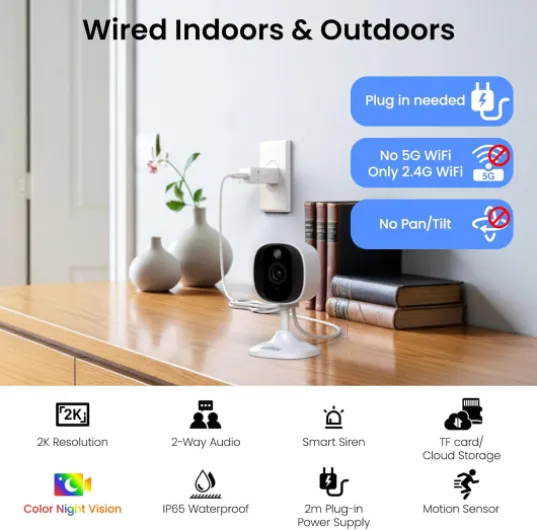
For many households, the best easy install security cameras from Ring fall into three main categories. First are the compact indoor cameras that plug into a wall socket and provide continuous video coverage of hallways, living rooms or home offices. These models usually offer two‑way audio, basic night vision and integration with Amazon Alexa for quick checks on pets or children from a phone or smart display.
Second are the battery‑powered Ring outdoor cameras that mount near doors, driveways or gardens. They combine motion detection, alerts and video storage through cloud storage subscriptions, with optional local storage on some newer hubs. When paired with a Ring security system, these outdoor security cameras can trigger sirens, lights or automated routines that simulate presence when you are away and help deter opportunistic visitors.
Third are the more advanced Ring floodlight and spotlight cameras, which integrate powerful lights with a security camera in a single product. These units often deliver the best security for large outdoor areas, because the lights enhance colour night performance and act as a visible deterrent. While they cost more than a basic camera, their combination of lighting, detection and video recording can replace several separate devices and simplify your overall security systems design.
When you evaluate Ring against rivals like Nest Cam and TP‑Link Tapo, focus on how each ecosystem handles alerts, subscription tiers and integration with Amazon Alexa or Google‑compatible displays. Ring tends to offer strong value at mid‑range price points, especially when you already use Amazon Alexa speakers or displays. For buyers who want a straightforward, app‑driven experience with reliable cloud storage and clear upgrade paths, Ring remains one of the best security choices for both indoor and outdoor use.
Key figures about home security cameras and smart protection
- Police and crime‑prevention organisations consistently report that visible security cameras and monitored alarm systems can discourage opportunistic burglars, especially when cameras cover main entrances and driveways.
- Retailer sales data and smart home market reports show a strong shift toward wireless security cameras, reflecting a clear preference for easy install products that avoid professional wiring and complex setup.
- Smart home adoption studies indicate that most new camera buyers now connect their security cameras to at least one voice assistant, with Amazon Alexa and Google‑based platforms accounting for the majority of integrations.
- Reviews of modern outdoor security cameras suggest that colour night vision and enhanced low‑light performance can noticeably improve subject identification compared with older black‑and‑white‑only systems.
- Analysts who track subscription models note that ongoing cloud storage and advanced detection services can represent a significant share of the total cost of ownership of a security camera over several years, especially in multi‑camera setups.