Ring cameras for renters versus homeowners: what changes with wiring
Ring cameras sit at the center of many best Wi‑Fi security cameras lists because they balance price, smart features and easy installation. For renters, a battery powered Ring security camera or Ring Spotlight Cam avoids drilling into walls and keeps the landlord comfortable, while still giving strong wireless security coverage at the front door. Homeowners can mix wired and wireless cameras, using a powered spotlight cam at the driveway and compact wireless cameras indoors where outlets or existing junction boxes already exist, creating a layered system that grows over time.
When you compare pros and cons for renters, the main trade off is between convenience and ongoing costs. Battery powered wireless cameras give flexible placement but require you to manage battery life carefully, especially on busy streets where motion alerts and video clips drain the battery faster. Guides on no drilling Ring cameras a renter can actually install explain how to mount an outdoor camera securely while still being able to move it when your lease ends, and how to avoid violating building rules or damaging shared entrances.
Homeowners thinking about full security systems from Ring or ADT can run low voltage cables to key locations and then rely on Wi‑Fi only for video transmission. This hybrid approach keeps a wired power system for reliability while still letting the security cameras integrate with smart home routines, color night alerts and cloud storage. Whether you rent or own, always compare regular price versus any price sale and calculate the long term price save from avoiding professional installation and from choosing battery packs you can recharge yourself instead of disposable cells.
Power options explained: wired, plug in, battery and solar for Wi‑Fi cameras
Power is the hidden factor that separates average devices from the best Wi‑Fi security cameras on the market. A wired security camera that plugs into mains power or a PoE (Power over Ethernet) switch can run continuous video recording without worrying about battery life, while a battery powered camera trades that endurance for flexible placement. When you see a sale price on a wireless security bundle, check whether the kit includes enough power adapters or spare batteries for your layout so you do not face surprise add on costs or downtime while you recharge.
Ring Spotlight Cam Plus Battery, Arlo Pro 5S and Nest Cam (Battery) all offer battery powered versions, and some pair with solar panels to extend battery life for an outdoor camera. These wireless cameras are ideal when you cannot run cables, but they work best when you fine tune motion zones so the camera does not wake up for every passing car at night. A plug in spotlight cam or floodlight cam, by contrast, can keep its spotlight and color night vision running longer without draining a battery, which suits high traffic driveways, side paths and shared parking areas.
For large properties, mixing power types often gives the best wireless coverage and the best Wi‑Fi security cameras experience overall. You might use a wired outdoor camera above the garage, a battery powered camera at the garden gate and a plug in indoor camera watching the hallway. To avoid blaming the camera for lag or dropouts, review guidance on Ring on apartment Wi‑Fi range and latency fixes so your wireless security system stays stable even as you add more devices and increase video traffic.
Video quality, night performance and storage choices for Wi‑Fi security cameras
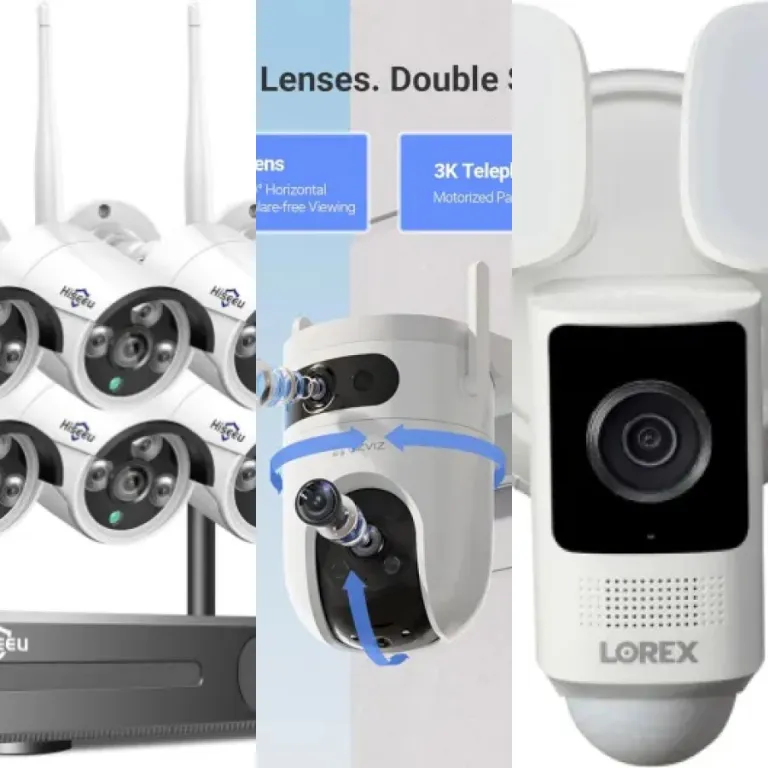
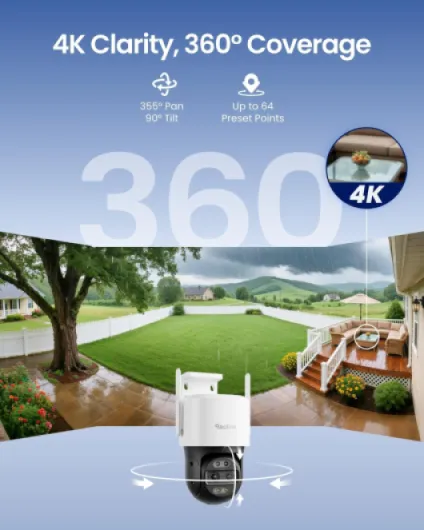
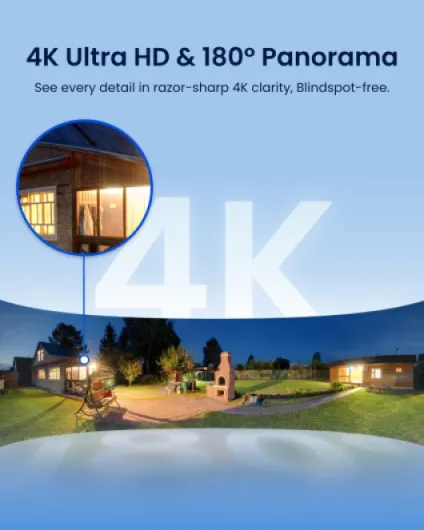
When people talk about the best Wi‑Fi security cameras, they usually mean cameras that deliver clear video in both day and night conditions. Resolution, frame rate and compression all shape how much detail your security camera captures, while lens design and sensor size influence color accuracy and motion handling. Brands such as Lorex, Arlo, Ring and Nest Cams now offer 2K and 4K options, but higher quality footage also demands more storage and stronger Wi‑Fi, especially if you stream to multiple phones or run several cameras at once.
Night vision is critical for any outdoor camera because most suspicious activity happens after dark. Traditional infrared night vision shows grayscale images, while newer spotlight cam designs use a bright spotlight to enable color night views that reveal clothing colors and vehicle details. A Ring Spotlight or similar powered floodlight camera can switch on its spotlight only when motion is detected, balancing battery life or electricity use with security needs and reducing light pollution in tightly packed neighborhoods.
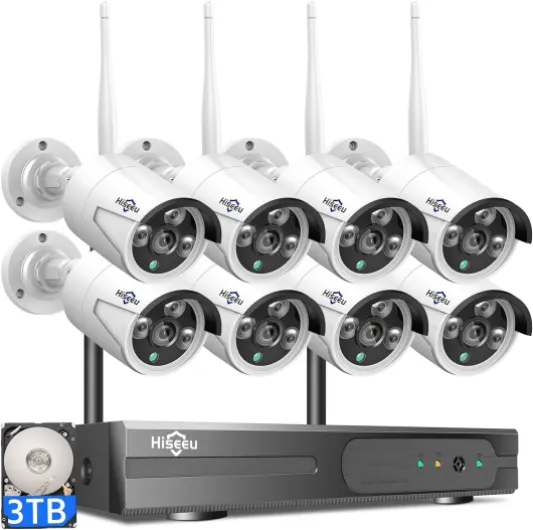
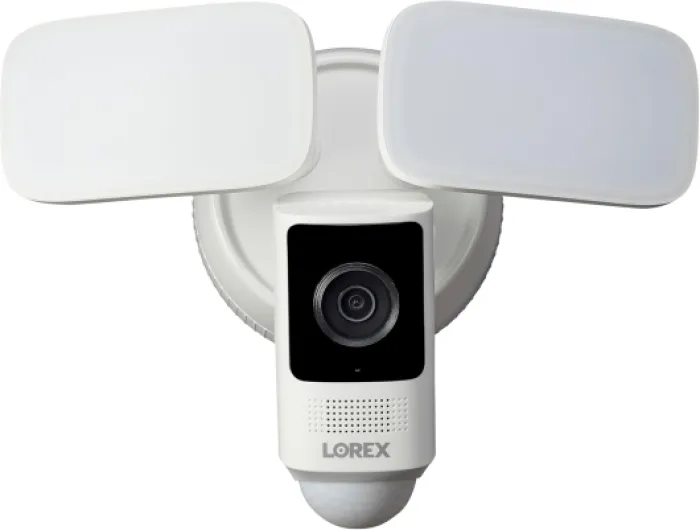
Storage is another key decision when you compare pros and cons of different security systems. Cloud storage subscriptions from Ring, Arlo, Nest Cams or ADT offer convenient access and sometimes limited free tiers, but long retention periods increase the total price over time. Local storage on a Lorex network video recorder or microSD card avoids monthly fees and can generate a significant price save, yet you must protect the recorder as carefully as the cameras themselves because a thief could remove it or damage the drive.
Costs, subscriptions and how to read price tags on Wi‑Fi cameras
Sticker price rarely tells the full story when you compare the best Wi‑Fi security cameras for your home. A low regular price on a single wireless camera can look attractive, but adding cloud storage, extra battery packs and smart home integrations may change the real cost. Always compare the sale price or any price sale offer against the long term subscription fees and accessories you will realistically need, including mounts, chargers and optional solar panels.
Ring, Arlo and Nest Cams all use subscription plans to unlock full video history, smart alerts and advanced motion detection. As of early 2024, typical entry level plans start around $3 to $4 per month for one camera and $10 to $15 per month for multiple cameras, while higher tiers add longer history and richer analytics. Lorex and certain ADT packages lean more on local storage, where the upfront system cost is higher but ongoing fees are lower, which can generate a price save over several years compared with purely cloud based setups.
When you evaluate pros and cons, list every camera, battery, charger and mount you will need for your layout. Then compare that list across brands, factoring in whether you want a single security camera or a full set of security cameras that cover every entry point. This method keeps you focused on total system quality and reliability rather than chasing the lowest headline price and then being surprised by subscription renewals or accessory upgrades.
Matching wired and wireless Ring style setups to real homes
Designing a practical layout with the best Wi‑Fi security cameras means mapping your actual walls, doors and Wi‑Fi coverage. Start by marking where you need an outdoor camera, such as the front door, driveway and back garden gate, then decide whether each position can support a wired power run or must rely on a battery powered unit. In many homes, a mix of wired and wireless cameras gives the best wireless reliability and the most efficient use of your router because you avoid overloading any single band or access point.
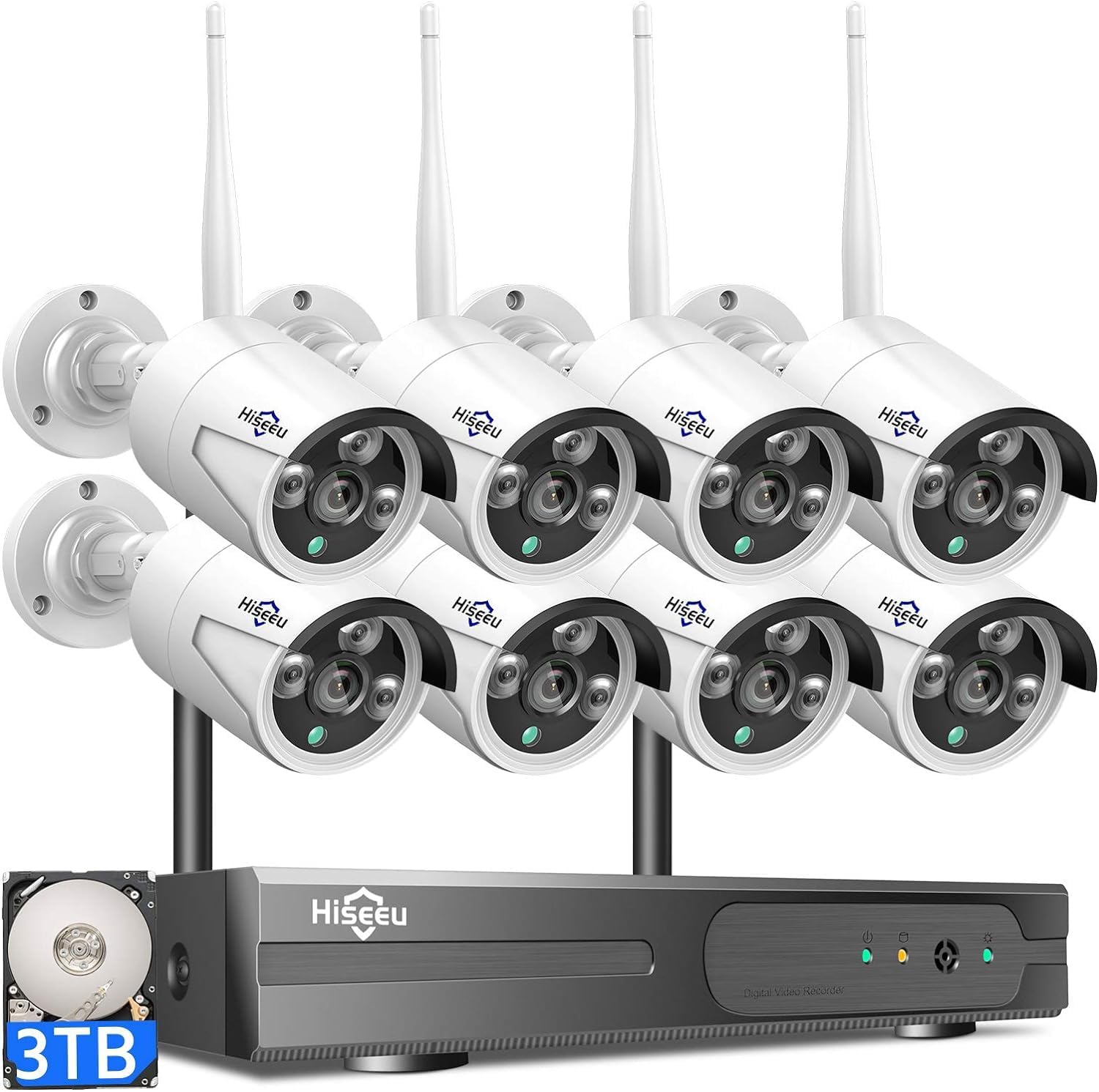
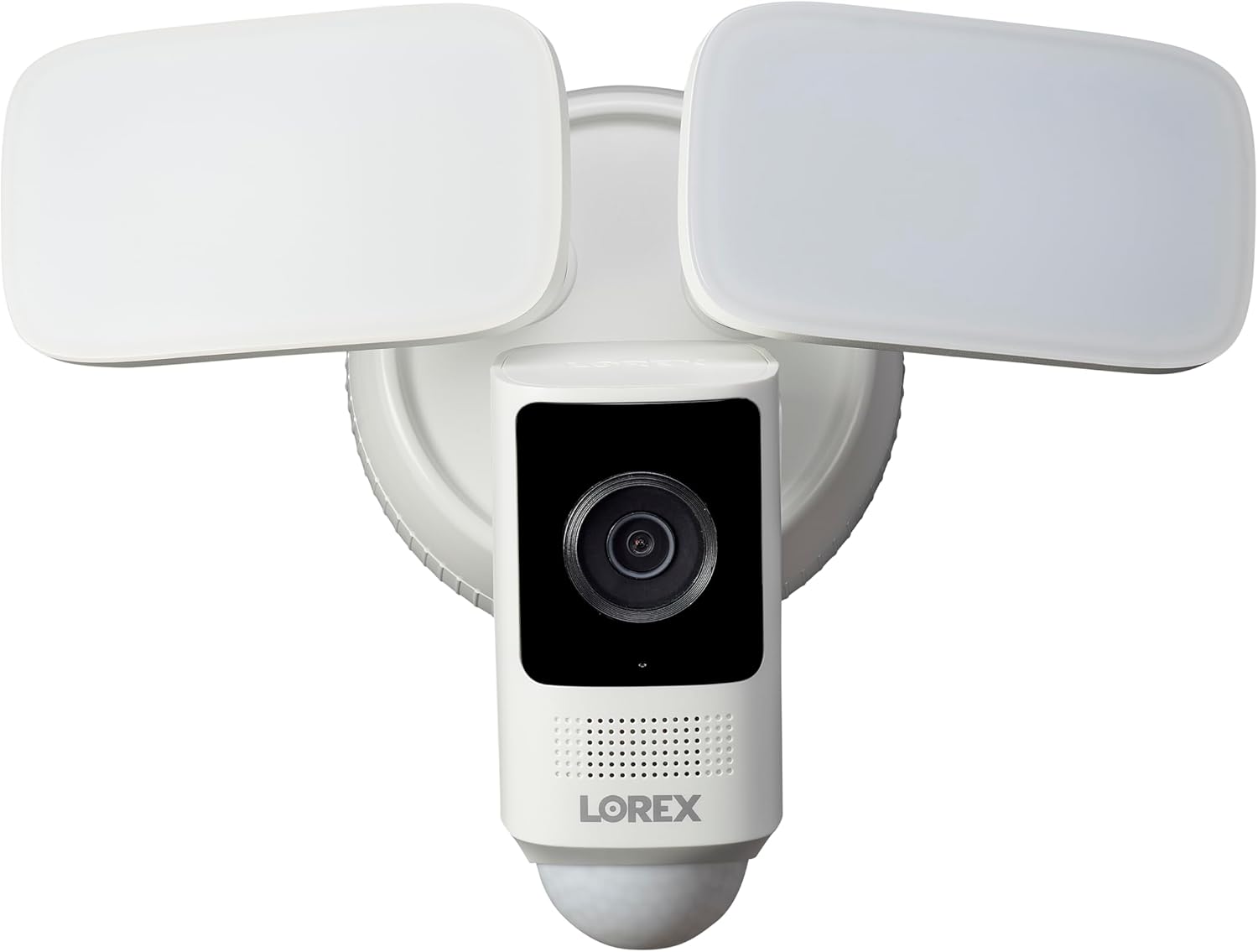
Place a wired Ring Spotlight or similar spotlight cam where you already have mains power, like above a garage or patio, so you can run bright lights and strong color night vision without worrying about battery life. Use compact wireless cameras near side entrances or sheds where running cables would be expensive or impossible, and remember that each additional security camera adds load to your Wi‑Fi system. For apartments, dual band routers and careful channel selection help keep video streams stable, and guides to top dual band Wi‑Fi security cameras explain which models handle congested buildings better and cope with interference.
As you refine your plan, test live video from each camera location at different times of day and night. Check whether faces remain clear, whether motion alerts arrive quickly and whether your chosen storage option records every important event. This hands on approach turns a list of specifications into a tailored security systems layout that matches your habits, budget and expectations for quality, rather than a generic bundle that leaves gaps.
Key figures about Wi‑Fi security cameras and home protection
- According to Parks Associates, more than 30 percent of US broadband households owned at least one security camera by 2022, showing how quickly Wi‑Fi cameras have moved from niche gadgets to mainstream security tools (Parks Associates, 2022, Smart Home Market Tracker).
- Consumer Reports testing in 2023 found that many leading Wi‑Fi security cameras record at 1080p resolution with bit rates between 1 and 4 megabits per second, which helps you estimate how many cameras your home network can support without congestion (Consumer Reports, 2023, home security camera ratings).
- Data shared by Ring and other major brands in 2021 indicated that enabling motion zones can cut unnecessary motion events by more than 50 percent, which directly improves battery life for battery powered cameras and reduces cloud storage usage (Ring, 2021, motion detection best practices).
- Research from the UK Police Secured by Design initiative suggests that visible security cameras and lighting can reduce opportunistic burglary risk, especially when combined with other measures such as secure locks and neighborhood awareness (Secured by Design, 2021, residential security guidance).