Indoor ring camera options and how they compare to rival brands
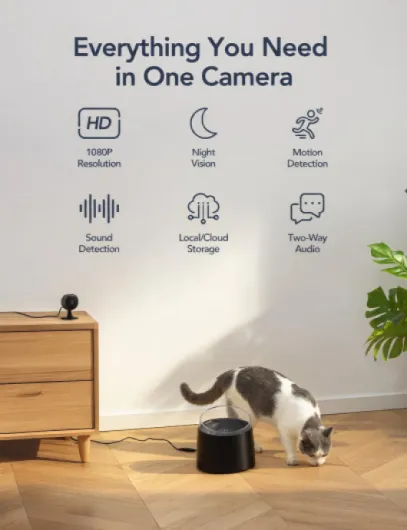
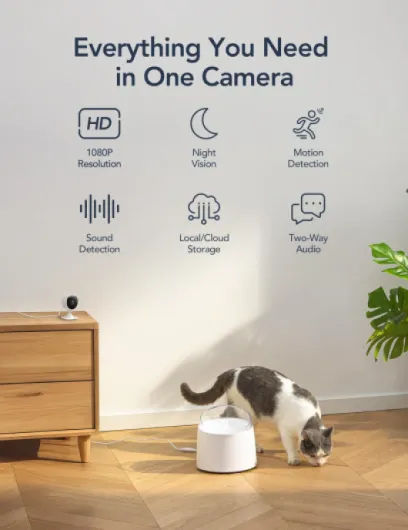
Indoor 1080p cameras from Ring focus on simple installation, strong motion detection, and tight integration with Amazon Alexa for voice control. A compact Ring cam can sit on a shelf or mount on a wall, giving a wide field view of your living room while streaming video to your phone and to compatible Google Assistant smart displays. Many buyers pair these indoor security cameras with a separate wired security hub or rely on Wi Fi alone, so you should match the camera to your home network strength.
Compared with a Tapo security camera or a basic Lorex indoor unit, Ring models lean heavily on cloud storage and subscription services for extended video history. You can still use some free features, but the best 1080p security cameras in this category usually unlock advanced motion detection zones, person alerts, and longer video storage only when you pay each month. If you prefer local storage, a series Lorex cam with a recorder or a Tapo camera with a microSD card may suit you better than a fully cloud first Ring camera.
For readers who want richer audio features, it is worth exploring a curated guide to top indoor security cameras with two way audio that still keep 1080p resolution. These models often combine colour night options, flexible battery or wired power, and smart home support through Amazon Alexa or Google Nest. Whether you choose a Ring cam, a Tapo camera, or a Lorex unit, check how the sale price compares with the long term subscription cost and whether the security system lets you mix multiple cameras under one account.
Outdoor ring cameras, weather resistance, and night vision performance
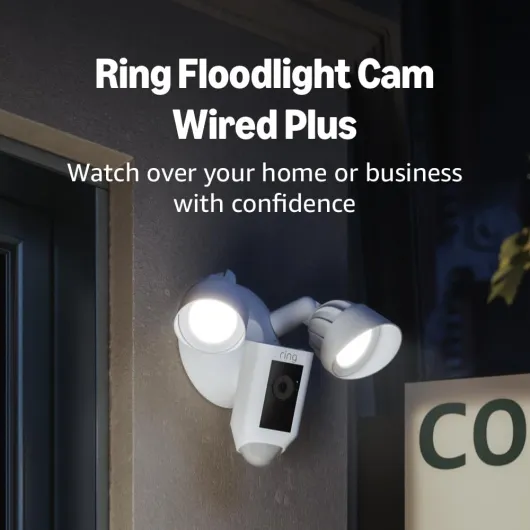
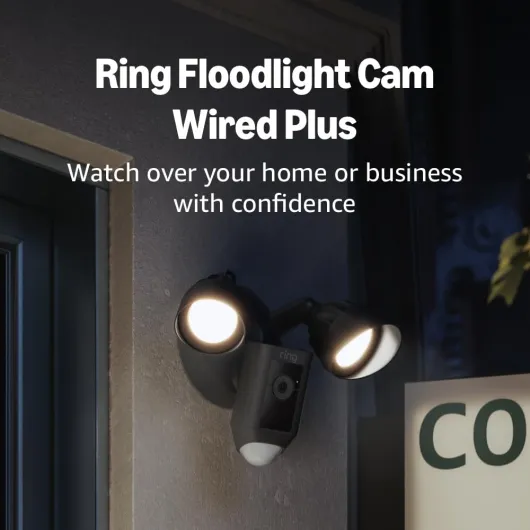
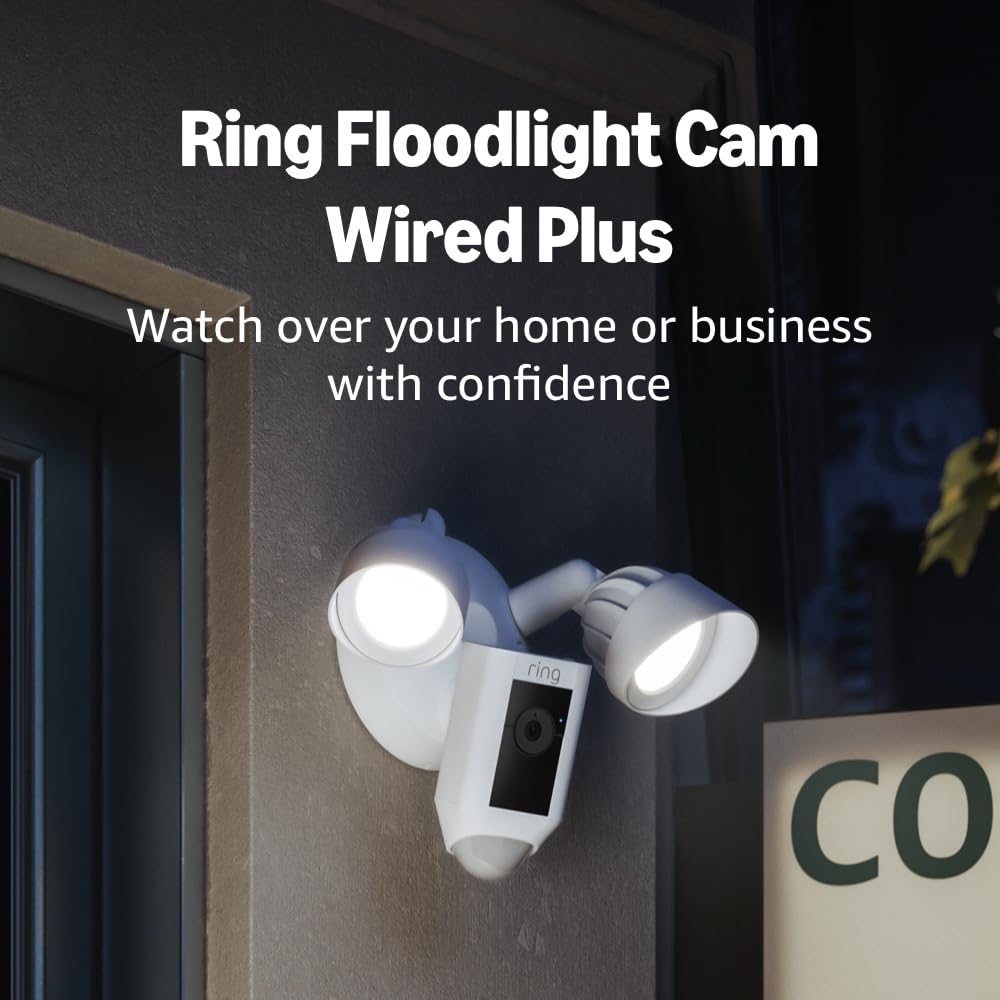
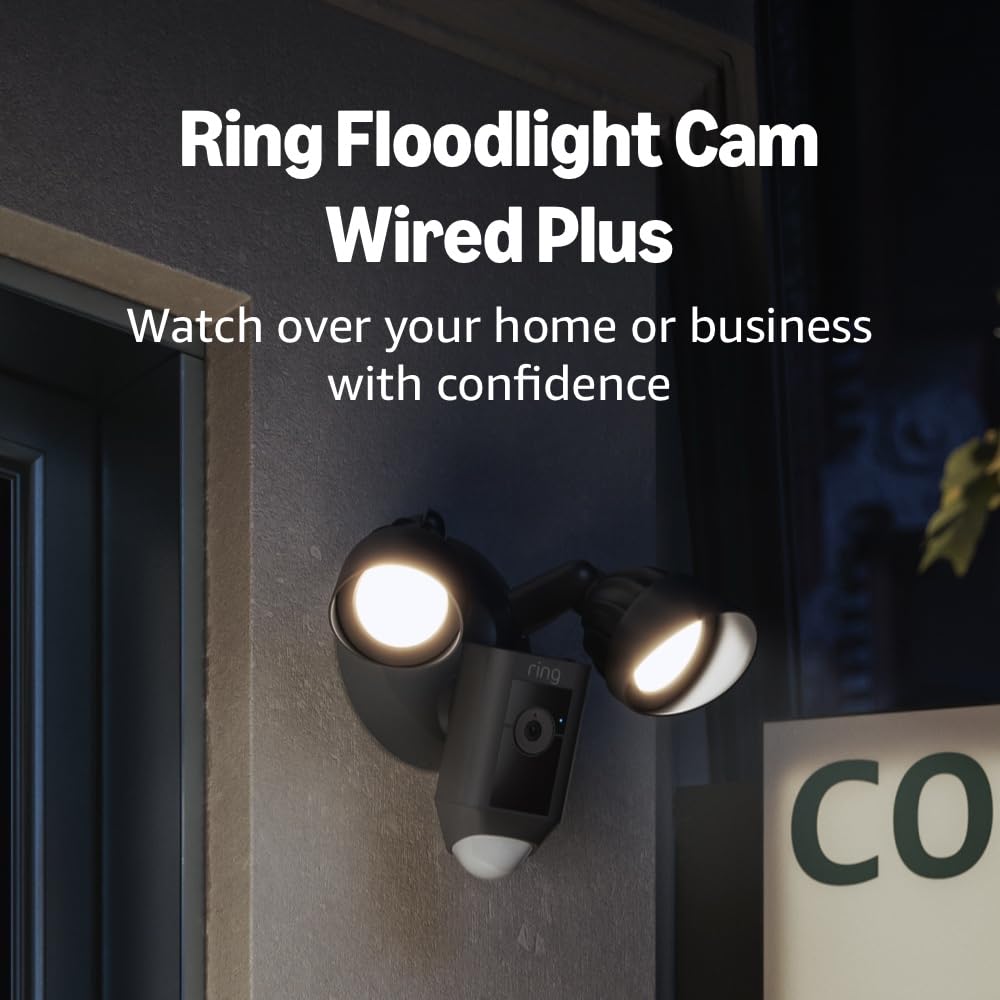
Outdoor 1080p security cameras face harsher conditions, so build quality matters as much as resolution. A Ring outdoor camera or floodlight cam must handle rain, dust, and temperature swings while still delivering stable security video and reliable motion detection. Look for an IP rating, sturdy mounts, and a lens that keeps its clarity over time rather than fogging or scratching easily.
Night vision is critical outside, where most suspicious activity happens after dark and where street lighting can be inconsistent. The best 1080p security cameras combine infrared night vision with intelligent processing to reduce glare from headlights and keep faces visible at several metres, while some premium models add colour night modes using built in spotlights. Independent lab tests, such as those cited by the Security Industry Association and manufacturer field trials, typically show that well tuned 1080p cameras can recognise faces at around 5 to 7 metres in mixed lighting, which is adequate for most driveways and gardens.
Battery powered outdoor cameras give flexible placement, yet wired security connections remain more stable for constant recording and for integration into a larger security system. When you compare a Ring battery camera with a wired Lorex camera, weigh the convenience of cable free installation against the need to recharge every few month and the risk of losing power during long events. If you are considering higher resolution or multi camera kits, a specialist review such as this detailed test of an outdoor wireless security camera system with local storage can help you understand how 1080p models compare to 4K in real gardens and driveways.
Doorbell cameras and how 1080p resolution shapes everyday use
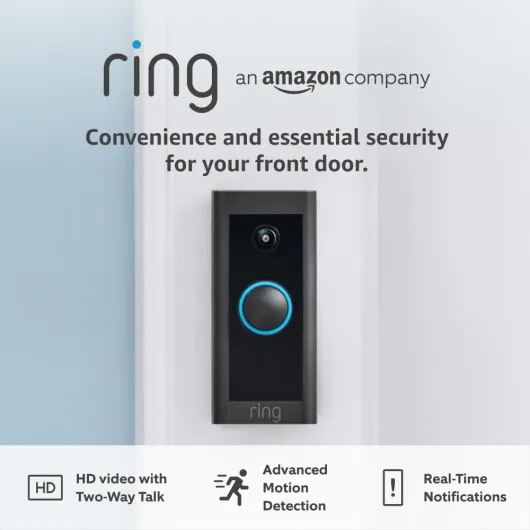
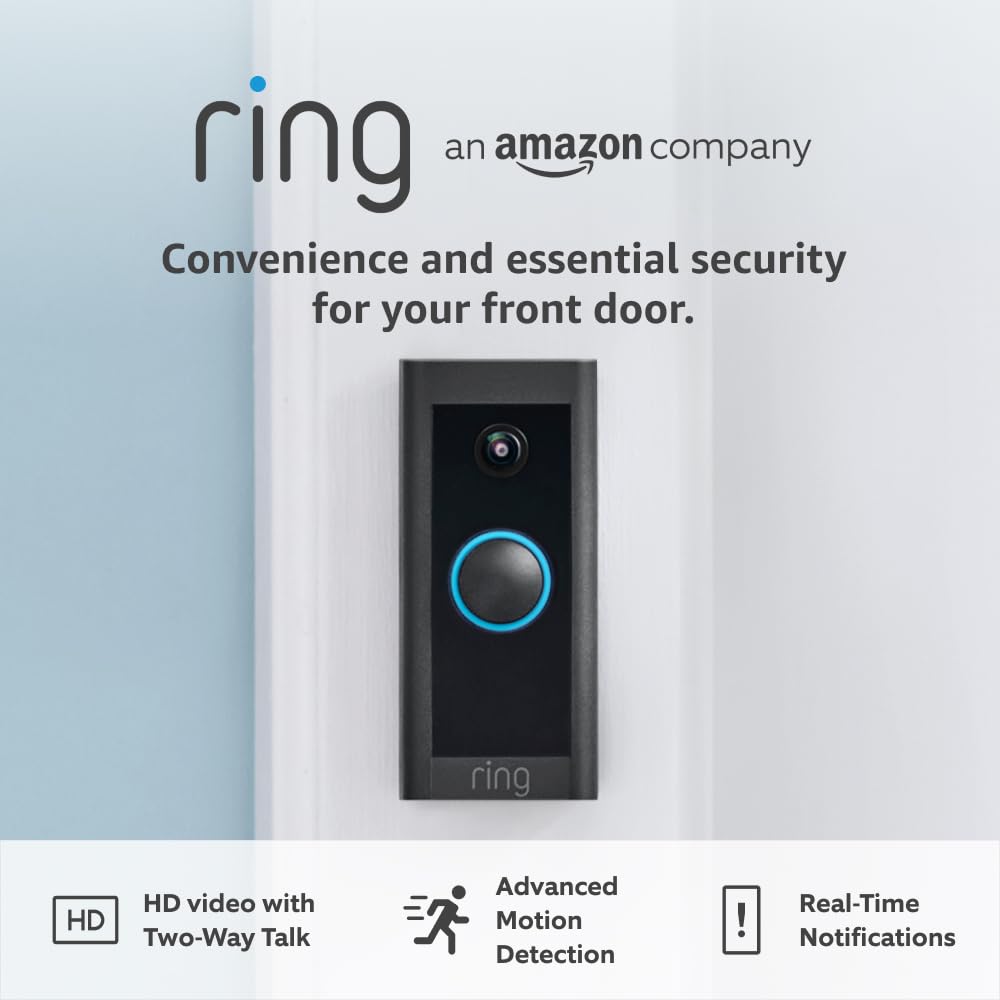
Video doorbells sit at the front line of home security, and 1080p resolution is usually enough to capture visitors clearly at close range. A Ring doorbell camera streams video to your phone when someone presses the button or when motion detection triggers, letting you talk through two way audio even when you are kilometres away. Because the field view is often tall rather than wide, 1080p gives enough vertical detail to see both faces and parcels on the ground.
Compared with a standalone security camera, a doorbell cam must balance power, connectivity, and responsiveness more carefully. Wired models draw constant power from existing chimes, while battery versions trade some reliability for easier installation, especially in older buildings without doorbell wiring. The best 1080p security cameras in doorbell form also integrate with Amazon Alexa and Google Nest displays, so you can ask Amazon Alexa to show the front door or let a Nest Cam feed appear automatically when someone rings.
When you evaluate price, remember that many doorbell cameras rely on cloud storage and a subscription after the initial free trial month ends. A tempting sale price can hide long term costs if every extra camera on your account needs its own plan or if extended video storage is locked behind premium tiers. To compare how different brands handle these trade offs over many years of ownership, consult a long horizon buying guide such as this analysis of the best video doorbell for a house you will keep for years.
Cloud storage, local storage, and the real cost of owning 1080p cameras
Every 1080p camera generates far more data than a basic SD model, so your choice between cloud storage and local storage has serious budget and privacy implications. Cloud storage keeps video off site, protects it from theft or fire, and makes it easy to review events from any device, but it usually requires a subscription after the first free month. Local storage on a microSD card, USB drive, or Lorex recorder avoids recurring fees, yet it demands more hands on management and can be lost if the security system is stolen.
Ring, Nest Cam, and many Tapo cameras lean toward cloud first designs, offering rolling video storage for several days or weeks depending on the plan you choose. Lorex and some series Lorex kits focus on wired security with dedicated recorders that store weeks of 1080p video from multiple cameras without touching the cloud at all. The best 1080p security cameras give you a hybrid option, letting you keep critical clips in the cloud while archiving continuous footage locally for long term reference.
When you compare sale price and long term price sale, calculate the total cost over at least three years, including every subscription, extra camera fee, and optional cloud storage upgrade. For example, a typical 1080p camera at $100 with a $4 per month single camera plan costs about $244 over three years, while a $180 camera that includes multi camera cloud storage for three years can end up cheaper overall. Always read the small print about how many cameras each plan covers, whether Amazon Alexa or Google Assistant integrations require extra services, and how easy it is to export video storage if you ever change brands.
Key features that separate average 1080p cameras from the best security performers
Not all 1080p security cameras are equal, even when their specifications look similar on paper. The best 1080p security cameras combine a sharp lens, fast processor, and refined software to deliver smooth video, accurate motion detection, and reliable alerts without flooding your phone with false alarms. Look for adjustable sensitivity, person or package detection, and clear controls over which zones of the field view should trigger notifications.
Advanced models from Ring, Google Nest, Lorex, and Tapo sometimes add dual lens designs, where one lens covers a wide area while another zooms in on details. Dual lens cameras can maintain 1080p clarity on important regions without sacrificing context, which is especially helpful for driveways or long gardens. Some brands also offer colour night modes that use gentle illumination to keep footage in colour, making it easier to identify clothing or vehicle colours compared with standard infrared night vision.
Smart home integration is another major differentiator, with Amazon Alexa, Amazon Alexa enabled speakers, and Google Assistant displays turning your security camera into part of a broader security system. When a Nest Cam or Ring cam can trigger lights, lock doors, or start recording on other cameras, the whole network becomes more effective than any single camera alone. As you shortlist options, focus on how each camera, its storage model, and its ecosystem support your daily routines rather than chasing every new feature for its own sake.
Statistics and key figures about 1080p security cameras
- According to data from Parks Associates (Smart Home Tracker, 2023), more than 30 percent of broadband households in the United States now own at least one networked security camera, and 1080p remains the dominant resolution tier because it balances quality with bandwidth. See the Parks Associates Smart Home Tracker 2023 summary for the latest adoption figures.
- Consumer surveys from the Security Industry Association (SIA Home Security Study, 2022) show that over 60 percent of new residential camera installations still use 1080p models, while only a minority of households choose 4K due to higher storage and network requirements. The SIA report details how resolution choices vary by home size and budget.
- Research by Strategy Analytics (Smart Home Cameras Market Report, 2022) indicates that smart home camera shipments have grown by double digit percentages year over year, with cloud storage subscriptions representing a significant share of ongoing revenue for brands like Ring and Google Nest. Their market report breaks down revenue by hardware versus services.
- Field tests published by independent labs in 2023 consistently find that well tuned 1080p cameras can identify faces at distances of around 5 to 7 metres in daylight, which is sufficient for most indoor rooms, porches, and small gardens. These tests typically use controlled charts and real world scenes to verify recognition distance.
- Energy consumption measurements from manufacturer datasheets show that typical 1080p Wi Fi cameras draw between 2 and 5 watts when active, meaning that continuous operation adds only a modest amount to monthly electricity bills compared with other household electronics. For precise figures, consult the power specifications in each camera’s technical sheet.