Buying guides for the best Ring cameras for home
Choosing among the best Ring cameras for home starts with a clear list of priorities. Some households care most about sharp video and color night performance, while others focus on discreet indoor security that blends into décor. A structured buying guide helps you weigh each camera feature against your own security risks and your budget, rather than chasing whichever indoor cam happens to show the biggest discount.
Begin with the basics of any security camera comparison, such as resolution, field of view and night vision range. Then examine how each Ring indoor camera handles motion detection zones, person detection and the frequency of false alerts from pets or passing headlights. When you read a price sale or sale price on Amazon, always check whether the discount applies to a single cam or a multi camera pack that might cover several rooms, because bundles can quietly change the effective cost per camera.
Ring models differ in storage options, because some owners prefer cloud storage while others want local storage on a separate device. Ring mainly promotes cloud storage through Ring Protect plans, which unlock extended video storage, rich notifications and more detailed motion alerts. For a deeper breakdown of which Ring Protect tier matches your number of cameras and your budget, you can follow this detailed guide to choosing the right Ring Protect plan before you commit, then match that subscription choice to the specific indoor cameras on your shortlist.
Ring indoor versus outdoor cameras and when each makes sense
Ring indoor cameras and Ring outdoor cameras share many core technologies, yet they solve different security problems. An indoor camera focuses on monitoring entry points, hallways and shared living spaces, while an outdoor cam must survive rain, dust and extreme temperatures. The best indoor Wi Fi security cameras from Ring are not automatically the best choice for your driveway or garden, even if they share similar video resolutions and motion detection features.
Outdoor Ring security cameras usually include weather sealing, brighter lights and sometimes a built in siren. These outdoor cameras often pair well with a Ring video doorbell to create a perimeter view, while indoor cameras confirm whether someone actually enters your home. If you already own an outdoor Ring cam, adding a small indoor cam near the main door or stairway can close blind spots without a huge increase in price, and lets you verify whether motion outside leads to real activity indoors.
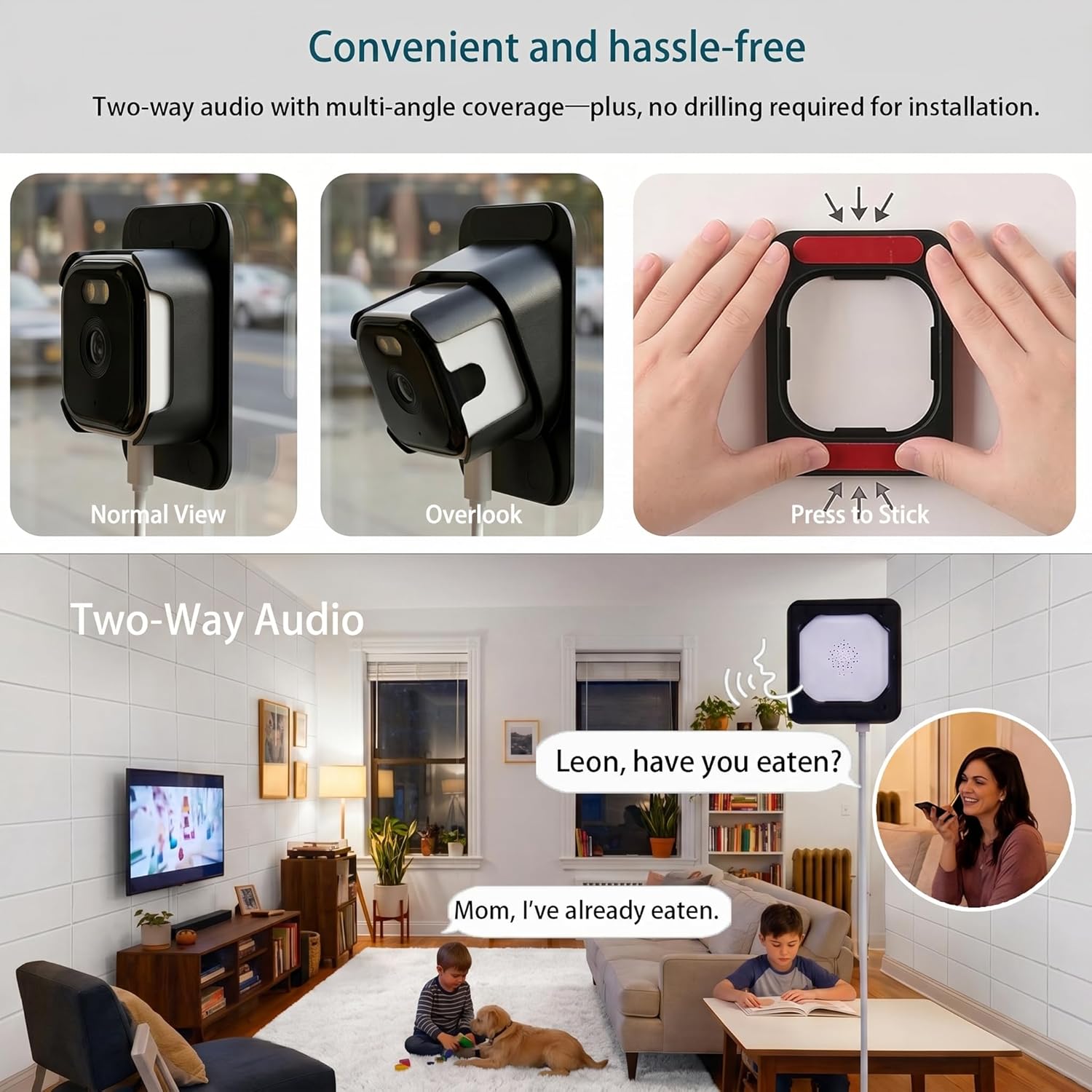
Renters face unique constraints, because they may not be allowed to drill or mount large outdoor units. In such cases, a compact indoor camera placed on a shelf facing the entrance can still provide strong indoor security and reliable motion detection. For a more detailed breakdown of which Ring models suit apartments and rented homes, you can consult this independent analysis of the best Ring camera options for apartments before buying, then choose between a plug in or battery powered cam based on how often you are willing to recharge.
Key features that define the best indoor Wi‑Fi security cameras
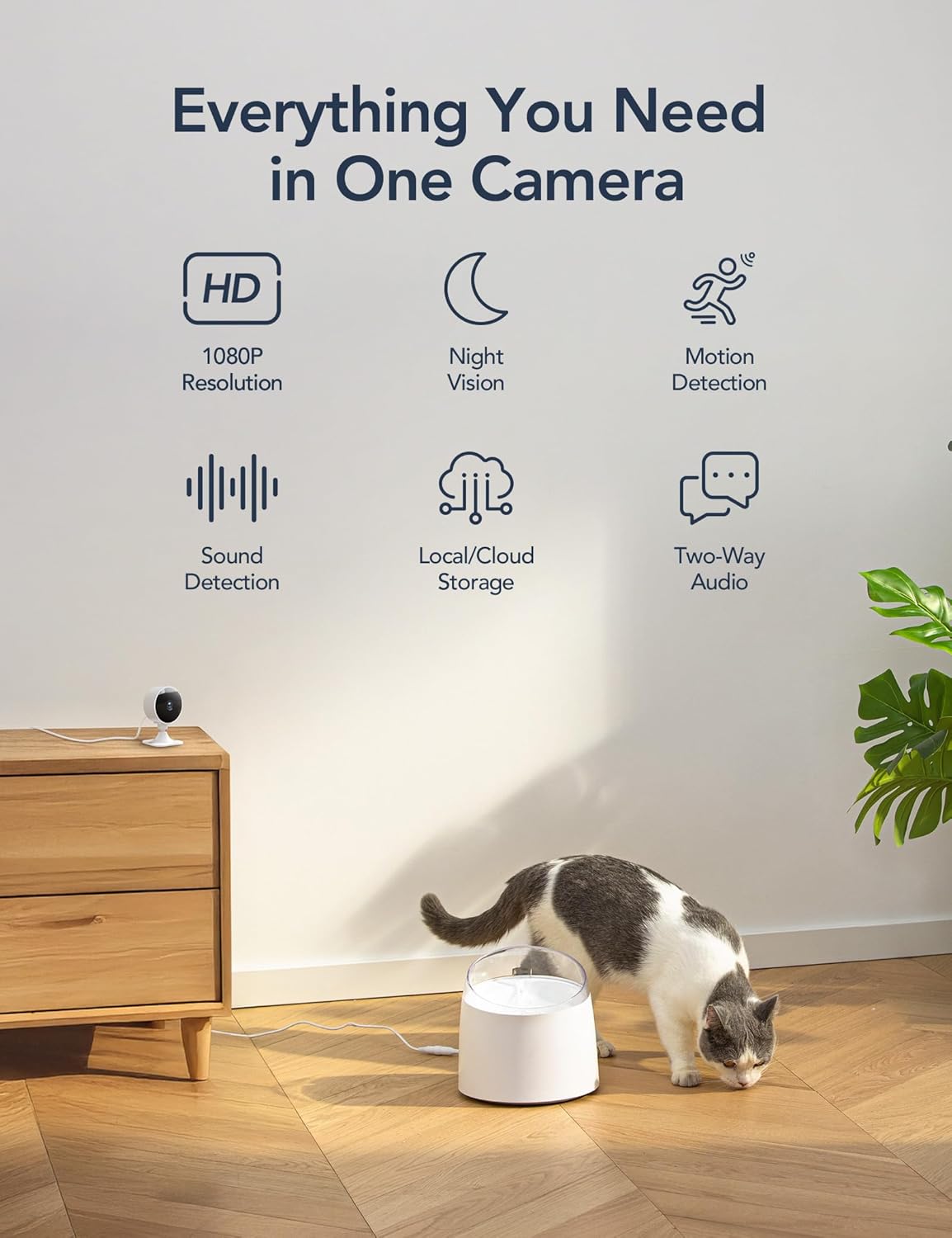
Several technical features separate average indoor cameras from the best indoor Wi Fi security cameras available today. High resolution video, usually 1080p or higher, makes it easier to identify faces and read small details like package labels. Strong night vision or color night capabilities ensure that your security camera remains useful when the lights are off, and that recorded clips still show enough detail to be helpful if you ever need to share footage.
Motion detection has evolved from simple pixel changes to smarter analysis that can distinguish people from pets or moving curtains. A smart indoor cam can send targeted alerts only when a person enters a defined zone, which reduces notification fatigue and helps you react quickly to genuine threats. Some Ring cameras also integrate with other smart home platforms, so you can trigger lights or sirens automatically when motion detection crosses a threshold, turning a basic indoor camera into part of a wider home security workflow.
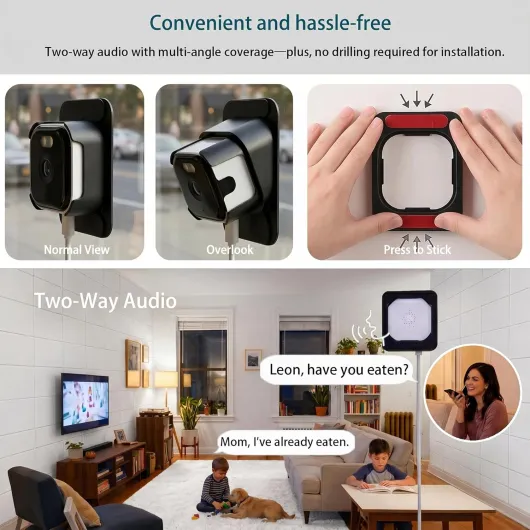
Audio quality matters as much as video, because two way audio lets you speak to family members or warn intruders. Look for indoor cameras that offer clear audio with minimal echo, especially if you plan to use them as an intercom between rooms or to talk to pets. When comparing the regular price and any temporary price sale, remember that better microphones, improved speakers and more advanced detection algorithms often justify a slightly higher cost, particularly if you rely on the camera for everyday communication as well as security.
Storage, subscriptions and the real cost of ownership
Many people focus on the upfront price of a security camera and overlook ongoing storage costs. Cloud storage subscriptions, such as Ring Protect, turn short clips into a searchable history of events that you can review days or weeks later. Without some form of video storage, even the best indoor Wi Fi security cameras lose much of their investigative value, because you cannot easily prove what happened while you were away.
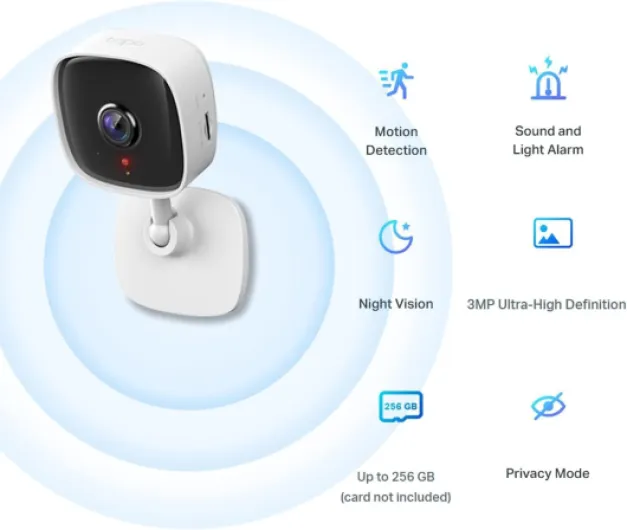
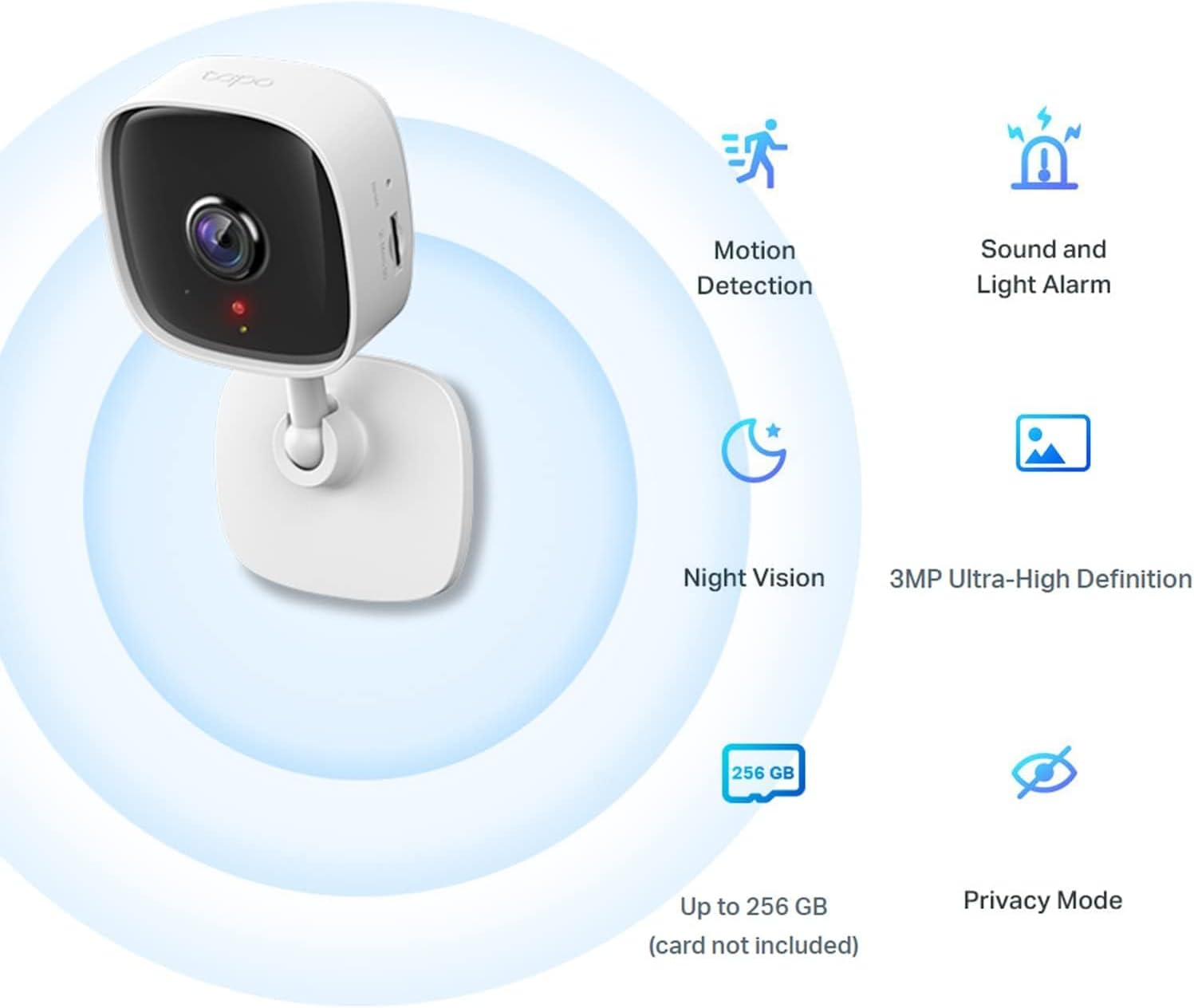
Ring emphasizes cloud storage rather than local storage on the camera itself, which simplifies access from any device but adds a monthly fee. Some competing indoor cameras, including models from Tapo and other brands, offer microSD local storage that records video without a subscription, though remote access features may be limited. When you compare wireless security options, calculate the total cost over several years, including cloud storage, extra batteries and any accessories in a multi cam pack, and compare that figure with the cost of a cheaper camera that might require more frequent replacement.
Battery powered Ring cameras introduce another dimension to cost, because spare batteries or solar accessories can raise the final price. However, battery powered indoor cameras provide flexibility for rooms without convenient power outlets and for renters who cannot run cables. If you see a sale price that bundles a camera with extra battery packs or extended video storage, evaluate whether those additions match your actual indoor security needs, such as how often you expect motion events and how frequently you want to access recorded clips.
Ring versus competitors like Tapo and other wireless indoor cameras
Ring competes directly with brands such as Tapo, Arlo and Google Nest in the indoor security space. Tapo indoor cameras often undercut Ring on price and may include local storage, which appeals to buyers who dislike subscriptions. Ring, on the other hand, leans on its broader ecosystem of security systems, video doorbells and outdoor cameras to justify a higher regular price, especially for households that want a single app to manage every indoor and outdoor camera.
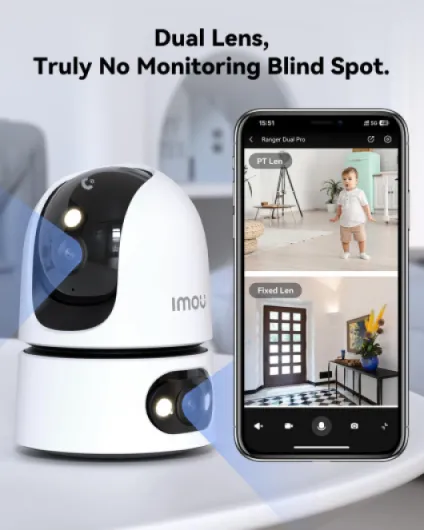
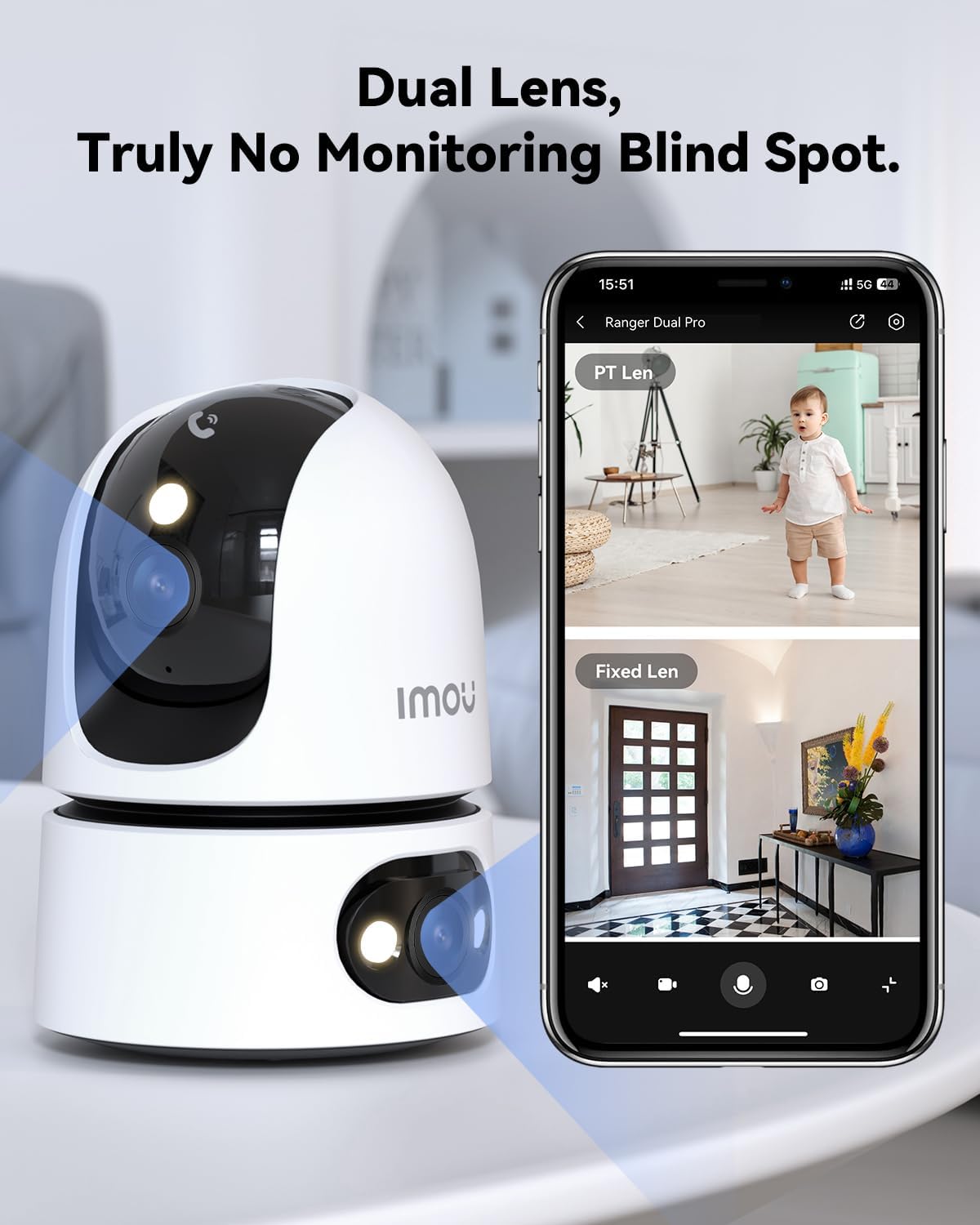
When you compare a Ring indoor cam with a Tapo indoor camera, examine not only resolution and night vision but also app reliability and customer support. Some Tapo models include pan tilt functions that let the camera rotate to follow motion, which can cover a larger room with a single cam. Ring typically focuses on fixed view indoor cameras, relying on strategic placement and multiple units rather than pan tilt mechanics, which can simplify setup and reduce the number of moving parts that might fail.
Wireless security performance also differs between brands, because Wi Fi chipsets, antenna design and firmware all influence stability. A camera that frequently drops its connection will miss motion detection events and fail to send timely alerts, no matter how impressive its video specifications look on paper. For many households, the best indoor Wi Fi security cameras are those that maintain a stable link to the router, integrate smoothly with existing devices and offer transparent price structures for both hardware and storage, so you are not surprised by hidden fees later.
Practical placement tips for Ring indoor cameras at home
Placement can turn a good indoor camera into an excellent one, especially in complex floor plans. Aim to cover choke points such as hallways, staircases and the main entrance, rather than trying to watch every corner of every room. This approach lets a single cam capture more useful motion events and reduces the number of cameras you need to buy, which keeps both clutter and long term costs under control.
Mount an indoor camera at around 2 to 2,5 metres high, angled slightly downward to capture faces rather than just the tops of heads. Avoid pointing indoor cameras directly at windows, because reflections and bright outdoor light can confuse motion detection and degrade video quality. If you use color night features, ensure there is at least some ambient light from a lamp or streetlight, since total darkness may still force the camera into standard infrared night vision mode and reduce the realism of recorded clips.
Think about privacy as well as security, especially in bedrooms and bathrooms where cameras are rarely appropriate. Many Ring indoor cameras include physical shutters or software modes that disable video and audio when you are at home, which can be scheduled automatically. Balancing indoor security with respect for personal space builds trust among household members and makes long term camera use more acceptable, particularly in shared apartments or homes with frequent guests.
Key statistics about indoor Wi‑Fi security cameras
- Market research from firms such as Statista indicates that global shipments of home security cameras recently exceeded 100 million units, reflecting rapid adoption of indoor cameras as Wi Fi networks became more reliable; for example, Statista’s 2023 smart home security report shows annual unit volumes in the low hundreds of millions.
- Surveys by consumer protection organizations suggest that households using visible security cameras, including indoor and outdoor models, report burglary rates roughly 20–30 % lower than comparable homes without any cameras installed, based on aggregated figures from national victimization surveys in North America and Europe.
- Independent testing labs have found that cameras with person based motion detection can reduce false alerts by more than 80 % compared with basic pixel change detection, with some lab reports citing reductions from around 50 daily alerts to fewer than 10 in controlled home scenarios.
- Studies of cloud storage usage show that most homeowners review recorded video within the first 72 hours after an event, which is why many subscription plans focus on 30 or 60 day video storage windows rather than multi year archives that few people ever access.
- Energy measurements on battery powered indoor cameras indicate that enabling continuous live view can cut battery life by more than half, with typical runtimes dropping from several weeks of motion activated recording to under one week when live streaming is left on all day.
FAQ about Ring and indoor Wi‑Fi security cameras
Are Ring indoor cameras worth the subscription cost
Ring indoor cameras work without a subscription, but you only get live view and basic alerts. A Ring Protect plan adds cloud storage, richer notifications and the ability to review past motion events, which many owners consider essential. If you rely on cameras for serious indoor security rather than casual monitoring, the subscription usually delivers enough extra value to justify the ongoing fee, especially once you have more than one camera.
Can I use a Ring outdoor camera indoors
You can technically place a Ring outdoor camera indoors, because it will still connect to Wi Fi and record video. However, outdoor models are bulkier, often more expensive and designed for weather resistance that you do not need inside. A dedicated indoor camera is usually smaller, easier to position and better suited to discreet monitoring of hallways or living rooms, so it tends to be the more practical choice for most homes.
How much internet bandwidth do indoor Wi‑Fi cameras use
Most indoor Wi Fi security cameras use between 1 and 4 megabits per second when streaming high definition video. Bandwidth usage drops when cameras rely on motion detection and only upload short clips to cloud storage instead of continuous streams. If you plan to install several cameras, check your broadband upload speed and your router’s capacity to avoid congestion, and consider lowering resolution or frame rate on less critical indoor cams.
Where should I place my first Ring indoor camera
The most effective location for a first Ring indoor camera is usually near the main entrance or a central hallway. This position lets the camera capture anyone entering or moving between key rooms, which maximizes the value of each motion detection event. Later, you can add more indoor cameras to cover secondary doors, staircases or high value areas like home offices, using the first camera’s footage to identify any remaining blind spots.
Do indoor security cameras record sound by default
Many indoor security cameras, including several Ring models, record audio as well as video by default. Two way audio enables you to speak through the camera, but it also raises privacy questions in shared homes. Always check local laws about audio recording and use app settings to disable microphones in sensitive areas if necessary, especially if you host guests or employ cleaners who may not expect to be recorded.